


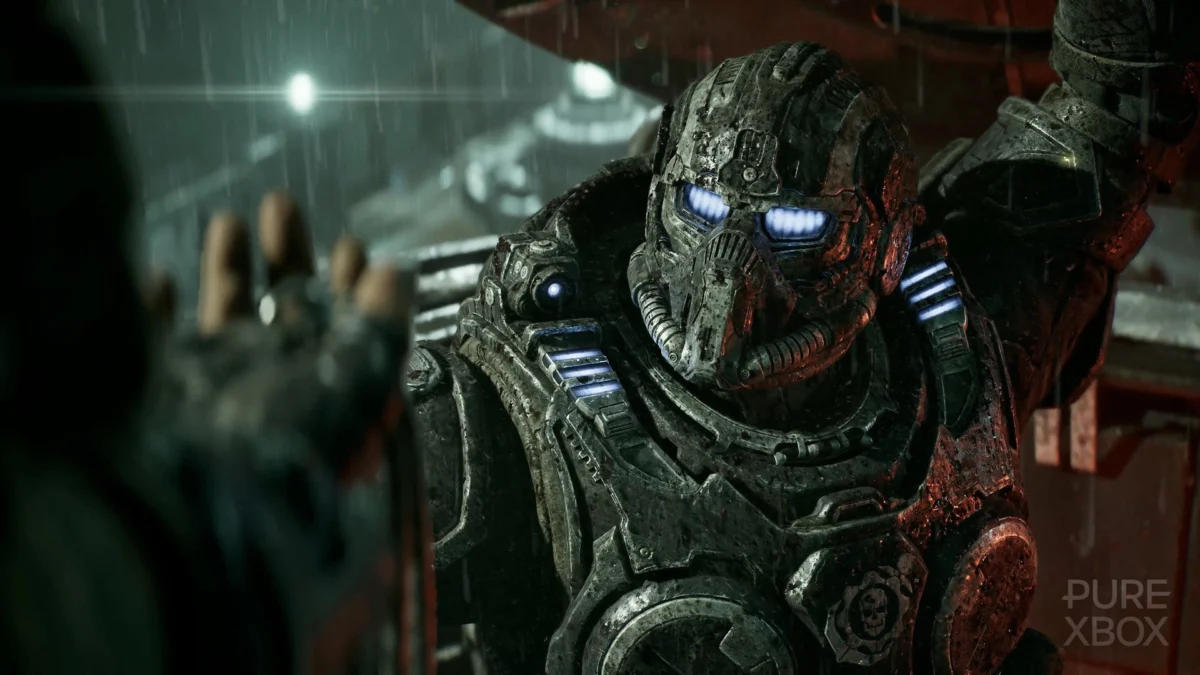
The launch of Gears of War: E-Day marks a pivotal moment for both The Coalition and the Xbox ecosystem, signaling a return to the franchise’s roots while simultaneously pushing the boundaries of current-generation hardware. Released into premium early access on October 1st, followed by a wide release on Xbox Series X|S and PC Game Pass on October 6th, the title serves as a prequel to the legendary 2006 original. Developed over a seven-year period, E-Day focuses on the immediate aftermath of the Locust emergence, centering the narrative on the foundational bond between series protagonists Marcus Fenix and Dominic Santiago. Studio Creative Director Matt Searcy and Gameplay Design Director Pax Lyle have detailed a development philosophy that prioritized a total technological overhaul, utilizing Unreal Engine 5 to reconstruct the Gears of War experience from the ground up.

The Technical Foundation: Rebuilding for Unreal Engine 5
The decision to develop Gears of War: E-Day was inextricably linked to the studio’s transition to Unreal Engine 5 (UE5). Unlike previous iterations that built upon the legacy code of the Xbox One era, The Coalition elected to start from scratch. This "ground-up" approach was necessary to fully leverage UE5’s advanced features, such as Nanite virtualized geometry and Lumen dynamic global illumination. According to Searcy, the team did not specifically target the hardware limitations of the Xbox Series X|S as their primary constraint; instead, they focused on the capabilities of the engine itself, treating the console as a high-tier specification to be optimized.
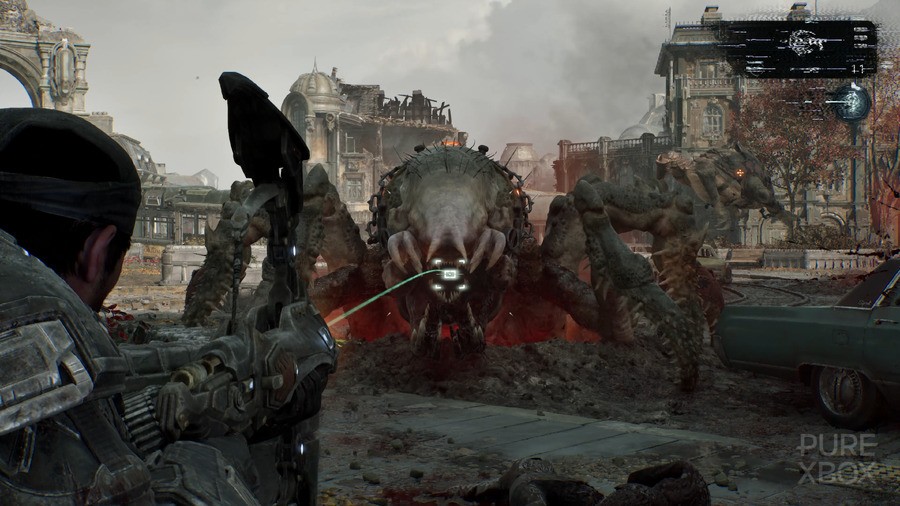
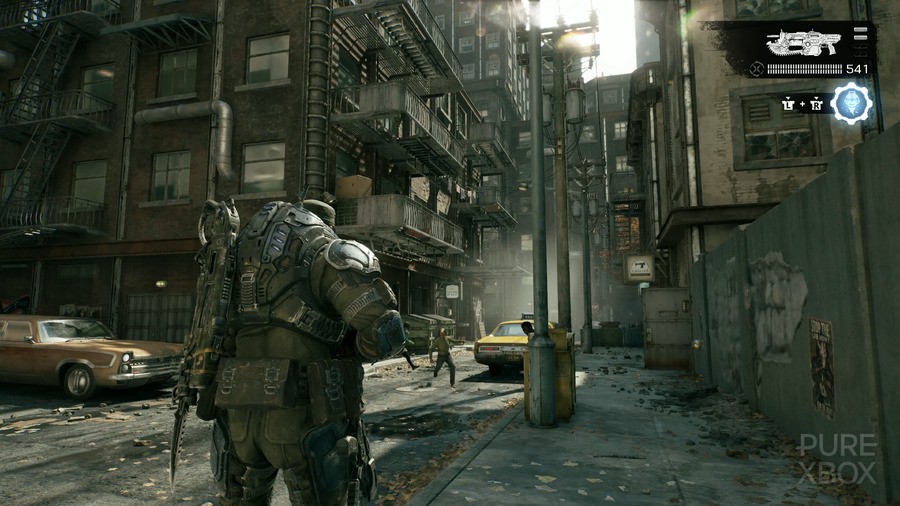
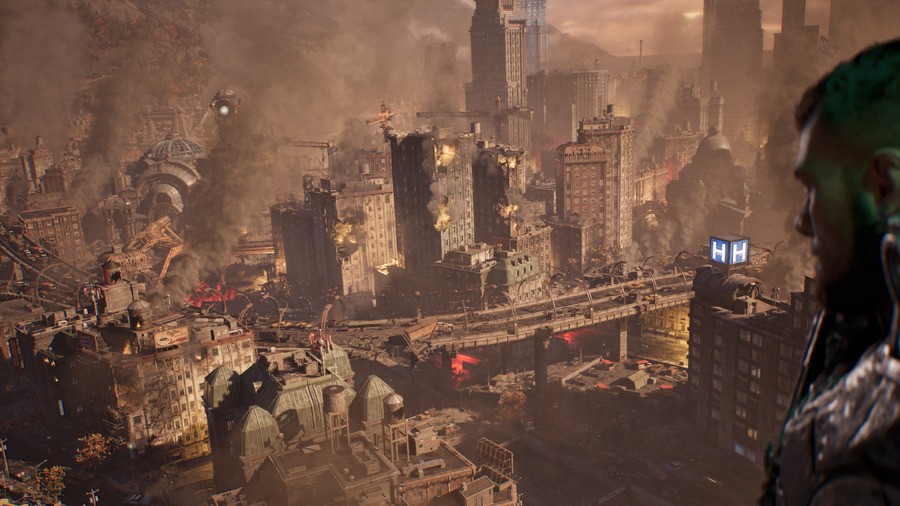
This technical reset allowed for a level of environmental density previously unattainable in the franchise. The setting of Kalona, a city briefly mentioned in previous lore, was selected to showcase this new fidelity. The use of UE5 enabled the developers to create a world that feels both claustrophobic and expansive, capturing the chaos of a city undergoing total societal collapse. The density of the urban environment—filled with destructible elements and intricate architectural details—serves a dual purpose: it acts as a showcase for current-gen power and provides a tactical playground for the series’ signature cover-based combat.
Reimagining the Locust: From Soldiers to Nightmares
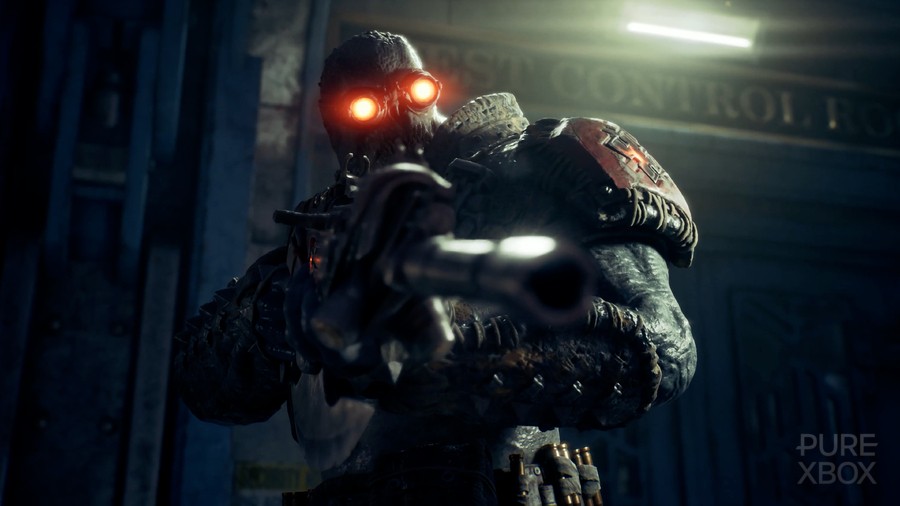
A primary creative goal for E-Day was to restore the sense of dread associated with the Locust Horde. Over the course of five mainline games and several spin-offs, the Locust had evolved in the eyes of players from mysterious monsters into a known military force. To counteract this familiarity, Searcy and Lyle treated E-Day as a reintroduction. The design team returned to early concept art, stripping away the organized military aesthetic to emphasize the "brutal" and "starved" nature of the creatures.
The Wretch, a common enemy in the franchise, was redesigned to appear more feral, with armor removed to highlight its predatory anatomy. Beyond visual changes, the team introduced new gameplay mechanics to enhance the horror. One variant of the Wretch now utilizes a shriek attack that disorients the player, a mechanic inspired by a cinematic moment in the 2006 original that never previously translated to gameplay. Similarly, the Seeder, often relegated to a static environmental obstacle in past games, has been transformed into a dynamic threat. It can now emerge from the ground, flip its orientation, and use its jaws to engage the player directly, forcing a more reactive style of combat.
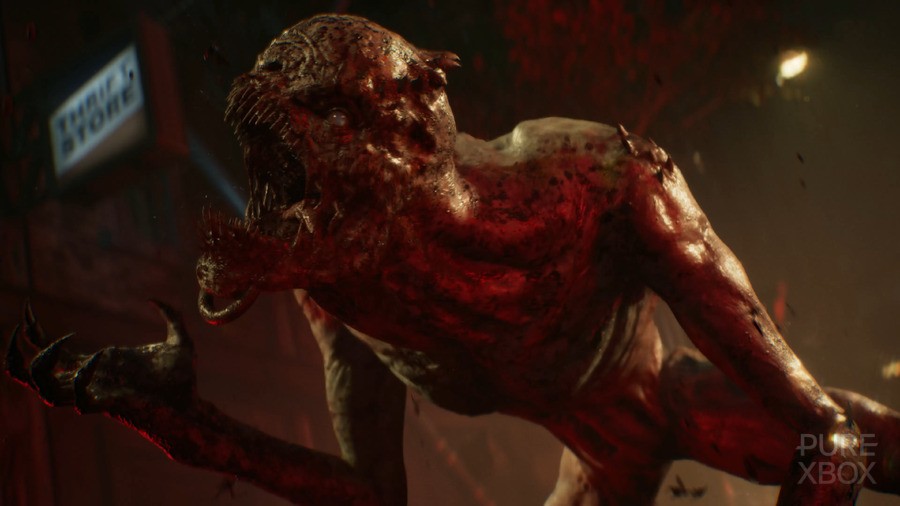
The first encounter with a Locust Drone was specifically designed to mirror the introduction of the Berserker in the original Gears of War. By framing the Drone as a terrifying, near-unstoppable force rather than "cannon fodder," The Coalition aimed to align the player’s experience with the shock and confusion felt by Marcus and Dom during the first night of the invasion.
Narrative Strategy: Negative Space and the Bond of Brotherhood
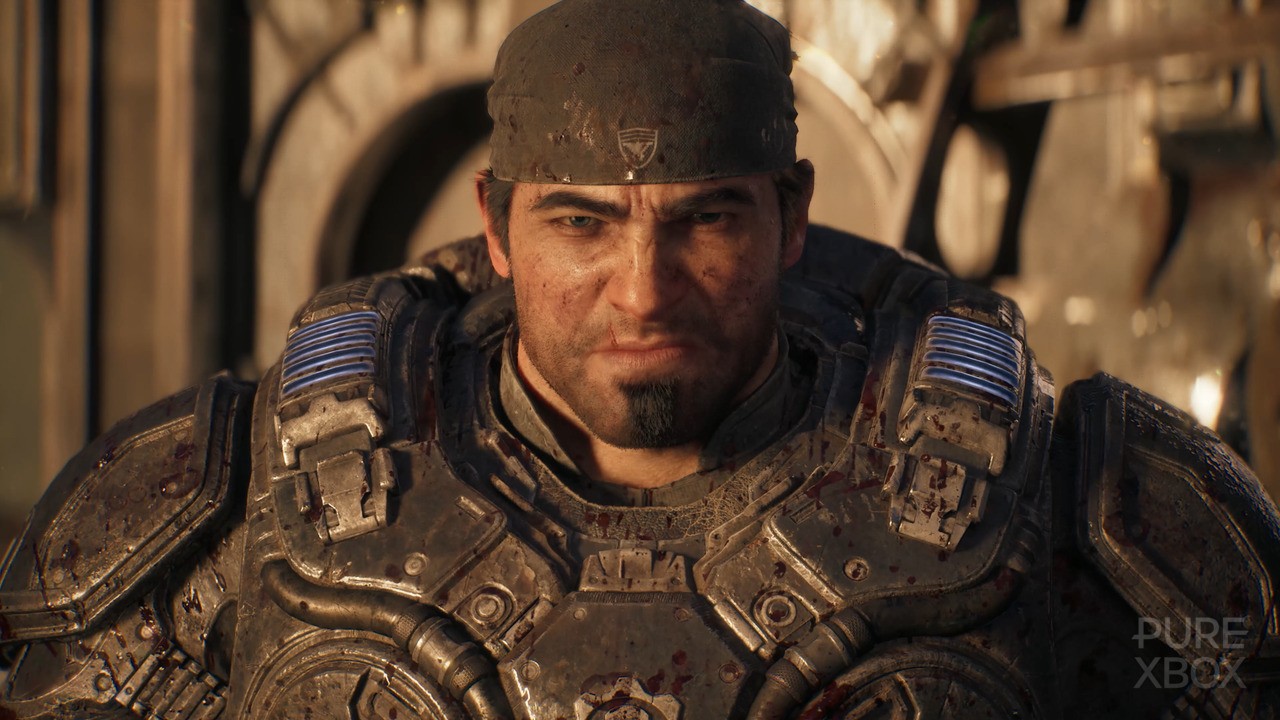
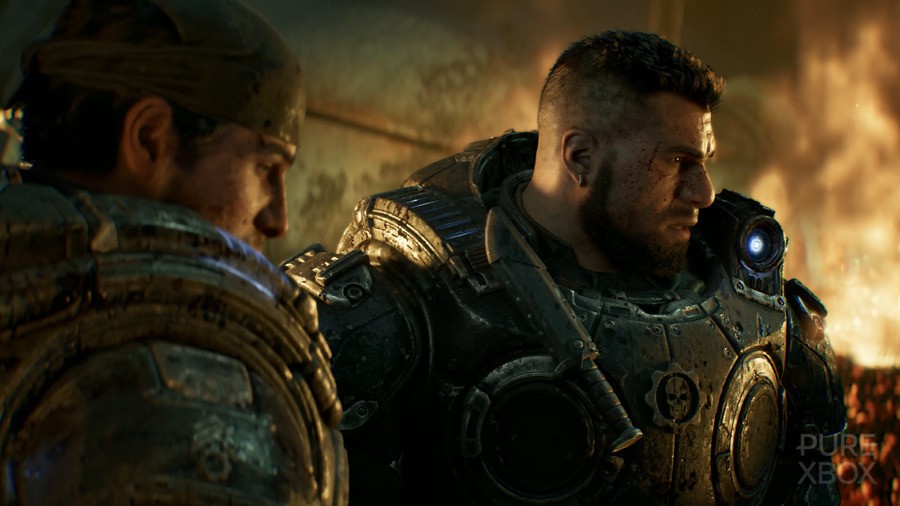
The selection of Emergence Day as the game’s setting allowed The Coalition to explore "negative space" within the established Gears of War timeline. While the broader events of E-Day—the deaths of millions and the fall of major cities—are well-documented in the series’ lore, the specific actions of Marcus Fenix and Dom Santiago during the initial hours remained largely unexplored.
The creative team drew heavy inspiration from classic war media such as Band of Brothers and Saving Private Ryan. Rather than attempting to depict the global scale of the war, the narrative focuses on a single squad in a single city. This intimate lens allows for a deeper exploration of the relationship between Marcus and Dom, which serves as the emotional core of the original trilogy. By placing them in Kalona—a location referenced in Gears of War: Judgment via the "Remember Kalona" banner—the developers were able to build a new story that remains tethered to existing fan knowledge without being constrained by it.
Historical Context and Franchise Evolution
To understand the significance of E-Day, one must look at the chronology of the Gears of War franchise. Since Microsoft acquired the intellectual property from Epic Games in 2014, The Coalition has been tasked with maintaining one of Xbox’s most valuable brands.
- 2006–2011: The Original Trilogy (Epic Games) established the cover-shooter genre.
- 2013: Gears of War: Judgment (People Can Fly/Epic Games) explored prequel themes but received mixed reactions for its mechanical changes.
- 2016–2019: Gears of War 4 and Gears 5 (The Coalition) moved the story forward by 25 years, introducing a new generation of characters.
- 2024: Gears of War: E-Day returns to the beginning, signaling a shift back to the dark, gritty tone that defined the series’ inception.
The inclusion of the Breechshot—a fan-favorite weapon from Judgment—in E-Day serves as a bridge between the various eras of the franchise. While E-Day is a spiritual successor to the first two games, it incorporates elements from across the entire series, including mechanics refined in Gears 5 and the Hivebusters expansion.
Strategic Importance for the Xbox Ecosystem
The release of E-Day coincides with the approaching 25th anniversary of the Xbox brand. As a first-party exclusive, the game carries the weight of being a hardware seller and a flagship title for the Xbox Game Pass service. The Coalition acknowledged the internal and external pressure associated with this role. During the Xbox Games Showcase, the title was given the prestigious "bookend" slots, opening and closing the presentation to emphasize its importance to Microsoft’s software lineup.
The game’s presence on Game Pass is expected to drive significant engagement. Historically, Gears 5 saw over three million players in its opening weekend, a record at the time for Xbox Game Studios. By positioning E-Day as an origin story, Microsoft is attempting to capture both veteran fans and a new generation of players who may find the barrier to entry lower than a direct sequel to Gears 5.
Analyzing the Omissions: The Focus on Core Mechanics
Despite the critical success of E-Day, some long-standing series features, such as chainsaw duels, meat shields, and frag tagging, are absent from the initial release. Searcy explained that these omissions were not a creative rejection of the features but a consequence of the "inside-out" development process required by the engine change. Rebuilding the core movement, cover systems, and ballistics in Unreal Engine 5 for three distinct modes (Campaign, Versus, and Horde) required the team to prioritize stability and "feel" over a checklist of legacy features.
However, the developers have indicated that these elements remain part of the "Gears DNA" and could potentially return in future updates or entries. This transparency highlights the reality of modern AAA development, where the transition to new technology often necessitates a focused scope to ensure a high-quality launch.
Broader Implications and Future Outlook
The success of Gears of War: E-Day suggests a viable path forward for aging franchises: returning to foundational themes while utilizing cutting-edge technology to refresh the experience. By focusing on the horror of the Locust and the humanity of its leads, The Coalition has moved away from the increasingly complex sci-fi narratives of later entries to tell a more grounded, visceral war story.
As the Xbox Series X|S enters the latter half of its lifecycle, E-Day serves as a technical benchmark for what Unreal Engine 5 can achieve on the platform. The game’s reception reinforces the demand for high-fidelity, narrative-driven shooters in an industry increasingly dominated by live-service models. For The Coalition, E-Day is more than a prequel; it is a statement of intent for the future of the Gears of War brand, proving that there is still significant narrative and commercial potential in the ruins of Sera.