


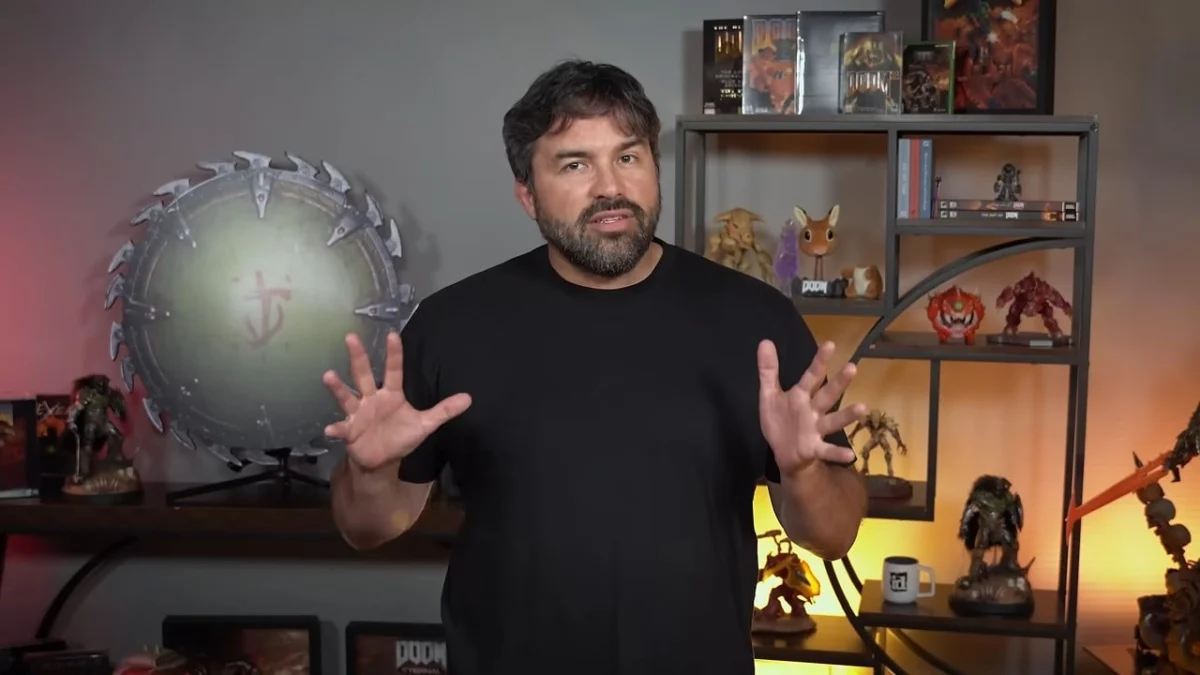
Amidst a period of significant restructuring and workforce reductions across the technology and gaming sectors, id Software, the venerable studio behind iconic franchises like DOOM and Quake, has issued a series of statements to reassure its fanbase and the broader industry regarding its stability and future prospects. These communications come in the wake of widespread layoffs impacting various Xbox-owned studios, prompting concerns about the operational health and creative capacity of key developers within the Microsoft Gaming ecosystem. The studio’s director, Hugo Martin, has further elaborated on these points, directly addressing speculation and highlighting the continued vitality of both the studio and its proprietary id Tech engine, even as their latest expansion, DOOM: The Dark Ages – Revelations, garners widespread critical acclaim.
The Broader Landscape: Xbox’s Strategic Realignment and Workforce Reductions
The context for id Software’s recent reassurances is a turbulent period marked by extensive layoffs initiated by Microsoft. The technology giant announced in January 2026 that it would eliminate approximately 1,900 roles within its Xbox division, a move that primarily affected employees across Activision Blizzard and ZeniMax Media, companies Microsoft had acquired in massive, multi-billion dollar deals. This initial wave of cuts was framed as a necessary step to align operations, reduce redundancies, and streamline integration following these significant acquisitions. Phil Spencer, CEO of Microsoft Gaming, communicated these changes internally, emphasizing a focus on long-term sustainability and strategic growth for the Xbox ecosystem.
However, the workforce reductions did not cease there. Further reports indicated an additional 1,600 potential job cuts on the horizon, signaling a more profound restructuring effort than initially perceived. These layoffs have impacted numerous studios under the Xbox banner, leading to heightened anxiety among employees and concerns within the gaming community about the creative output and stability of beloved development houses. The rationale often cited by Microsoft includes a desire for greater efficiency, a consolidation of resources, and a strategic pivot towards specific projects and technological initiatives, particularly in the competitive landscape of subscription services like Xbox Game Pass and the ever-evolving console market. This period of contraction at Microsoft mirrors a broader trend across the tech industry, where companies that experienced rapid growth during the pandemic era are now recalibrating their workforces in response to changing economic conditions, increased interest rates, and evolving consumer demands.
id Software’s Enduring Legacy and Technical Backbone
id Software holds a legendary status in the video game industry, recognized as a pioneer of the first-person shooter (FPS) genre. Founded in 1991, the studio revolutionized gaming with titles like Wolfenstein 3D, DOOM, and Quake, establishing foundational mechanics and graphical innovations that would define generations of interactive entertainment. Central to id Software’s groundbreaking achievements has always been its commitment to technological excellence, epitomized by its proprietary id Tech engine.
The id Tech engine has a storied history, evolving through multiple iterations to consistently push the boundaries of real-time 3D graphics and performance. From its early days powering the visceral combat of DOOM to the highly optimized and visually stunning environments of DOOM 2016 and DOOM Eternal, id Tech has remained a benchmark for technical prowess. Hugo Martin’s recent confirmation that "id Tech is very much alive and well" serves as a crucial affirmation, especially given its strategic importance not just for id Software, but for other studios within the ZeniMax/Bethesda family. Martin specifically highlighted the collaborative nature of id Tech development, noting the presence of "id Tech engineers both in Frankfurt and at MachineGames." This distributed development model underscores the engine’s status as a shared, vital asset across multiple studios, ensuring its continued evolution and integration into various projects, including titles from MachineGames (Wolfenstein series) and potentially others.
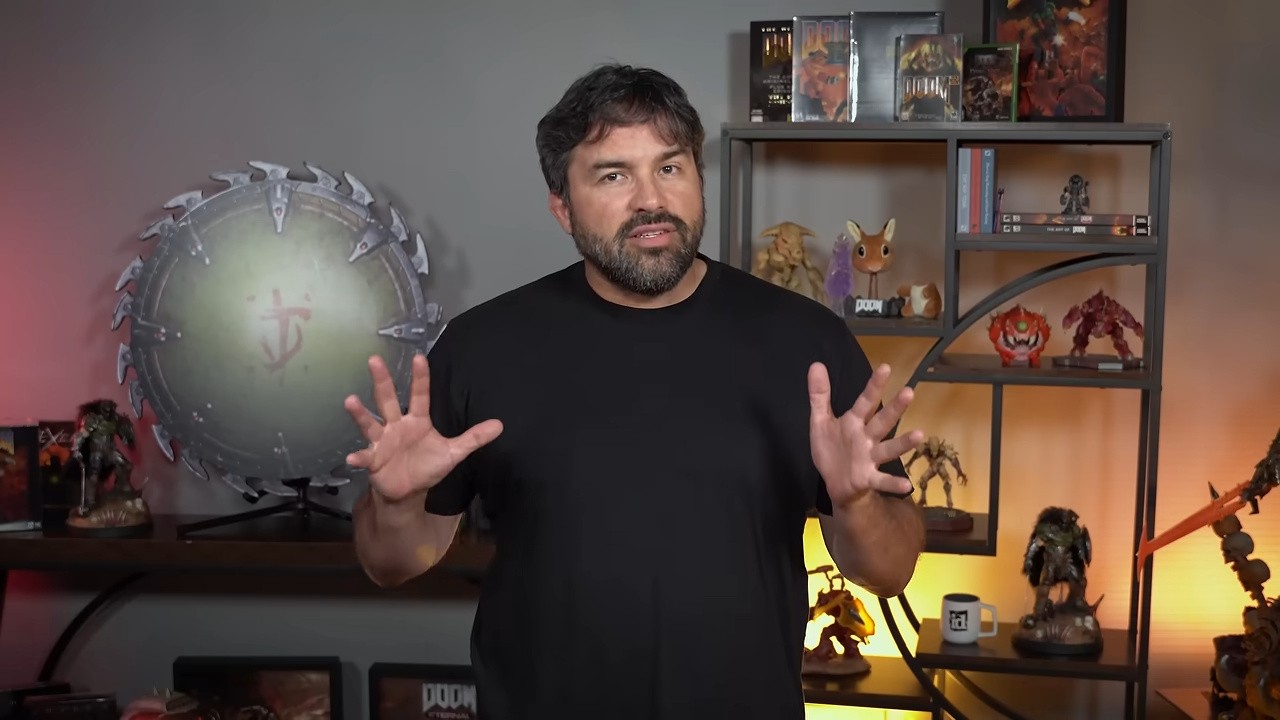
The studio’s current size, which id Software insists is comparable to its headcount during the development of the critically acclaimed DOOM 2016, offers a significant point of reference. DOOM 2016 marked a triumphant return for the franchise, revitalizing its core gameplay loop and proving that a focused, efficient team could deliver a AAA experience of exceptional quality. By stating they are "back down to around the size that it was in the DOOM 2016 days," id Software suggests a return to a lean yet highly effective operational model, one that prioritizes core talent and streamlined processes over potentially bloated post-acquisition staffing. This implies a strategic emphasis on maintaining the agile, creative core that has historically defined id Software’s success.
Hugo Martin’s Direct Address: Dispelling Misconceptions and Boosting Morale
In a recent livestream, Hugo Martin, the acclaimed director of the DOOM series, directly addressed prevailing concerns and refuted what he termed incorrect reports about the studio’s state. Martin emphatically denied claims that id Software had been "nerfed into the ground" or "gutted" to a mere 50-person team. "That’s not true," he stated, providing a clear and unequivocal counter-narrative to the circulating rumors. His statement served as a vital piece of communication, aiming to quell anxieties among fans, industry observers, and, crucially, id Software’s own employees.
The importance of such direct and transparent communication from studio leadership during periods of corporate restructuring cannot be overstated. Speculation and misinformation can rapidly erode employee morale, foster uncertainty, and damage public perception. By directly confronting these rumors, Martin provided a much-needed dose of clarity and reassurance. His emphasis on the studio’s size being consistent with the DOOM 2016 era implicitly suggests that the team retains the necessary talent and scale to produce high-quality, ambitious titles. Furthermore, his mention of ongoing collaboration with id Tech engineers in other studios reinforces the idea that id Software is not isolated but integrated into a larger, supportive technical ecosystem. Martin concluded his remarks with a forward-looking perspective, expressing excitement "to share with you guys more of what we’re working on in the future when it is appropriate and approved," hinting at active development on upcoming projects and maintaining a sense of anticipation for what’s next.
A Beacon of Success: DOOM: The Dark Ages – Revelations
Amidst the industry’s challenges, id Software has delivered a significant win with the "incredible reception" to DOOM: The Dark Ages – Revelations. The expansion has not only resonated deeply with fans but has also achieved remarkable critical acclaim, becoming "one of the highest-rated new video game releases of 2026." This success is a powerful testament to the studio’s enduring creative vision and technical expertise, even as it navigates corporate shifts.
The critical and commercial success of Revelations provides tangible evidence that id Software’s core development capabilities remain robust. High ratings from critics often translate into increased sales and sustained player engagement, reinforcing the franchise’s value within the Xbox portfolio. For id Software, this success is a morale booster, validating the hard work and dedication of the team. As Hugo Martin articulated, the fact that they "made a game that people like, and is critically and commercially successful – it’s doing very well related to the forecasts and stuff – that’s good for everyone." This sentiment extends not only to the current employees, who can take pride in their achievement, but also, as Martin thoughtfully noted, to "the people that we unfortunately had to say goodbye to." This perspective highlights the complex human element of layoffs, where the success of a project can, in a broader sense, reflect positively on the contributions of all who have been involved, past and present. The expansion’s performance underscores id Software’s capacity to continue delivering premium, high-impact content, which is crucial for Xbox as it seeks to bolster its first-party offerings and strengthen the appeal of Game Pass.
Strategic Implications for id Software and Microsoft Gaming
The current state of id Software, as articulated by its leadership, carries significant implications for both the studio itself and the broader Microsoft Gaming strategy. For id Software, maintaining a size comparable to the DOOM 2016 era suggests a focus on streamlined, high-quality development cycles. This leaner structure could enable greater agility, faster decision-making, and a more concentrated effort on core intellectual properties. It may also signify a strategic shift towards fewer, but more impactful, releases rather than diversifying into numerous smaller projects. The emphasis on id Tech’s health and its distributed engineering talent across ZeniMax studios indicates a consolidated approach to engine development, potentially leading to more efficient resource allocation and shared technological advancements across various titles within the Xbox ecosystem.
The possibility of future projects, including potential new Quake titles, remains a strong point of fan speculation and industry interest. Given id Software’s historical connection to the Quake franchise and the recent success of Quake Champions and Quake Remastered, a full-fledged revival of the series under a focused id Software could be a significant boost for Xbox. Such a move would leverage existing IP, tap into a dedicated fanbase, and demonstrate Microsoft’s commitment to its diverse portfolio of acclaimed studios.
For Microsoft Gaming, id Software’s continued stability and proven ability to deliver critically and commercially successful games like DOOM: The Dark Ages – Revelations are invaluable. In an increasingly competitive market, having flagship studios consistently producing high-quality content is paramount for attracting and retaining subscribers for Xbox Game Pass, as well as driving console sales. The success of id Software helps to justify Microsoft’s multi-billion dollar acquisition of ZeniMax, showcasing the long-term value of these investments despite the immediate challenges of integration and restructuring. It signals that even amidst widespread organizational changes, some key creative engines within the Xbox family remain robust and capable of innovation. The studio’s ability to "build the games and tech we’re known for" reinforces Xbox’s brand promise of delivering compelling gaming experiences.
Looking Ahead: Navigating an Uncertain Future
While id Software has provided strong assurances regarding its present stability and future plans, the broader industry landscape remains fraught with uncertainty. The mention of potential "next 1,600 cuts" within Xbox highlights the ongoing nature of Microsoft’s restructuring efforts, which could theoretically impact any part of its gaming division. This persistent background hum of corporate consolidation and workforce adjustments necessitates a delicate balance between maintaining operational efficiency and fostering creative freedom and security for development teams.
The gaming community’s role in supporting studios through engagement and purchases is also more critical than ever. The success of titles like DOOM: The Dark Ages – Revelations sends a clear message to corporate leadership about the value of investing in proven talent and beloved franchises. As id Software looks forward to sharing "more of what we’re working on in the future," the industry and its fans will be watching closely. The studio’s resilience, its unwavering commitment to technical excellence through id Tech, and its track record of delivering visceral, high-quality experiences suggest that id Software is well-positioned to continue its legacy of innovation. The hope remains that by this time next year, the picture of their upcoming projects will be much clearer, solidifying their place as a cornerstone of the Xbox first-party lineup and a continued force in the global gaming industry.