

The bustling aisles of a Milton Keynes CeX store on a typical weekend paint a starkly different picture from the often-quietian landscape of GameStop in North America. While CeX, a prominent UK retailer, thrives on the steady flow of customers seeking everything from the latest PlayStation 5 titles to cherished PlayStation 2 classics, GameStop has been grappling with declining foot traffic and a shifting retail environment. In a move that has generated both skepticism and cautious optimism, GameStop announced on August 28th its strategic pivot to a retro gaming model in select locations. This initiative, aimed at revitalizing the struggling retail giant, draws a direct comparison to the enduring success of CeX, a company that has cultivated a robust culture around the buying, selling, and trading of pre-owned games and technology for over three decades.
The contrast in customer engagement between the two retail giants is striking. At CeX stores across the United Kingdom, particularly in densely populated urban centers like Milton Keynes and London, weekend queues can often extend beyond the storefront. Patrons are seen actively searching for a wide array of gaming consoles and their associated software, from the legacy PlayStation 2 and Xbox 360 to the current generation PlayStation 4 and PlayStation 5. This vibrant marketplace is not confined to video games; CeX also facilitates the trade and sale of pre-owned movies, smartphones, Bluetooth headsets, and other consumer electronics, creating a comprehensive ecosystem for second-hand goods.
In stark contrast, many GameStop stores in North America present a more subdued atmosphere. While shelves might be adorned with popular Funko POP! collectibles and a selection of new game releases, the consistent lack of significant customer presence, at least based on anecdotal observations, has raised concerns about the company’s long-term viability. The introduction of "GameStop Retro" locations, therefore, represents a significant strategic shift, seeking to tap into a potentially lucrative market that has demonstrably proven successful elsewhere.
Understanding the genesis of this pivot requires a look at the broader retail landscape and the specific challenges faced by GameStop. The company has been a prominent fixture in the North American video game retail scene for decades, but the digital revolution has profoundly impacted its traditional business model. The increasing prevalence of digital game downloads, the rise of subscription services, and the consolidation of physical media sales have all contributed to a decline in new game sales, a core revenue stream for GameStop. Furthermore, the company’s stock performance has been notoriously volatile, at times driven by speculative trading rather than fundamental business strength, as evidenced by its significant stock price surges linked to Reddit-driven market activity.
The decision to embrace a retro model is not without precedent. CeX, established in 1992, has built its empire on the foundation of a circular economy for pre-owned goods. Its business model is predicated on offering consumers a convenient and relatively lucrative avenue to trade in their unwanted items – games, movies, electronics – for cash or store credit. This credit can then be used to purchase other pre-owned items, effectively creating a self-sustaining marketplace. This approach has fostered a loyal customer base and a thriving community, particularly among retro gaming enthusiasts.
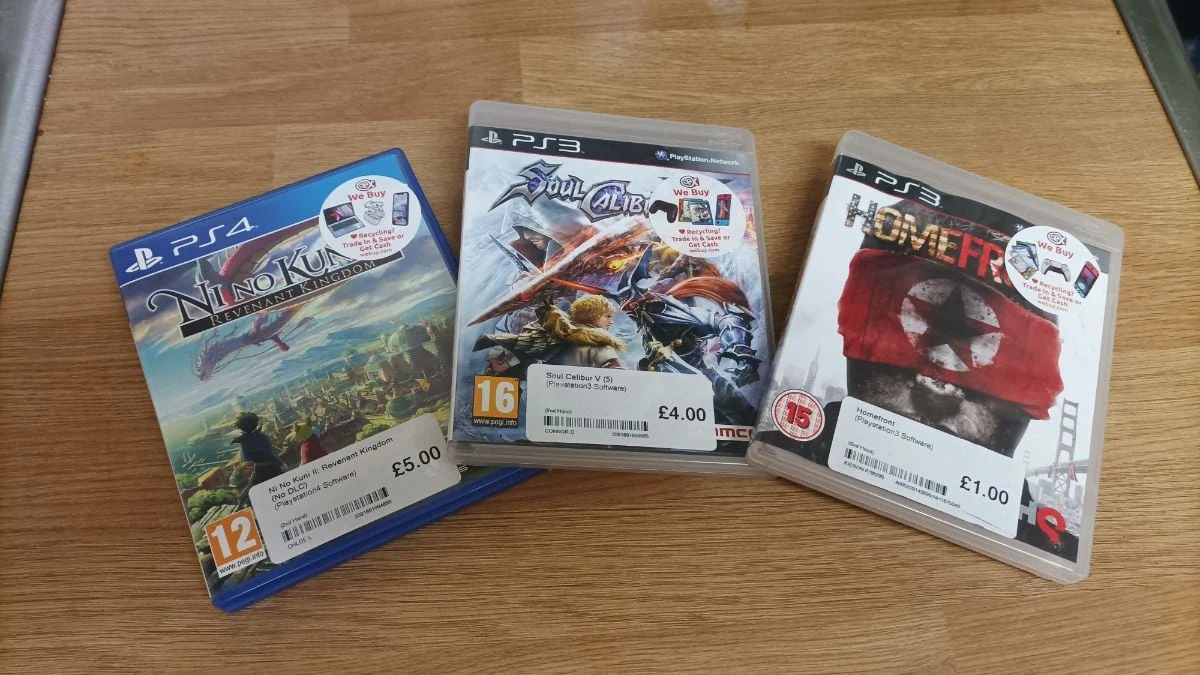
The impact of CeX’s model on British culture is palpable. The store has become a destination for gamers seeking not only the latest releases but also harder-to-find older titles. A dedicated online community has sprung up around CeX, with YouTube channels like "Retro Ghetto" and "TVM" regularly documenting their "CeX hauls" and discoveries, showcasing the unique finds and the thrill of the hunt. These content creators highlight the appeal of unearthing forgotten gems and building extensive game libraries at affordable prices. For instance, returning to the UK after living in Canada, the author was able to amass a substantial PS3 and PS4 library, acquiring titles such as "Alpha Protocol," "Final Fantasy XIII," and "PlayStation All-Stars Battle Royale" for mere pounds, experiences that are often scarce on modern platforms. This affordability and accessibility are key components of CeX’s enduring appeal.
In contrast, acquiring retro games in the United States and Canada often presents a more challenging and expensive proposition. While independent game stores exist in some communities, they are not as ubiquitous as CeX in the UK. Consumers frequently resort to online marketplaces like eBay and Amazon, where prices can be inflated by resellers, and shipping costs can further escalate the overall expense. The frustration of exorbitant prices for older titles has been a significant barrier for many North American collectors, making the prospect of building a retro game collection a daunting financial undertaking.
The announcement of GameStop Retro has been met with a mixture of reactions. Some observers have expressed skepticism, questioning the feasibility of such a drastic shift, especially given the limited preparation time reportedly afforded to store employees, as highlighted in a video by "Spawn Wave." However, others see potential in the initiative, believing that if GameStop can cultivate a dedicated audience and a community akin to CeX’s, the retro model could indeed serve as a lifeline for the company.
Spawn Wave, a prominent YouTube personality focused on gaming, shared his initial impressions of a GameStop Retro location, noting that the prices were "not terrible" and significantly better than what he had encountered on eBay or at conventions. This suggests that GameStop Retro might be able to offer competitive pricing, a crucial factor in attracting and retaining customers in the pre-owned market. Furthermore, the efficiency and transparency of the CeX website, which displays real-time stock availability for individual stores and provides immediate trade-in valuations, offer a benchmark for GameStop to emulate. Such transparency can significantly enhance customer trust and streamline the shopping experience, mitigating the uncertainty often associated with trade-in processes at other retailers.
The broader implications of GameStop’s retro pivot extend beyond its immediate financial concerns. It signals a potential shift in how major retailers perceive and engage with the pre-owned market. For years, the focus has largely been on new product sales, with trade-in programs often serving as a secondary incentive to drive new purchases. However, the success of companies like CeX demonstrates that the pre-owned market can be a primary revenue driver, capable of fostering strong customer loyalty and a vibrant community.
The challenge for GameStop will be to effectively replicate the cultural elements that have made CeX so successful. This involves more than just stocking older games; it requires building a sense of community, fostering trust through fair trade-in practices, and creating an engaging in-store experience. The company’s past actions, such as the controversial shutdown of Game Informer magazine and the subsequent layoffs of its staff, have undoubtedly impacted its public perception and customer goodwill. Rebuilding this trust will be paramount if GameStop Retro is to achieve its ambitious goals.
Furthermore, the potential for GameStop Retro to democratize access to retro gaming in North America is significant. By offering a more accessible and affordable alternative to the current online resale market, GameStop could unlock a new generation of collectors and enthusiasts. This could lead to a resurgence of interest in classic consoles and games, preserving gaming history and providing new avenues for entertainment. The success of such a venture would also serve as a case study for other struggling retailers, demonstrating the viability of adapting to evolving consumer preferences and embracing the principles of a circular economy.
The long-term success of GameStop’s retro strategy hinges on its ability to learn from the established practices of CeX while also innovating to meet the specific demands of the North American market. The company needs to go beyond simply stocking older titles; it must actively cultivate a community, offer competitive pricing and trade-in values, and provide a transparent and engaging customer experience. While the road ahead may be challenging, the potential rewards – a revitalized brand, a loyal customer base, and a more sustainable business model – make the pivot to retro gaming a strategic gamble that could, in time, prove to be a game-changer. The coming months will be critical in determining whether GameStop can successfully translate the UK’s retro retail success into a North American revival.