


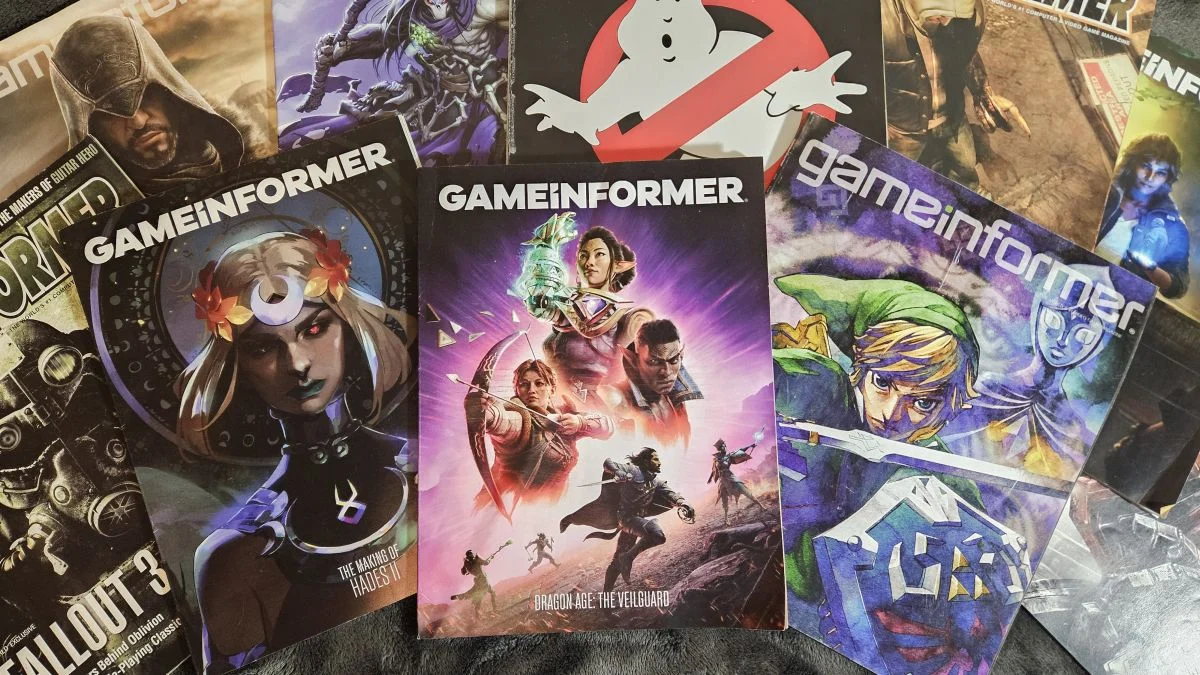
The landscape of video game media has been irrevocably altered today with the abrupt closure of Game Informer, a venerable institution that has served as a cornerstone of the industry for more than 30 years. The announcement, delivered to staff this morning by its parent company, GameStop, signals the end of an era for both its influential print magazine and its extensive online presence. The entire editorial team has been laid off, and the publication’s final issue, reportedly nearing completion, will not see the light of day.
Kyle Hilliard, the former content director for the magazine, shared on social media that the upcoming issue was approximately 70% complete and was slated to feature a "GREAT cover." This stark revelation underscores the sudden and decisive nature of the closure, leaving many within the gaming community and the media industry in shock.
Game Informer confirmed the closure through a statement disseminated across its social media channels, including its official X (formerly Twitter) account. The statement read, in part, "While our presses may stop, the passion for gaming that we’ve cultivated together will continue to live on." This sentiment has been echoed by former writers and editors who have taken to their personal platforms to share the news and reflect on their time with the publication.
The origins of Game Informer trace back to 1991. It began as a modest, short-run magazine, initially conceived as an in-house newsletter for FuncoLand, a video game retailer that has since ceased operations. The trajectory of Game Informer shifted significantly in 2000 when GameStop acquired FuncoLand. This acquisition brought the publication under GameStop’s corporate umbrella, where it rapidly evolved from a simple newsletter into a critical component of the retailer’s customer loyalty program, offering subscribers exclusive content and early access to information.
A Legacy Forged in Print and Pixels
For over three decades, Game Informer served as a primary conduit for news, reviews, previews, and in-depth features on the ever-evolving world of video games. Its longevity in an industry characterized by rapid technological advancement and shifting consumer habits is a testament to its adaptability and enduring appeal. The publication’s reach was once so significant that by 2010, it ranked as the fifth-largest magazine in the United States, surpassing established titans such as Time and Sports Illustrated in circulation. This remarkable achievement highlighted the substantial and dedicated audience that Game Informer had cultivated.
The publication navigated numerous challenges inherent to the media landscape. It weathered the broader decline in print journalism, successfully transitioned to a digital-first approach, and endured multiple rounds of layoffs and restructuring from its parent company, GameStop. These internal changes at GameStop often coincided with the company’s ambitious, and at times controversial, forays into emerging technologies. In recent years, GameStop has focused heavily on ventures such as NFTs and blockchain technology, attempting to pivot its business model amid the volatile "meme stock" phenomenon and ongoing challenges within its brick-and-mortar retail operations.
Despite these corporate upheavals, Game Informer consistently produced high-quality content, often featuring iconic and memorable cover art that became synonymous with major game releases. The staff’s dedication to delivering engaging narratives and insightful analysis remained a constant. In a recent effort to bolster its print presence and re-engage its dedicated readership, the publication had even undertaken initiatives to re-launch its subscription service for the magazine.
The End of an Era: Impact and Reflection
The closure of Game Informer represents more than just the cessation of a publication; it signifies the loss of a cultural touchstone for a generation of gamers. For many, the magazine was their initial gateway into understanding and appreciating the intricacies of game development, industry trends, and critical analysis of interactive entertainment. It provided a comprehensive look at the gaming world, from early previews of anticipated titles to in-depth reviews and reflective features. The striking cover art, often a collaborative effort between artists and the editorial team, became a hallmark, capturing the essence of games and generating excitement for their release.
Beyond the blockbuster coverage, Game Informer fostered a sense of community. It provided a platform for diverse voices within the industry, featuring opinion pieces, interviews with developers and designers, and extensive features that explored the broader cultural impact of video games. A particularly cherished segment for many readers was the "letters from readers" section, which offered a direct line of communication and a sense of shared passion. Reflecting on past issues, former contributors and long-time readers often recall the profound influence Game Informer had on shaping their perspectives and fostering their own nascent interests in journalism or the gaming industry itself.
The timing of Game Informer’s closure is particularly poignant given the ongoing trends in the video game industry. The sector has seen a significant number of layoffs in recent years, with estimates suggesting thousands of jobs were lost in 2023 alone. As more established media outlets face consolidation, closure, or significant downsizing, the future of dedicated games journalism becomes increasingly uncertain. The disappearance of a publication with Game Informer’s history and reach leaves a void that may be difficult to fill, raising concerns about the continued availability of comprehensive and independent coverage of the industry.
The staff of Game Informer now face the challenge of finding new opportunities in a competitive market, a situation mirrored by many others in the media and tech sectors. The abrupt cessation of operations leaves behind a legacy of impactful journalism and a palpable sense of loss for a publication that was, for many, an indispensable part of their connection to the world of video games. The ultimate implications of this closure on the broader media ecosystem and the future of game reporting remain to be seen, but the immediate impact is a stark reminder of the precarious nature of the media industry in the digital age.