


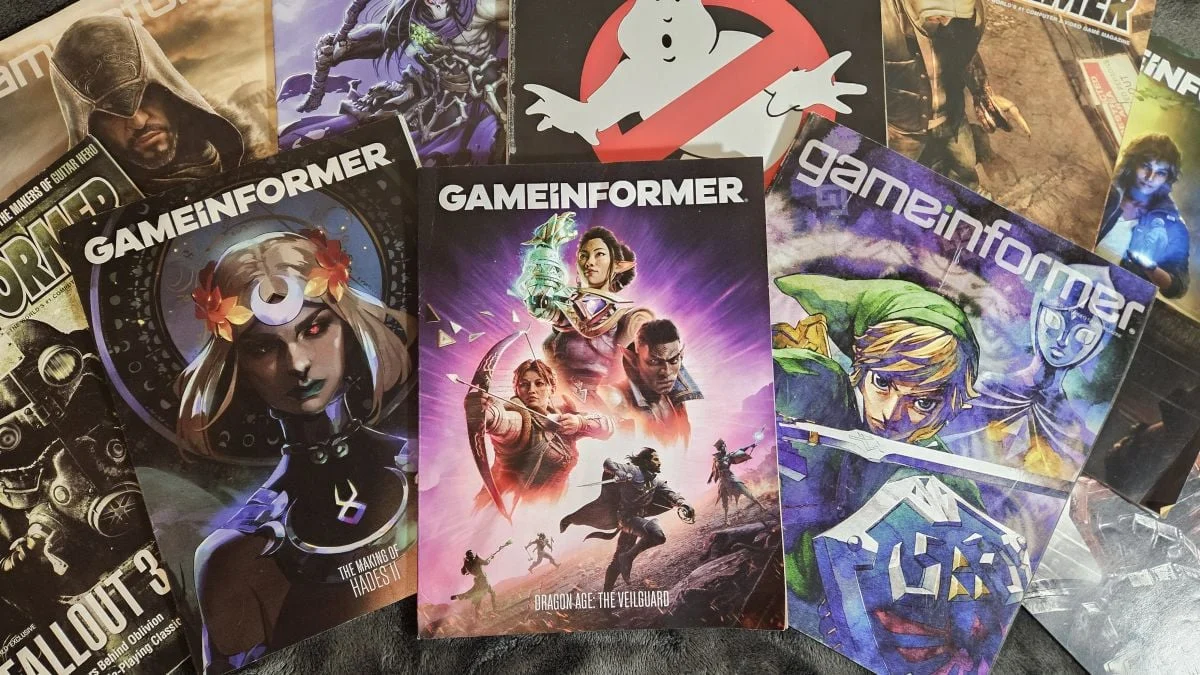
The landscape of video game journalism has been irrevocably altered with the abrupt closure of Game Informer, a venerable institution that has chronicled the industry’s evolution for over thirty years. Parent company GameStop announced the cessation of all operations for the magazine and its associated digital platforms today, marking the end of an era for countless readers and industry professionals. The decision, communicated to staff this morning by GameStop corporate, resulted in the immediate layoff of the entire editorial team and the discontinuation of both the print magazine and its online presence. Former magazine content director Kyle Hilliard confirmed that the next issue was substantially complete, reportedly "about 70% done," and was slated to feature a significant cover story.
This sudden shuttering follows a long and impactful history for Game Informer, which began its journey in 1991 as a modest in-house newsletter for the now-defunct video game retailer FuncoLand. GameStop acquired FuncoLand in 2000, inheriting Game Informer and subsequently integrating it into its burgeoning customer loyalty program, transforming it into a key component of its retail strategy. Over the subsequent decades, Game Informer not only survived but thrived, becoming one of the most influential voices in gaming media.
A Legacy Forged in Print and Pixels
Game Informer’s journey from a niche newsletter to a titan of games media is a testament to its enduring appeal and adaptability. By 2010, the publication had achieved remarkable penetration, ranking as the fifth-largest magazine in the United States, a circulation figure that surpassed established giants like Time and Sports Illustrated. This impressive readership underscored the significant appetite for dedicated, in-depth video game coverage.
The magazine navigated numerous industry shifts, from the broader downturn in print journalism to the seismic transition towards digital content. It weathered these challenges while continuing to produce a steady stream of high-quality content, often featuring striking and memorable cover art that became a hallmark of the publication. In a recent effort to bolster its print presence, Game Informer had embarked on a subscription drive to re-energize its magazine offerings.
However, Game Informer’s existence was also intrinsically linked to the fortunes and strategic decisions of its parent company, GameStop. The retailer, known for its dramatic rise and fall as a "meme stock," has undergone significant restructuring in recent years. These efforts have included numerous internal cuts and a pivot towards emerging technologies, including a notable push into NFTs and blockchain technology, as well as explorations into digital asset marketplaces. These strategic shifts, while aimed at future-proofing GameStop’s business model, have had a direct and profound impact on its media arm.
The Impact on an Industry Pillar
The closure of Game Informer represents more than just the loss of a publication; it signifies the disappearance of a cultural touchstone for many within the gaming community and the industry itself. For a generation of gamers, Game Informer served as their initial gateway into understanding the nuances of game development, critical analysis, and the broader cultural significance of interactive entertainment. The magazine’s comprehensive coverage, encompassing previews, reviews, in-depth features, and developer interviews, provided an invaluable resource and a constant source of excitement for new releases and industry trends.
The distinctive cover art of Game Informer was often a visual herald of major upcoming titles, featuring artwork that captured the imagination and generated considerable anticipation. Beyond the spectacle of its covers, the magazine was also a platform for the diverse voices and perspectives that shape the gaming world. It provided space for opinion pieces, insightful interviews, and extended features that delved into the creative processes and challenges faced by developers. The "Letters to the Editor" section, in particular, fostered a sense of community, allowing readers to engage directly with the publication and each other.
For many writers and content creators, Game Informer was an early proving ground, a place where their passion for games could be channeled into professional journalism. The loss of these roles comes at a time when the video game industry continues to experience significant layoffs. Estimates from late 2023 suggested that approximately 9,000 video game jobs were lost that year alone, a trend that highlights the precarious nature of employment in the sector and the increasing difficulty for established media outlets to maintain their operations.
A Look Back: Chronology of Game Informer
- 1991: Game Informer is launched as an in-house newsletter for FuncoLand, a video game retailer.
- 2000: GameStop acquires FuncoLand, gaining ownership of Game Informer and integrating it into its loyalty program.
- Early 2000s – 2010s: Game Informer establishes itself as a leading voice in video game journalism, expanding its print and online presence.
- 2010: The magazine achieves its peak circulation, ranking as the fifth-largest magazine in the United States.
- Mid-2010s onwards: Game Informer navigates the challenges of declining print readership and the industry-wide shift to digital media, while GameStop undergoes strategic changes, including a focus on NFTs and blockchain.
- Recent Past: Game Informer attempts to revitalize its print magazine with a new subscription service.
- Present Day: GameStop announces the immediate closure of Game Informer, resulting in the discontinuation of both print and digital operations and the layoff of all staff.
Official Statements and Industry Reactions
In a broad statement disseminated across Game Informer’s social media channels, the company confirmed the closure. "While our presses may stop, the passion for gaming that we’ve cultivated together will continue to live on," the statement read, attempting to frame the closure as a shift in focus rather than an outright end to its legacy. This sentiment was echoed by former staff members who took to their personal social media accounts to share the news and express their gratitude for their time with the publication.
While official statements from GameStop corporate have been concise, the broader gaming industry has begun to process the implications of this closure. Many have expressed sadness and nostalgia for a publication that played such a significant role in their formative years as gamers and industry observers. The loss of a consistent and influential voice in games media is a concern for those who value in-depth, long-form journalism.
Broader Implications for Games Media
The closure of Game Informer is a stark reminder of the evolving economics of media, particularly within niche industries like video games. The shift in advertising revenue, the changing consumption habits of audiences, and the financial pressures faced by parent companies can all contribute to the downfall of even the most established outlets. For GameStop, the decision to close Game Informer may be viewed as a strategic divestment, allowing the company to concentrate resources on its core retail operations and its ventures into new technological frontiers.
However, for the games media ecosystem, this represents a significant loss. Game Informer’s ability to command large print circulations and its consistent output of high-quality content demonstrated a viable model for games journalism, even in challenging times. Its closure raises questions about the sustainability of print media within the gaming sector and the long-term viability of large, dedicated editorial teams. As the industry continues to consolidate and adapt, the disappearance of such a long-standing and influential institution leaves a void that may prove difficult to fill, and it underscores the ongoing uncertainty surrounding the future of games journalism. The laid-off staff now face the daunting task of finding new opportunities in an industry that is simultaneously experiencing rapid growth and significant workforce reductions, a complex and challenging environment for experienced professionals.