


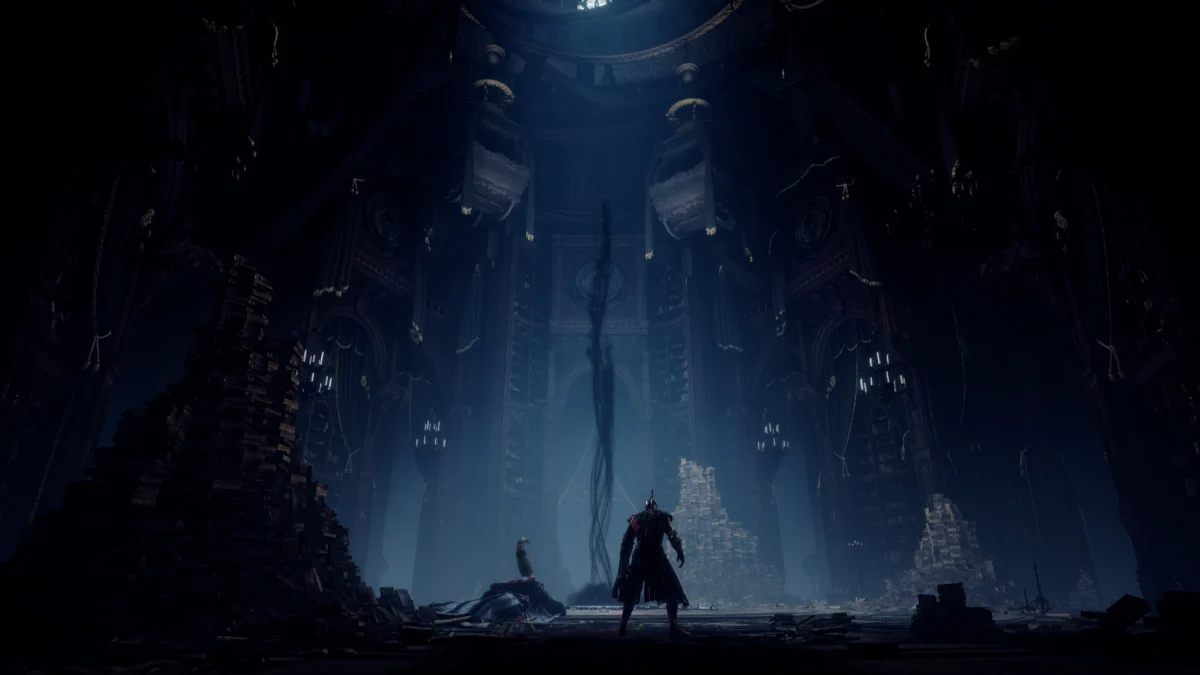
The arrival of Elden Ring: Tarnished Edition on the Nintendo Switch 2 marks a pivotal moment for both FromSoftware and Nintendo, representing the culmination of a four-year journey that began with the game’s original 2022 release. Since its debut, Elden Ring has solidified its status as a generational phenomenon, surpassing 30 million base game sales and moving approximately 10 million units of its massive expansion, Shadow of the Erdtree. This new Tarnished Edition brings the entirety of The Lands Between and the Land of Shadow to a portable format for the first time in a native capacity, offering a comprehensive package that includes all previously released content alongside new, platform-specific optimizations and a minor content update. While the transition to Nintendo’s latest hardware has been met with both anticipation and scrutiny following a series of development delays, the final product offers a complex look at the limits of high-end portable gaming in 2026.

Development Chronology and the Path to Portability
The journey to bring Elden Ring to a Nintendo platform has been characterized by technical hurdles and strategic timing. When Elden Ring first launched in February 2022, it was lauded for its art direction and world design but was noted for its high hardware requirements on PC and last-generation consoles. Following the massive success of the Shadow of the Erdtree expansion in mid-2024, rumors began to circulate regarding a "Pro" or "Next-Gen" handheld version of the title.
In early 2025, FromSoftware and Bandai Namco officially confirmed that a dedicated version of the game was in development for the Nintendo Switch 2. However, the road to release was not without incident. Originally slated for a launch earlier in the year, the title faced a "concerning delay" as developers grappled with performance stability in the game’s more asset-heavy regions, such as the Erdtree Capital and the dense forests of the Land of Shadow. Industry analysts suggested that the delay was necessary to implement sophisticated upscaling techniques required to maintain the game’s visual identity on mobile silicon. The resulting Tarnished Edition, released in September 2026, serves as the definitive handheld version of the 2022 Game of the Year.

Technical Analysis: Resolution, Performance, and Fidelity
The most critical aspect of the Tarnished Edition is how it navigates the hardware constraints of the Nintendo Switch 2. The technical profile of the port reveals a series of calculated compromises designed to preserve the game’s scale while acknowledging the limitations of portable power.
When docked, the game targets a 1080p output that is upscaled to 4K via the Switch 2’s proprietary reconstruction technology. While the 4K output provides a clean image on modern displays, the results are described as "inconsistent." In less demanding areas like Limgrave, the image remains sharp, but as players progress into complex environments like Liurnia of the Lakes or the verticality of the Shadow Realm, the image takes on a noticeably "fuzzier" quality. Handheld mode mirrors this experience, providing a native 1080p image that matches the console’s built-in screen.

Performance remains the primary point of contention. The Tarnished Edition utilizes an unlocked framerate that aims for a 30fps standard. Technical benchmarks indicate that while the game frequently hits this target, it is prone to semi-frequent decreases during intensive boss encounters or when traversing large vistas. This performance profile draws comparisons to FromSoftware’s previous work on the PlayStation 4, such as Bloodborne and Dark Souls 3, which were known for similar frame-pacing and stability issues. Notably, the Switch 2’s Variable Refresh Rate (VRR) screen is not currently utilized for a dedicated 40fps mode, an omission that has disappointed some technical enthusiasts looking for a smoother handheld experience.
The Tarnished Edition Content and Pricing Structure
Beyond the technical porting work, the Tarnished Edition introduces a small but notable content update available to all players across PC, PlayStation, and Xbox for a nominal fee of $4.99 (£3.99). This update includes:

- New Starting Classes: The "Idus Knight" and the "Heavy Knight" have been added to the roster. The Idus Knight is designed as a balanced entry point for new players, featuring a light greatsword and versatile stats. The Heavy Knight serves as a traditional "tank" archetype, providing high defensive capabilities from the start of the game.
- Cosmetic Additions: A handful of new armor sets and weaponry have been integrated into the world.
- Horse Armor: In a nod to long-standing RPG tropes, the update includes cosmetic armor for Torrent, the player’s spectral steed.
While these additions are considered "inessential" to the core experience, they provide a fresh incentive for returning players. On the Switch 2, these classes are particularly relevant, as the platform is expected to attract a significant number of first-time players who may find the game’s initial class selection daunting.
Controller Ergonomics and Input Fidelity
The transition to Nintendo hardware also necessitates a change in how players interact with the game’s notoriously difficult combat. The Tarnished Edition supports both the standard Joy-Con controllers and the Nintendo Switch 2 Pro Controller.

The Pro Controller is widely regarded as the superior method for play. The inclusion of remappable buttons and additional back paddles allows for a level of customization not found in the original console releases. Furthermore, the non-analog triggers on the Pro Controller have been cited as beneficial for executing heavy attacks with greater speed. However, players have noted an "odd" dead zone sensation on the Pro Controller sticks. While standard movement is functional, the precision required for slow walking or stealth—critical components of Elden Ring’s gameplay—feels slightly misaligned, leading to speculation that the game was tuned primarily for the shorter throw of the Joy-Con sticks.
In handheld mode, the Joy-Cons provide a "workable" experience, though the physical layout of the controllers can lead to discomfort during extended play sessions. The R3 button, used for locking onto targets, can feel awkward on the smaller Joy-Con sticks, particularly during high-stakes boss battles where "sweaty" palms and frantic inputs are common.

Environmental and Visual Fidelity
Despite the reduction in texture quality and the "softening" of edges, the art direction of Elden Ring remains its greatest asset on the Switch 2. The game’s ability to render grand scales—such as the first view of the Erdtree or the sprawling vistas of the Capital—remains intact.
However, certain environmental features have taken a hit. High-dynamic-range (HDR) implementation on the handheld screen has been reported as problematic in certain lighting conditions. Indoor environments, such as the catacombs and caves that dot the map, can appear excessively dark, making navigation difficult without constant manual adjustments to the brightness settings. While these issues do not break the game, they highlight the challenges of porting a title designed for high-end HDR monitors to a portable screen.

Market Impact and Broader Implications
The release of Elden Ring: Tarnished Edition is a significant milestone for Nintendo’s strategy with the Switch 2. By securing a native port of one of the most successful games of the decade, Nintendo has signaled that its new hardware is capable of hosting "mega-hit" third-party titles that were previously relegated to more powerful home consoles or specialized PC handhelds.
For the consumer, the Switch 2 version represents the most cost-effective way to play Elden Ring natively on the go. While PC handhelds like the Steam Deck or various Windows-based portables offer higher framerates, they often come at a much higher price point and suffer from similar battery life constraints. The Switch 2 version offers a standardized experience that, despite its 30fps target, provides a level of accessibility previously unavailable to the handheld market.

Industry observers suggest that the success of this port could pave the way for more ambitious FromSoftware projects on Nintendo hardware. If the Tarnished Edition maintains steady sales, it may encourage the developer to consider simultaneous releases for future titles on Nintendo platforms, further bridging the gap between high-end console gaming and portable accessibility.
Conclusion: A Tarnished but Essential Epic
Elden Ring: Tarnished Edition on the Nintendo Switch 2 is a testament to the enduring quality of FromSoftware’s design and the surprising capabilities of modern handheld hardware. It is a version defined by its sacrifices—lower resolutions, occasional framerate drops, and reduced texture detail—but it is also a version that preserves the "soul" of the experience.

For those who have already spent hundreds of hours in The Lands Between on other platforms, the draw of portability and the minor additions of the Tarnished Edition update may be enough to warrant a return. For Nintendo-only players, this represents the arrival of a modern masterpiece, delivered in a package that is "intact" if not entirely "optimal." It is a tarnished epic, but in the landscape of 2026 gaming, it remains an essential one.