


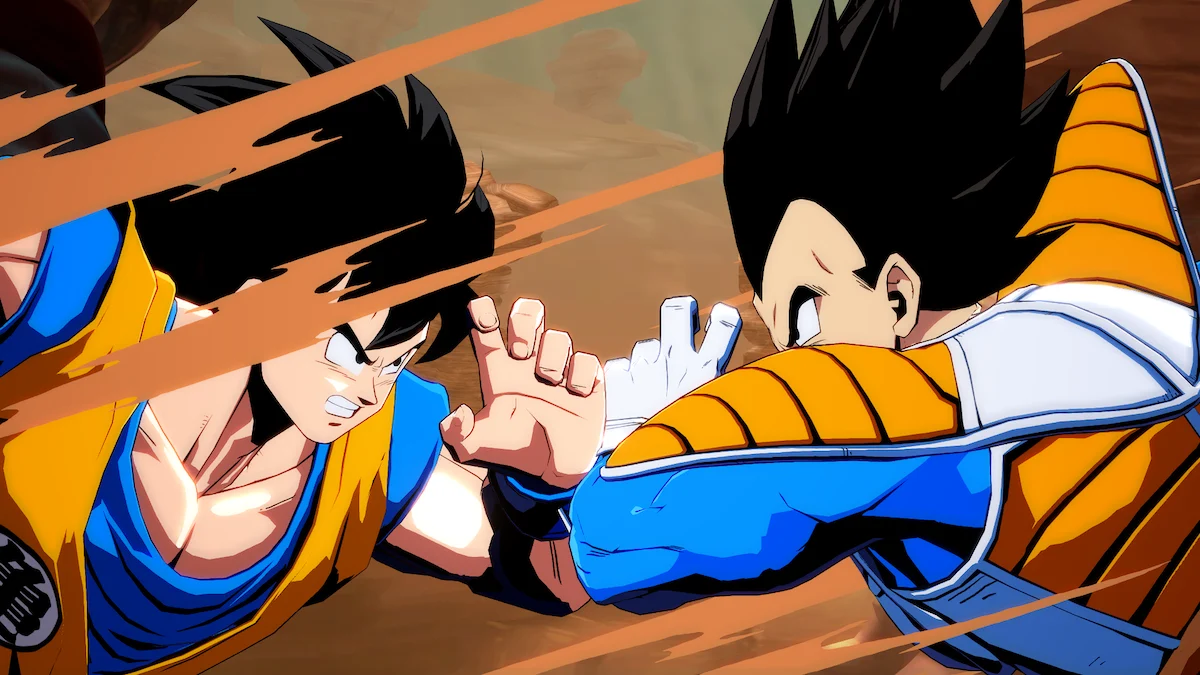
In an unexpected turn for the gaming community, players are reportedly acquiring the critically acclaimed fighting game Dragon Ball FighterZ for free through what appears to be an unintentional loophole tied to Microsoft’s Xbox Game Pass "Free Play Days" promotion. This development has sent ripples through the digital storefront landscape, prompting discussions about digital rights, platform security, and the intricacies of cross-generation game upgrades. The incident highlights the complex interplay between promotional strategies, game licensing, and technical implementations in the rapidly evolving video game industry.
The Unforeseen Acquisition: A Step-by-Step Breakdown
The mechanism exploited by gamers is deceptively simple, leveraging features intended for seamless player experience into an unexpected avenue for full game ownership. For active subscribers of Xbox Game Pass, the Xbox One version of Dragon Ball FighterZ was made available for download as part of Xbox’s limited-time "Free Play Days" event. These promotions typically grant temporary access to a full game for a few days, encouraging players to try titles they might later purchase.
However, once the Xbox One version of Dragon Ball FighterZ was launched, players encountered an in-game menu prompt. This prompt offered an option to "upgrade" to the Xbox Series X|S optimized version of the game. Crucially, selecting this upgrade option did not merely initiate a temporary next-gen trial; instead, it seemingly added both the Xbox One and Xbox Series X|S versions of Dragon Ball FighterZ directly to the player’s permanent owned games library. This effectively bypassed the traditional purchase requirement for indefinite access to the title, transforming a temporary free trial into a permanent acquisition.
This scenario raises immediate questions about the underlying digital rights management (DRM) and licensing systems at play. Microsoft’s "Smart Delivery" initiative, designed to ensure players automatically get the best version of a game for their console without extra cost, might be an inadvertent component in this loophole. The system is engineered to detect a player’s entitlement to a game across generations, and in this specific instance, the "Free Play Days" temporary entitlement to the Xbox One version may have been misinterpreted or over-extended by the upgrade prompt, granting full ownership.
A Pillar of the Fighting Game Community: Dragon Ball FighterZ’s Enduring Legacy
Dragon Ball FighterZ, developed by Arc System Works and published by Bandai Namco Entertainment, made its debut in January 2018. From its inception, the game was lauded for its stunning anime-accurate visuals, fluid 2.5D tag-team combat, and accessible yet deep gameplay mechanics. It quickly garnered widespread critical acclaim, with many reviewers praising its faithful adaptation of the beloved Dragon Ball universe and its ability to appeal to both hardcore fighting game enthusiasts and casual fans of the anime.
Commercially, the game was an immediate success. Within its first week, it sold over two million copies worldwide, a significant achievement for a fighting game. By early 2021, Dragon Ball FighterZ had reportedly surpassed eight million units sold across all platforms, establishing itself as one of the best-selling fighting games of the generation. Its success introduced countless new players to the intricate world of fighting games, serving as a gateway title due to its recognizable characters and relatively forgiving learning curve compared to some other genre entries.
Beyond sales, Dragon Ball FighterZ also carved out a prominent niche in the esports scene. It became a staple at major fighting game tournaments like EVO, attracting a dedicated competitive player base and fostering a vibrant community. The game’s enduring popularity led to continuous support from Arc System Works, including multiple seasons of downloadable content (DLC) characters and balance updates. Most recently, the game received a significant upgrade for Xbox Series X|S and PlayStation 5, introducing rollback netcode and improved graphical fidelity, further cementing its position as a premier fighting game title. This next-gen update, released on February 29, 2024, coincidentally aligned with the timing of the "Free Play Days" promotion, setting the stage for the current situation.
Xbox Game Pass and the Free Play Days Initiative: Contextualizing the Promotion
Xbox Game Pass has been a cornerstone of Microsoft’s gaming strategy since its launch in 2017. Positioned as a subscription service offering a rotating library of games for a monthly fee, it has been instrumental in expanding Xbox’s ecosystem and attracting a vast subscriber base, which surpassed 25 million by early 2022. The service is celebrated for its day-one access to first-party titles and a curated selection of third-party games, providing immense value to players.
"Free Play Days" is a regular promotional feature within the Xbox ecosystem, often available to Xbox Game Pass Ultimate and Xbox Live Gold subscribers. These events are designed to allow players to experience full games for a limited period, typically a few days over a weekend. The primary goal is to drive engagement, generate interest, and ultimately encourage players to purchase the full game if they enjoy their trial. This marketing strategy is a common practice across digital storefronts, aiming to convert temporary engagement into permanent sales. The inclusion of Dragon Ball FighterZ in the "Free Play Days" lineup, especially concurrent with its next-gen upgrade, was likely intended to re-engage existing fans and attract new ones to purchase the newly optimized version.
The Discovery: @Wario64’s Role and Initial Reactions
The discovery of this unexpected acquisition method is credited to Twitter user @Wario64, a widely followed account known for aggregating and advertising deals for video games. On March 1, 2024, @Wario64 posted about the workaround, immediately drawing significant attention from the gaming community. Such deal-hunting accounts play a crucial role in the digital economy, often being the first to identify pricing errors, unexpected discounts, or, in this case, a potential loophole.
The initial reaction to @Wario64’s post was a mixture of excitement, skepticism, and a rush to verify the claim. Many users in the comments section expressed disbelief, questioning the validity of the exploit. Some reported that the loophole did not work for them, while others quickly confirmed its efficacy, further fueling the discussion and encouraging more players to attempt the process. The rapid spread of this information across social media platforms like Twitter, Reddit, and various gaming forums underscored the community’s keen interest in acquiring popular titles at no cost. This collective verification process, characteristic of online gaming communities, quickly established the exploit as a genuine, albeit likely unintended, method of acquisition.
Chronology of Events
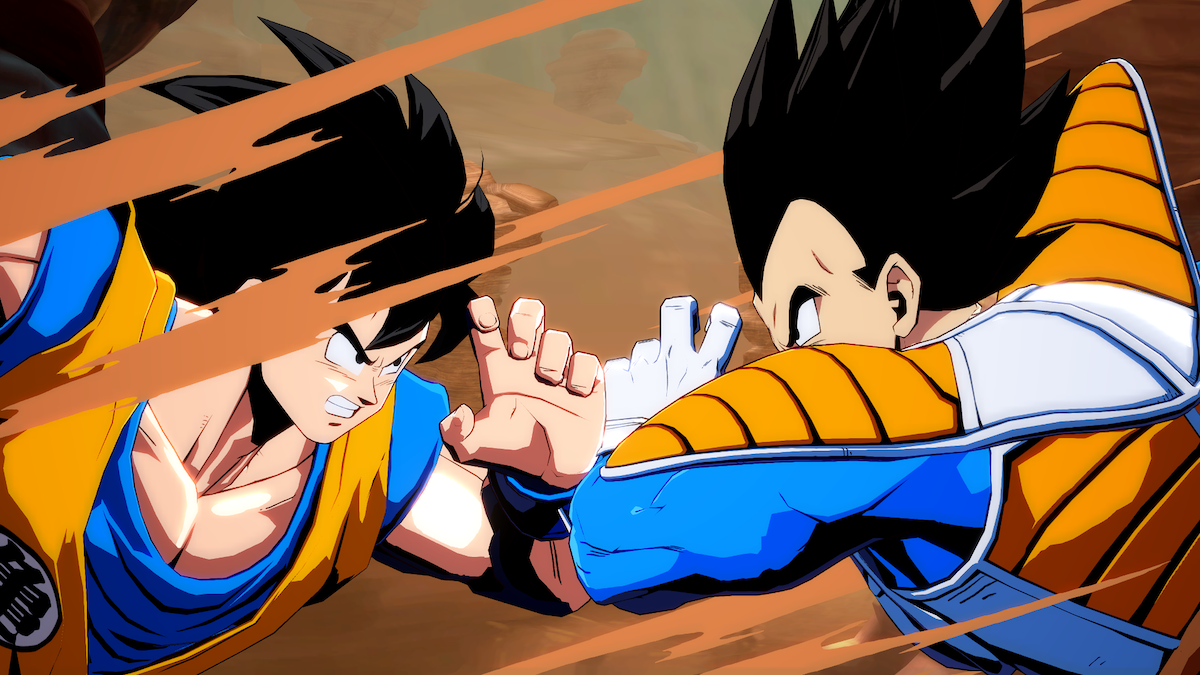
To provide a clearer picture of the situation, here’s a brief timeline:
- January 2018: Dragon Ball FighterZ is initially released for PlayStation 4, Xbox One, and PC, achieving critical and commercial success.
- February 29, 2024: Arc System Works officially releases the highly anticipated Xbox Series X|S and PlayStation 5 optimized versions of Dragon Ball FighterZ, featuring rollback netcode and enhanced visuals. On the same day, the game is included in Xbox Game Pass "Free Play Days" promotion for Xbox One users, typically running for a few days.
- March 1, 2024: Twitter user @Wario64 publicly identifies and shares the loophole, detailing how Xbox Game Pass subscribers can download the Xbox One version via "Free Play Days," then upgrade to the Series X|S version, resulting in permanent ownership of both.
- March 1-2, 2024: News of the loophole spreads rapidly across social media and gaming news outlets, leading to widespread attempts by players to acquire the game. Reports of success and occasional failures are shared.
- March 2, 2024, 11:59 PM PST: The official end time for the Dragon Ball FighterZ "Free Play Days" promotion. This deadline is critical, as it marks the point after which the initial entry point for the loophole may no longer be available.
The Silence from Redmond and Osaka: Lack of Official Statements
As of the latest reports, neither Microsoft, the platform holder, nor Arc System Works, the developer, nor Bandai Namco, the publisher, have issued any official statements acknowledging the existence of this loophole. This silence, while perhaps strategic, leaves players in a state of uncertainty regarding the future of their "free" copies.
There are several plausible reasons for this lack of immediate response. Firstly, the companies may still be actively investigating the technical nature and extent of the exploit. Understanding why the loophole occurred and how many players have utilized it is crucial before formulating a public response. Secondly, legal teams may be reviewing the implications, particularly concerning digital licensing agreements and potential revenue loss. Any statement made prematurely could have unforeseen legal or public relations consequences. Thirdly, given the "Free Play Days" promotion was set to conclude on March 2, 2024, at 11:59 pm PST, the entities involved might be waiting for the promotion to end before addressing the situation. This would prevent drawing further attention to the loophole while it is still active and potentially limit the number of new acquisitions via this method.
Internally, it is highly probable that discussions are ongoing at a high level within Microsoft, Arc System Works, and Bandai Namco. Microsoft’s internal teams would likely be focused on the integrity of their digital storefront and Game Pass system, while Arc System Works and Bandai Namco would be concerned about the potential impact on sales of their newly optimized title. It is not uncommon for companies to remain publicly silent during such investigations to avoid exacerbating the situation or to ensure they have a comprehensive solution before communicating with the public.
Navigating the Ethical Landscape: Player Perspective and Debate
The discovery of the loophole has ignited a robust debate within the gaming community regarding the ethics of exploiting such a glitch. On one side, many players argue that if a system allows for it, and the game is offered through official channels, then it’s fair game to acquire it. They often point to the fact that this is a system error, not a malicious hack, and players are simply taking advantage of an oversight by the platform or publishers. For many, the opportunity to obtain a full-priced game, especially one they might not otherwise purchase, is too appealing to pass up.
Conversely, others contend that knowingly exploiting a loophole, even if technically permissible by the system, is ethically questionable. They argue that it deprives the developers and publishers of potential revenue, especially for a game that has seen significant investment in its development and recent next-gen upgrade. This perspective often emphasizes supporting game creators through legitimate purchases to ensure the continued production of quality titles. The debate also touches upon the concept of "digital theft" versus simply "finding a good deal," a nuanced distinction in the age of digital ownership.
For players who successfully acquired the game, a lingering question remains: will access be revoked? The precedent for such situations varies. In some cases, companies have honored unintended acquisitions, while in others, they have retroactively removed games from players’ libraries, often citing terms of service violations. The uncertainty surrounding the outcome adds another layer of complexity to the ethical considerations.
Potential Ramifications: Financial, Platform, and Consumer Trust Analysis
The implications of this loophole extend beyond individual players and touch upon significant aspects of the gaming industry.
- Financial Impact: For Bandai Namco and Arc System Works, every "free" acquisition through this loophole represents a potentially lost sale. While the exact number of players who utilized the exploit is unknown, a widely successful and beloved game like Dragon Ball FighterZ could see substantial figures. This directly impacts revenue, especially for a newly released next-gen version that was likely expected to generate renewed sales interest. The financial hit, if significant, could influence future investment in game development and promotional strategies.
- Platform Integrity: For Microsoft, the incident raises questions about the robustness of their Xbox digital storefront and the integrity of their Game Pass promotional mechanics. A loophole that grants full game ownership during a temporary trial can undermine consumer trust in the consistency and fairness of the system. It also highlights potential vulnerabilities in the interaction between different promotional programs (Free Play Days) and core platform features (Smart Delivery, upgrade paths). Ensuring the security and reliability of their digital ecosystem is paramount for Microsoft, especially given the strategic importance of Game Pass.
- Consumer Trust and Expectations: The way Microsoft, Arc System Works, and Bandai Namco respond will have a lasting impact on consumer trust. If players who acquired the game for free have their licenses revoked, it could lead to frustration and a feeling of being unfairly treated, particularly if they invested time into playing the game. Conversely, if the acquisitions are honored, it might set a precedent, potentially encouraging players to actively seek out and exploit similar loopholes in the future. The communication (or lack thereof) will shape player perceptions of the companies’ fairness and competence.
Precedent and Future Promotions: What This Means Going Forward
This incident could serve as a critical learning experience for Microsoft and other platform holders. It is highly probable that internal reviews will be conducted to identify the exact point of failure and implement measures to prevent similar loopholes in future "Free Play Days" or other promotional events. This might involve:
- Rethinking Upgrade Paths: Stricter controls on how temporary access entitlements interact with permanent upgrade options, especially for cross-generation titles.
- Enhanced DRM Checks: Implementing more stringent checks to ensure that an "upgrade" truly requires a pre-existing permanent license rather than a temporary one.
- Clearer Communication: Potentially clearer disclaimers during "Free Play Days" that explicitly state temporary access does not confer ownership or upgrade rights.
The broader implication is that the increasing complexity of digital storefronts, subscription services, and cross-generation compatibility creates new vectors for unintended exploits. As technology evolves, so too must the vigilance and sophistication of the systems designed to manage digital rights and commerce.
The Looming Deadline: The End of Free Play Days and What Might Follow
With the Dragon Ball FighterZ Free Play Days access officially ending on March 2, 2024, at 11:59 pm PST, the window for exploiting this particular loophole has closed. However, the saga is far from over for those who managed to acquire the game. The coming days and weeks will be crucial as the industry awaits a potential response from the involved parties.
Will Microsoft issue a statement explaining the oversight and outlining a course of action? Will players wake up to find Dragon Ball FighterZ mysteriously absent from their libraries? Or will the companies decide to quietly honor the acquisitions, perhaps viewing it as an unexpected but ultimately harmless promotional boost for the game’s next-gen version? The definitive answers to these questions will not only resolve the immediate situation for thousands of players but will also offer valuable insights into the ongoing challenges of digital content management in the modern gaming landscape. Until then, the Dragon Ball FighterZ loophole remains a fascinating case study in the intersection of technology, commerce, and community within the video game world.