


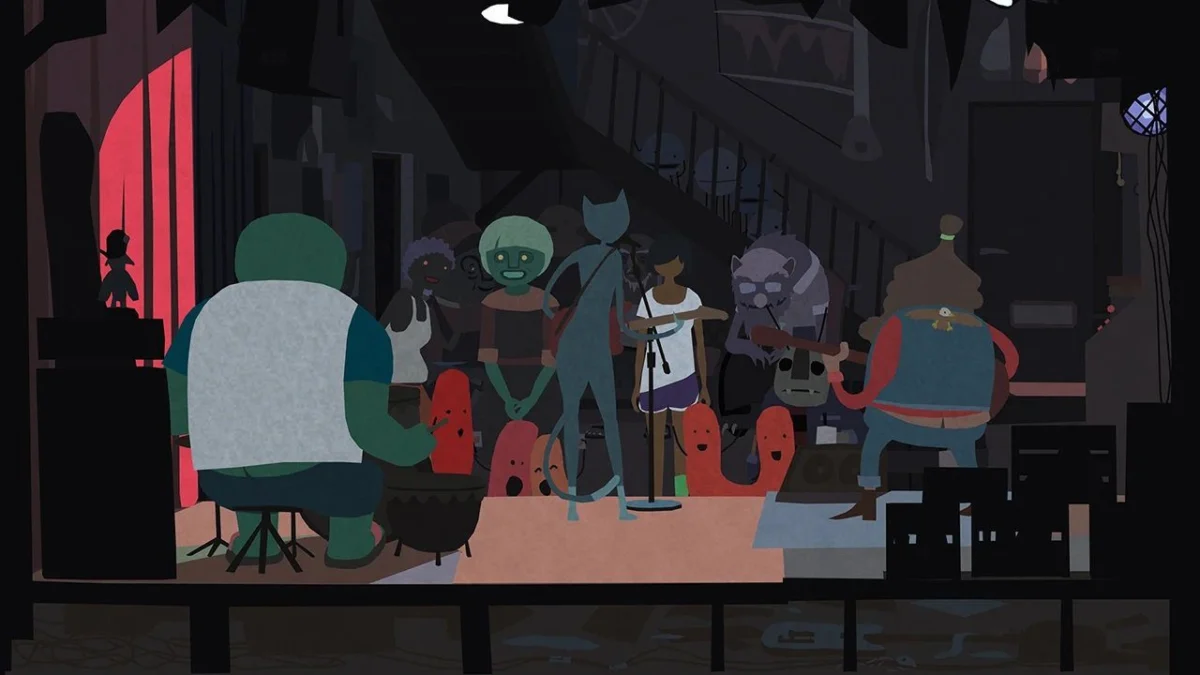
Danish independent game studio Die Gute Fabrik, widely recognized for its critically acclaimed and artistically distinctive titles such as Mutazione, has announced a significant and somber development: the halting of production on all current projects. This decision, communicated through official social media channels and a detailed statement, stems directly from what the studio describes as a "challenging funding and investment scene" within the contemporary video game industry. The move marks a stark reminder of the precarious financial realities faced by many independent developers, even those with a proven track record of producing high-quality, unique gaming experiences.
The announcement, made on February 26, 2024, revealed that the studio ceased active development on February 19, 2024. In a compassionate and proactive approach, Die Gute Fabrik utilized its remaining financial resources to provide its affected team members with a full month of paid time. This gesture aims to offer a crucial buffer as employees begin their search for new opportunities in a competitive job market. The studio has also taken the significant step of publicly sharing a hiring sheet for its talented team, a clear indication of their commitment to supporting their former colleagues during this transitional period. This move is not just an act of solidarity but also a strategic effort to leverage their network and the industry’s attention to facilitate new employment for their staff.
"We’re sad to share that we’re halting production at @gutefabrik due to the challenging funding & investment scene in games right now," the studio stated in a prominent tweet. "We downed tools earlier this month & have been doing our best to support the team who’ll be looking for work from mid-March." Accompanying this message was a link to a more comprehensive statement, further elaborating on the circumstances and the studio’s intentions.
The core of Die Gute Fabrik’s announcement underscores that this halt in production is not an outright closure but rather a strategic pause undertaken in response to the current economic climate. The studio expressed a strong desire and intention to resume development should new funding opportunities materialize. The public statement and the sharing of the hiring sheet are therefore dual-purpose: to inform the public and industry stakeholders about their situation, and critically, to amplify the visibility of their departing employees to potential hirers.
Background: The Evolving Landscape of Indie Game Funding
The decision by Die Gute Fabrik to halt production is emblematic of broader trends impacting the independent game development sector. In recent years, the industry has witnessed a significant influx of both ambitious developers and a surge in the number of games released. While this has led to a richer and more diverse gaming landscape, it has also intensified competition for player attention and, consequently, for publisher and investor funding.
The era of readily accessible venture capital and publisher advances for indie games has become increasingly challenging. Investors are often seeking more predictable returns, leaning towards established IPs, larger development teams, or games with clear marketability. This shift can leave smaller, innovative studios that prioritize artistic vision and unique gameplay mechanics vulnerable. Furthermore, the rising costs of development, marketing, and platform fees add further pressure.
Several factors contribute to this challenging environment:
- Market Saturation: The sheer volume of games released annually across digital storefronts like Steam, Nintendo eShop, PlayStation Store, and Xbox Games Store means that discovery is a major hurdle. Many promising titles struggle to gain traction amidst the noise.
- Shifting Publisher Priorities: Some larger publishers have become more risk-averse, focusing on their flagship titles or consolidating their investment portfolios. This can leave independent developers without traditional publishing partners struggling to secure funding.
- Economic Headwinds: Broader economic uncertainties and inflation can lead to reduced consumer spending on discretionary items, including video games, and make investors more cautious with their capital.
- Platform Dynamics: While digital storefronts offer unparalleled reach, they also come with platform fees and varying revenue share models, which can impact the profitability of smaller titles.
In this context, Die Gute Fabrik’s experience is not isolated. Numerous independent studios have faced similar funding challenges, leading to scaled-down projects, layoffs, or even studio closures. The studio’s transparent approach, however, aims to mitigate the impact on its team, a testament to their ethical considerations.
Chronology of the Announcement
The events leading to Die Gute Fabrik’s announcement can be traced through their recent communications:
- February 19, 2024: Die Gute Fabrik officially downed tools, ceasing active production on its ongoing projects. This date marks the beginning of the transition period for the studio and its employees.
- February 26, 2024: The studio released its official statement and accompanying tweets detailing the halt in production and its reasons. This public announcement served to inform the wider industry and player base.
- Mid-March 2024: The paid period provided by the studio to its team members is set to conclude, at which point employees will be actively seeking new employment opportunities.
The studio’s proactive communication strategy, including the immediate sharing of a hiring sheet, suggests a well-planned response to an unfortunate but foreseeable challenge. This approach aims to maximize the chances of their talented individuals finding new roles swiftly.
Die Gute Fabrik’s Legacy: A Commitment to Uniqueness
Die Gute Fabrik, a name that translates to "The Good Factory," has consistently lived up to its moniker by producing games that are not only well-crafted but also possess a distinct artistic vision and emotional depth. Their most celebrated title, Mutazione, released in 2019, garnered widespread critical acclaim for its unique blend of narrative, exploration, and engaging gameplay mechanics, all wrapped in a visually stunning, hand-drawn art style.
Mutazione tells the story of Kai, a teenage girl who travels to the titular mutant community to care for her ailing grandfather. The game is celebrated for its nuanced portrayal of community, healing, and interpersonal relationships, set against a backdrop of quirky characters and a beautifully rendered alien landscape. Its success was underscored by numerous awards and nominations, solidifying Die Gute Fabrik’s reputation as a studio capable of creating deeply resonant and memorable experiences. The game’s availability across a wide range of platforms, including PlayStation 4, Nintendo Switch, PC, iOS, Xbox One, Xbox Series X|S, and macOS, further attests to its broad appeal and the studio’s commitment to accessibility.
More recently, the studio released Saltsea Chronicles, a narrative-driven adventure game that continues their tradition of unique storytelling and distinctive art direction. While also receiving positive reception, it is the enduring legacy of Mutazione that often comes to mind when discussing Die Gute Fabrik’s impact on the indie scene. The studio’s commitment to exploring mature themes with a gentle touch and a focus on character development has resonated with a dedicated fanbase.
The Impact of the Halt: Immediate and Broader Implications
The immediate implication of Die Gute Fabrik’s decision is the professional uncertainty faced by its talented development team. The studio’s statement and the shared hiring sheet highlight their commitment to mitigating this impact by actively assisting their employees in finding new positions. This includes individuals who were working on both Saltsea Chronicles and an unannounced prototype, suggesting that multiple projects have been affected.
Beyond the direct impact on the studio and its staff, Die Gute Fabrik’s announcement serves as another data point in the ongoing conversation about the sustainability of independent game development. It reinforces the narrative that even studios with a strong creative identity and critical success can be vulnerable to the vagaries of the funding market.
Analysis of Industry Trends and Potential Future Scenarios
The situation faced by Die Gute Fabrik is indicative of a broader consolidation and increased risk aversion within the games industry’s investment sector. Venture capital firms and publishers are increasingly looking for clear pathways to profitability and may be less inclined to invest in niche or experimental titles, even if they have artistic merit. This can create a difficult environment for studios that prioritize innovation and unique player experiences over chasing mainstream trends.
Several potential future scenarios could arise from this trend:
- Increased Focus on Self-Publishing and Direct-to-Fan Models: More independent developers may opt for self-publishing models, leveraging platforms like Steam’s Early Access or crowdfunding sites like Kickstarter to fund their projects directly from their audience. This requires significant marketing acumen and community engagement.
- Strategic Partnerships and Acquisitions: Larger entities, including publishers or even tech companies diversifying into gaming, might acquire smaller studios with proven talent and a strong IP portfolio, albeit potentially at a lower valuation than in previous years.
- Genre Specialization and Niche Markets: Studios might find more success by hyper-focusing on specific, underserved genres or niche markets where they can build a dedicated community and establish a more predictable revenue stream.
- Government and Arts Funding: As seen in other creative industries, there might be a growing reliance on government grants or arts council funding for game development projects that are deemed culturally significant or innovative, though this is less prevalent in many regions compared to traditional media.
Die Gute Fabrik’s hope to resume production hinges on securing new funding. This could come from traditional publishers, venture capital, or potentially alternative funding models. The success of their current team in finding new roles will also be a crucial indicator of the talent pool available and the industry’s capacity to absorb skilled developers.
Support from the Community and the Importance of Purchasing Games
In their concluding remarks, Die Gute Fabrik emphasized that both Mutazione and Saltsea Chronicles remain available for purchase. They explicitly stated that buying their games is the most direct and effective way for their community and supporters to continue backing the team. This call to action highlights the vital role that player support plays in the survival and potential resurgence of independent game studios. By purchasing these titles, players not only gain access to critically acclaimed games but also contribute directly to the studio’s financial stability, potentially aiding their efforts to re-establish development.
The continued availability and promotion of their existing catalog are crucial for Die Gute Fabrik. It allows them to maintain a revenue stream while they navigate the complexities of securing future investment. The games themselves stand as testaments to the studio’s creative prowess and the talent of its team, serving as powerful advocates for their continued existence and future endeavors. The industry, and its passionate player base, will undoubtedly be watching with hope that Die Gute Fabrik can weather this challenging period and return to creating the unique and beloved games they are known for.