


The Capcom Spotlight at Tokyo Game Show 2026 has concluded, offering a comprehensive look at the Japanese publisher’s software lineup for the remainder of the 2026 fiscal year and looking ahead into 2027. This digital showcase, broadcast globally via YouTube, served as a strategic platform for Capcom to reinforce its commitment to the Xbox ecosystem, detailing major expansions, long-awaited sequels, and updates to its live-service fighting game roster. The presentation focused heavily on high-fidelity titles utilizing the latest iterations of the RE Engine, signaling a shift toward more ambitious open-world environments and enhanced "Master Rank" content for its flagship franchises. By positioning these reveals at the start of Tokyo Game Show, Capcom has set the tone for the industry’s fourth-quarter projections, highlighting a diverse portfolio that balances legacy intellectual properties with experimental new ventures.
The Evolution of Monster Hunter Wilds: Ascendance and the Master Rank Tradition
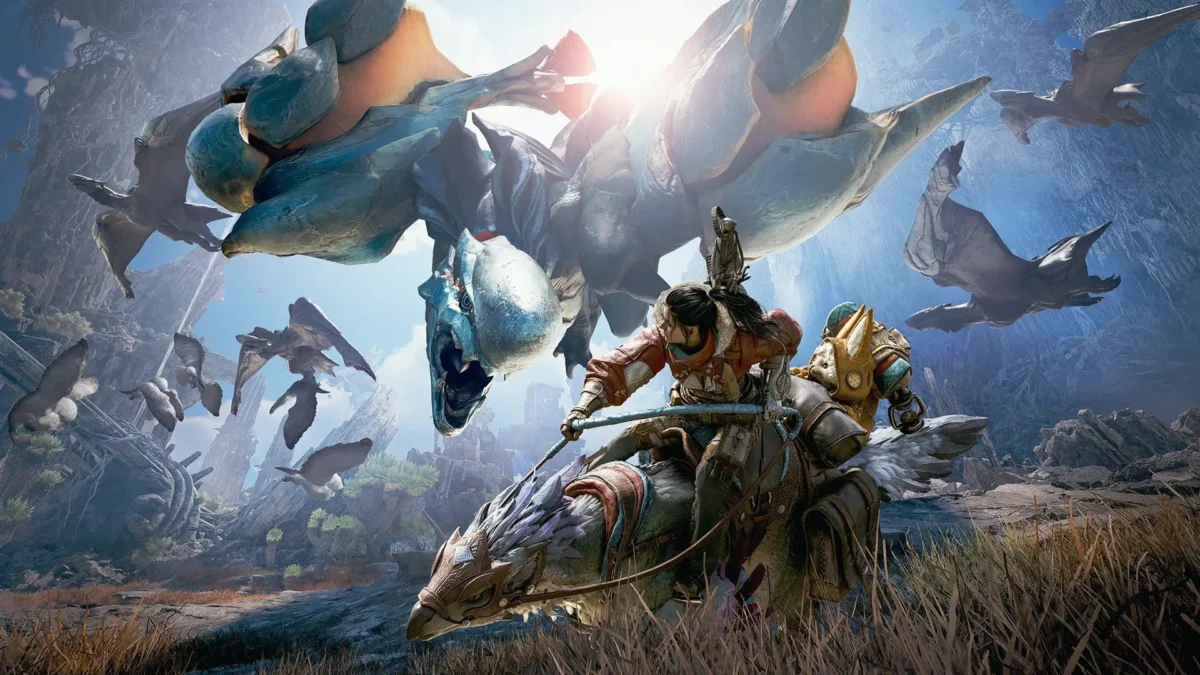
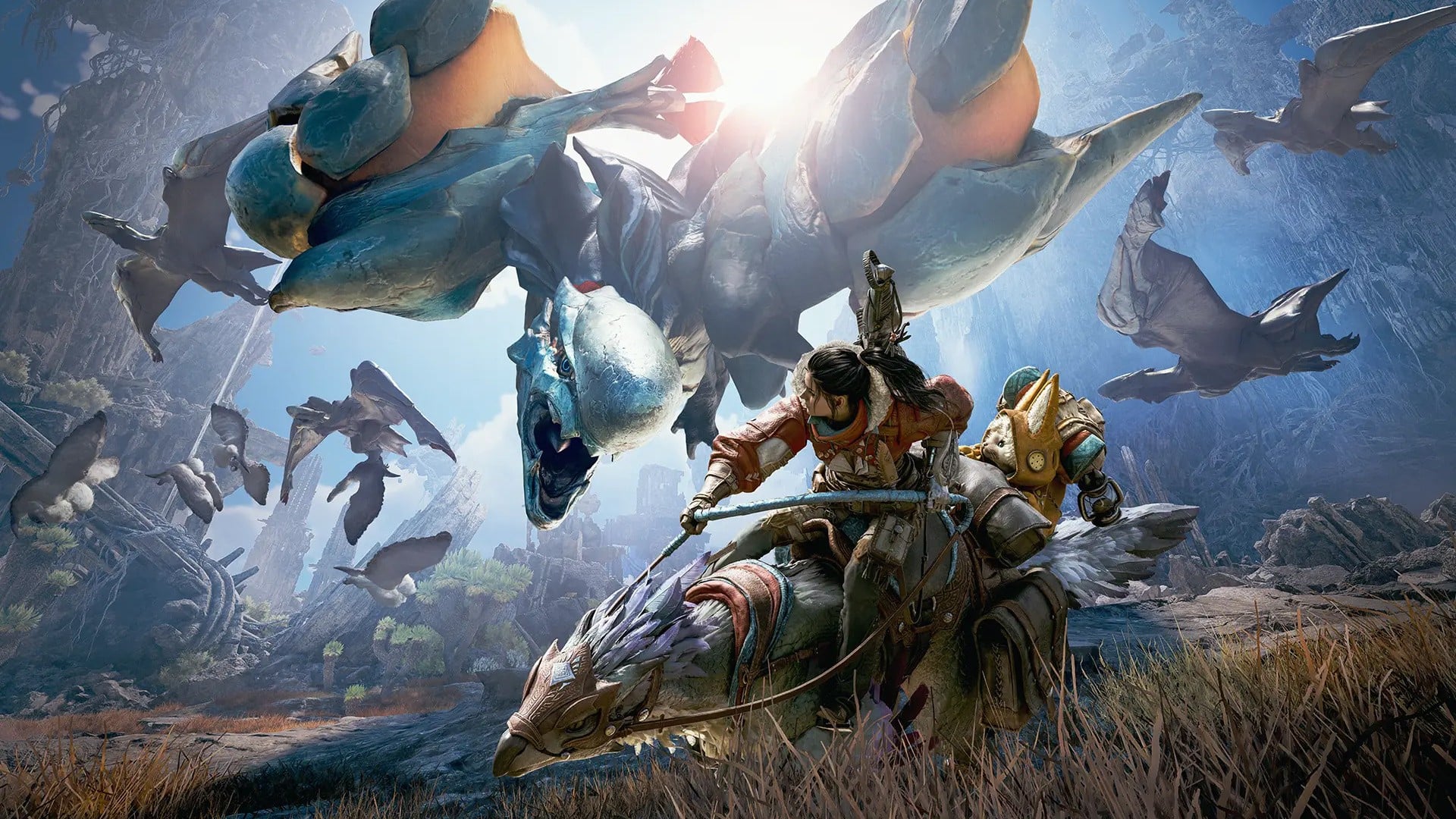
The centerpiece of the showcase was the deep dive into Monster Hunter Wilds: Ascendance, scheduled for a 2027 release. As the definitive expansion to the critically acclaimed Monster Hunter Wilds, Ascendance follows the established Capcom business model seen in previous iterations such as Monster Hunter World: Iceborne and Monster Hunter Rise: Sunbreak. These expansions are historically significant for the company’s financial performance; for instance, Iceborne sold over 10 million units within two years of its launch, effectively doubling the lifecycle of the base game.
Ascendance is set to introduce "Master Rank" quests, a staple of the series that provides a significantly higher difficulty tier for veteran players. This rank typically includes overhauled AI for existing monsters, granting them new move sets and increased aggression, alongside the introduction of entirely new "Apex" or "Elder Dragon" level threats. The narrative in Ascendance continues directly from the conclusion of Monster Hunter Wilds, venturing into new, ecologically diverse zones that were previously inaccessible. Capcom emphasized that these new regions would utilize the advanced processing power of the Xbox Series X to simulate complex weather patterns and herd behaviors on a scale not yet seen in the series. The introduction of new "Hunter Actions" also suggests a refinement of the "Focus Mode" mechanics introduced in the base game, allowing for more precise interaction with the environment and the monsters themselves.
Dragon’s Dogma II: Dark Arisen and the Expansion of the Arisen’s Journey
Capcom officially announced the "Dark Arisen" expansion for Dragon’s Dogma II, set to launch on October 9, 2026. This announcement carries significant weight for the fanbase, as the original Dragon’s Dogma: Dark Arisen was credited with transforming a cult classic into a mainstream success by addressing player feedback and adding a massive end-game dungeon. The 2026 iteration of Dark Arisen appears to follow a similar trajectory, introducing a new, long-abandoned region known as Norgan.
The trailer showcased a darker, more atmospheric setting than the lush forests of Vermund or the arid canyons of Battahl. Players will join forces with a new central NPC named Eir, an enigmatic figure tasked with uncovering the secrets of the "Fallen Dragon." A key gameplay feature highlighted was the ability to unearth and "appraise" forgotten relics. This mechanic suggests a deeper loot system, potentially offering randomized attributes or unique skill modifiers for weapons and armor. By introducing these elements, Capcom is likely aiming to increase the replayability of Dragon’s Dogma II, providing a robust end-game loop that caters to the "hardcore" RPG audience. The October release date positions the expansion as a major holiday title for Xbox, filling a critical gap in the RPG genre for the 2026 season.
The Resurrection of a Legacy: Mega Man: Dual Override
In a move that surprised many industry analysts, Capcom provided a gameplay deep dive for Mega Man: Dual Override, the first major entry in the classic series since 2018’s Mega Man 11. Scheduled for a Spring 2027 release, Dual Override represents a significant modernization of the "Blue Bomber’s" traditional 2D platforming roots. The "Dual Override" subtitle refers to a new gameplay mechanic where Mega Man can seemingly bypass standard environmental hazards or robot defenses by utilizing a high-speed "springboarding" maneuver.
The showcase emphasized "futuristic frontiers," showcasing level designs that move away from the traditional industrial themes of past entries in favor of more abstract, neon-soaked lunar and orbital environments. For Capcom, the Mega Man franchise remains a vital piece of its brand identity, despite longer development cycles between entries. Industry experts suggest that the success of the Mega Man Battle Network Legacy Collection and the Mega Man X Legacy Collections has proven there is a sustained market for the character. By targeting a 2027 launch, Capcom is giving the development team ample time to ensure the "Classic" series makes a meaningful jump in quality, potentially utilizing 2.5D graphics that leverage modern lighting and particle effects.
Street Fighter 6 and the Sustainable Live-Service Model
Street Fighter 6 continues to be a cornerstone of Capcom’s "Single IP, Multiple Use" strategy, with the announcement of the Arjun DLC and a new outfit for the fan-favorite character C. Viper. Arjun, an aggressive fighter whose style is inspired by traditional Indian wrestling and "powerful breathing techniques," is set to join the roster on October 13, 2026. This addition reflects Capcom’s ongoing effort to diversify its character lineup and appeal to a global audience.
The inclusion of "Outfit 4" for C. Viper serves as both a nod to the Street Fighter IV era and a monetization strategy that has proven highly effective for the title. Since its launch, Street Fighter 6 has maintained a high concurrent player count on Xbox through a steady stream of "World Tour" updates, Battle Passes, and cosmetic DLC. The "Arjun" reveal indicates that Capcom is committed to a multi-year roadmap for the game, ensuring it remains a fixture in the competitive fighting game circuit (Capcom Pro Tour) through at least 2027.
Pragmata and the Long-Term Development Cycle
Pragmata, a title that has become synonymous with Capcom’s next-generation ambitions and subsequent delays, made a brief appearance with a trailer for a free Mega Man-themed skin for the protagonist, Hugh. While a firm release date for the game remains elusive, the appearance of new assets—even in the form of a cosmetic crossover—indicates that development is ongoing. The trailer reaffirmed the game’s core premise: Hugh and the young android Diana navigating a lunar facility overrun by rogue AI.
The decision to include a Mega Man skin as a "pre-order" or "early adopter" bonus (set for September 17) suggests that Capcom is beginning to ramp up its marketing efforts for the title. Pragmata is a rare example of a new IP from Capcom that does not belong to an established franchise, making its success critical for the company’s ability to innovate outside of the Resident Evil and Monster Hunter ecosystems.

Chronology of Upcoming Capcom Releases and Major Milestones
To provide a clearer picture of Capcom’s trajectory, the following timeline outlines the key dates and windows confirmed during the TGS 2026 Spotlight:
- September 17, 2026: Pragmata – Mega Man Skin Trailer/Asset Update.
- October 9, 2026: Dragon’s Dogma II: Dark Arisen – Global Launch on Xbox Series X/S.
- October 13, 2026: Street Fighter 6 – Arjun DLC & C. Viper Outfit 4 Release.
- Spring 2027: Mega Man: Dual Override – Expected Launch Window.
- 2027 (Unspecified): Monster Hunter Wilds: Ascendance – Global Launch.
Strategic Analysis and Market Impact
Capcom’s presentation at TGS 2026 demonstrates a clear focus on "premium" content and the expansion of existing successful platforms. By leaning into the "Dark Arisen" and "Ascendance" subtitles, the company is leveraging established branding to signal high-value, massive-scale updates. This strategy minimizes the risk associated with entirely new sequels while maximizing the revenue potential of its current installed user base.
Financially, Capcom has reported record-breaking profits for several consecutive years, driven largely by digital sales and a robust back-catalog. The announcements made at this spotlight are designed to sustain this momentum into the late 2020s. For Xbox players, the continued support for the Series X/S platforms—particularly with technical showcases like Monster Hunter Wilds—highlights the importance of the North American and European markets to Capcom’s bottom line.
Furthermore, the revival of Mega Man and the continued (albeit slow) progress of Pragmata suggest a balanced approach to development. While the "Big Three" (Resident Evil, Monster Hunter, Street Fighter) provide the financial stability, the investment in smaller or newer titles ensures the company’s portfolio remains fresh. The TGS 2026 Spotlight has effectively confirmed that Capcom is not merely reacting to market trends but is actively shaping the landscape of high-end action and RPG gaming for the foreseeable future. As these dates approach, the industry will be watching closely to see if these ambitious projects can meet the high expectations set by their predecessors.