


A Comprehensive Anthology of the Reflector Saga
The Blue Reflection Quartet is designed as a centralized hub for the franchise’s diverse entries, which include traditional console RPGs, a mobile-to-console adaptation, and a narrative bridge to the series’ animated counterpart. The collection includes the original Blue Reflection (2017), its critically acclaimed sequel Blue Reflection: Second Light (2021), a console-optimized version of the mobile title Blue Reflection Sun, and Blue Reflection Ray, a specialized adventure-style recap of the 24-episode anime series.
The inclusion of Blue Reflection Sun is particularly noteworthy for Western audiences, as the original mobile version saw limited availability outside of Japan. By adapting this entry for consoles and PC, Gust has effectively preserved a significant portion of the series’ lore that was previously inaccessible to a large segment of the player base. Similarly, the Ray recap provides a necessary narrative link, ensuring that players can follow the overarching plot without requiring external media.

The Evolution of Gust and the "AA" JRPG Market
To understand the significance of the Blue Reflection Quartet, one must examine the historical context of its developer, Gust. Long recognized for the prolific Atelier series, Gust occupied a specific tier of the Japanese development industry often referred to as the "AA" market. During the transition from the PlayStation 3 to the PlayStation 4 era, many Japanese studios faced escalating development costs and the technical challenges of high-definition 3D modeling.
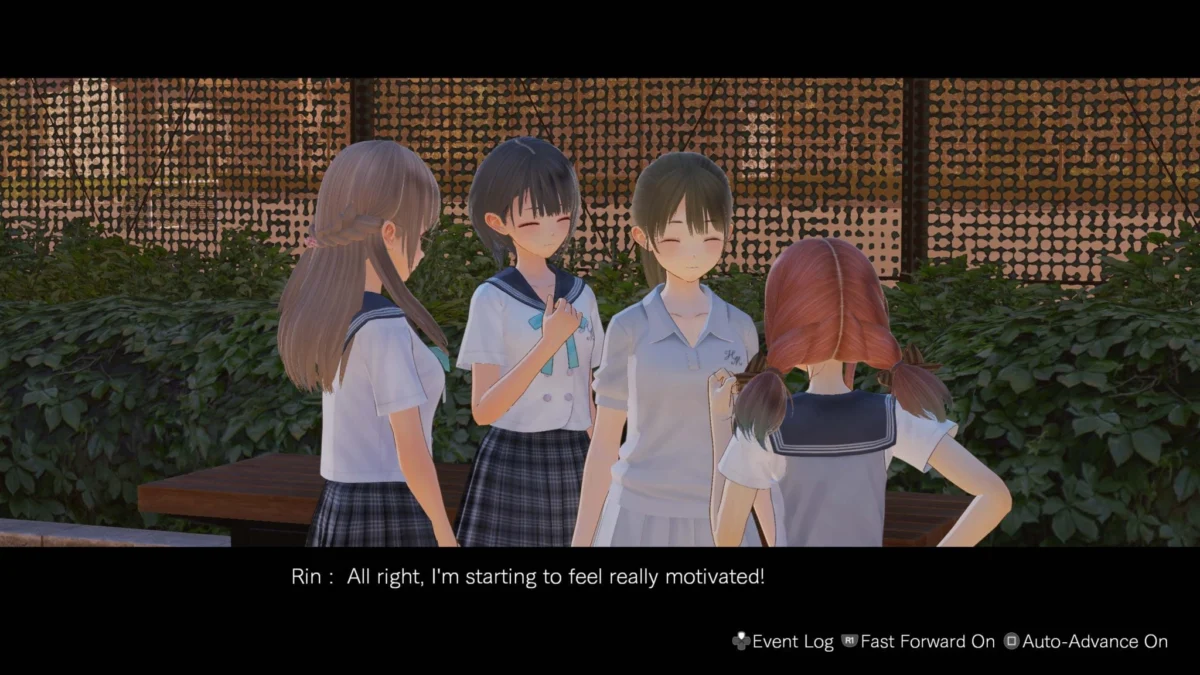
While many contemporary studios struggled or consolidated, Gust maintained a steady output by focusing on stylized aesthetics and specialized sub-genres. Blue Reflection was a product of this era—a "magical girl" RPG that prioritized atmosphere and character introspection over the massive budgets seen in "AAA" Western titles. Although the original game utilized simplistic environments and modest technical frameworks, it established a distinct visual identity characterized by doll-like character models and "serene" art direction, which has been refined and polished for this new collection.
Narrative Themes and Character Development
The core of the Blue Reflection series centers on the concept of "Reflectors"—young women who gain magical abilities by tapping into the power of human emotions. The narrative journey begins with Hinako Shirai, a prodigious ballet dancer whose career was cut short by a tragic leg injury. Her return to Hoshinomiya Girls’ High School serves as the catalyst for a story that blends traditional high school "slice-of-life" drama with high-stakes supernatural combat.

Unlike many genre contemporaries that focus on external world-building, the Blue Reflection titles are deeply internal. Players navigate "The Commons," a physical manifestation of the collective human unconscious. In this realm, the protagonists battle manifestations of negative emotions to prevent the world’s psychological collapse. This thematic focus allows for a unique gameplay loop where social interactions in the real world directly impact combat capabilities in the supernatural world. The "Date" system and bond-building mechanics are not merely secondary features but are essential to the progression of the "Fragments"—emotional shards that empower the characters’ skills.
Gameplay Mechanics and Combat Systems
The Blue Reflection Quartet maintains the series’ signature turn-based combat, which emphasizes timeline management and tactical positioning. A character’s speed determines their placement on the battle timeline, and players can utilize specific skills to "knock back" enemies, effectively delaying their turns. This system rewards players who can efficiently juggle cooldowns and mana points to maintain momentum.
In Second Light and the adapted Sun titles, these mechanics see further refinement. The sequel introduced more complex crafting systems and base-building elements, allowing players to customize their school environment to provide passive buffs during combat. The Quartet collection also introduces several quality-of-life (QoL) improvements designed to modernize the experience for 2026 standards:

- Increased Movement Speed: A frequent criticism of the original titles was the slow walking pace of the protagonists. The collection adds a dedicated "jog" function to expedite exploration.
- Streamlined UI: A unified settings system allows players to manage graphical and control preferences across all four titles from a single menu.
- Dialogue Fast-Forward: Enhanced text-skipping and autoplay features allow for a more customizable reading experience during the visual novel-style story segments.
- Modern Saving Features: While mid-dungeon saving remains restricted in certain segments to maintain challenge, the auto-save frequency has been adjusted to prevent progress loss.
Technical Performance and Platform Specifications
The transition to PC, PlayStation 5, and Nintendo Switch brings significant technical upgrades to the series. On PC, the collection supports 4K resolutions and frame rates of up to 60 FPS. Benchmarking data indicates that mid-range modern hardware, such as the Intel Arc B580, can maintain stable performance even at maximum settings.
For the portable and Linux gaming communities, the collection has been confirmed to run via Proton (version 11.0 and later) with full compatibility. This ensures that devices like the Steam Deck and various Bazzite-based systems can run the titles without the graphical artifacts or "ghosting" that occasionally plagued the original PlayStation 4 releases when played via backward compatibility.
On the PlayStation 5, the games leverage the console’s SSD for near-instant load times between the school environments and "The Commons." The Nintendo Switch version, while running at a lower native resolution, has been optimized to maintain a steady 30 FPS, ensuring that the series’ signature art style remains legible on the handheld’s screen.

Market Positioning and Broader Implications
The release of the Blue Reflection Quartet on July 30 represents a strategic move by Koei Tecmo to capitalize on the growing global interest in niche JRPGs. Following the massive success of the Atelier Ryza trilogy, which brought Gust into the mainstream spotlight, the publisher is looking to revitalize its other intellectual properties.
By bundling the entire series into a single package, Koei Tecmo is addressing the "fragmentation" issue that often affects long-running Japanese franchises. Prospective players no longer need to hunt down legacy hardware or navigate different digital storefronts to experience the full story. This "all-in-one" approach has proven successful for other franchises, such as the Pixel Remaster series or various Tales of collections, suggesting a robust market for curated JRPG anthologies.
Chronology of the Blue Reflection Universe
To assist players in navigating the collection, Koei Tecmo has provided an official chronological breakdown of the series’ timeline:

- Blue Reflection (Original): The introduction of Hinako Shirai and the initial emergence of the Reflectors.
- Blue Reflection Ray (Recap): Provides the necessary context for the events occurring concurrently with the first game and leading into the sequel.
- Blue Reflection Sun: Follows a separate squad of world-savers, expanding the lore of the "Ash" phenomenon.
- Blue Reflection: Second Light: The culminating entry that ties the various narrative threads together in a mysterious "Academy" floating in a void.
Conclusion and Future Outlook
The Blue Reflection Quartet stands as a testament to the endurance of specialized, character-driven storytelling in an industry often dominated by massive open-world epics. While the combat and environmental design may retain the "AA" simplicity of their era, the series’ focus on emotional resonance, psychological growth, and aesthetic serenity offers a distinct alternative to more aggressive RPG offerings.
As the July 30 release date approaches, industry analysts expect the collection to perform well among the "cozy gaming" demographic and JRPG enthusiasts alike. Its successful launch could potentially signal the future of the franchise, hinting at a possible new entry developed specifically for current-gen hardware. For now, the Quartet serves as a comprehensive bridge between the series’ past and its potential future, ensuring that the story of the Reflectors remains preserved for a new generation of players.