


Blizzard Entertainment has emerged as the premier revenue generator within Microsoft’s gaming division, securing its position as the top-performing entity in the Xbox studios portfolio for the 2026 fiscal year. This milestone, revealed through leaked internal communications from Blizzard President Johanna Faries, underscores a significant shift in the internal hierarchy of Microsoft’s gaming empire following its historic $68.7 billion acquisition of Activision Blizzard. Despite a broader period of volatility for the Xbox brand, characterized by significant restructuring and shifting market dynamics, Blizzard’s legacy franchises have demonstrated a resilient capacity for growth, propelled by the sustained commercial success of Diablo IV and the revitalized engagement metrics of Overwatch 2.
In an internal memorandum addressed to staff, Faries lauded the team for delivering the third-highest fiscal year for top-line revenue in the company’s nearly 35-year history. This achievement marks a pivotal moment for the Irvine-based developer, which has navigated a complex transition from an independent powerhouse to a subsidiary of Microsoft. The internal data suggests that Blizzard’s current momentum is not merely a byproduct of its acquisition but a result of a refined live-service strategy that has stabilized its financial output after years of fluctuating performance.
The Catalysts of Growth: Diablo IV and Overwatch
The primary drivers of this fiscal dominance are two of the industry’s most recognizable intellectual properties. According to Faries, the "Vessel of Hatred" expansion for Diablo IV and the ongoing seasonal updates for Overwatch 2 were the cornerstones of this performance. Diablo IV, which launched to critical acclaim and record-breaking sales in 2023, has maintained its relevance through a consistent cadence of seasonal content and substantial expansions. The "Vessel of Hatred" release, in particular, provided a significant boost to the studio’s bottom line, drawing back lapsed players and capitalizing on a robust microtransaction ecosystem.
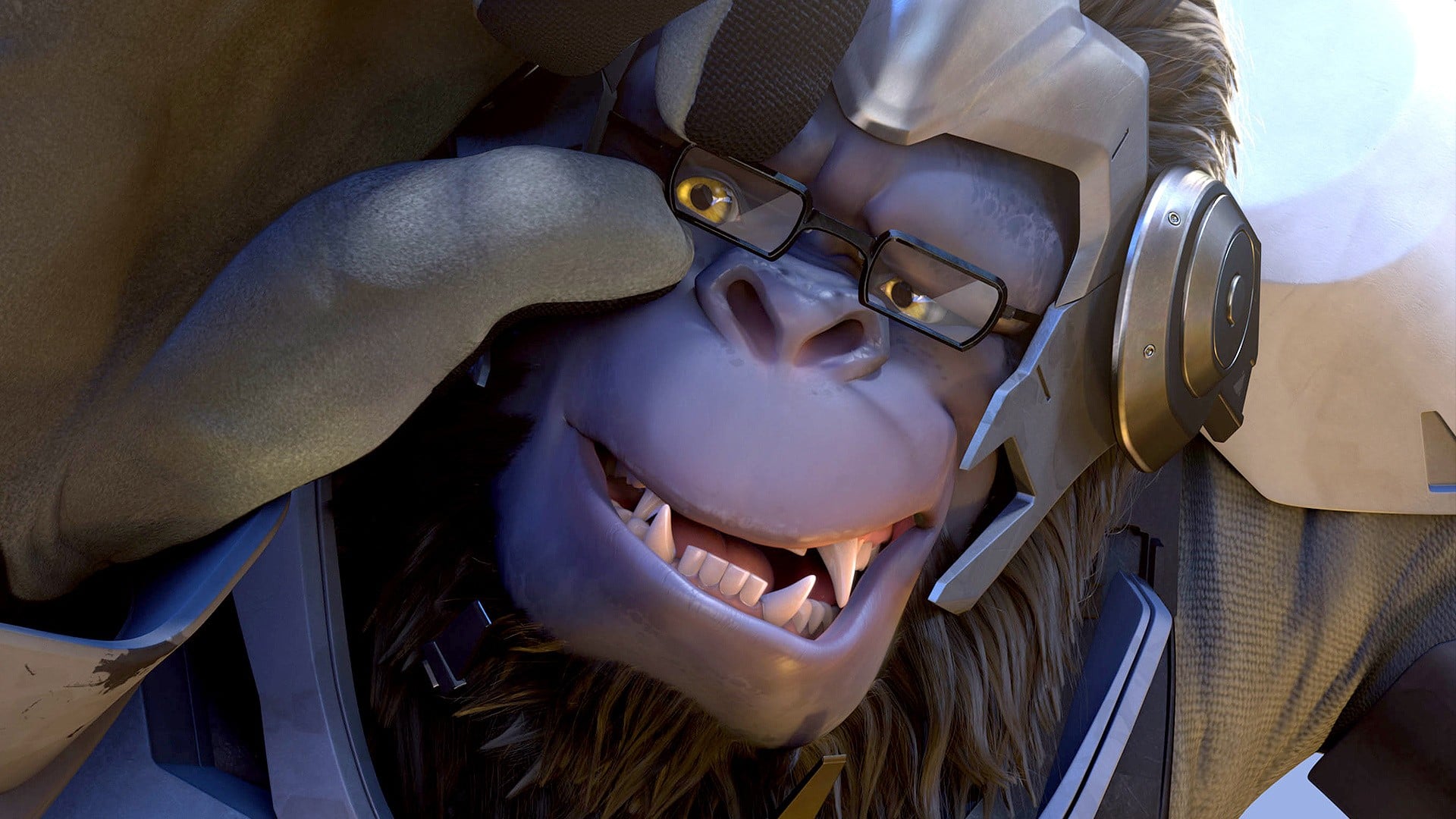
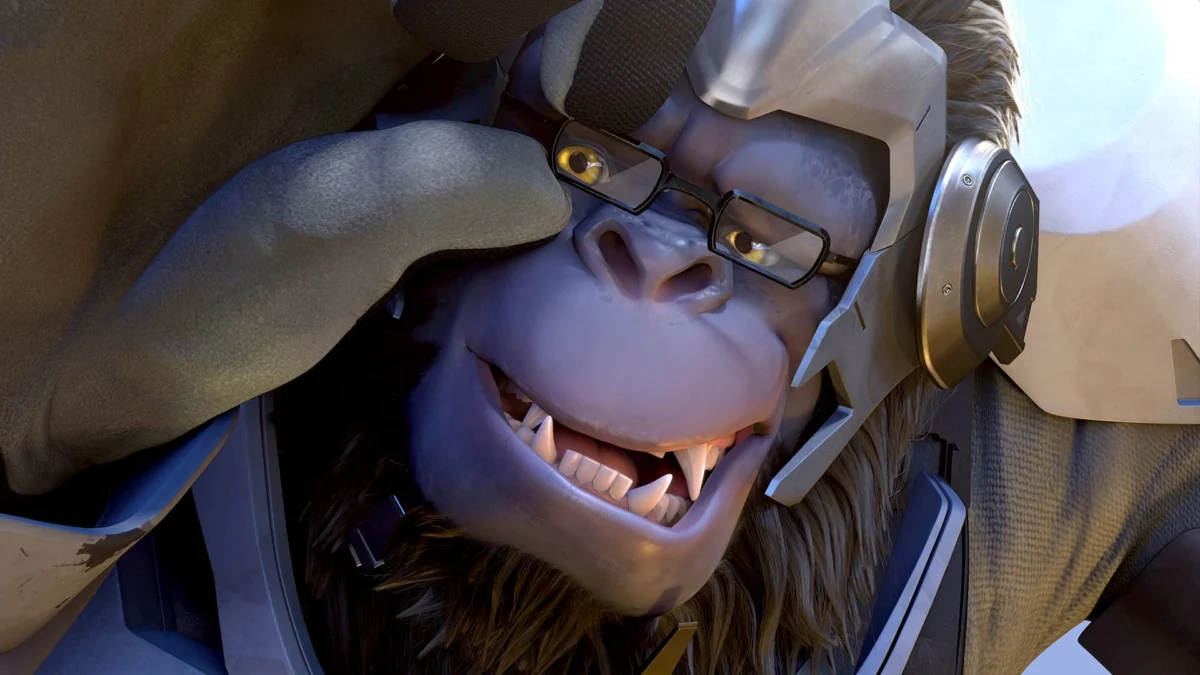
Simultaneously, Overwatch 2 has achieved a level of stability that eluded the franchise during its transitionary years. Faries noted that the hero shooter delivered its strongest quarter since 2022, a feat attributed to a more aggressive content roadmap and successful cross-media collaborations. For the first time since the original Overwatch debuted in 2016, Blizzard has recorded back-to-back years of positive growth, suggesting that the studio has finally mastered the live-service model that defines the modern gaming landscape. This consistency is vital for Microsoft, which relies on steady, recurring revenue streams to justify the high cost of its recent acquisitions and to fuel the growth of the Xbox Game Pass subscription service.
Contextualizing the Microsoft-Activision Blizzard Merger
To understand the magnitude of Blizzard’s current success, one must look at the timeline of its integration into the Microsoft ecosystem. The acquisition, which closed in October 2023 after a protracted legal battle with global regulators, was intended to provide Microsoft with the mobile expertise of King and the blockbuster reach of Activision’s Call of Duty and Blizzard’s PC-centric catalog.
Since the merger, Blizzard has undergone a series of structural changes. The departure of long-time executives and the integration of Microsoft’s corporate oversight led to concerns regarding the studio’s creative autonomy. However, the FY26 results suggest that Blizzard has retained its ability to produce high-value content while benefiting from the expanded resources and platform reach provided by Xbox. The inclusion of Blizzard titles on Game Pass has lowered the barrier to entry for millions of players, particularly for Diablo IV, which saw a surge in active users following its addition to the service.
A Contrast to Broader Xbox Challenges
Blizzard’s ascendancy comes at a time of significant transition and occasional hardship for the wider Xbox division. While Blizzard celebrates record revenues, the Microsoft gaming wing has faced a difficult fiscal period. Recent reports indicate that Xbox Q4 revenue saw a 10% year-over-year decline in certain hardware and software sectors. This downturn was accompanied by a massive wave of layoffs, with approximately 3,200 positions eliminated across the gaming division.

Furthermore, Microsoft has overseen the closure of several internal studios, including Tango Gameworks and Arkane Austin, as part of a broader "reprioritization" of resources. In this climate of consolidation and cost-cutting, Blizzard’s ability to over-deliver on Microsoft’s internal projections has made it an indispensable asset. The studio’s performance provides a necessary financial cushion as Microsoft navigates the hardware-to-software pivot and attempts to find a sustainable balance between high-budget "AAA" development and the subscription-based Game Pass model.
Strategic Collaborations and Technical Contributions
Beyond its own internal projects, Blizzard is increasingly being utilized as a foundational pillar for other Xbox initiatives. A notable development mentioned in recent reports is Blizzard’s involvement in providing cinematic and technical support for the upcoming Fable reboot, developed by Playground Games. This cross-pollination of talent highlights a new era of collaboration within Xbox Game Studios. Blizzard’s cinematic department, long considered the gold standard in the industry for its work on World of Warcraft and StarCraft, is now being leveraged to enhance the narrative presentation of Microsoft’s broader first-party lineup.
This collaborative approach extends to technical infrastructure as well. Blizzard’s experience in managing massive, persistent online worlds through Battle.net and World of Warcraft is being integrated into Xbox’s broader live-service strategy. As Microsoft looks to expand its presence on mobile and cloud platforms, the expertise housed within Blizzard is expected to play a crucial role in the development of future multi-platform titles.
The Road to BlizzCon 2026 and Future Outlook
Looking ahead, the studio is preparing for BlizzCon 2026, scheduled to commence on September 12. This event is expected to be a landmark moment for the company, serving as a platform to unveil the next phase of its product roadmap. Faries expressed optimism that the event would "shine a light on the work underway at Blizzard" and serve as a "springboard into a new era of momentum."
Rumors within the industry suggest that Blizzard may use the event to provide updates on its long-rumored survival game, as well as the next major expansion for World of Warcraft. The MMORPG continues to be a steady contributor to Blizzard’s revenue, with the "Worldsoul Saga" trilogy of expansions expected to keep the player base engaged for the remainder of the decade. Additionally, there are expectations for news regarding the expansion of Blizzard IPs into the mobile space, a key strategic goal for Microsoft following the acquisition.
Implications for the Gaming Industry
Blizzard’s status as the "top-performing" Xbox studio has broader implications for the gaming industry at large. It validates the mega-merger strategy for Microsoft, proving that even a studio with a checkered recent history can be revitalized under new leadership and a clear fiscal mandate. However, it also raises questions about the future of smaller, more experimental studios within the Xbox ecosystem. If the "top-performing" metric is primarily driven by massive live-service titles like Diablo and Overwatch, there may be increased pressure on other Xbox studios to adopt similar monetization models, potentially at the expense of single-player, narrative-driven experiences.
Moreover, Blizzard’s success highlights the enduring power of established intellectual property. In an era where the cost of developing new franchises is skyrocketing, the ability to iterate on 20- and 30-year-old brands remains the most reliable path to profitability. For Microsoft, Blizzard represents more than just a developer; it is a repository of some of the most valuable cultural touchstones in gaming history.
Conclusion
As Blizzard Entertainment moves into the latter half of the decade, it does so from a position of renewed strength. By aligning its live-service goals with Microsoft’s platform-wide strategy, the studio has managed to overcome a period of internal and external turmoil to become the crown jewel of the Xbox studios division. While the broader industry continues to grapple with economic headwinds and shifting consumer habits, Blizzard’s recent fiscal performance serves as a testament to the enduring appeal of its core franchises and the effectiveness of its current leadership under Johanna Faries. The upcoming BlizzCon 2026 will likely provide the first clear look at whether this "new era of momentum" can be sustained in the long term, or if the challenges facing the wider Xbox brand will eventually impact its most successful subsidiary.