


The Legal and Social Climate of a Crumbling Gotham
The narrative of the season premiere picks up in the immediate aftermath of Rupert Thorne’s arrest, a pivotal moment that concluded the freshman season. Thorne, a character who has historically represented the intersection of corporate greed and organized crime in Gotham lore, remains a central figure even from behind bars. The episode utilizes the trial as a narrative anchor, exploring how the city’s institutions—ranging from the judiciary to the press—struggle to handle the influence of a man whose reach extends far beyond his prison cell.
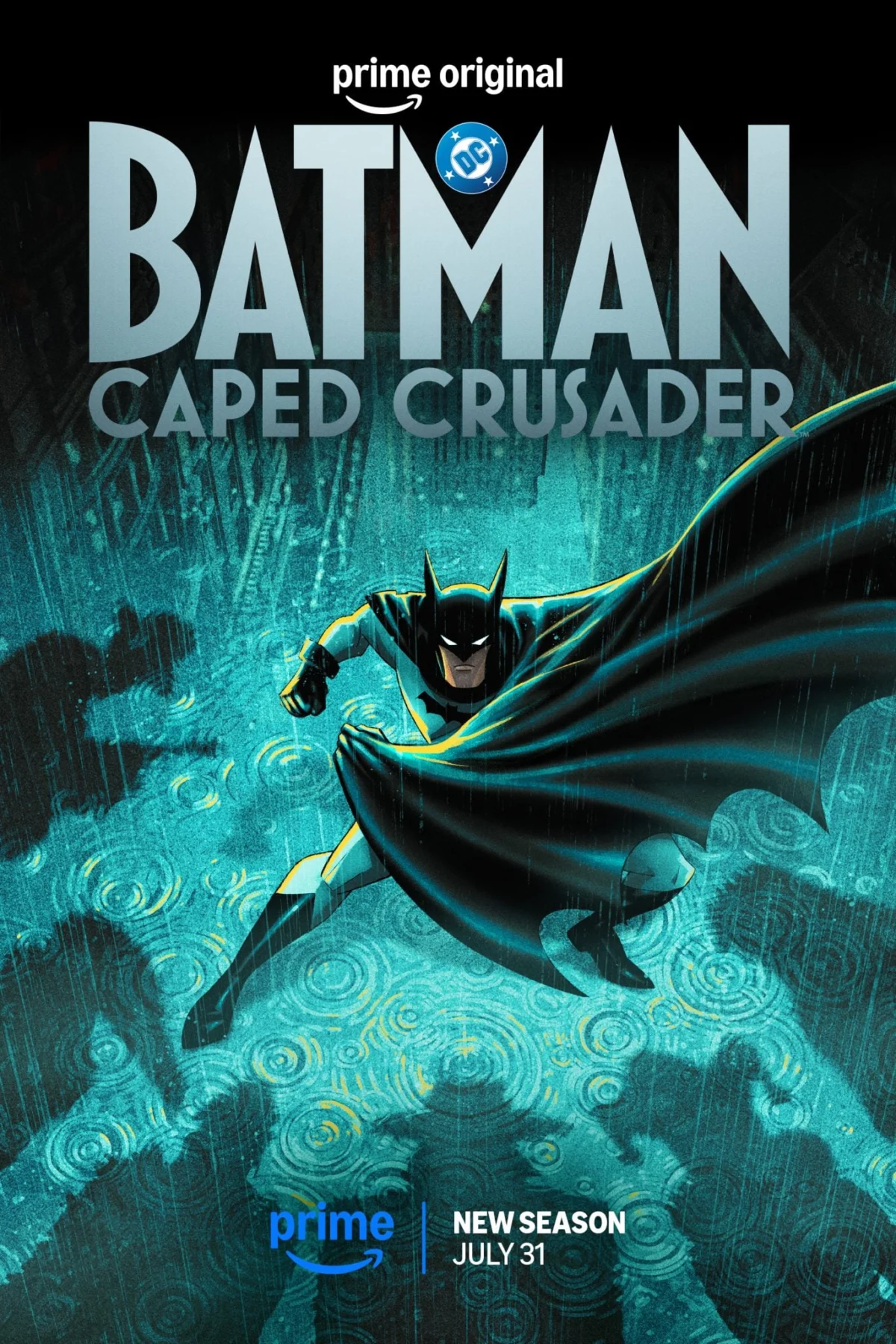
This version of Gotham is depicted as a grim, desaturated metropolis where justice is not merely blind but often actively suppressed. The color palette of the premiere is intentionally muted, emphasizing the "dour" nature of the setting. This aesthetic choice underscores the thematic weight of the story, presenting a world where the odds are heavily stacked against those attempting to uphold the law. The premiere introduces Hattie, a gender-bent iteration of the "Mad Hatter" character, reimagined here as the “Mad Hatter of Broadcasting.” Rather than a traditional supervillain driven by Lewis Carroll-inspired whimsy, Hattie serves as a sophisticated propagandist. Through her broadcasts, she masterfully manipulates public perception, framing the Gotham City Police Department and Batman as the true aggressors while painting Thorne as a victim of a systemic vendetta. This inclusion adds a layer of modern socio-political commentary to the 1940s setting, highlighting the power of media in shaping the narrative of justice.
A Lethal Reimagining of the Riddler
One of the most significant departures in the season premiere is the characterization of Eddie Nigma, known to audiences as the Riddler. Historically, the Riddler has been portrayed as a "conniving genius" whose primary motivation is to prove his intellectual superiority through elaborate puzzles and death traps. However, Batman: Caped Crusader Season 2 presents a version of Nigma that is far more visceral and unhinged. This iteration is an unrepentant murderer, characterized by a hair-trigger temper and a willingness to eliminate his own associates with little provocation.
This shift from a riddle-obsessed mastermind to a "crazed killer" marks a tonal pivot for the series. While some viewers may find the lack of traditional riddles a departure from the character’s roots, the narrative utility of this new Nigma is clear: he represents the escalating level of violence that Batman must confront. The premiere positions Nigma as a primary antagonist for the season, with his actions leading up to the credits suggesting a long-term conflict that will test the limits of Batman’s "no-kill" rule and his ability to maintain order in a city where the criminals are becoming increasingly erratic and lethal.

The Psychological State of the Dark Knight
The titular character remains an enigmatic and largely isolated figure in the season opener. Notably, the episode omits Bruce Wayne entirely, focusing exclusively on the Batman persona. This creative choice emphasizes the character’s total immersion in his crusade, suggesting that the "mask" has become the primary identity. Hamish Linklater continues his vocal performance as the Caped Crusader, delivering a performance that leans heavily into monotone whispers and a sense of suppressed intensity.
Linklater’s Batman is portrayed as "green"—an early-career vigilante who has yet to refine his presence into the terrifying legend he will eventually become. His interactions with his few allies are fraught with tension. The relationship with Alfred Pennyworth remains strained, with Batman maintaining a cold, professional distance, referring to his guardian and confidant simply as "Pennyworth." This interpersonal friction is a key element of the show’s character development, highlighting the emotional toll of Batman’s mission. Furthermore, his uneasy alliance with Commissioner James Gordon is contrasted against the open hostility of the broader Gotham City Police Department (GCPD), many of whom view the vigilante as a target rather than a partner.
Technical Execution and Visual Direction
From a technical standpoint, the season premiere continues the high standards of animation established by executive producers Bruce Timm, J.J. Abrams, and Matt Reeves. The series employs a hybrid animation style that blends traditional hand-drawn character designs with 3D-modeled environments and vehicles. This synergy allows for a fluid cinematic experience while maintaining the classic aesthetic of 20th-century noir animation.
The visual direction of the episode is heavily influenced by the "desaturated" aesthetic mentioned previously. While some may find the color palette "ugly" in its lack of vibrancy, it serves a specific narrative purpose: it reflects the stagnation and decay of Gotham. The character designs are sharp and period-appropriate, grounding the fantastical elements of the DC universe in a tangible, historical reality. The use of 3D animation for vehicles—particularly the Batmobile and police cruisers—provides a sense of weight and kinetic energy to the action sequences, which are choreographed with a level of brutality that distinguishes this series from more kid-friendly animated adaptations.
Chronology and Development History
The journey of Batman: Caped Crusader to the screen has been a significant narrative in the entertainment industry. Originally developed for HBO Max (now Max), the series was a victim of corporate restructuring at Warner Bros. Discovery in 2022. Amazon MGM Studios subsequently acquired the rights, providing a two-season order that ensured the creative team could fulfill their long-term vision.

| Milestone | Date | Event |
|---|---|---|
| Series Announcement | May 2021 | Warner Bros. and HBO Max announce the project. |
| Cancellation/Pivot | August 2022 | HBO Max drops the series due to cost-cutting measures. |
| Acquisition | March 2023 | Amazon Prime Video picks up the series for two seasons. |
| Season 1 Release | August 2024 | The series debuts to critical acclaim. |
| Season 2 Premiere | July 31, 2025 | Full season release scheduled on Prime Video. |
This timeline illustrates the resilience of the project and the high level of confidence placed in the creative trio of Timm, Abrams, and Reeves. The move to Amazon has seemingly allowed the creators more leeway in exploring darker themes, as evidenced by the premiere’s increased focus on graphic violence and complex psychological profiles.
Broader Implications and Future Outlook
The season premiere concludes with a high-octane "this season" montage that offers a glimpse into the escalating chaos awaiting Gotham. The teaser suggests the arrival of several iconic "big name" villains, hinting that the city is transitioning from a haven for organized crime into a full-scale war zone. This escalation is a common trope in Batman lore—often referred to as the "escalation theory"—where the presence of a masked vigilante inspires a more theatrical and dangerous class of criminal.
The implications for the broader DC animated landscape are significant. Batman: Caped Crusader serves as a spiritual successor to the legendary Batman: The Animated Series of the 1990s, but it is untethered from the constraints of Saturday morning television. By leaning into the "R-rated" sensibilities of modern streaming animation, the show is carving out a niche for adult-oriented superhero storytelling that prioritizes atmosphere and character study over toy sales.
As the full season release approaches on July 31st, the premiere has set a high bar for narrative complexity. The focus on Rupert Thorne’s trial suggests that the series will continue to weave together threads of legal drama, political intrigue, and vigilante action. For fans of the Dark Knight, this premiere signals a commitment to a version of Gotham that is as unforgiving as it is compelling, ensuring that the "Caped Crusader" remains a vital and evolving figure in contemporary media. The struggle for Gotham’s soul is far from over, and if the season premiere is any indication, the road to justice will be paved with increasingly difficult choices for Bruce Wayne’s alter ego.