


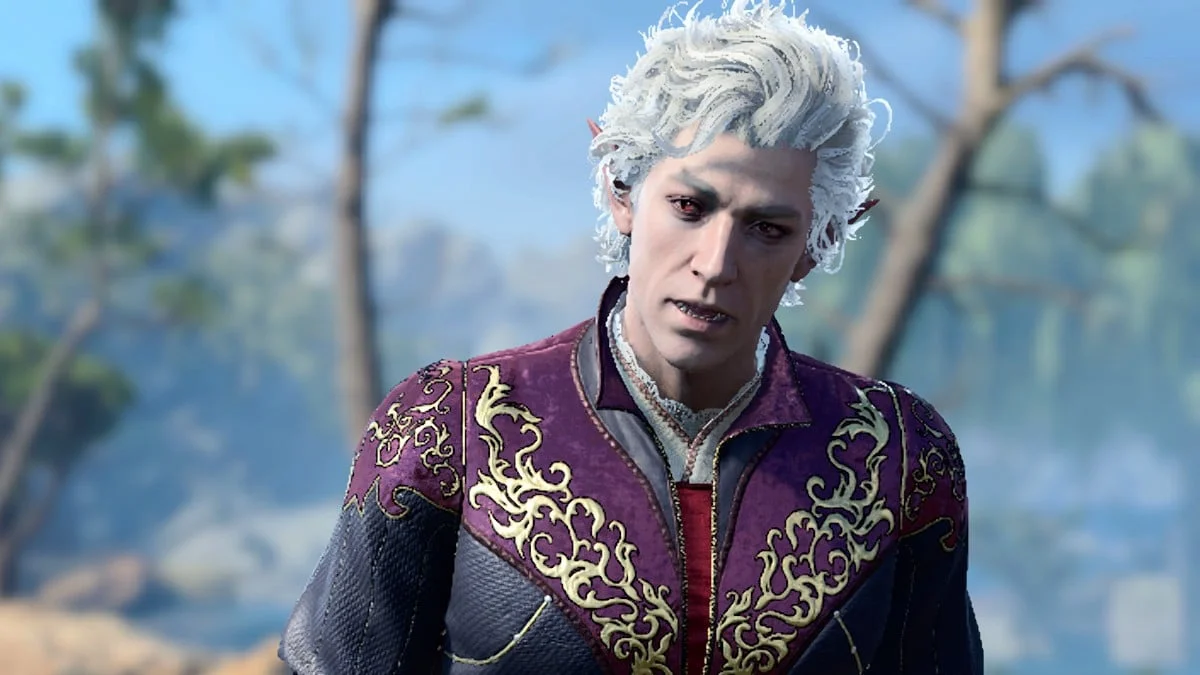
Baldur’s Gate 3, the critically acclaimed role-playing game from Larian Studios, has officially launched on Xbox Series X and Series S platforms, marking a significant expansion of its availability after a highly successful run on PC and PlayStation 5. However, prospective players hoping to access the title through Microsoft’s popular Game Pass subscription service will need to adjust their expectations, as Larian Studios has explicitly stated there are no current plans for the game to join the catalog. This decision, articulated by Larian Studios boss Swen Vincke, underscores the developer’s valuation of their product and their independent business model, setting it apart from many other AAA titles that often find their way onto subscription platforms.
Larian Studios Confirms Stance on Game Pass Integration
In a recent interview with IGN, Swen Vincke, the CEO of Larian Studios, unequivocally confirmed the company’s position regarding Baldur’s Gate 3 and Game Pass. Vincke’s reasoning centered on the sheer scope and production value of the game, asserting that its premium price tag is a fair reflection of the extensive experience it offers. "We made a big game, so I think there’s a fair price to be paid for that, and I think that that is okay," Vincke stated, emphasizing the absence of microtransactions within the game as a key differentiator. He elaborated, "We don’t charge you any micro-transactions on top of it, so you get what you pay for. Upfront, it’s a big meaty game. So I think that should be able to exist as it is. This is what allows us to continue making other games."
This declaration highlights Larian’s commitment to a traditional premium game sales model, where the initial purchase grants complete access to the entire game content without further monetization. This approach stands in contrast to many modern AAA titles that often incorporate season passes, cosmetic items, or other forms of post-launch revenue generation. For Larian, the outright sale of Baldur’s Gate 3 at its full price is crucial for funding future projects and maintaining their creative autonomy. The average playtime for Baldur’s Gate 3 is remarkably long, with player data aggregated by HowLongToBeat suggesting an average main story completion time of at least 50 hours, extending well over 100 hours for those who delve into side quests and exploration. This extensive content library provides substantial justification for Larian’s pricing philosophy, framing the game as a comprehensive entertainment package.
The Journey to Xbox: A Brief Chronology
The release of Baldur’s Gate 3 on Xbox Series X/S platforms on December 8, 2023, following its surprise "stealth" launch after The Game Awards, marked the culmination of a protracted development and optimization process. The game initially launched to immense critical and commercial success on PC on August 3, 2023, quickly becoming one of the highest-rated games of all time and a sales phenomenon. This was followed by its PlayStation 5 release on September 6, 2023, where it also garnered widespread acclaim and strong sales.
The Xbox release, however, faced a unique challenge related to technical parity between the Series X and Series S consoles. Larian Studios encountered difficulties in implementing the game’s demanding split-screen co-op feature on the less powerful Xbox Series S. Microsoft’s policy typically mandates feature parity between games released on both Series X and Series S, creating a significant hurdle for Larian. This technical complexity led to an initial delay and uncertainty surrounding the Xbox version’s release date.
Microsoft, in an unusual move, worked directly with Larian Studios to find a solution, ultimately granting an exception to the feature parity rule, allowing Baldur’s Gate 3 to launch on Xbox Series S without the split-screen co-op functionality that is present on the Series X and other platforms. This intervention from Xbox head Phil Spencer and his team underscored the importance of bringing the highly anticipated title to the Xbox ecosystem. The subsequent quiet launch after The Game Awards 2023, where Baldur’s Gate 3 swept numerous categories including Game of the Year, served as a celebratory conclusion to its multi-platform rollout. This timeline showcases Larian’s meticulous approach to development and their commitment to delivering a high-quality experience across all target platforms, even when faced with significant technical hurdles.
Critical Acclaim and Commercial Triumph: The Baldur’s Gate 3 Phenomenon
Baldur’s Gate 3 has not merely been a successful game; it has been a cultural phenomenon in the gaming world. Its journey began with a highly anticipated Early Access period on PC in October 2020, allowing Larian to gather extensive player feedback and refine the game over nearly three years. Upon its full launch, the game was met with universal critical acclaim, boasting an average Metacritic score of 96/100 for its PC version and similarly high scores for its console counterparts. Reviewers lauded its intricate narrative, deep character customization, freedom of choice, complex combat system based on Dungeons & Dragons 5th Edition rules, and unparalleled player agency.
The game’s critical success translated directly into commercial triumph. On PC, it achieved peak concurrent player numbers exceeding 875,000 on Steam, a figure typically reserved for massively multiplayer online games or established esports titles. Sales figures, while not fully disclosed by Larian, are widely understood to be in the tens of millions of units across all platforms, making it one of the best-selling games of 2023. This commercial performance is particularly remarkable for a CRPG (Computer Role-Playing Game), a genre traditionally considered niche compared to action-adventure or first-person shooter titles.
The game’s dominance extended to the awards circuit, culminating in a historic win at The Game Awards 2023, where it took home the coveted Game of the Year award, along with several other significant accolades including Best RPG, Best Multiplayer, Best Performance (for Neil Newbon as Astarion), Best Community Support, and Player’s Voice. Beyond TGA, Baldur’s Gate 3 has also secured numerous other prestigious awards, including multiple Golden Joystick Awards, BAFTA Games Awards, and D.I.C.E. Awards, solidifying its status as one of the most celebrated games of its generation. Swen Vincke’s emotional acceptance speech at The Game Awards, where he spoke passionately about the game’s development and the team’s dedication, further endeared Larian Studios to the global gaming community. This overwhelming success undoubtedly empowers Larian to dictate its own terms regarding distribution and pricing.
The Economics of Game Development and Subscription Services
Larian Studios’ decision to keep Baldur’s Gate 3 off Game Pass can be analyzed through the lens of the evolving economics of video game development and distribution. Developing a AAA title of Baldur’s Gate 3‘s scope and quality is an extraordinarily expensive and time-consuming undertaking. Industry estimates for AAA game development costs can range from tens of millions to hundreds of millions of dollars, with development cycles often spanning several years. Larian Studios, as an independent developer and publisher, financed Baldur’s Gate 3 through its own resources and the revenue generated from previous titles like the critically acclaimed Divinity: Original Sin series, as well as the Early Access sales for Baldur’s Gate 3.
Subscription services like Xbox Game Pass operate on a different financial model. Publishers typically receive an upfront lump sum or a per-player engagement fee for placing their games on the service. While this can provide a guaranteed revenue stream and expose games to a broader audience, it might not always match the potential revenue from direct sales, especially for a title with Baldur’s Gate 3‘s proven commercial appeal. For games that are expected to sell millions of units at a premium price (often $60-$70), the direct sales model can be significantly more lucrative than a Game Pass deal, which might require foregoing a substantial portion of potential unit sales revenue.
Microsoft’s Game Pass boasts over 30 million subscribers as of early 2023, representing a massive potential audience. However, placing a game on Game Pass means it becomes "free" for subscribers, potentially cannibalizing full-price sales. For a game that has demonstrated such strong sales velocity and sustained interest, Larian’s strategy suggests they believe the long-term revenue from direct purchases outweighs the benefits of a Game Pass inclusion. This approach allows Larian to fully recoup their significant investment and build capital for future projects without external financial pressures or revenue sharing agreements tied to a subscription service.
Strategic Implications for Larian and Xbox
Larian Studios’ resolute stance on Baldur’s Gate 3‘s availability reflects a powerful position of independence and confidence. By eschewing Game Pass, Larian signals its belief in the enduring value of its product and its ability to command a premium price based on quality and content. This decision allows Larian to maintain complete control over its intellectual property and future development trajectory, free from the potential influence or revenue-sharing demands that might come with closer ties to a platform holder’s subscription service. It reinforces Larian’s reputation as a developer that prioritizes creative vision and player experience above all else, including potentially short-term financial boosts from platform deals.
For Xbox, Larian’s decision, while understandable from a business perspective, presents a minor challenge to the perception of Game Pass as the ultimate value proposition in gaming. While Game Pass continues to offer an impressive library of games, including many day-one releases from Xbox Game Studios and third-party partners, the absence of a universally acclaimed, genre-defining title like Baldur’s Gate 3 might be disappointing for some subscribers. Xbox’s strategy heavily relies on Game Pass to drive console sales and ecosystem engagement, and major omissions can be noted by consumers. However, the fact that Xbox still managed to secure the game for its platform, even with a delayed launch and a technical compromise for the Series S, indicates Microsoft’s recognition of the game’s importance. The availability of Baldur’s Gate 3 for purchase on Xbox Series X/S still allows Xbox to cater to fans of the title, even if it’s not through their subscription service.
The Broader Debate: Premium Pricing vs. Subscription Value
Larian’s decision to keep Baldur’s Gate 3 off Game Pass feeds into a larger industry debate about game pricing, value, and the future of game distribution. On one side, subscription services like Game Pass offer unparalleled access to a vast library of games for a relatively low monthly fee, providing immense value for budget-conscious gamers or those who enjoy experimenting with many different titles. This model has undeniably shifted consumer expectations, leading many to anticipate that major releases will eventually find their way onto a subscription platform.
On the other side are developers and publishers who champion the premium pricing model, especially for games that offer hundreds of hours of content, high production values, and no microtransactions. They argue that a game of Baldur’s Gate 3‘s magnitude represents a complete, self-contained experience that justifies its full retail price. Vincke’s explicit mention of the lack of microtransactions is key here, positioning the game as a one-time purchase with no hidden costs or engagement-driven monetization tactics. This approach resonates strongly with a segment of the gaming community that is wary of predatory monetization practices prevalent in other titles.
The success of Baldur’s Gate 3 serves as a powerful example that a premium, single-purchase, content-rich game can still thrive and achieve monumental success in an era increasingly dominated by live-service games and subscription models. It demonstrates that players are willing to pay full price for quality, depth, and a complete experience, especially when developed by a studio with a strong track record and a clear vision. This reinforces the idea that there is still a robust market for traditional, buy-to-own games, even as subscription services continue to grow and evolve.
In conclusion, while Baldur’s Gate 3‘s arrival on Xbox Series X/S is a cause for celebration for many players, Larian Studios’ firm stance on its exclusion from Game Pass is a clear message about the perceived value of their game and their independent business strategy. It highlights a conscious decision to prioritize direct sales revenue to fund future ambitious projects, rather than engaging with a subscription model that might not align with their long-term vision or financial goals. For players, it means that experiencing one of the year’s most acclaimed titles on Xbox will require a direct purchase, a testament to Larian’s belief in the enduring quality and expansive content that Baldur’s Gate 3 offers.