


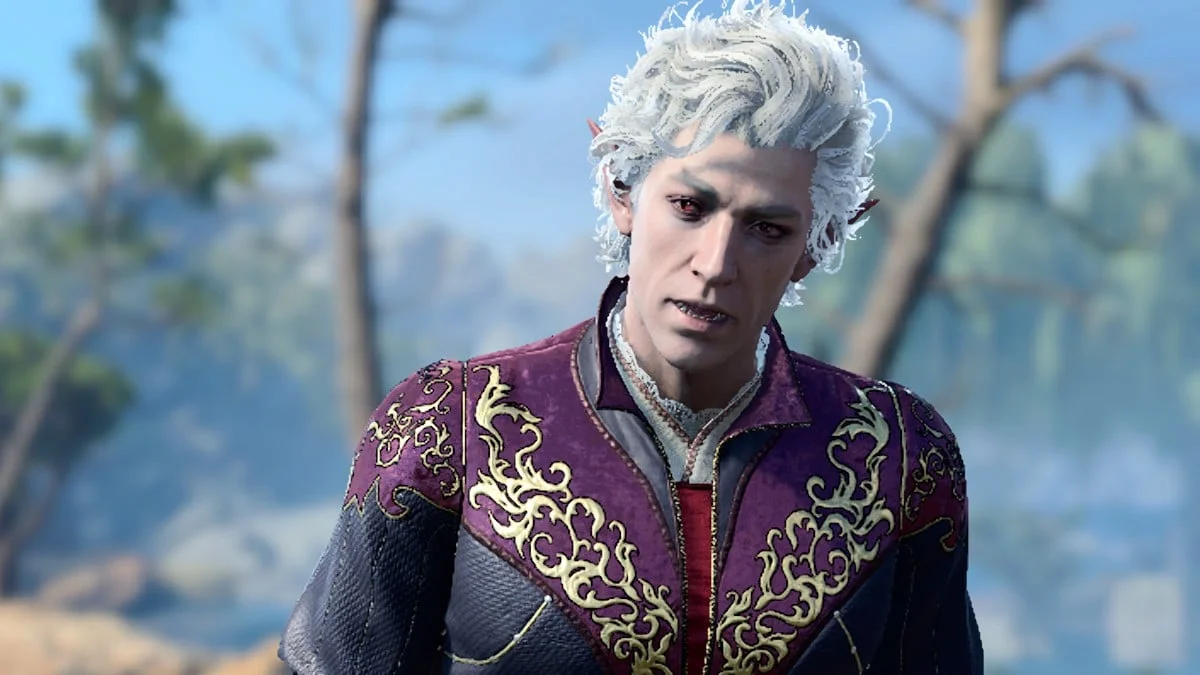
Baldur’s Gate 3, the critically acclaimed role-playing game from Larian Studios, has officially launched on Xbox Series X|S platforms, marking a significant expansion of its availability to a new console audience. However, in a development that may temper the excitement for some Xbox players, Larian Studios’ CEO Swen Vincke has firmly stated that the award-winning title has no immediate plans to join Microsoft’s Xbox Game Pass subscription service. This declaration comes amidst a period of immense success for the game, which recently swept multiple categories at The Game Awards, including the coveted Game of the Year accolade.
The Strategic Decision Behind a Premium Model
Vincke, in an interview with IGN, articulated Larian’s rationale for maintaining a premium, full-price model for Baldur’s Gate 3. His reasoning centers on the sheer scale, depth, and quality of the game, which he believes justifies its standalone cost. "We made a big game, so I think there’s a fair price to be paid for that, and I think that that is okay," Vincke stated. He further emphasized the absence of microtransactions, a common monetization strategy in modern gaming, as a core part of their value proposition. "We don’t charge you any micro-transactions on top of it, so you get what you pay for. Upfront, it’s a big meaty game. So I think that should be able to exist as it is. This is what allows us to continue making other games." This perspective underscores Larian’s commitment to a development and sales model that prioritizes a complete, feature-rich experience upfront, free from additional in-game purchases. The studio’s philosophy suggests that the financial success derived from direct sales of such a substantial title is crucial for funding future ambitious projects, reinforcing their independent creative control and development standards.
A Monumental Release and Unprecedented Acclaim
The journey of Baldur’s Gate 3 to its current status as a cultural phenomenon has been nothing short of extraordinary. The game initially launched in Early Access on PC in October 2020, allowing Larian to engage directly with its player base, gather feedback, and iteratively refine the experience over nearly three years. This transparent development process fostered a strong community connection and built considerable anticipation for its full release.
The full PC version arrived on August 3, 2023, immediately garnering universal critical acclaim. It quickly became one of the highest-rated games in history, boasting a Metacritic score that placed it among the pantheon of gaming masterpieces. Critics lauded its intricate narrative, unparalleled player agency, robust combat system rooted in Dungeons & Dragons 5th Edition rules, and its technical ambition, particularly in character animation and voice acting. The PlayStation 5 version followed on September 6, 2023, replicating the success and expanding its reach to console players.
The crescendo of its recognition came at The Game Awards on December 7, 2023, where Baldur’s Gate 3 dominated the proceedings. It secured six awards, including Game of the Year, Best RPG, Best Multiplayer, Best Performance (Neil Newbon as Astarion), Best Community Support, and Player’s Voice. Vincke’s emotional acceptance speech, later fully released, highlighted the immense dedication of his team and the passion of the player base. It was during this event that the long-awaited Xbox Series X|S release was stealthily announced and subsequently made available, resolving previous technical hurdles related to split-screen co-op functionality on the Series S console.
The Scope of the Game: Justifying the Price Tag
Vincke’s reference to Baldur’s Gate 3‘s "big meaty game" status is amply supported by player data and the sheer volume of content within the title. According to data aggregated by HowLongToBeat, an average playthrough of Baldur’s Gate 3 spans at least 50 hours for the main story, extending significantly for those who delve into side quests and explore the vast world. Many players report playthroughs exceeding 100 hours, and with multiple origin characters, companion storylines, and branching narrative paths, the game offers immense replayability, easily pushing total engagement into hundreds, if not thousands, of hours across multiple runs.
This extensive content includes:
- Over 17,000 unique lines of dialogue, with a vast portion fully voice-acted.
- Hundreds of hours of motion-captured cinematic sequences.
- A complex web of choices and consequences that can dramatically alter the narrative and relationships.
- Dozens of unique companions, each with their own backstories, quests, and moral alignments.
- An expansive world composed of distinct acts, each offering numerous quests, characters, and secrets.
- A robust character creation system drawing from a wide array of Dungeons & Dragons races and classes.
Such an undertaking represents an enormous investment in development time, resources, and creative talent. Larian Studios, a relatively independent developer based in Belgium, poured years into Baldur’s Gate 3, pushing the boundaries of what a modern CRPG can achieve. The game’s intricate design, combined with its polished presentation and technical stability, sets a high bar for the industry and provides a tangible justification for its premium price point.
Xbox Game Pass and the Evolving Gaming Landscape
Microsoft’s Xbox Game Pass has revolutionized how many players access games, offering a vast library of titles for a monthly subscription fee. It has been a cornerstone of Microsoft’s gaming strategy, aiming to provide exceptional value and drive engagement within the Xbox ecosystem. The service boasts millions of subscribers and has successfully onboarded numerous day-one releases, including critically acclaimed first-party titles and many prominent third-party games.
For many developers, particularly independent studios, Game Pass offers a guaranteed upfront payment and exposure to a massive audience that might not otherwise purchase their game. This can be a vital financial lifeline and a powerful marketing tool. However, for a game like Baldur’s Gate 3, which has already demonstrated unprecedented commercial success and critical adoration through direct sales, the value proposition of Game Pass inclusion shifts significantly.
Larian’s decision suggests that the potential revenue from continued direct sales of Baldur’s Gate 3 outweighs the benefits of a Game Pass deal, which would typically involve an upfront fee from Microsoft in exchange for the game’s availability on the service, potentially followed by performance-based royalties. Given the game’s sustained position on sales charts across PC and PlayStation, and now its anticipated strong performance on Xbox, Larian appears confident in its ability to maximize revenue through traditional sales. This stance highlights a growing debate within the industry regarding the balance between subscription models and the premium, full-price game market. While Game Pass is undeniably attractive for many, top-tier, universally acclaimed titles like Baldur’s Gate 3 demonstrate that a direct purchase model can still be incredibly lucrative, especially for games that offer exceptional value and replayability.
Implications for Players and the Industry
For Xbox players, Vincke’s definitive statement means that to experience Baldur’s Gate 3, they will need to purchase the game outright at its standard retail price. While this might be disappointing for those accustomed to accessing a wide array of titles through their Game Pass subscription, it is unlikely to deter the most ardent fans or those who have followed the game’s incredible trajectory. The game’s reputation precedes it, and many will likely view the purchase as a worthwhile investment given its depth and replay value.
For Larian Studios, this decision solidifies their position as a highly successful, independent developer capable of dictating their own business terms. It underscores their financial strength and autonomy, allowing them to reinvest profits directly into their next projects without the strategic compromises that might come with subscription service deals. This independent spirit has been a hallmark of Larian, particularly evident in their player-centric development approach for Baldur’s Gate 3.
From an industry perspective, Baldur’s Gate 3‘s success and Larian’s subsequent decision serve as a powerful case study for the continued viability and profitability of the premium game model, especially for titles that deliver exceptional quality and content. In an era increasingly dominated by live-service games, microtransactions, and subscription models, Baldur’s Gate 3 stands as a testament to the enduring appeal of a complete, single-purchase experience. It demonstrates that players are willing to pay a premium price for a game that respects their time and investment by offering immense value without hidden costs.
While some might have hoped for a Game Pass demo to entice newcomers to the CRPG genre or the Dungeons & Dragons universe, Larian currently has no plans for such an offering. The studio’s confidence in the game’s inherent quality and widespread critical acclaim seems to be their primary marketing strategy. The conversation around Baldur’s Gate 3 and its pricing model will undoubtedly continue, reflecting the dynamic and evolving economics of the video game industry. However, for now, Larian Studios remains steadfast in its belief that its monumental achievement deserves a fair, upfront price, a model that has evidently served them, and their dedicated player base, incredibly well.