


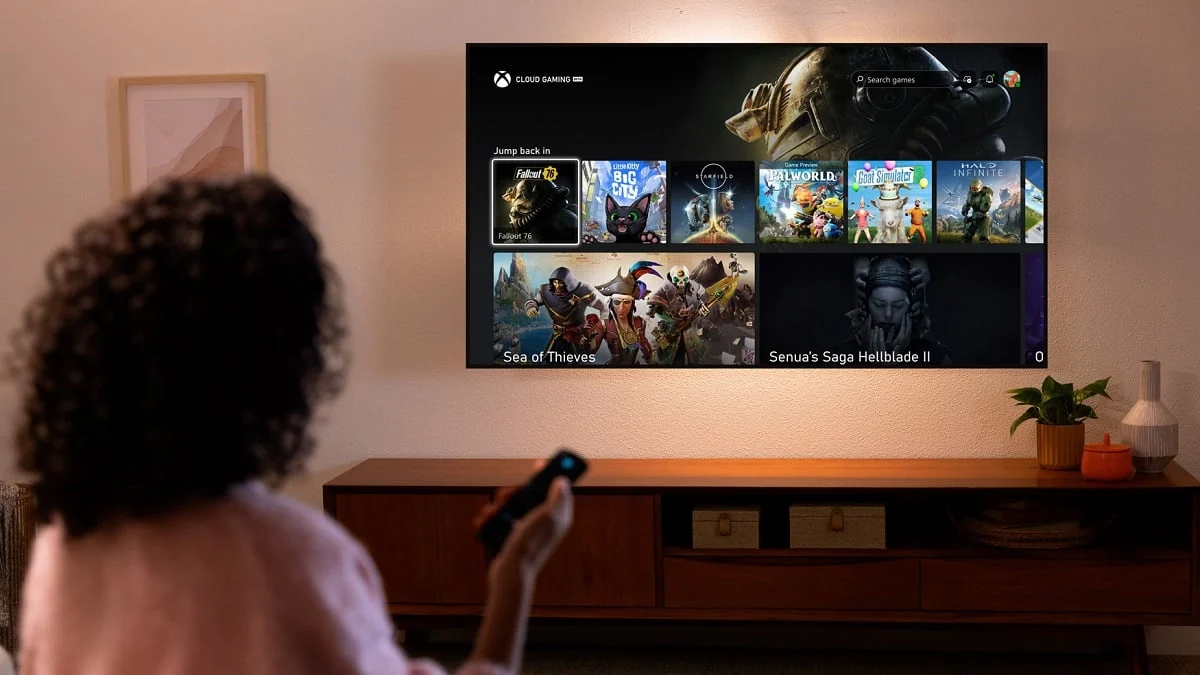
Microsoft is set to significantly broaden the accessibility of its Xbox Game Pass library, announcing that its cloud gaming service will soon be compatible with select Amazon Fire TV devices. This strategic move, detailed in a recent Xbox Wire post, will allow subscribers to access a vast catalog of Xbox titles directly through an Amazon Fire TV Stick 4K or Fire TV Stick 4K Max, effectively bypassing the need for a dedicated Xbox console. The initiative underscores Microsoft’s ongoing commitment to its "games everywhere" philosophy, prioritizing subscriber growth for its flagship Game Pass service over exclusive hardware sales.
The integration means that users will only require a compatible Fire TV Stick, a Bluetooth-enabled wireless controller—which can include popular options like a PlayStation 5 controller, not necessarily an Xbox-branded one—and an Xbox Game Pass Ultimate subscription to dive into hundreds of games via cloud streaming. While an exact launch date remains undisclosed, the announcement signals a substantial shift in how Xbox content is delivered, making high-fidelity gaming more accessible and affordable for a broader audience.
Microsoft’s Evolving Gaming Ecosystem: A Strategic Imperative
For years, the gaming industry has largely revolved around console generations, with hardware sales dictating market share and ecosystem dominance. However, Microsoft’s Xbox division, under the leadership of Phil Spencer, has been steadily charting a different course. Faced with persistent challenges in matching the console sales figures of rivals like Sony’s PlayStation and Nintendo’s Switch, Microsoft has strategically pivoted to a platform-agnostic approach, with Xbox Game Pass and cloud gaming at its core. This strategy aims to transform Xbox from a console brand into a comprehensive gaming service, available wherever players choose to engage.
This shift is not new; it’s a culmination of several years of strategic decisions. Microsoft launched Xbox Game Pass in June 2017, offering a Netflix-like subscription service for games. Over time, it evolved to include day-one access to all first-party Xbox titles, PC game access, and crucially, Xbox Cloud Gaming (formerly xCloud). Cloud gaming, which allows games to be streamed over the internet rather than requiring powerful local hardware, became the linchpin of Microsoft’s broader accessibility vision. It enables Xbox games to be played on a diverse range of devices, from smartphones and tablets to smart TVs and now, popular streaming sticks.
The company has openly expressed its desire to make its content available to as many players as possible, regardless of their preferred gaming hardware. This philosophy has manifested in concrete actions, such as bringing select first-party Xbox exclusives like Sea of Thieves, Hi-Fi Rush, Grounded, and Pentiment to rival platforms like PlayStation and Nintendo Switch. These moves, once considered unthinkable for a major platform holder, illustrate Microsoft’s prioritization of software and service revenue over strict hardware exclusivity. Rumors even persist about the potential arrival of premiere franchises like Halo on PlayStation, though official confirmation remains elusive. Concurrently, Microsoft is reportedly exploring new hardware form factors, with Phil Spencer himself teasing the existence of an Xbox handheld device, indicating a diversification of hardware rather than an abandonment.
The Power of Cloud Gaming and Fire TV Integration
Cloud gaming is often hailed as the future of gaming, offering numerous advantages that appeal to a wide demographic. By offloading the computational heavy lifting to remote servers, it eliminates the need for expensive, high-end gaming PCs or dedicated consoles. This lowers the barrier to entry, making premium gaming experiences available to anyone with a stable internet connection and a compatible streaming device. Xbox Cloud Gaming leverages Microsoft’s vast Azure data center infrastructure, providing the backbone for seamless game streaming.
The integration with Amazon Fire TV Sticks represents a significant expansion of this cloud gaming ecosystem. Amazon’s Fire TV devices are among the most popular streaming media players globally, known for their affordability, ease of use, and widespread adoption. The Fire TV Stick 4K and Fire TV Stick 4K Max, priced at $49.99 and $59.99 respectively, offer robust performance capable of handling demanding streaming applications, making them ideal candidates for cloud gaming. Their ubiquitous presence in millions of households provides Microsoft with a direct pathway to a massive, untapped audience of potential Game Pass subscribers.
This partnership is mutually beneficial. For Microsoft, it dramatically expands the potential reach of Game Pass Ultimate, converting existing Fire TV users into potential gamers without requiring them to invest in new console hardware. For Amazon, it significantly enhances the value proposition of its Fire TV ecosystem, offering a compelling new entertainment option that differentiates it from competing streaming devices like Roku or Google TV. It positions the Fire TV Stick not just as a media consumption device, but as a legitimate gaming platform.
Financial Accessibility and Market Implications
One of the most compelling aspects of this announcement is the stark financial comparison it presents. For many, the cost of a dedicated gaming console, even the more affordable Xbox Series S at $299.99, represents a significant investment. When coupled with a yearly Xbox Game Pass Ultimate subscription, which currently costs $16.99 per month, the total first-year outlay quickly approaches $504.
In contrast, accessing Game Pass via a Fire TV Stick presents a dramatically more affordable entry point. Assuming a user already owns a compatible TV, the total cost for a year of Game Pass Ultimate and a Fire TV Stick 4K ($49.99) comes in at just under $254. This makes the cloud gaming option cheaper than the console itself, even before factoring in the annual Game Pass subscription. This cost-effectiveness is a game-changer for budget-conscious consumers, casual gamers, or households looking for an additional gaming setup without the expense or space requirements of another console.
While the appeal of this cost-effective solution is clear, it does come with a crucial caveat: the reliance on a stable and fast internet connection. Cloud gaming performance is directly tied to network quality. Latency, bandwidth, and connection stability can all impact the gaming experience, potentially leading to visual artifacts, input lag, or disconnections. Unlike console gaming, there is no offline fallback option for cloud-streamed titles. This means that while the hardware barrier is lowered, a robust home internet infrastructure becomes paramount. Microsoft recommends a minimum connection speed for optimal performance, typically around 20 Mbps, with lower latency being equally important.
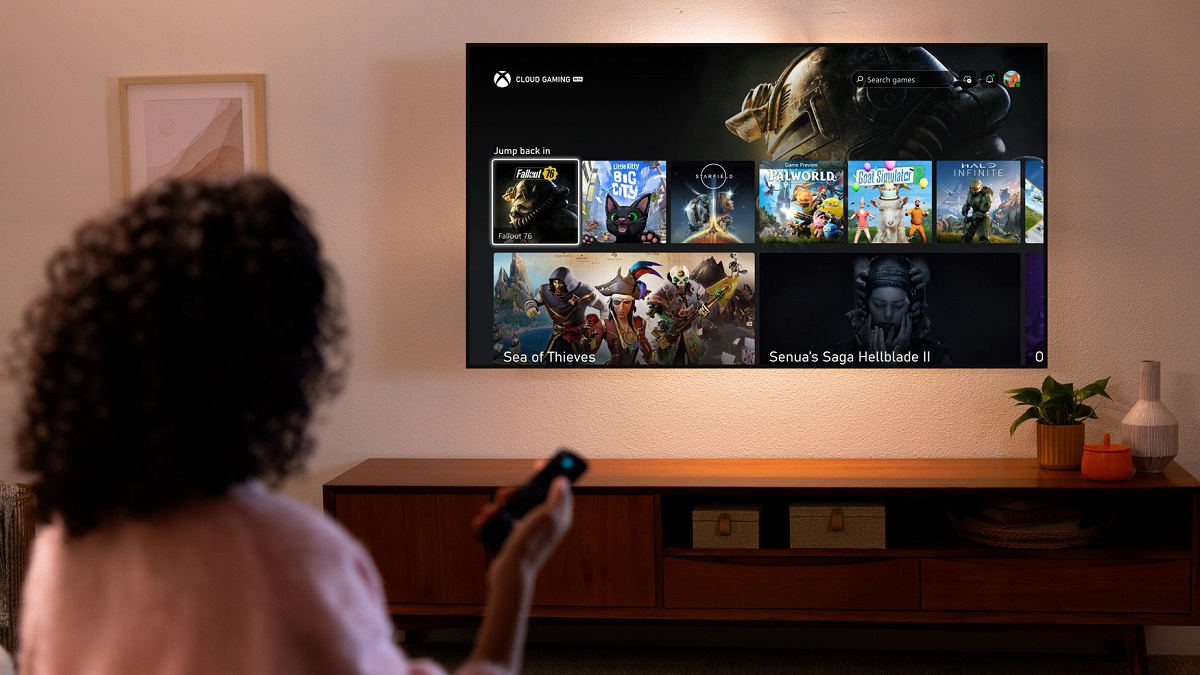
The implications for the broader gaming market are substantial. This move further blurs the lines between traditional gaming hardware and streaming services. It positions Xbox Game Pass as a formidable competitor not just against other subscription services like PlayStation Plus Premium, but also against the traditional console purchase model. For consumers, it offers unprecedented flexibility and choice. For Microsoft, it’s a clear signal that the future of Xbox lies in services and content distribution, reaching players wherever they are, rather than solely through proprietary hardware.
Chronology of Xbox’s "Games Everywhere" Journey
Microsoft’s journey to this point has been a carefully orchestrated series of strategic expansions:
- June 2017: Xbox Game Pass officially launches, offering a rotating library of games for a monthly fee.
- May 2019: Microsoft announces Project xCloud (later Xbox Cloud Gaming), signaling its entry into the cloud gaming space.
- September 2020: Xbox Cloud Gaming officially launches for Xbox Game Pass Ultimate subscribers, initially on Android mobile devices.
- June 2021: Xbox Cloud Gaming expands to web browsers on iOS, PCs, and more Android devices.
- June 2022: Microsoft partners with Samsung to bring the Xbox app directly to select Samsung Smart TVs, making a console unnecessary for those models.
- February 2024: Microsoft announces its intention to bring four first-party Xbox titles to rival platforms (PlayStation and Nintendo Switch), further emphasizing its multi-platform content strategy.
- June 2024: The announcement that Xbox Game Pass via cloud gaming will be available on Amazon Fire TV Sticks, marking another significant step in expanding accessibility.
This timeline illustrates a consistent, multi-year strategy focused on expanding the Game Pass ecosystem and reducing reliance on dedicated Xbox console ownership as the sole gateway to its content.
Official Reactions and Industry Outlook
While official statements from Microsoft typically echo Phil Spencer’s long-held vision, the Xbox Wire post announcing Fire TV compatibility reiterates the company’s commitment to making gaming more accessible. The emphasis is on choice and flexibility, allowing players to engage with Xbox content on devices they already own. This aligns with Spencer’s previous remarks about reaching "billions of players" and making Xbox an ecosystem rather than just a box under the TV.
Amazon, for its part, would likely highlight the enhanced entertainment value and expanded content offerings for its Fire TV users. Partnerships that bring premium services like Xbox Game Pass to its devices strengthen the Fire TV platform’s competitive position in the crowded streaming market. It allows Amazon to offer a compelling, high-value feature without needing to develop its own extensive gaming library.
Industry analysts are largely viewing this move as a smart strategic play by Microsoft. Wedbush Securities analyst Michael Pachter has frequently commented on the declining significance of console hardware sales for Microsoft, predicting a future where Game Pass subscriptions drive the majority of Xbox’s gaming revenue. Analysts suggest that while core gamers will continue to invest in consoles for the best possible performance, the Fire TV integration targets a much broader, more casual audience who might not otherwise consider purchasing a dedicated gaming system. The key challenge, as always with cloud gaming, will be managing user expectations regarding performance and latency, especially given the varied internet speeds globally.
The gaming community’s reaction is expected to be largely positive, especially among those who have been hesitant to invest in an Xbox console but are intrigued by the Game Pass library. It opens up opportunities for families to have gaming options on secondary TVs, or for individuals to try out a vast array of games without a significant upfront hardware cost. However, some traditionalists may express concerns about the long-term implications for console hardware and the potential for cloud gaming to replace local processing entirely, especially for competitive titles where latency is critical.
Challenges and The Future of Gaming Hardware
Despite the immense potential, the road ahead for cloud gaming, and by extension, Microsoft’s "games everywhere" strategy, is not without its challenges. The primary hurdle remains internet infrastructure. While broadband penetration is high in many developed nations, consistent, low-latency connections are not universally available. This digital divide could limit the reach and quality of the cloud gaming experience for a significant portion of the global population. Furthermore, the increasing data consumption of cloud gaming could strain data caps imposed by internet service providers, adding another layer of cost for heavy users.
Another challenge comes from competition. While Xbox Cloud Gaming is a leader, other players like NVIDIA GeForce NOW and the gaming components of PlayStation Plus Premium continue to evolve. Amazon itself has its Luna cloud gaming service, creating a potentially interesting dynamic within the Fire TV ecosystem.
However, Microsoft appears committed to navigating these complexities. The rumored Xbox handheld, teased by Phil Spencer, suggests that while cloud is central, dedicated hardware still has a role to play, perhaps for portable or specific use cases. This indicates a multi-pronged approach: powerful home consoles for enthusiasts, cloud streaming for maximum accessibility, and potentially specialized handheld devices for on-the-go experiences.
In conclusion, Microsoft’s decision to bring Xbox Game Pass to Amazon Fire TV Sticks is more than just a new distribution channel; it’s a bold affirmation of its long-term vision for the Xbox brand. By democratizing access to its expansive game library and leveraging the ubiquity of streaming devices, Microsoft is not merely selling games; it is selling an ecosystem, redefining what it means to be an "Xbox gamer" in an increasingly platform-agnostic world. This move represents a significant milestone in the ongoing evolution of the gaming industry, pushing it further into a future where content and services reign supreme, unchained from the traditional console paradigm.