


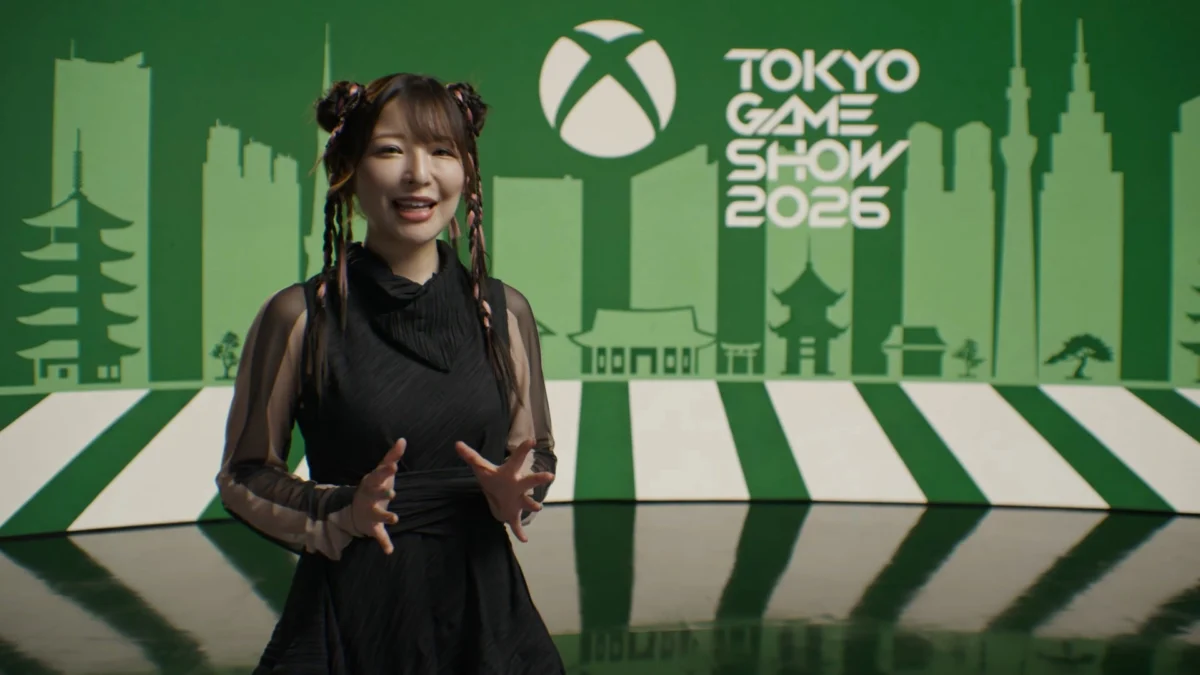
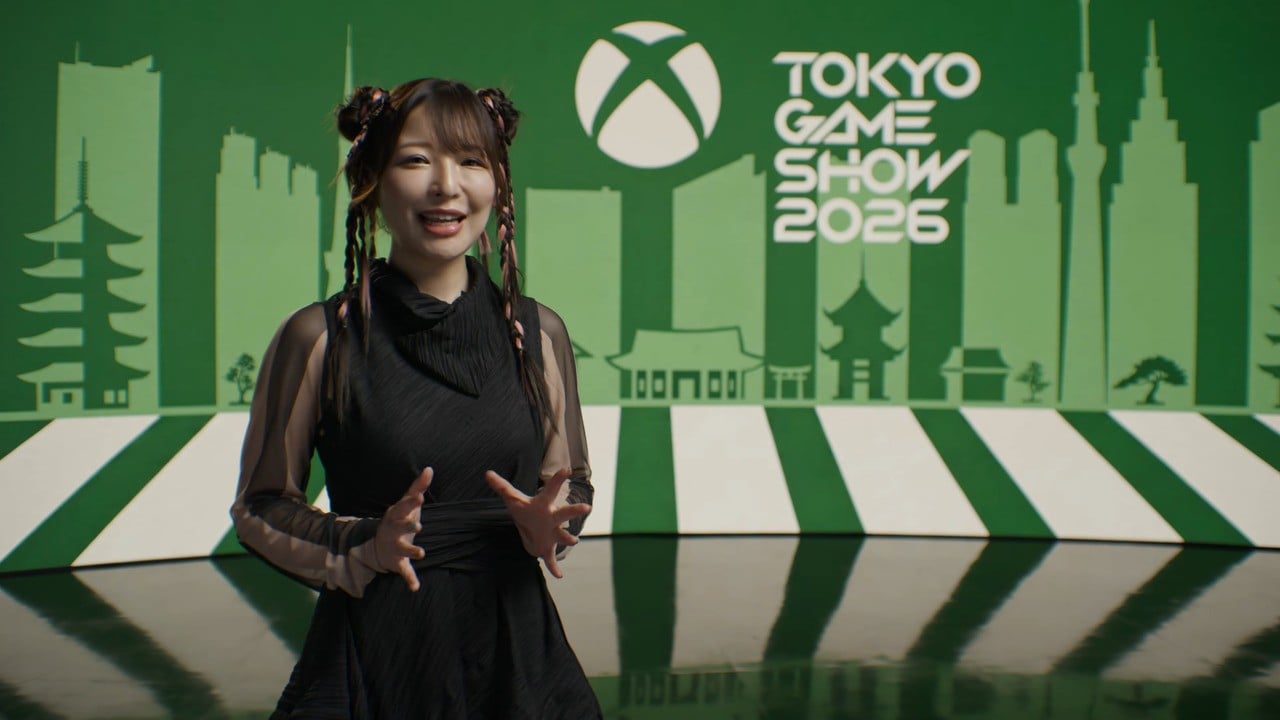
The conclusion of the Xbox showcase at the Tokyo Game Show (TGS) 2026 marks a significant milestone in Microsoft’s ongoing efforts to solidify its presence within the Japanese and broader Asian gaming markets. As the dust settles on the event, industry analysts, consumers, and stakeholders are evaluating the breadth of announcements, the depth of third-party partnerships, and the technical execution of a presentation designed to bridge the historical gap between the Western-centric Xbox brand and the unique demands of the Eastern gaming landscape. This year’s showcase was characterized by a distinct focus on localized content, high-profile collaborations with Japanese developers, and a reinforced commitment to the Xbox Game Pass ecosystem as a primary vehicle for regional growth.
The Strategic Framework of the TGS 2026 Showcase
The Tokyo Game Show has historically served as a challenging venue for Microsoft, a company that has spent two decades attempting to gain a foothold in a market traditionally dominated by Sony and Nintendo. However, the 2026 showcase demonstrated a shift in strategy. Rather than merely presenting Western titles with Japanese subtitles, Microsoft curated a lineup that prioritized "Japan-first" content. This included world premieres from storied Japanese franchises and the introduction of indie titles developed within the Tokyo and Osaka creative hubs.
The event, which lasted approximately 50 minutes, was broadcast globally with multi-language support, reflecting the international interest in how Japanese developers are utilizing Xbox hardware. The narrative of the showcase was built around three pillars: the expansion of the Xbox Game Pass library with day-one Japanese titles, the technical optimization of first-party titles for the Asian market, and the strengthening of the Xbox Global Publishing initiative.
Chronology of the Event: A 50-Minute Breakdown
The showcase commenced at 6:00 PM JST with a pre-recorded introductory message from Phil Spencer, CEO of Microsoft Gaming, and Sarah Bond, President of Xbox. Their remarks emphasized the "symbiotic relationship" between Xbox and Japanese creators.
- The Opening Act (0-15 Minutes): The show opened with a high-octane trailer for a major third-party JRPG from a prominent publisher, confirming its day-one availability on Xbox Game Pass. This was followed by a montage of updates for existing titles, including localized content for "Halo Infinite" and "Forza Motorsport," specifically designed to appeal to the Japanese aesthetic and racing culture.
- The Mid-Show Deep Dive (15-35 Minutes): The central portion of the broadcast was dedicated to the "Xbox Global Publishing" segment. This featured three new titles from independent Japanese studios. A significant portion of time was allocated to a developer interview with a legendary Japanese game designer, discussing the integration of Xbox Cloud Gaming to reach mobile-first players in Japan and South Korea.
- The Hardware and Services Segment (35-45 Minutes): Microsoft provided data on the growth of the Xbox ecosystem in Asia. This included the announcement of a limited-edition console variant inspired by traditional Japanese art, intended for the regional market. Details regarding the expansion of Xbox Cloud Gaming infrastructure in Southeast Asia were also disclosed.
- The "One More Thing" (45-50 Minutes): The showcase concluded with a teaser for a highly anticipated sequel from a first-party studio, featuring a setting and themes deeply rooted in Eastern folklore, signaling a long-term commitment to culturally relevant storytelling.
Data and Market Performance: The Context of 2026
To understand the weight of the TGS 2026 showcase, it is necessary to examine the empirical data surrounding Xbox’s performance in the region over the preceding 24 months. According to market research data from 2025, Xbox hardware sales in Japan saw a year-on-year increase of 18%, largely driven by the affordability of the Xbox Series S and the value proposition of Game Pass.
Furthermore, internal Microsoft data suggested that the "time spent playing" Japanese-developed titles on Xbox consoles worldwide increased by 40% between 2024 and 2026. This statistic served as the primary justification for the heavy investment in TGS 2026. The company’s goal is to transition from being a "secondary console" in Japanese households to a primary gaming destination.
In the 12 months leading up to the 2026 event, Microsoft successfully integrated several high-profile Japanese franchises into Game Pass, including titles from Sega’s Persona series and Capcom’s Monster Hunter series. This preemptive strategy ensured that the TGS 2026 showcase was not an isolated marketing event but rather the culmination of a multi-year acquisition and partnership roadmap.
Official Responses and Industry Reactions
Following the showcase, representatives from several major Japanese publishers issued statements regarding their collaboration with Microsoft. A spokesperson from a leading Tokyo-based studio noted, "The technical support provided by the Xbox ATG (Advanced Technology Group) has allowed our teams to push the boundaries of visual fidelity while ensuring our titles are accessible to a global audience through Game Pass."
Industry analysts have been largely positive, though cautious. Financial analysts from the Tokyo Stock Exchange observed that while Microsoft’s software strategy is sound, the brand still faces significant hurdles in hardware brand loyalty. "The 2026 showcase was arguably Microsoft’s most coherent presentation in Japan to date," stated one senior analyst. "By focusing on the ‘Game Pass’ value rather than just ‘Xbox’ the hardware, they are successfully navigating the competitive landscape where Sony and Nintendo have historically held an unbreakable grip."
Within the gaming community, the reaction has been measured. Early polling data from digital platforms indicated a 72% approval rating for the showcase content, with the highest marks given to the surprise "day-one" additions to the subscription service. However, some critics pointed to a lack of "AAA" first-party reveals that specifically targeted the Japanese demographic, suggesting that while the third-party partnerships are strong, Microsoft’s internal studios still have progress to make in regional cultural alignment.
Broader Implications for the Gaming Industry
The Xbox Tokyo Game Show 2026 event carries implications that extend beyond mere product announcements. It signifies a broader shift in the "Console Wars" of the mid-2020s. As the industry moves toward a platform-agnostic future, Microsoft’s aggressive push into Japan serves as a blueprint for how a Western company can leverage cloud technology and subscription models to bypass traditional retail barriers.
- The Cloud Gaming Frontier: The emphasis on mobile compatibility during the showcase highlights the importance of the Asian market’s mobile-first gaming habits. By optimizing JRPGs and action titles for touch controls and cloud streaming, Microsoft is positioning itself to capture a demographic that may never own a traditional home console.
- Cultural Exchange in Development: The "Xbox Global Publishing" initiatives showcased at TGS 2026 suggest a more collaborative approach to game development. By funding and supporting Japanese indies, Microsoft is diversifying its portfolio, which in turn provides Western players with access to unique titles they might otherwise have missed.
- Competitive Pressure: The success of this showcase places increased pressure on competitors. With Microsoft securing day-one releases for titles that were previously PlayStation exclusives, the exclusivity landscape is becoming increasingly fragmented, forcing all major players to reconsider their regional strategies.
Analysis of the "Verdict" and Consumer Sentiment
The request for a "verdict" or "grade" from the audience, as seen in various gaming outlets, reflects the participatory nature of modern gaming journalism. For Microsoft, these grades are more than just social media engagement metrics; they are vital data points that influence future marketing spend and partnership negotiations.
A "Grade A" performance at TGS 2026 would require not just good games, but a clear demonstration of long-term stability in the region. Based on the factual output of the event—including the announcement of localized hardware, the commitment to indie developers, and the expansion of the Game Pass library—the event appears to have met the strategic objectives set by the leadership in Redmond.
Conclusion: A Pivot Toward 2027 and Beyond
As Microsoft moves forward from Tokyo Game Show 2026, the focus will inevitably shift to the execution of the promises made during the 50-minute broadcast. The success of the showcase will ultimately be measured by the subscription growth in the Asian territory over the next four fiscal quarters and the critical reception of the Japanese titles featured during the event.
In summary, the Xbox TGS 2026 showcase was a calculated, data-driven effort to redefine the brand’s identity in Asia. By moving away from the "outsider" persona and embracing a role as a facilitator for Japanese creativity, Microsoft has positioned itself as a serious contender in the world’s most vibrant gaming market. Whether this momentum can be sustained into 2027 remains a point of observation for industry experts, but for now, the 2026 event stands as a testament to the power of localized strategy and digital distribution in the modern era of interactive entertainment.