


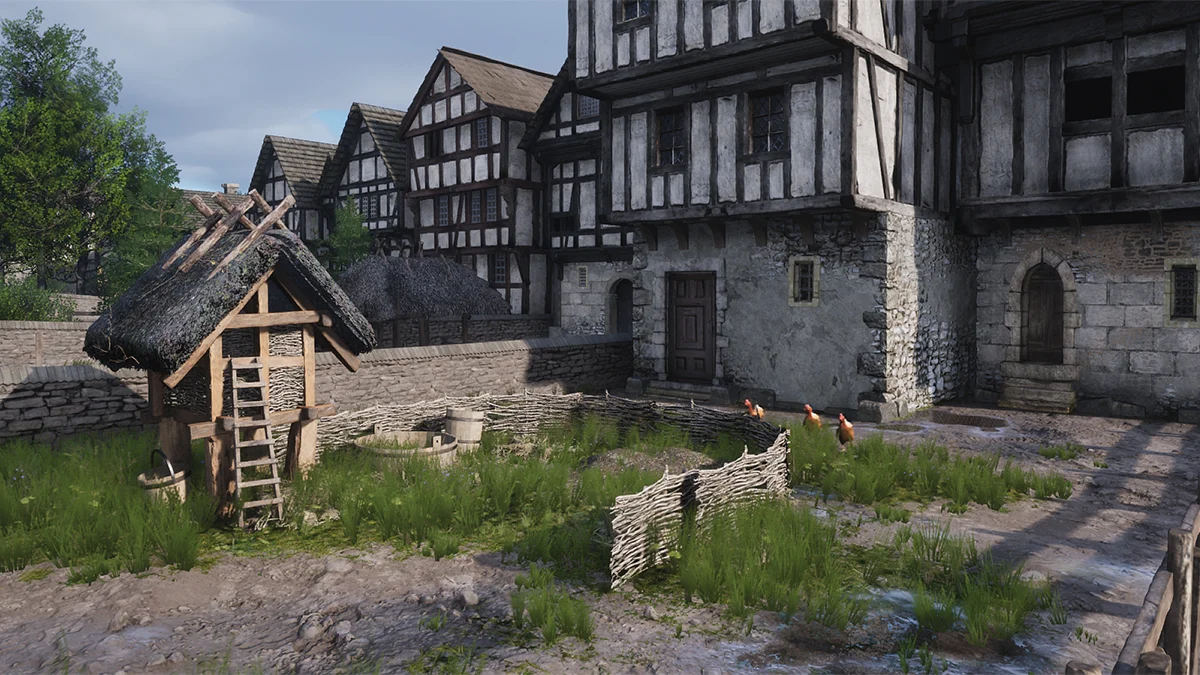
Upon embarking on the challenging yet rewarding journey of medieval village management in Manor Lords, players are initially granted a modest contingent of five families. This seemingly small number quickly underscores a fundamental truth of early settlement: population is the lifeblood of progress. Without a growing populace, the ambitions of expanding a fledgling hamlet into a bustling regional hub remain elusive. The intricate process of attracting new families and sustaining their presence is not immediately transparent, demanding a nuanced understanding of the game’s core mechanics. This guide delves into the strategic imperatives for fostering demographic expansion, detailing the critical elements of Approval and Living Space, and outlining the chronological steps and considerations for achieving a thriving settlement.
Understanding the Core Mechanics: Approval and Living Space
The foundational pillars of population growth in Manor Lords are meticulously intertwined: Approval and Living Space. These two metrics dictate whether new families will choose to settle in a player’s domain, and crucially, whether existing families will opt to remain. Effective management of both is paramount for any lord aspiring to see their banners fly over a prosperous and populous territory.
The Approval Metric: A Barometer of Village Satisfaction
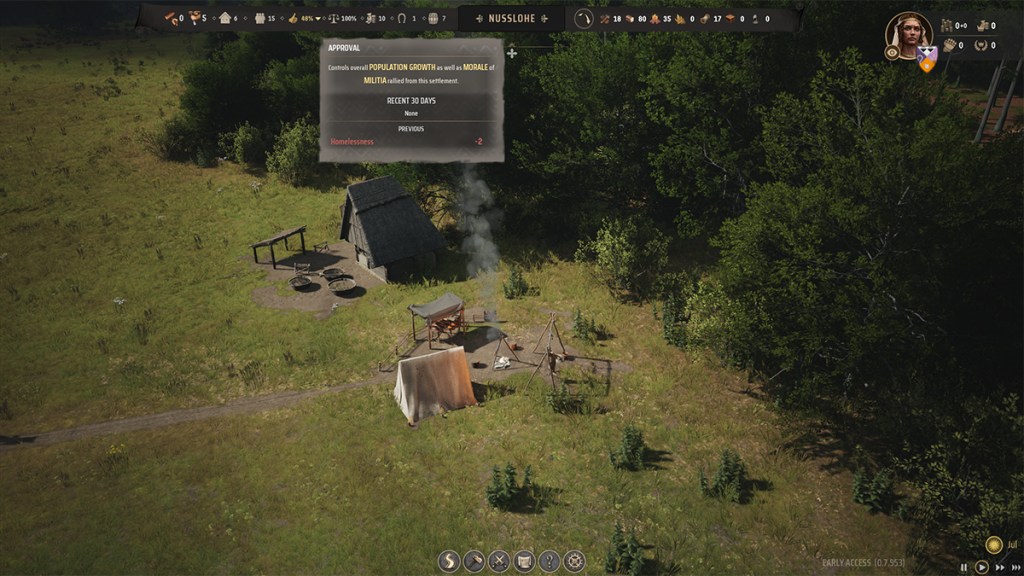
Approval, represented by a prominent bar located at the top-left of the user interface, serves as the primary indicator of your villagers’ collective satisfaction and optimism regarding their lives under your rule. This metric is not merely an aesthetic element; it is a dynamic system directly influencing the migratory patterns of families. The game’s design mandates a proactive approach to maintaining high Approval, transforming it from a passive statistic into an active management objective.
- The Thresholds of Growth: The Approval rating operates on distinct thresholds, each triggering specific demographic outcomes.
- Below 25% Approval: This critical low point signifies widespread discontent. Villagers will perceive their quality of life as untenable, leading to a steady outflow of families from the village. This emigration can cripple a nascent settlement, depleting its workforce and stalling all progress. Recovering from such a significant dip requires urgent and substantial interventions to address the root causes of dissatisfaction.
- 50% Approval and Above: Reaching and maintaining this moderate level of Approval is the baseline for sustainable growth. At 50% or higher, the village becomes sufficiently attractive to draw in new settlers, resulting in one new family arriving per month. This rate, while steady, requires consistent effort to sustain and is often the initial target for players aiming for gradual expansion.
- 75% Approval and Above: Achieving this elevated level of Approval signifies a truly flourishing settlement where villagers are not just content but actively optimistic. Such high satisfaction accelerates population growth, attracting two new families per month. This accelerated influx is crucial for rapid mid-game expansion, enabling the construction of larger infrastructure, the establishment of more complex industries, and the bolstering of the village’s economy and defense.
The fluctuating nature of Approval means that strategic planning must consider both immediate needs and long-term sustainability. A sudden drop in a vital resource or the neglect of basic amenities can swiftly erode Approval, highlighting the interconnectedness of all village systems.
The Necessity of Living Space: Burgage Plots as the Foundation
While high Approval acts as the magnet, Living Space provides the physical infrastructure for new families. In Manor Lords, this primarily comes in the form of Burgage Plots. Each Burgage Plot, once constructed, offers housing for one family. It is not enough to simply attract families; there must be a vacant home for them to occupy upon arrival.
- Proactive Housing Development: A common pitfall for new lords is to build housing only when families are already seeking to move in. However, to facilitate smooth and continuous growth, it is a strategic imperative to construct Burgage Plots ahead of demand. This foresight ensures that the moment a new family decides to settle, a home is immediately available. This proactive approach prevents temporary homelessness, which can paradoxically occur even with high Approval if no housing is available, leading to negative impacts on villager morale and potentially a drop in Approval.
- The Cost-Benefit of Early Investment: Building Burgage Plots requires resources (timber, and potentially other materials for upgrades). While this represents an upfront investment, the long-term benefits of a steadily growing population—more labor, increased tax revenue, and expanded economic capabilities—far outweigh the initial costs. It is a fundamental economic principle within the game: invest in your people, and they will, in turn, contribute to your prosperity.
Early Game Strategies for Rapid Approval Generation
The initial phase of Manor Lords is a delicate balancing act, prioritizing the most impactful actions to secure early Approval and lay the groundwork for future growth. The focus here is on addressing the fundamental needs of the populace: food, shelter, and basic amenities.
Establishing Fundamental Needs: Food and Shelter
The very first steps in attracting villagers involve demonstrating that your settlement can provide for their most basic requirements. This means ensuring a stable and varied food supply and adequate housing.
-
Diverse Food Supply: The Cornerstone of Contentment:
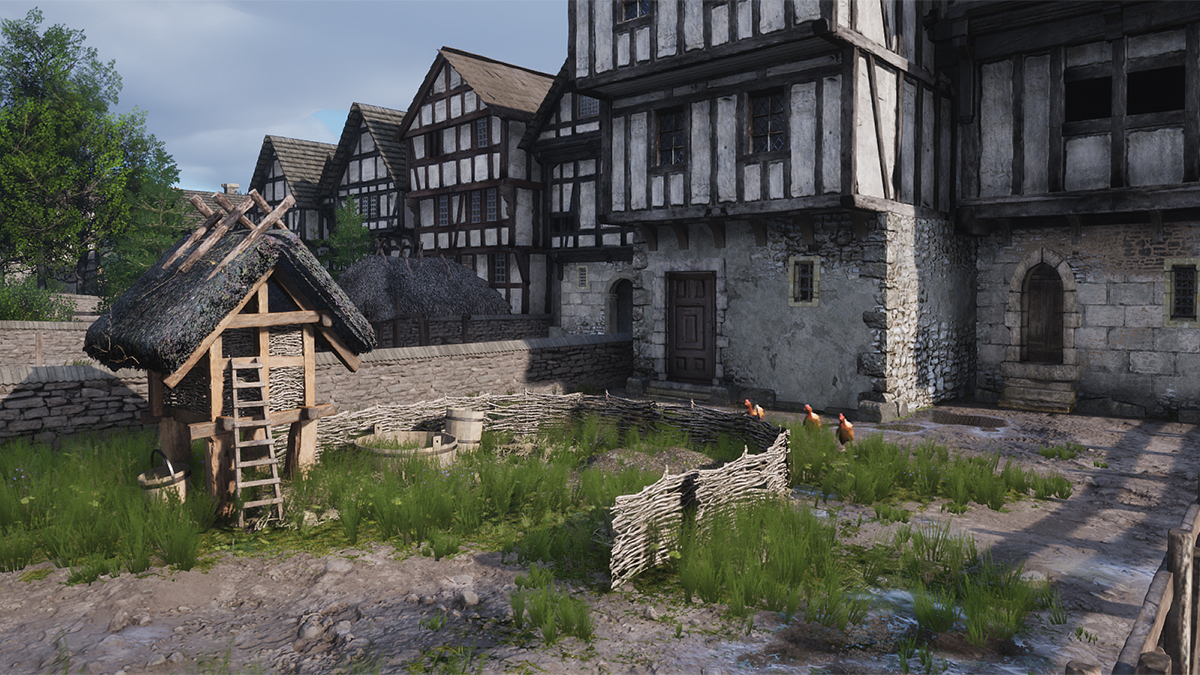
- Hunting Camp: One of the earliest and most efficient ways to secure a consistent food source is through a Hunting Camp. Strategically placed near rich wildlife deposits, a hunting camp provides a steady supply of meat. This contributes significantly to the ‘Food Variety’ aspect of Approval.
- Forager Hut: Complementing the hunting camp, a Forager Hut, especially when placed in proximity to berry bushes, offers a seasonal but crucial alternative food source. Berries, like meat, add to the diversity of available foodstuffs, which is more impactful on Approval than simply having a large quantity of a single food type. The game rewards a varied diet, reflecting historical medieval dietary concerns where monotonous diets were a source of hardship.
- Storage and Distribution: It is not enough to simply produce food; it must be stored and made accessible. Constructing a Storehouse and ensuring a marketplace is established are vital steps. The marketplace serves as the central hub for villagers to acquire goods, and a well-stocked market with diverse offerings directly boosts Approval. Neglecting storage can lead to spoilage, effectively negating production efforts.
-
Adequate Housing: The Role of Burgage Plots:
- Initial Construction: Immediately after establishing initial resource gathering and food production, players should prioritize constructing Burgage Plots. The initial five families need homes, and constructing a few extra plots provides immediate vacancies for the first wave of new settlers.
- Building Ahead of Demand: As previously emphasized, maintaining a small buffer of empty Burgage Plots is a robust strategy. This preemptive construction mitigates the risk of homelessness, which carries a significant negative Approval penalty. The cost of a few unused plots is a small price to pay for uninterrupted population growth and high morale.
- Strategic Placement: While the immediate goal is simply to build homes, considering future upgrades and amenities when placing Burgage Plots can save significant reorganization later. Proximity to potential markets, wells, and churches will become crucial for Burgage Plot upgrades.
Elevating Village Life: Amenities and Market Supply
Once basic needs are met, the next stage of Approval generation involves enhancing the quality of life through amenities and a robust marketplace. These elements are not just luxuries; they are explicit requirements for upgrading Burgage Plots, which in turn unlock higher levels of Approval and economic potential.
Burgage Plot Levels and Amenity Requirements
Burgage Plots are not static structures; they can be upgraded through three distinct levels, each demanding increasing levels of amenities and services. Each upgrade further boosts Approval and unlocks new capabilities, such as backyard extensions for productive industries.
-
Level 1 Requirements: Well and Church:
- The Well: Access to clean water is a fundamental amenity. Building a Well within the proximity of Burgage Plots is a direct requirement for their upgrade to Level 1. Beyond the mechanical requirement, a well symbolizes improved hygiene and convenience for villagers, contributing to their overall well-being and, consequently, Approval. Strategic placement is key; one well can serve multiple plots if positioned centrally.
- The Church: Spiritual welfare was a significant concern in medieval society. Constructing a Church provides a place of worship and community gathering, fulfilling a crucial social and spiritual need. Like the well, a church must be within a reasonable distance of Burgage Plots to satisfy their upgrade requirement. Its presence also generally contributes to the "faith" aspect of Approval, making villagers feel more secure and cared for.
-
Level 2 and 3 Requirements: While the early game focuses on Level 1, it’s important to understand the trajectory. Upgrading to Level 2 and Level 3 Burgage Plots will demand more sophisticated amenities, such as a Tavern (providing ale), a greater variety of market goods, and potentially specialized services. This tiered system encourages players to continuously expand their village’s infrastructure and economic complexity to keep pace with their growing population’s demands.
Marketplace Dynamics: The Hub of Commerce and Contentment
A functional and well-supplied Marketplace is indispensable for maintaining high Approval. Villagers need consistent access to a variety of goods to meet their daily needs and desires.
- Establishing a Marketplace: The first step is to designate an area as a Marketplace. This simple action allows vendor stalls to be set up.
- Ensuring Consistent Supply: The core challenge is to ensure that these stalls are consistently stocked with a diverse array of goods.
- Food: Beyond meat and berries, players should strive to introduce bread (requiring farms and bakeries) and vegetables as soon as possible.
- Fuel: Firewood and charcoal are essential for heating homes, especially during winter. A lack of fuel can cause significant discontent.
- Clothing: Basic clothing items, initially derived from hides (tannery) and later from flax/wool (weaver), contribute to villager comfort and Approval.
- Variety Boosts Approval: The game explicitly rewards a variety of goods available at the market. A market offering 3-4 different food types, fuel, and clothing will generate much higher Approval than one offering only a single staple. This encourages players to diversify their economy beyond mere subsistence.
Preventing Decline: Addressing Negative Approval Factors
Maintaining Approval is as much about proactive growth as it is about mitigating negative influences. Several factors can swiftly erode villager satisfaction, leading to stagnation or even decline.
- The Peril of Homelessness: As highlighted, even a temporary state of homelessness for new or existing families can drastically reduce Approval. This is why having vacant Burgage Plots is a critical safeguard.
- Food Shortages and Monoculture: A severe lack of food, or an over-reliance on a single food source that then fails (e.g., a bad berry harvest in winter), will quickly plummet Approval. Villagers who are hungry or suffer from a monotonous diet become unhappy.
- Lack of Amenities: Failing to provide essential amenities (wells, churches) or neglecting to upgrade Burgage Plots when possible will lead to a gradual decay of Approval. Villagers expect their quality of life to improve as the village grows.
- Other Factors: While less prevalent in the very early game, factors like lack of fuel during winter, high crime rates (requiring a stocks or guard post later), and outbreaks of disease (linked to hygiene and food quality) can severely impact Approval. A lord must be vigilant across all aspects of village management.
Developer Intent and Game Design Philosophy
The meticulous design of Manor Lords’ population mechanics by Slavic Magic underscores a clear philosophical approach: the game champions organic, balanced development over rapid, unchecked expansion. The Approval system, in particular, acts as a sophisticated feedback loop, directly connecting a player’s managerial competence to tangible demographic outcomes.
The developer’s intent appears to be to encourage thoughtful planning and resource allocation. Players cannot simply spam housing units; they must consider the entire ecosystem of their village. The tiered requirements for Burgage Plot upgrades, the emphasis on food variety, and the punitive effects of neglect (like homelessness or fuel shortages) all serve to reinforce the idea that a successful medieval lord is one who cares for their people’s well-being. This design philosophy creates a more immersive and challenging experience, where every decision has palpable consequences, echoing the realities of historical settlement management. It moves beyond typical city-builder tropes of simply accumulating resources, instead focusing on the quality of life for individual families.
Beyond the Basics: Mid-Game Population Management and Economic Implications
Once the initial hurdles are overcome and a steady stream of new families begins to populate the village, the implications of population growth extend far beyond mere numbers. A growing populace unlocks deeper economic, military, and administrative possibilities, transforming the village into a more complex and self-sufficient entity.
Scaling Up: From Foraging to Farming and Industry
A larger population provides the critical workforce necessary to transition from rudimentary resource gathering to more advanced and productive industries.
- Agriculture and Farming: With more families, players can establish proper farms, cultivating large fields of wheat, barley, or flax. This requires significant manpower for plowing, sowing, harvesting, and milling. The ability to produce staple crops like wheat (for bread) is a game-changer for food security and economic stability, allowing for the feeding of a much larger population than foraging alone.
- Resource Extraction: Mines for iron or stone, and expanded logging camps, demand a dedicated workforce. A growing population allows for specialization, where certain families can be assigned solely to these laborious tasks, ensuring a consistent supply of essential raw materials for construction, tools, and trade.
- Specialization and Workshops: As families grow, they can be assigned to backyard extensions of Burgage Plots, converting them into workshops. These workshops can produce tools, clothing, weapons, and other manufactured goods, creating complex production chains and significantly boosting the village’s economic output and trade potential. Each specialized workshop requires a family to operate it, making population a direct enabler of industrial development.
Economic Development and Taxation
A larger population directly translates into a more robust economy and increased potential for regional wealth.
- Increased Tax Revenue: Each Burgage Plot generates a small amount of regional wealth (taxes). As the number of occupied plots increases, so does the lord’s treasury, providing funds for larger construction projects, hiring mercenaries, or investing in regional development.
- Trade and Export: With more specialized workshops and a larger workforce, villages can produce surplus goods for trade. Establishing trade routes and trading posts becomes feasible, allowing players to acquire resources they lack or sell excess production for significant profit, further fueling economic growth.
- Market Expansion: A larger population naturally demands a larger and more varied market. This encourages the production and import of a wider array of goods, creating a dynamic internal economy that satisfies villager needs and generates further Approval.
Military and Defense
Beyond economic prosperity, population is a critical factor in a lord’s ability to exert power and defend their territory.
- Militia Recruitment: A larger pool of families means a larger potential militia. Militias are essential for dealing with bandit camps, defending against rival lords, and eventually conquering new territories. Without a substantial population, raising a capable fighting force is impossible, leaving the village vulnerable.
- Regional Control: The ability to field a strong militia directly impacts a player’s capacity to assert regional control, claim valuable resource deposits, and protect trade routes. Population thus underpins military might and geopolitical influence within the game world.
The Virtuous Cycle of Growth
The Manor Lords system creates a virtuous cycle: initial investments in Approval and housing attract new families. These new families provide the labor force needed to expand food production, build more advanced industries, and construct more amenities. These advancements, in turn, further boost Approval, attracting even more families, perpetuating the cycle of growth and prosperity. Breaking this cycle, through neglect or mismanagement, can lead to a downward spiral of declining Approval and population loss.
Strategic Planning and Long-Term Vision
Ultimately, success in Manor Lords hinges on a lord’s ability to maintain foresight and adapt. The game rewards strategic planning, where immediate needs are balanced with a long-term vision for urban layout, resource management, and economic specialization. Players must constantly monitor their Approval, anticipate resource shortages, and plan for future housing and amenity needs. Adapting to seasonal changes, such as the scarcity of berries in winter, and preparing for unforeseen challenges, like bandit raids, are all part of the continuous management cycle that a growing population demands.
In conclusion, the journey from five humble families to a sprawling, prosperous medieval settlement in Manor Lords is a testament to meticulous planning and thoughtful management. By understanding and diligently addressing the critical interplay of Approval and Living Space, ensuring diverse food and amenities, and proactively building infrastructure, players can navigate the early game challenges and unlock the full potential of their burgeoning domain. Population is not merely a number; it is the engine of civilization, driving every aspect of progress and defining the ultimate legacy of a lord’s rule.