


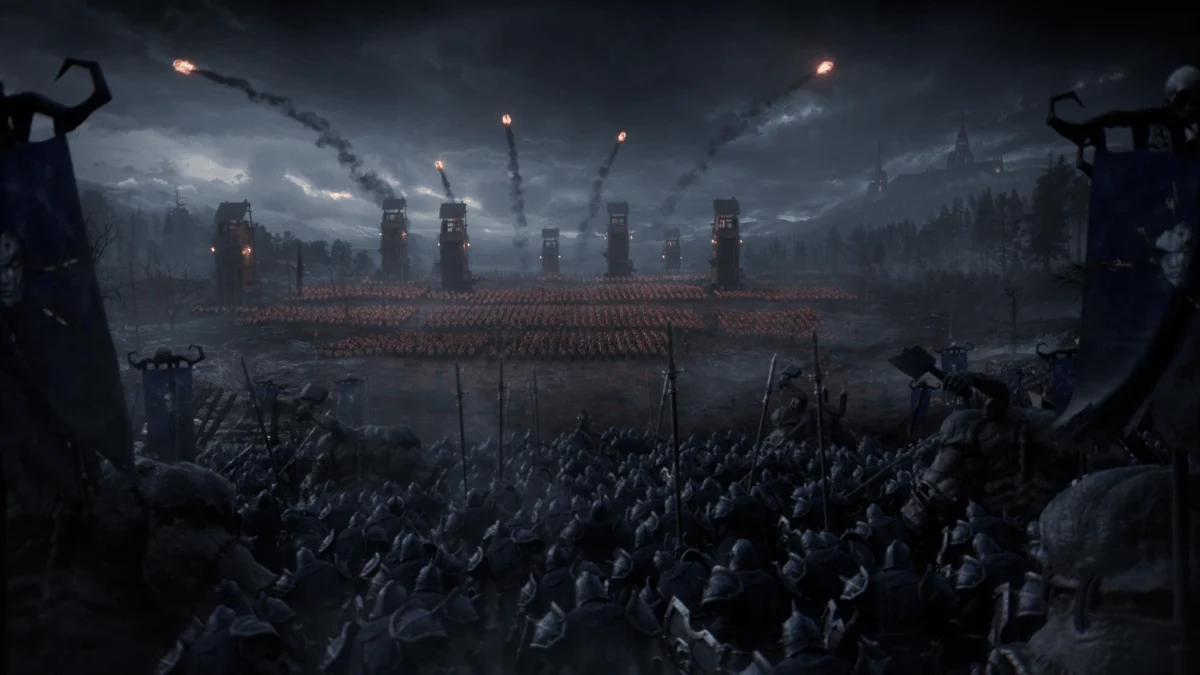
Blizzard Entertainment has officially launched Warcraft III: Forsaken Kingdom, a significant expansion arriving more than two decades after the franchise’s last major real-time strategy (RTS) content update. Unveiled unexpectedly at BlizzCon, the expansion serves as both a narrative bridge and a technical corrective for a series that has experienced a tumultuous decade. Featuring two expansive campaigns, a new hero for multiplayer rosters, and a comprehensive graphical overhaul, Forsaken Kingdom attempts to reconcile the legacy of the original 2002 masterpiece with the modern expectations of a global gaming audience. This expansion marks the first substantial addition to the Warcraft III ecosystem since 2003’s The Frozen Throne, aiming to mend the reputational damage caused by the 2020 release of Warcraft III: Reforged.
A Historical Perspective on the Warcraft RTS Legacy
To understand the weight of the Forsaken Kingdom release, one must examine the historical trajectory of the RTS genre. In 2001, Blizzard Entertainment was at the zenith of the strategy market. Having already secured the competitive landscape with StarCraft, the company sought to evolve the genre by blending traditional base-building with role-playing game (RPG) mechanics. The result, Warcraft III: Reign of Chaos (2002), introduced "Heroes"—powerful units with leveling systems, inventories, and unique abilities—that shifted the focus from mass-unit production to tactical micro-management.
The game’s impact extended beyond its own campaign. The inclusion of a robust World Editor allowed the community to develop custom maps, one of which, Defense of the Ancients (Dota), birthed the multi-billion-dollar MOBA (Multiplayer Online Battle Arena) industry. Despite the 2004 launch of World of Warcraft (WoW), which shifted the franchise’s primary focus toward the Massively Multiplayer Online (MMO) genre, Warcraft III maintained a dedicated competitive following for over twenty years.

The Reforged Crisis and the Path to Redemption
The path to Forsaken Kingdom was necessitated by the critical and commercial failure of Warcraft III: Reforged in 2020. Marketed as a ground-up reimagining of the classic title, Reforged was met with widespread derision upon release. Players cited broken promises regarding cinematics, a lack of social features that existed in the 2002 original, and a graphical style that many felt lacked the charm of the initial designs. Technical instability and a controversial update to the End User License Agreement (EULA)—which claimed ownership of all community-created mods—led to Reforged becoming one of the lowest-rated games in history on user-review aggregators.
In the six years following that debacle, Blizzard’s internal "Classic Games" structures underwent significant shifts. Forsaken Kingdom represents the culmination of a long-term recovery effort. According to industry analysts, this expansion is not merely a content drop but a strategic move to restore brand equity before potentially exploring a full Warcraft IV or further RTS integrations under the Microsoft gaming umbrella.
Narrative Scope: Bridging the Four-Year Gap
The primary draw of Forsaken Kingdom is its narrative content, which addresses a long-standing "blind spot" in the Warcraft timeline. The expansion focuses on the four-year interval between the conclusion of the Warcraft III: The Frozen Throne and the beginning of World of Warcraft.
The story is split into two distinct segments: a four-chapter Prologue and the main Forsaken Campaign. The Prologue begins with a masterstroke of nostalgia, placing players in the capital city of Lordaeron mere minutes before the infamous cinematic where Prince Arthas Menethil returns to betray his father, King Terenas. Players take on the role of a minor official tasked with preparing the city for the prince’s arrival, an objective that culminates in the delivery of the rose petals seen in the original 13-year-old cinematic.

The subsequent Forsaken Campaign explores the rise of Sylvanas Windrunner and the establishment of the Undercity. This period of history, previously confined to novels and retroactive lore in WoW, is here given the interactive treatment. It chronicles the struggle of the undead who regained their free will, their conflict with the remaining human resistance in the Plaguelands, and their eventual alliance of convenience with the Horde.
Gameplay Mechanics: The Shift Toward Hero-Centric Design
Forsaken Kingdom signals a departure from the traditional RTS formula of "gather, build, and destroy." Internal data suggests that only approximately 10% of the mission objectives involve classic base-building. Instead, the expansion leans heavily into the "Rexxar-style" gameplay first introduced in The Frozen Throne’s bonus campaign.
This hybrid ARPG/RTS style focuses on small squads and powerful heroes. Missions often resemble dungeon crawls or tactical skirmishes rather than grand-scale warfare. For instance, several chapters utilize a "laning" mechanic reminiscent of MOBAs, where players must support automated waves of troops to push into enemy territory. While this approach has been praised for its accessibility to players who may have moved away from the high-APM (Actions Per Minute) requirements of competitive RTS play, it has drawn some criticism from purists who argue that the "Strategy" element has been sidelined in favor of "Action."
Blizzard has justified this shift by citing the evolution of the player base. The company noted in a press briefing that the goal was to provide a 20-to-30-hour experience that appeals to both veteran RTS players and World of Warcraft fans who are interested in the lore but may find traditional base management daunting.

Technical Overhaul and Multiplayer Adjustments
A significant portion of the Forsaken Kingdom update is dedicated to rectifying the visual inconsistencies of the Reforged era. The new graphical overhaul introduces a more cohesive art style that bridges the gap between the stylized aesthetic of the 2002 original and the high-fidelity requirements of modern hardware. Environmental textures, lighting engines, and unit animations have been standardized to prevent the "cluttered" look that plagued the 2020 release.
In the multiplayer arena, the expansion introduces the first new "Tavern Hero" in over a decade: the Forsaken Paladin. A fallen holy warrior who utilizes shadow-based variants of traditional Paladin abilities, the hero is designed to be a versatile pick for any of the four playable races. His "Sacred Aura" provides a passive buff to nearby units’ health regeneration, while his ultimate ability can temporarily resurrect fallen friendly units as "Risen" soldiers.
However, the expansion also introduces controversial technical mandates. Forsaken Kingdom removes all remaining Local Area Network (LAN) functionality, replacing it with a mandatory "Always Online" requirement via Battle.net. This move has sparked debate within the competitive community, particularly in regions with inconsistent internet infrastructure, as it effectively ends the era of offline tournament play for the title.
Market Implications and Official Responses
The pricing of Forsaken Kingdom at $29.99 has positioned it as a premium expansion. Market analysts suggest that Blizzard is testing the waters for the viability of the RTS genre in the mid-2020s. Following Microsoft’s acquisition of Activision Blizzard, there has been renewed interest in the company’s legacy IP, and the performance of Forsaken Kingdom is expected to influence future resource allocation for the Warcraft and StarCraft franchises.

In a statement released alongside the launch, a Blizzard spokesperson stated: "Forsaken Kingdom is a love letter to the fans who never gave up on Azeroth. We acknowledged the shortcomings of the past and worked closely with community leaders to ensure this expansion respects the history of the game while providing a new way to experience its most pivotal moments."
While the expansion does not yet apply its graphical updates to the original Reign of Chaos or The Frozen Throne campaigns—a feature Blizzard promises is "in development"—it serves as a standalone platform for new content.
Conclusion: The Future of the Forsaken Kingdom
Warcraft III: Forsaken Kingdom is a complex release that attempts to serve multiple masters. It succeeds as a narrative bridge, providing much-needed context for the transition from the RTS era to the MMO era. Its shift toward RPG-lite mechanics makes it the most accessible Warcraft RTS experience to date, though this comes at the cost of the deep strategic complexity that defined the series’ early years.
As the community digests the new campaigns and integrates the Forsaken Paladin into the competitive meta, the success of the expansion will likely be measured by its longevity and its ability to maintain a stable player base on the updated Battle.net systems. For now, it represents a significant, if imperfect, step toward the restoration of one of gaming’s most storied franchises. Whether it is a final farewell to the Warcraft III engine or the dawn of a new era for the RTS remains to be seen, but Forsaken Kingdom ensures that the bells of Lordaeron will continue to ring for a new generation of players.