


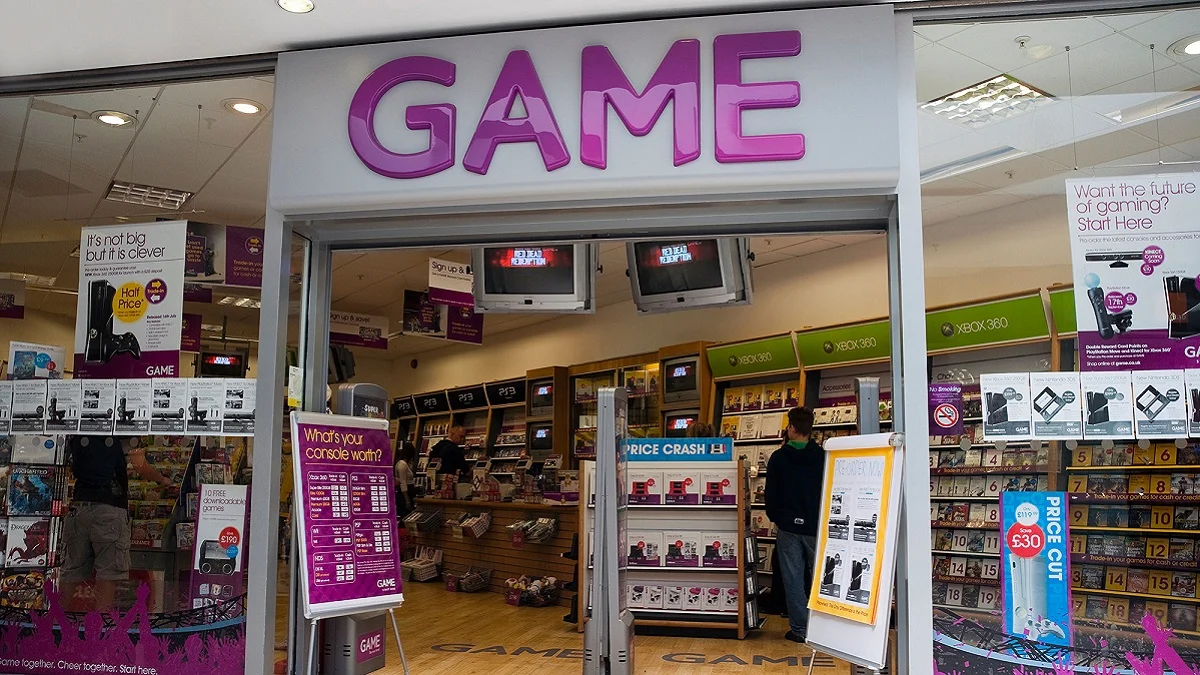
The precarious state of the video game industry, marked by a relentless wave of redundancies and studio closures over the past year, has cast a shadow over the physical retail sector, with UK giant GAME now reportedly informing its staff of potential layoffs. This development, detailed in a recent report by Eurogamer, suggests a significant shift in the company’s employment structure, as a majority of its workforce is being transitioned to zero-hour contracts. While official confirmation from GAME remains pending, anonymous employee accounts paint a stark picture of uncertainty for many within the company.
The reported move towards zero-hour contracts means that non-managerial staff will no longer be guaranteed a fixed number of working hours per week or month. Instead, their employment will be contingent on the company’s fluctuating needs. Employees are anticipating direct communication from GAME via phone or email regarding their individual job statuses. Eurogamer has reached out to GAME for an official statement on these reports.
A Glimpse into GAME’s Past and Present
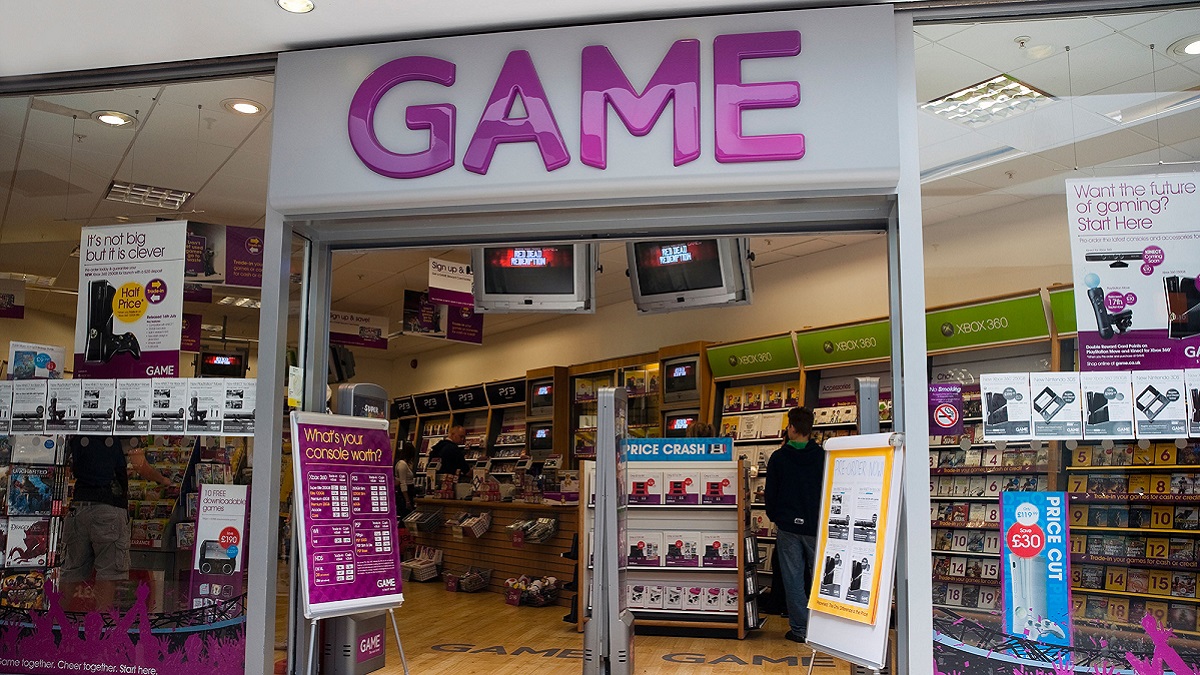
For decades, GAME served as a cornerstone of physical video game retail in the United Kingdom. Established in 1992, the company grew to operate a substantial network of over 250 outlets across the nation, becoming a familiar and often indispensable destination for gamers seeking the latest releases, hardware, and accessories. In its heyday, GAME was more than just a shop; it was a community hub where enthusiasts could browse, discuss, and pre-order their most anticipated titles, often fostering a sense of shared passion. The tangible experience of holding a game box, perusing the shelves, and engaging with knowledgeable staff was a significant part of the gaming culture for many.
However, the inexorable rise of digital distribution platforms and the increasing prevalence of online game purchases have fundamentally altered the retail landscape for physical media. This seismic shift has presented significant challenges for traditional brick-and-mortar retailers like GAME. The convenience, often coupled with competitive pricing and instant access, offered by digital storefronts on consoles and PC has gradually eroded the market share of physical game sales.
In a bid to navigate these turbulent waters, GAME underwent a significant change in ownership. In 2019, the company was acquired by the Frasers Group, a prominent British retail conglomerate formerly known as Sports Direct International. This acquisition signaled an attempt to revitalize the struggling retail chain under new management, with the hope of integrating it into the broader Frasers Group portfolio and leveraging its extensive retail expertise.
Despite these efforts, the challenges persisted. Earlier this year, GAME announced the discontinuation of its popular trade-in service. This service, which allowed customers to exchange old games and consoles for credit towards new purchases, was a significant revenue stream and a key differentiator for the company. Its cessation further underscored the ongoing pressures faced by GAME and signaled a recalibration of its business model in response to evolving consumer behaviour and market dynamics.
The Broader Context: A Challenging Year for the Gaming Industry
The reported difficulties at GAME are not isolated incidents but rather symptomatic of a wider, systemic upheaval within the global video game industry. The past year has been characterized by an unprecedented number of layoffs and studio closures, impacting developers, publishers, and associated businesses alike. This trend is driven by a confluence of factors, including economic headwinds, the normalization of a post-pandemic market, and shifts in investment strategies.
Several major industry players have announced significant workforce reductions. Activision Blizzard, prior to its acquisition by Microsoft, underwent substantial layoffs. Similarly, Electronic Arts, Riot Games, and Epic Games have all reported significant staff cuts, affecting hundreds, and in some cases, thousands of employees. These cuts have often been attributed to restructuring, cost-saving measures, and a recalibration of project pipelines in response to market saturation and evolving consumer demand.
The closure of studios, both large and small, has also become a distressing regularity. This can be attributed to a variety of reasons, including project cancellations, financial insolvency, or the strategic consolidation of assets by larger corporations. The impact of these closures extends beyond the immediate loss of jobs, often leading to the dissolution of established development teams and the potential loss of intellectual property.
Analyzing the Shift to Zero-Hour Contracts
The transition of GAME’s non-managerial staff to zero-hour contracts represents a significant shift in employment security. While zero-hour contracts offer flexibility for both employers and employees, they are often criticized for their inherent instability for workers. Without guaranteed hours, employees are left vulnerable to fluctuations in business demand, making it difficult to budget, plan, and maintain financial stability. This can lead to increased stress and anxiety, particularly for individuals who rely on their income for essential living expenses.
From a business perspective, zero-hour contracts can offer a cost-effective solution for retailers facing unpredictable sales volumes. They allow companies to scale their workforce up or down rapidly in response to seasonal peaks, promotional events, or unforeseen dips in customer traffic. This agility can be crucial for businesses operating in highly competitive and volatile retail environments.
However, the ethical implications of such a widespread transition are significant. It raises questions about the employer’s responsibility to provide a stable and secure working environment for its staff, particularly for a company with a long-standing presence in the market. The long-term impact on employee morale, loyalty, and the overall quality of customer service also warrants consideration. A workforce constantly worried about their next shift is unlikely to be as engaged or motivated as one with a degree of employment security.
Historical Data and Industry Trends
To contextualize GAME’s current situation, it’s essential to consider broader trends in physical retail and the gaming market. According to reports from the Entertainment Retailers Association (ERA), physical video game sales in the UK have seen a consistent decline over the past decade. While digital sales now dominate the market, physical formats still represent a significant portion of revenue, particularly for new releases and collector’s editions. However, the overall market share of physical games has been steadily shrinking.
For instance, data from GfK, a market research firm, has indicated a significant drop in the unit sales of physical games year-on-year. In 2023, the UK games market saw a notable decline in physical game sales compared to previous years, underscoring the ongoing challenges for retailers like GAME. This trend is not unique to the UK; similar patterns are observed across major global markets.
The shift towards digital distribution has been accelerated by the increasing storage capacity of modern consoles and the widespread availability of high-speed internet. Furthermore, the rise of subscription services, such as Xbox Game Pass and PlayStation Plus, offers players access to a vast library of games for a recurring fee, further reducing the perceived need for individual physical purchases.
Timeline of Recent Events
- Early 2024: Reports emerge of GAME ceasing its popular trade-in service, signaling significant operational changes and potential financial pressures.
- Mid-2024 (April): Anonymous GAME staff members inform Eurogamer of being told to expect redundancies and a transition to zero-hour contracts for most non-managerial positions.
- Present: Official confirmation from GAME is still awaited, but the reports indicate a period of significant uncertainty for the company’s workforce.
Potential Implications and Future Outlook
The reported redundancies and shift to zero-hour contracts at GAME could have several far-reaching implications. For the affected employees, it signifies a loss of job security and potential financial instability. This could lead to a decline in morale and a heightened sense of precarity within the workforce. The company may also face challenges in retaining experienced staff, as employees seek more stable employment opportunities elsewhere.
For consumers, the potential reduction in store staff or the restructuring of existing teams could impact the in-store customer experience. The personal interaction and expertise that many associate with physical game stores might diminish, further pushing consumers towards online purchasing.
The long-term viability of GAME as a physical retail entity remains a significant question. The company’s acquisition by Frasers Group in 2019 was an attempt to shore up its financial standing, but the ongoing challenges in the retail sector and the evolving nature of the gaming market suggest that further strategic adjustments may be necessary. The cessation of the trade-in service and the reported redundancies are indicative of a company attempting to adapt to a fundamentally changed market.
It is plausible that GAME will continue to operate, albeit with a significantly altered business model and workforce structure. The focus might shift towards a more streamlined retail operation, potentially with fewer physical locations, and a greater emphasis on digital offerings or exclusive in-store experiences that cannot be replicated online. However, without official comment, the precise future of the brand and its operational strategy remains speculative.
The situation at GAME serves as a stark reminder of the challenges facing traditional retail in the digital age, particularly within the rapidly evolving video game industry. As the market continues to mature and consumer habits shift, companies that fail to adapt may find themselves facing similar pressures. The human element of these industry shifts, the impact on dedicated employees, remains a critical aspect to consider amidst the broader economic and technological transformations. The coming weeks will likely provide more clarity on the extent of these changes and GAME’s strategy for navigating the future of video game retail.