


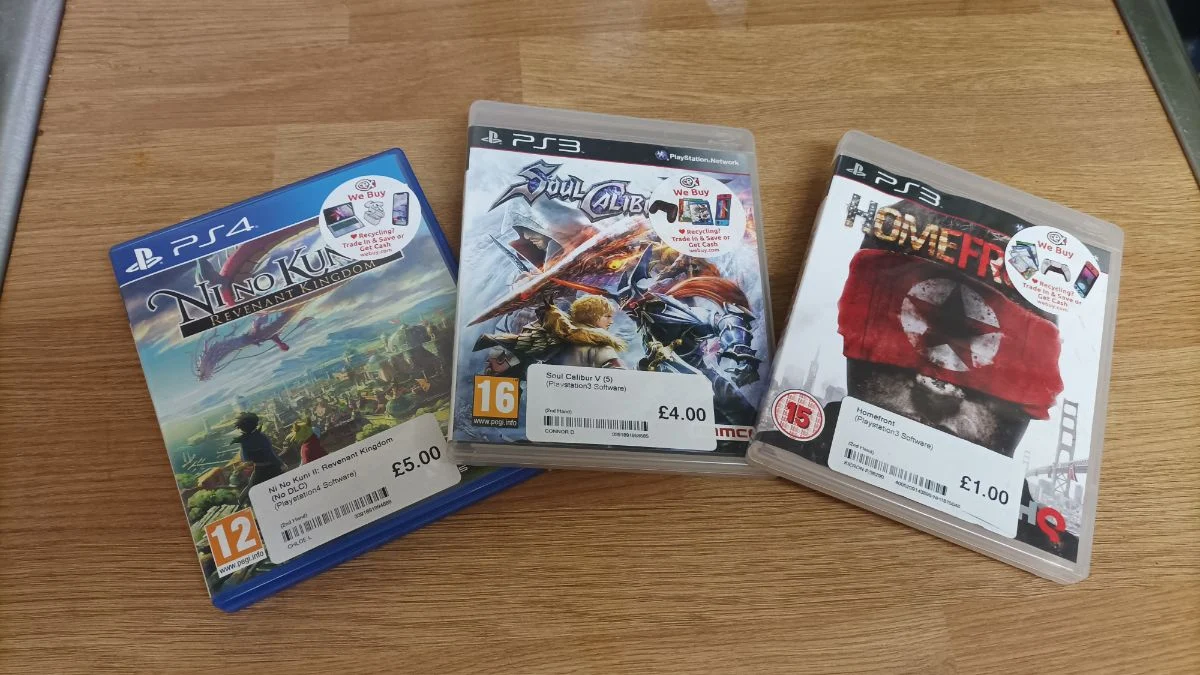
The bustling aisles of a Milton Keynes CeX store, a common weekend scene in the United Kingdom, present a stark contrast to the often sparse retail environments of North American GameStop locations. In the UK, CeX, a chain specializing in the buying and selling of used technology, movies, and video games, thrives on a model that embraces both the latest releases and a robust retro gaming market. This vibrant ecosystem, characterized by customer engagement and a dedicated community, stands in sharp opposition to the challenges faced by GameStop, which has seen declining foot traffic and a shift in consumer habits. In response, GameStop has embarked on a significant strategic initiative, announcing a transition for some of its stores to a "retro model," a move that observers suggest could be a lifeline for the struggling retailer, potentially mirroring the success of its UK counterpart.
The genesis of GameStop’s retro-focused initiative can be traced back to August 28th, when the company officially declared its intention to rebrand a portion of its retail footprint. This announcement, according to reports from prominent gaming channels such as Spawn Wave, was met with a degree of surprise and limited preparation time for store employees. The shift involves a fundamental reorientation of inventory and store design, emphasizing pre-owned consoles and games from previous generations, alongside a curated selection of collectibles like Funko Pop! figures. This strategic pivot is seen by many as a direct response to the evolving landscape of the video game industry, where digital downloads increasingly dominate new game sales, and the physical resale market, particularly for older titles, has seen a resurgence of interest.
Understanding the potential of GameStop’s new direction requires an examination of the model it appears to be emulating: CeX. Founded in 1992 in London, CeX (short for "Complete Entertainment Exchange") has established a formidable presence across the UK, with hundreds of stores offering a comprehensive buy-and-sell service. The core of CeX’s appeal lies in its dual function: it serves as a marketplace for consumers to offload unwanted items – from old games and consoles to mobile phones and laptops – and simultaneously provides an affordable avenue for acquiring pre-owned goods. This consistent flow of inventory, coupled with competitive pricing for both trade-ins and purchases, has fostered a loyal customer base and a unique retail culture.
The author’s firsthand experience, spanning both Canada and the UK, highlights this divergence. While GameStop stores in North America are often characterized by a focus on new releases and merchandise, with a noticeable lack of foot traffic during many hours, CeX stores in the UK are consistently busy, particularly during peak weekend hours. The sight of queues extending beyond the store entrance, with customers actively searching for titles across a wide spectrum of console generations – from the PlayStation 2 and original Xbox to the PlayStation 4 and current-generation PlayStation 5 – is a testament to CeX’s enduring appeal. This contrasts sharply with the author’s observations of GAME, the UK’s equivalent of GameStop, which has seen a significant decline, with many locations integrated into larger retail spaces like Sports Direct and ceasing to accept trade-ins.
The burgeoning interest in retro gaming is not merely anecdotal; it is supported by market trends. The secondary market for vintage video games has experienced significant growth in recent years. Platforms like eBay and dedicated collector forums have seen prices for rare and sought-after retro titles skyrocket, driven by nostalgia, a desire for unique gaming experiences, and the increasing difficulty of acquiring these games through traditional retail channels. This burgeoning market presents a substantial opportunity for retailers willing to cater to it.
Furthermore, a dedicated online community has coalesced around the retro gaming scene, with content creators on platforms like YouTube producing regular videos showcasing their finds at CeX stores. Channels such as Retro Ghetto and TVM frequently document their excursions, highlighting the treasures unearthed and the thrill of discovery. This level of engagement fosters a sense of community and shared passion, turning shopping for retro games into an event rather than a mere transaction. The very name "CeX," though perhaps unconventional, has become synonymous with this vibrant exchange, and even their promotional efforts, like offering "Unprotected CeX" Wi-Fi, contribute to a memorable brand identity.
In stark contrast, North Americans seeking retro games often face a more challenging and expensive landscape. While independent game stores exist in some urban centers, they are not ubiquitous. The primary recourse for many has been online marketplaces like eBay and Amazon, where prices can be inflated by resellers, and shipping costs can further add to the expense. The author’s personal struggle to build a retro game collection in Canada due to prohibitive reseller prices underscores this accessibility issue. The potential for GameStop Retro to alleviate these frustrations by offering a more accessible and affordable entry point into retro gaming could be a significant draw.
Early indications from GameStop Retro locations suggest that pricing may indeed be competitive. Spawn Wave, in his analysis, noted that the prices encountered were "not terrible," especially when compared to the often-inflated costs found on eBay or at gaming conventions. This suggests that GameStop might be aiming to offer a more consistent and predictable pricing structure, a key factor in building consumer trust and encouraging repeat business.
A crucial element that contributes to CeX’s success, and which GameStop could potentially replicate, is the transparency and user-friendliness of its online platform. The CeX website provides real-time stock information for individual stores, allowing customers to check availability and trade-in values before visiting. This level of transparency is invaluable, eliminating the uncertainty often associated with visiting brick-and-mortar stores and allowing customers to plan their trips effectively. In contrast, the author notes the "mystery" involved when visiting a GameStop, suggesting that a similar front-end digital experience could significantly enhance customer interaction and satisfaction.
The author’s personal experience in the UK further illustrates the appeal of CeX’s model. Having returned to the UK four months prior to the article’s writing, the author was able to amass an extensive library of PlayStation 3 and PlayStation 4 titles for minimal cost, acquiring games like Alpha Protocol, Final Fantasy XIII, and PlayStation All-Stars Battle Royale. These titles, offering unique gameplay experiences not readily available on modern platforms, have proven to be highly engaging and addictive. If GameStop Retro can successfully emulate CeX’s combination of value for money and fair trade-in valuations, it could indeed prove to be a viable strategy for the struggling retailer.
However, the path forward for GameStop is not without its complexities, particularly given past corporate decisions. The company has faced criticism for its handling of the closure of Game Informer magazine and the subsequent layoffs of its staff. This history could potentially cast a shadow over consumer perception and willingness to support the brand, even if the retro gaming initiative proves successful from a business standpoint. Building trust and demonstrating a genuine commitment to the gaming community will be paramount.
The implications of GameStop’s retro pivot extend beyond its immediate financial performance. It signals a broader recognition within the retail sector of the enduring appeal of physical media and the collector’s market, even in an increasingly digital world. As younger generations discover or rediscover classic games, and older gamers seek to revisit their formative experiences, the demand for retro titles is likely to persist. GameStop’s success in this niche could inspire other retailers to explore similar strategies, fostering a more diverse and resilient physical game retail landscape.
The timeline of this strategic shift is critical. The announcement in late August suggests an accelerated implementation phase, with stores potentially undergoing transformations in the subsequent months. This rapid deployment could be a strategic move to capitalize on the holiday shopping season or to quickly test the viability of the retro model in various markets. The success of these initial retro stores will likely dictate the extent of the company’s future rollout.
Supporting data from the broader gaming industry further bolsters the argument for a retro focus. Reports from market research firms indicate a steady, albeit niche, growth in the pre-owned games market. While exact figures for the retro segment are often harder to isolate, the sustained interest in vintage consoles and games at auction sites and collector events points to a significant, untapped consumer base. GameStop’s ability to tap into this market effectively could provide a much-needed revenue stream.
In conclusion, GameStop’s ambitious move to embrace a retro gaming model represents a significant gamble, but one with considerable potential. By drawing inspiration from the successful blueprint of UK’s CeX, the company aims to revitalize its retail presence by catering to a growing demand for vintage titles and fostering a community around affordable gaming. The success of this initiative will hinge on its ability to replicate CeX’s transparent pricing, robust trade-in system, and engaging customer experience, while also navigating the challenges of consumer perception and the ever-evolving retail landscape. If executed effectively, GameStop Retro could indeed be the key to powering up the company’s future.