


Game Pass subscribers have experienced a robust start to 2024, with Microsoft’s flagship subscription service maintaining a consistent flow of high-profile and diverse titles throughout January. The month began with the significant inclusion of major AAA releases such as Ubisoft’s sprawling Viking epic, Assassin’s Creed Valhalla, and Capcom’s critically acclaimed survival horror masterpiece, the Resident Evil 2 remake. These initial additions set a high bar for content delivery, immediately bolstering the service’s value proposition. However, the momentum did not wane, as Xbox officially unveiled a second wave of titles slated to join the Game Pass library before the month’s end, alongside a tantalizing glimpse into early February’s offerings. This continuous infusion of new experiences underscores Microsoft’s aggressive strategy to enhance subscriber engagement and reinforce Game Pass’s position as a premier value offering in the competitive gaming landscape.
The First Wave’s Impact: Setting the Tone for January
The commencement of January’s Game Pass offerings was marked by two particularly noteworthy arrivals that garnered considerable attention from the gaming community. Assassin’s Creed Valhalla, which launched in November 2020, represents one of the most expansive entries in Ubisoft’s long-running historical action-adventure series. Praised for its immersive open world, Viking-era narrative, and extensive content, the game received generally positive reviews, with a Metacritic score often hovering in the high 70s to low 80s depending on the platform. Its inclusion provides subscribers with hundreds of hours of exploration and combat, a significant value proposition for a service model. The game’s historical setting, blending myth and historical fiction, along with its intricate RPG mechanics, has ensured its enduring popularity. Its arrival on Game Pass signals a continued partnership between Microsoft and major third-party publishers, bringing established, high-quality titles to the platform.
Equally impactful was the addition of the Resident Evil 2 remake, released by Capcom in January 2019. This title is widely regarded as one of the finest examples of a modern video game remake, faithfully reimagining the PlayStation-era classic with stunning contemporary graphics, enhanced gameplay mechanics, and an intensified horror atmosphere. It achieved widespread critical acclaim, boasting Metacritic scores in the low 90s, and was a commercial success, selling millions of copies worldwide. Its presence on Game Pass not only caters to fans of the horror genre but also appeals to a broader audience seeking a polished, tense, and memorable gaming experience. The inclusion of such a recent and highly lauded AAA title reinforces the perception of Game Pass as a service that delivers both quantity and quality, further justifying its subscription cost for many players.
Mid-Month Surprises: Psychological Thrills and Indie Charms
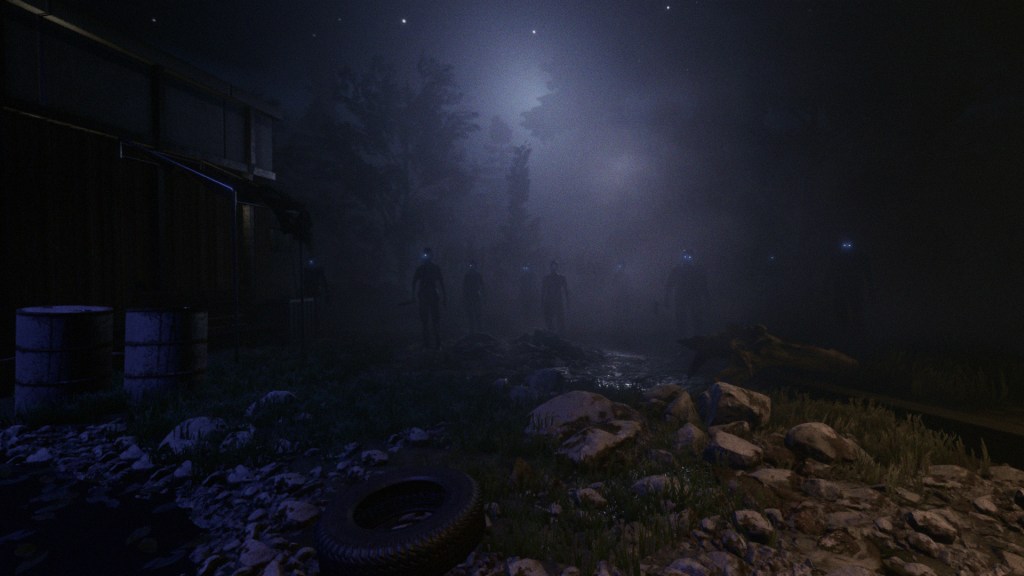
As January progressed, the focus shifted to a new set of diverse titles, starting with the immediate availability of Those Who Remain on January 16. This story-driven psychological horror game, developed by Camel 101, invites players into a chilling narrative set in the eerie town of Dormont, where a man named Edward grapples with his past and confronts unsettling manifestations of darkness. Upon its initial launch in 2020, the game garnered rather mixed reviews from critics, often citing its derivative elements or technical inconsistencies. However, its reception among players on digital storefronts like Steam has been more favorable, achieving a "Mostly Positive" rating. This discrepancy highlights the subjective nature of game appreciation and suggests that a direct-to-subscription service launch offers a second chance for titles to find their audience without the initial barrier of a full purchase price. For Game Pass, it provides a niche, atmospheric experience that diversifies the horror offerings beyond the more action-oriented Resident Evil 2 remake.
Following closely on January 18, two distinct titles made their debut: Turnip Boy Robs a Bank and F1 23. Turnip Boy Robs a Bank is the highly anticipated sequel to the indie darling Turnip Boy Commits Tax Evasion. Developed by Snoozy Kazoo and published by Graffiti Games, the original game charmed players with its whimsical art style, humorous narrative, and lighthearted approach to anti-establishment themes. The sequel promises to build on this foundation, shifting the protagonist’s illicit activities from tax evasion to bank robbery, maintaining the series’ signature satirical tone. Its day-one launch on Game Pass for console, PC, and Cloud further highlights Microsoft’s commitment to supporting independent developers and providing immediate access to new, quirky experiences. The inclusion on Cloud also expands accessibility, allowing subscribers to jump into the game across various devices without dedicated hardware. This type of indie title, with its unique premise and immediate availability, often becomes a word-of-mouth hit on Game Pass, drawing attention to smaller studios.
High-Octane Racing and Day-One Phenomenon
Also arriving on January 18 was F1 23, the latest installment in the acclaimed Formula 1 racing simulation series developed by Codemasters and published by EA Sports. This title offers an authentic and immersive experience of the pinnacle of motorsport, featuring all the official teams, drivers, and circuits from the 2023 FIA Formula One World Championship. Known for its realistic physics, detailed car models, and comprehensive career mode, F1 23 caters to both hardcore racing enthusiasts and casual fans. Its inclusion through EA Play, which is bundled with Game Pass Ultimate, provides a premium sports simulation title that would typically command a full retail price. The presence of such a recent and high-fidelity sports game is a significant draw, especially for players who follow the sport or enjoy competitive racing. It underscores the value of the EA Play integration for Game Pass Ultimate subscribers, offering a rotating library of EA’s biggest titles.
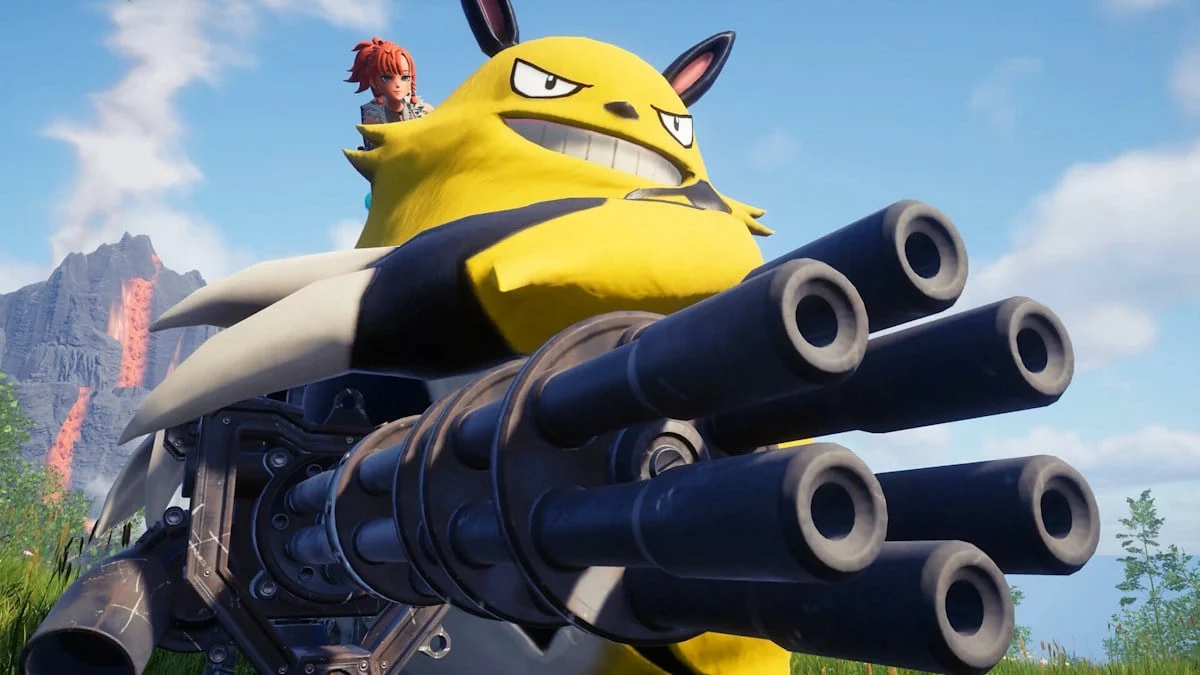
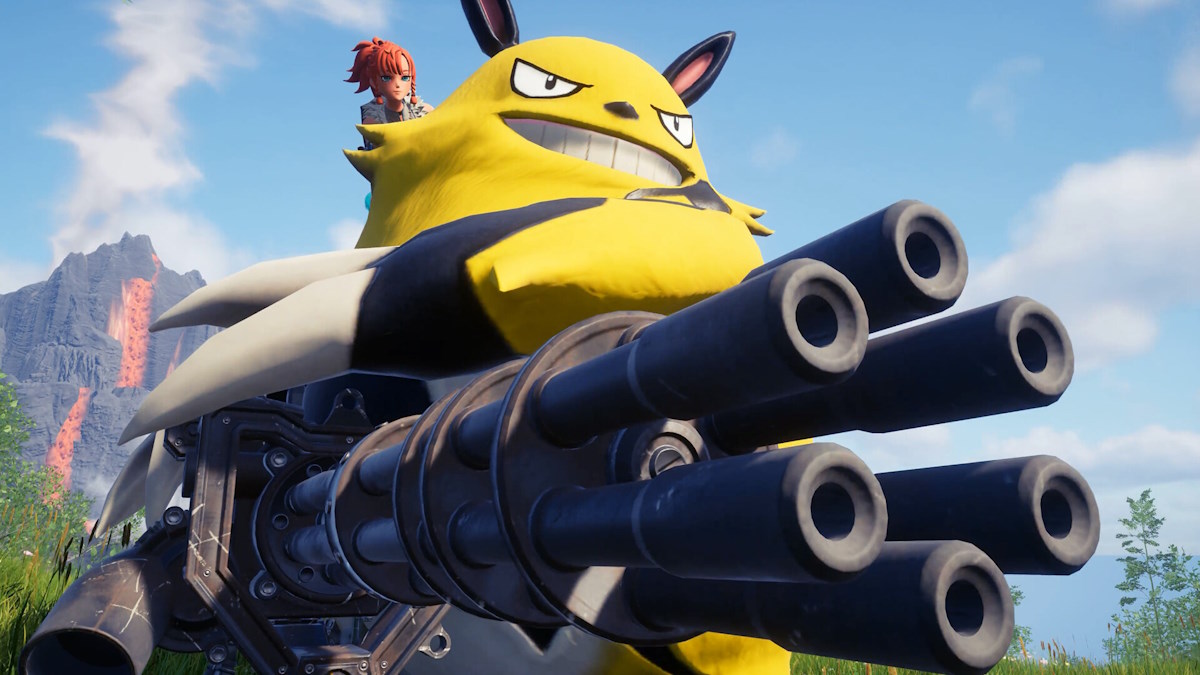
Perhaps the most anticipated and discussed arrival of the second wave was Palworld, which launched on January 19 as a day-one Game Pass title for console and PC. Developed by the Japanese studio Pocketpair, Palworld has generated considerable buzz, and some controversy, for its audacious concept: an open-world survival crafting game where players capture and utilize creatures known as "Pals," often likened to Nintendo’s Pokémon, but with the distinctive twist that these Pals can wield firearms and be deployed in various industrial and combat roles, including forced labor. The game’s blend of creature collection, base building, exploration, and combat, coupled with its often dark humor and unconventional approach to monster-taming, has captivated a wide audience. Its day-one launch on Game Pass is a strategic move, providing immediate access to a potentially viral phenomenon and bypassing the need for individual purchases, which can significantly boost player numbers and community engagement during critical launch periods. The sheer novelty and divisive nature of Palworld make it a significant talking point and a strong addition to the Game Pass library, appealing to players looking for something genuinely unique.
Looking Ahead: Late January and Early February Lineup
The flow of new content extends beyond these mid-month additions, with several more titles scheduled for late January and an exciting preview of early February. This forward-looking approach allows subscribers to plan their gaming schedule and anticipate upcoming releases.
On January 30, three diverse titles are slated to join the service. Braid, Anniversary Edition, marks the return of an indie classic. Originally released in 2008, Jonathan Blow’s Braid is celebrated for its innovative time-manipulation puzzle mechanics, philosophical narrative, and distinctive art style. The Anniversary Edition promises updated visuals, enhanced audio, and new developer commentary, offering both nostalgic appeal for returning players and a fresh experience for newcomers. Its inclusion highlights Game Pass’s commitment to preserving and re-introducing seminal titles that have shaped the indie gaming landscape.
Also arriving on January 30 is Pathfinder: Wrath of the Righteous, a critically acclaimed isometric role-playing game (CRPG) developed by Owlcat Games. Based on the popular Pathfinder tabletop role-playing system, the game offers a deep and complex narrative, extensive character customization, tactical combat, and branching storylines. It appeals to fans of classic CRPGs like Baldur’s Gate and Pillars of Eternity, providing hundreds of hours of content for those willing to dive into its intricate world. Its addition strengthens Game Pass’s RPG offerings, catering to a dedicated niche within the subscriber base.
Finally for January 30, Open Roads will make its day-one debut on Game Pass. This narrative adventure game, developed by Fullbright, features a star-studded voice cast including Keri Russell and Kaitlyn Dever. It tells the story of a mother and daughter embarking on a road trip to uncover family secrets, emphasizing emotional storytelling and atmospheric exploration. As a day-one launch, Open Roads exemplifies Game Pass’s role in bringing brand-new, often unique, experiences directly to subscribers, positioning itself as a platform for discovery.
The first major highlight for early February, specifically February 2, is the day-one launch of Persona 3 Reload. This highly anticipated remake of the beloved Atlus JRPG, Persona 3, promises a complete modernization of the original game with updated graphics, quality-of-life improvements, and a re-recorded English voice track, while retaining its iconic blend of high school simulation, social links, and turn-based dungeon crawling. The Persona series has gained immense popularity in recent years, and Persona 3 Reload‘s day-one inclusion is a massive win for Game Pass subscribers, especially fans of Japanese role-playing games. This is a significant title that would typically be a major standalone purchase, further solidifying Game Pass’s value proposition with high-profile, simultaneous global releases.
Rounding out the early February additions is Anuchard, joining on February 6. This action RPG features a charming pixel-art aesthetic and a narrative centered around restoring a lost kingdom. Its arrival contributes to the diverse genre mix on Game Pass, offering a different flavor of role-playing experience for subscribers.
Enhancing the Experience: Game Updates and Expansions
Beyond new game additions, Game Pass also keeps its existing library vibrant through regular content updates and expansions. These additions ensure that even long-standing titles remain fresh and engaging for the community. A notable update arriving on January 30 for Dead By Daylight is new content featuring Alan Wake. Behaviour Interactive’s asymmetrical multiplayer horror game has become a live-service juggernaut, regularly introducing new killers, survivors, and maps. The integration of Alan Wake, the protagonist from Remedy Entertainment’s popular psychological horror series, as a new survivor adds significant crossover appeal, drawing in fans of both franchises and demonstrating the continued evolution of popular Game Pass titles.
Furthermore, Turbo Golf Racing received its ‘Pet Pack’ update, adding new cosmetic options and personalization elements to the arcade-style racing game. Similarly, Naraka: Bladepoint, the martial arts battle royale, saw the release of its Season 11 Bundle, providing players with new challenges, rewards, and character customization items. These ongoing content drops are crucial for maintaining player retention in live-service games and demonstrate the continuous value Game Pass offers beyond just new game releases.
Departures from the Library: Acknowledging the Cycle
As new games arrive, others inevitably depart, a fundamental aspect of the subscription service model. On January 31, two notable titles are scheduled to leave the Game Pass library, prompting subscribers to complete any outstanding missions or experiences before their removal.
The most significant departure is Hitman: World of Assassination. This package consolidates the modern Hitman trilogy (Hitman, Hitman 2, and Hitman 3) into a single, comprehensive experience, offering a vast array of intricate sandbox levels and assassination challenges. Developed by IO Interactive, the World of Assassination series is lauded for its intelligent level design, emergent gameplay, and replayability. Its removal means subscribers will need to purchase the game outright if they wish to continue playing after January 31. The departure of such a high-caliber AAA title underscores the transient nature of content on subscription services and often drives a surge in player activity as users rush to finish games before they are gone. This "play it before it’s gone" phenomenon is a known driver of engagement within the Game Pass ecosystem.
Also leaving on January 31 is F1 2021, which is departing from EA Play and, consequently, Game Pass Ultimate. This is a typical cycle for sports titles, which are often replaced by newer iterations (like F1 23 joining the service). Its removal is less impactful given the recent addition of the newer version, but it still highlights the continuous rotation of content within the EA Play library accessible through Game Pass Ultimate.
The Strategic Imperative of Xbox Game Pass
The curated lineup for January 2024, blending major AAA titles, day-one launches from both indie and established studios, and continuous content updates, is a clear manifestation of Microsoft’s broader strategy for Xbox Game Pass. Since its inception, Game Pass has been positioned as a cornerstone of the Xbox ecosystem, aimed at expanding the brand’s reach beyond traditional console sales. Its primary objectives include driving subscriber growth, increasing engagement across Xbox platforms (console, PC, cloud), and establishing a robust recurring revenue stream.
The consistent influx of diverse content, particularly day-one releases like Palworld, Open Roads, and Persona 3 Reload, is crucial for demonstrating the service’s unparalleled value. These launches negate the need for players to purchase games at full price, making Game Pass an increasingly attractive proposition, especially in a period of economic uncertainty where consumers are scrutinizing entertainment budgets more closely. Industry analysts suggest that day-one releases significantly boost subscriber acquisition and retention, as they provide immediate access to highly anticipated titles that are otherwise premium purchases. This strategy also benefits developers, offering them a guaranteed upfront payment and exposure to a massive audience, which can translate into long-term sales for future titles or in-game content.
Game Pass also plays a vital role in Microsoft’s cloud gaming ambitions, extending the Xbox experience to devices beyond consoles and PCs. The inclusion of titles like Turnip Boy Robs a Bank on the Cloud service demonstrates a commitment to making a wide variety of games accessible on mobile devices and lower-spec hardware, further broadening the potential subscriber base. This multi-platform accessibility is a key differentiator in the competitive subscription market, where rivals like PlayStation Plus and Nintendo Switch Online offer more console-centric libraries.
Economic Implications and Market Trends
The continuous evolution of Game Pass reflects broader trends in the entertainment industry towards subscription-based models. While "subscription fatigue" is a growing concern among consumers juggling multiple services, Game Pass endeavors to stand out by offering a constantly refreshed library that caters to a wide spectrum of gaming preferences. The January lineup, encompassing horror, racing, RPGs, indie humor, and innovative survival games, exemplifies this broad appeal.
From an economic perspective, Game Pass represents a significant investment for Microsoft. Securing day-one launches and licensing existing AAA titles involves substantial financial commitments. However, the long-term benefits include fostering brand loyalty, driving hardware sales (especially for consoles like the Xbox Series X/S, which are often bundled with Game Pass subscriptions), and creating a stable ecosystem that encourages players to invest in Microsoft’s digital storefront for additional content and microtransactions. The service also indirectly benefits from increased software sales for games not on Game Pass, as subscribers are more likely to spend on titles within the Xbox ecosystem once they are accustomed to the platform.
The strategic timing of announcements, often in two waves per month, keeps subscribers engaged and anticipating future content. This proactive communication helps manage expectations and maintain excitement around the service. The curated selection of games leaving the service also serves a purpose, encouraging players to explore new additions while occasionally driving direct sales for departing titles from players who wish to own them permanently.
Conclusion
January 2024 has proven to be another strong month for Xbox Game Pass, characterized by a dynamic blend of high-profile initial releases, diverse mid-month additions, and highly anticipated day-one launches extending into early February. From the narrative depth of Assassin’s Creed Valhalla and the terrifying immersion of Resident Evil 2, to the indie charm of Turnip Boy Robs a Bank, the high-octane realism of F1 23, and the controversial phenomenon of Palworld, the service has delivered a wide array of experiences. The upcoming arrival of critical darlings like Braid, Anniversary Edition and major JRPGs such as Persona 3 Reload further solidifies Game Pass’s position as an indispensable offering for gamers. While the departure of titles like Hitman: World of Assassination is a natural part of the subscription cycle, the continuous flow of quality content reinforces Game Pass’s strategic importance to Microsoft and its enduring value proposition for millions of subscribers worldwide, continuing to shape the landscape of modern gaming consumption.