


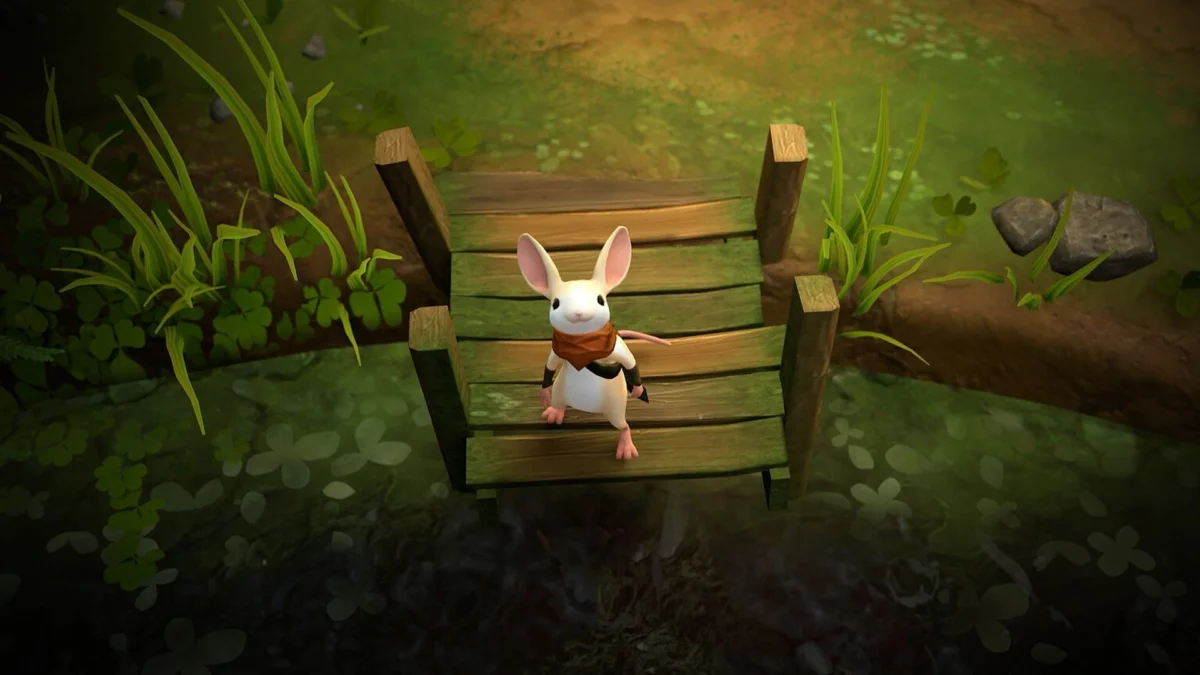
The Seattle-based independent developer Polyarc Games has officially announced the cessation of its operations, marking the conclusion of a twelve-year journey that saw the studio rise to prominence as a pioneer in the virtual reality (VR) gaming sector. The announcement, shared via the company’s professional LinkedIn channel, confirmed that the studio is "winding down active development" and transitioning into a final phase of closure. This decision follows a period of significant financial volatility within the broader gaming industry and comes just months after the studio attempted to pivot its strategy by bringing its flagship intellectual property to traditional console platforms.
Founded in 2014 by veterans of Bungie, Polyarc Games was established with the specific intent of exploring the untapped potential of immersive storytelling through VR hardware. Over more than a decade, the studio became synonymous with high-quality, character-driven experiences, most notably through the Moss franchise. In their farewell statement, the studio leadership characterized the company’s tenure as a "joyous rollercoaster of emotions," expressing gratitude to the staff and the player community that supported their efforts to "bring surprise and delight" to the medium of interactive entertainment.
A Chronology of Innovation and the Rise of Moss
Polyarc’s trajectory began at a pivotal moment in the history of modern virtual reality. As the first consumer-grade VR headsets were reaching the market, the studio’s founders—Tam Armstrong, Danny Bulla, and Chris Alderson—sought to move beyond the "tech demo" phase of the medium. Their goal was to create a game that utilized the physical intimacy of VR to forge a deeper emotional connection between the player and the protagonist.
In 2018, Polyarc released Moss for the PlayStation VR and later for PC-based VR systems. The game introduced players to Quill, a small, heroic mouse, and utilized a unique "Reader" mechanic where the player existed as a physical deity-like presence within the game world. This dual-perspective gameplay, combined with high production values and an orchestral score, earned the studio widespread critical acclaim. Moss was frequently cited by industry analysts as a "killer app" for VR, proving that third-person platformers could thrive in a medium often dominated by first-person shooters.

Building on this success, Polyarc released Moss: Book II in 2022. The sequel expanded the scope of the world and deepened the narrative stakes, eventually winning "Best VR/AR Game" at The Game Awards 2022. Despite these accolades, the studio faced the persistent challenge of a fragmented VR market and the high costs associated with developing premium content for a relatively niche audience compared to traditional gaming platforms.
Financial Headwinds and the March 2026 Downsizing
The closure of Polyarc does not come without warning signs. In March 2026, the studio underwent a significant restructuring event following a failure to secure necessary Series B funding or a publishing partner for its next major unannounced project. This lack of capital infusion resulted in the immediate termination of 30 positions, representing a substantial portion of the studio’s workforce at the time.
Industry data suggests that the venture capital landscape for VR-centric studios has tightened considerably over the last 24 months. While hardware manufacturers like Meta and Sony continue to iterate on headsets, the software attach rates for premium indie titles have struggled to keep pace with rising development budgets. Polyarc’s inability to close its latest funding round reflected a broader trend of investor caution regarding the long-term scalability of VR-only development houses.
In an effort to diversify and reach a broader demographic, Polyarc recently launched Moss: The Forgotten Relic in July 2026. This title was a console-specific remake and compilation of the two original VR games, designed to run on standard television displays without the need for specialized head-mounted displays. While the title received positive reviews for its adaptation of VR mechanics to traditional controllers, the revenue generated was evidently insufficient to offset the studio’s accumulated operational debts and ongoing costs.
The Human Impact and the Transition Strategy
In its final act, Polyarc has emphasized a commitment to its departing staff. Alongside the closure announcement, the studio published a comprehensive recruitment spreadsheet. This document lists the names, roles, and contact information of the affected employees, serving as a bridge to help them find new opportunities within the Seattle tech hub and the global gaming industry.

The LinkedIn statement highlighted the collaborative spirit that defined the studio’s culture: "Working together over all of these years has been an honor. Bringing surprise and delight to those who played our games has been a privilege. Thank you to everyone at Polyarc, our work is now finished."
This transparent approach to studio closure—providing public support for displaced workers—is becoming an increasingly common practice in an industry that has seen tens of thousands of layoffs since early 2024. Former Polyarc employees include specialists in animation, environmental design, and proprietary engine development, many of whom are expected to be highly sought after by larger AAA studios in the Pacific Northwest.
Analysis of the VR Market and Polyarc’s Legacy
The dissolution of Polyarc Games raises critical questions about the sustainability of mid-sized independent studios specializing in high-end VR content. Throughout its existence, Polyarc operated at a level of polish that rivaled first-party developers. However, the "VR Winter" described by some analysts has made it difficult for such studios to survive without direct subsidization from hardware platform holders.
Data from market research firms indicates that while the VR user base is growing, it is shifting toward "all-in-one" mobile chipsets and social platforms, often leaving high-fidelity, narrative-driven experiences in a precarious position. Polyarc’s transition from VR-exclusive development to the "flat-screen" market with The Forgotten Relic was a strategic move seen by many as a litmus test for whether VR IPs could successfully migrate to traditional platforms. The studio’s closure suggests that for some developers, such pivots may come too late to rectify existing financial imbalances.
Despite the studio’s end, the legacy of the Moss series remains a significant chapter in the evolution of interactive media. The "Reader" mechanic pioneered by Polyarc influenced a generation of VR designers, demonstrating how to use spatial awareness to enhance empathy in gaming. Quill, the series’ protagonist, remains one of the few recognizable mascots to emerge specifically from the VR era.

Industry Reactions and Broader Implications
The news of Polyarc’s closure has prompted a wave of responses from across the gaming industry. Fellow developers and industry veterans have taken to social media to praise the studio’s technical achievements and its role in legitimizing VR as a storytelling medium. Many have noted that the loss of Polyarc represents a "brain drain" for the VR sector, as the specialized knowledge required to build comfortable and engaging VR experiences is rare.
For the Xbox and PlayStation ecosystems, the closure of a high-quality partner like Polyarc underscores the volatility of the current market. As publishers consolidate and focus on established franchises with guaranteed returns, the space for experimental or hardware-specific innovation continues to shrink.
The winding down of active development means that while Moss and its sequels will likely remain available on digital storefronts for the foreseeable future, no further updates, expansions, or new entries in the series are expected. Support for the recently released Moss: The Forgotten Relic will likely transition to a maintenance mode or cease entirely once the legal dissolution of the company is finalized.
Conclusion
Polyarc Games’ twelve-year run serves as both a testament to the creative possibilities of new technology and a cautionary tale regarding the economic realities of the modern gaming landscape. From its origins as a small team of Bungie expatriates to its status as an award-winning pillar of the VR community, the studio leaves behind a concise but impactful portfolio.
As the former staff of Polyarc move on to new ventures, the industry will be watching to see where their expertise in immersive design will surface next. For now, the "end of an era" for Polyarc marks a sobering moment for the virtual reality community, signifying the loss of one of its most dedicated and talented proponents. The story of Quill may have reached its final chapter, but the innovations introduced by the studio will likely continue to influence the way players interact with digital worlds for years to come.