


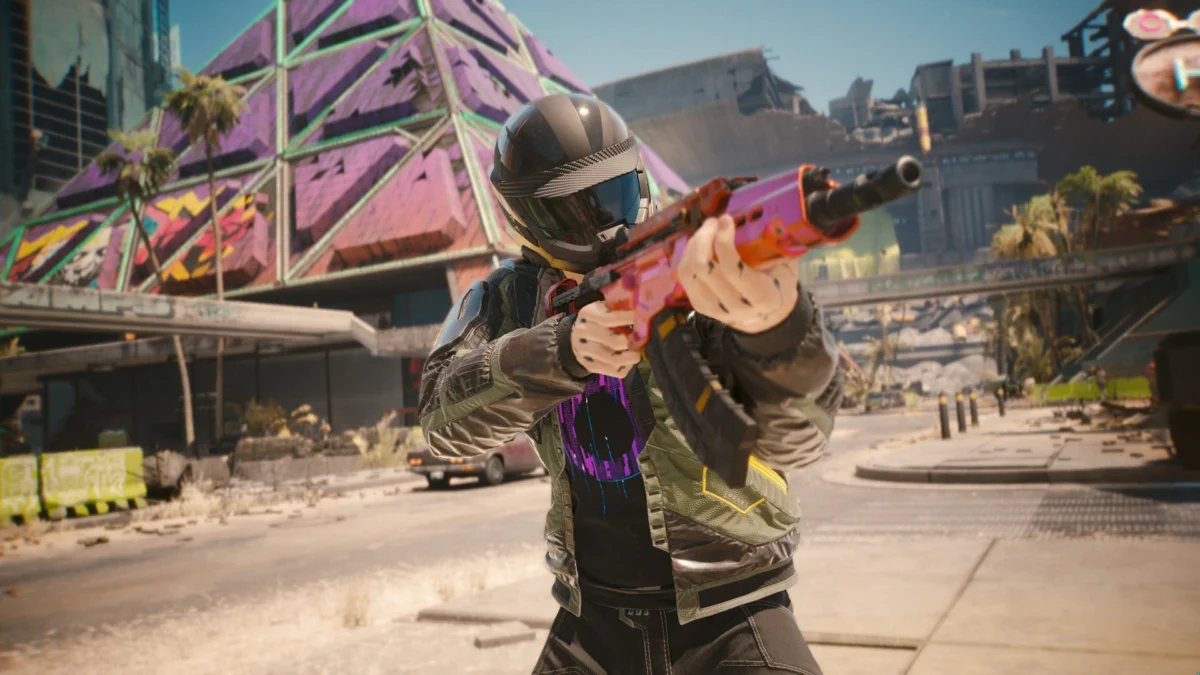
Subscribers to Microsoft’s popular Xbox Game Pass service are facing a notable reduction in the available library, as ten titles are slated for removal on Tuesday, September 15th. This mid-month purge includes several high-profile games and beloved indie darlings, prompting a "play it before it’s gone" rush among the service’s extensive user base. Among the most prominent departures is CD Projekt Red’s expansive role-playing game, Cyberpunk 2077, alongside other critically acclaimed titles such as Dead Cells and Spiritfarer, and the highly anticipated strategy sequel Frostpunk 2 (PC only).
The impending removals underscore the dynamic nature of subscription gaming services, where content libraries are subject to regular rotation based on licensing agreements and strategic decisions by publishers and platform holders. As the gaming community enters the second half of September, this particular batch of departures represents a substantial shift in the Game Pass offering, affecting availability across Console, PC, and Cloud platforms for most listed games. Subscribers are being reminded that discounts of at least 20% are available on these titles until their removal date, offering a final opportunity for those wishing to permanently add them to their digital collections.
Understanding the Game Pass Content Cycle
Xbox Game Pass, since its inception, has operated on a model of a rotating library, akin to other digital subscription services in entertainment. This means that while new games are added frequently—often with high-profile day-one launches—existing titles will periodically leave the service. This cycle is typically driven by a combination of factors, including the expiration of licensing agreements between Microsoft and game publishers, the strategic decisions of developers to move their titles to other platforms or direct sales models, or simply to manage the overall cost and curation of the Game Pass library.
Historically, Game Pass sees two main waves of content changes each month: one around the middle of the month and another towards the end. These announcements are eagerly anticipated by subscribers, not only for the exciting new additions but also for the critical heads-up regarding impending removals. The typical notice period allows players a few weeks to either complete games they’ve started or decide whether to purchase a title at a discount before it becomes unavailable through their subscription. This particular mid-September announcement, featuring a robust list of ten games, falls squarely within this established operational pattern, reinforcing the need for subscribers to remain vigilant about their play queues. The sheer volume and caliber of games leaving this month, however, mark it as a particularly impactful rotation.
Key Departures and Their Significance
The September 15th exodus features a diverse array of genres and development scales, each leaving a unique void in the Game Pass library.
Cyberpunk 2077: A Monumental Loss
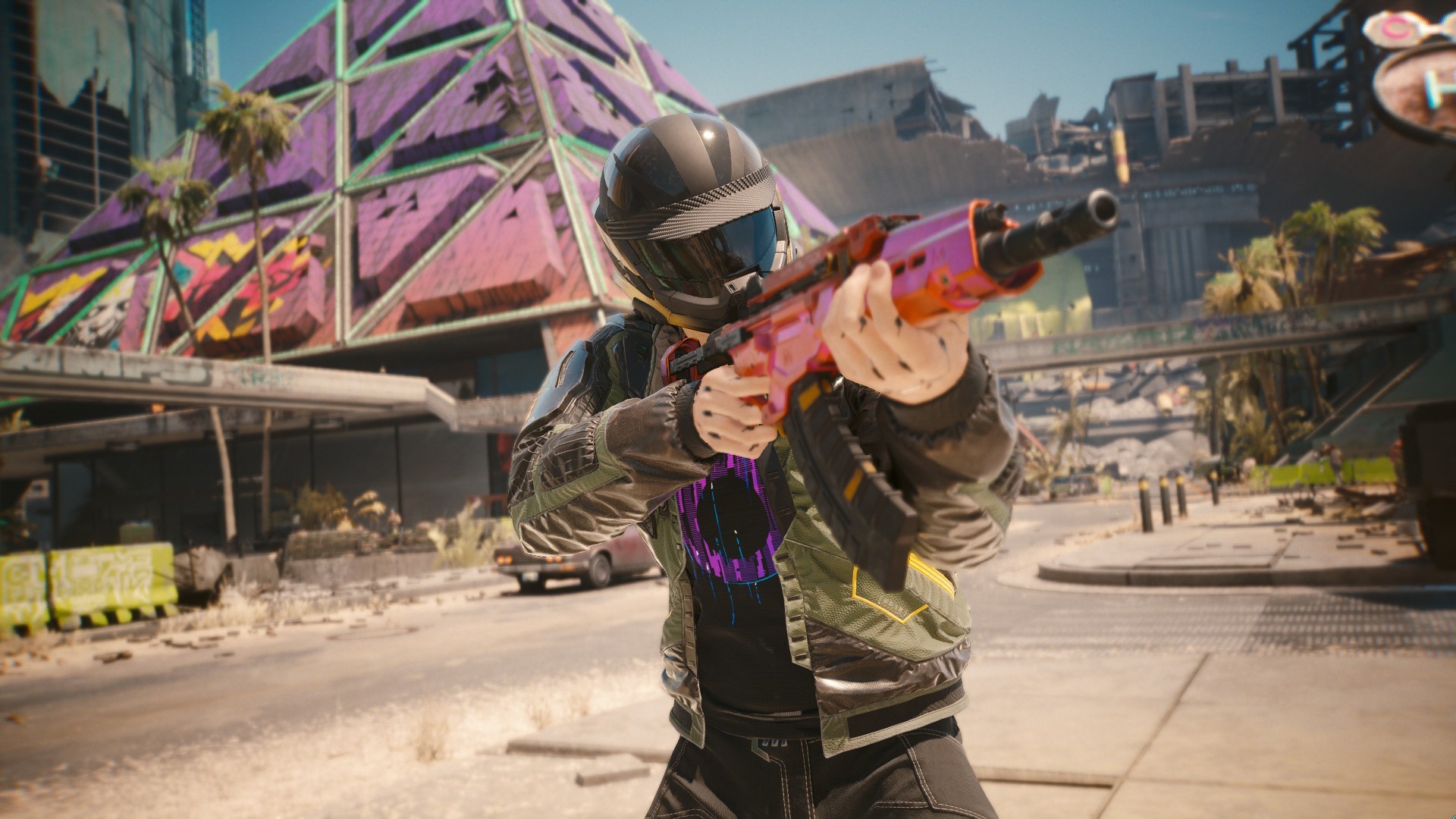
The departure of Cyberpunk 2077 stands out as the most significant item on this list. Developed by CD Projekt Red, the studio behind The Witcher series, Cyberpunk 2077 launched amidst considerable controversy in late 2020 due to performance issues, particularly on older generation consoles. However, through a dedicated post-launch support period, including multiple patches, significant reworks with the 2.0 update, and the critically acclaimed Phantom Liberty expansion, the game has largely redeemed its reputation, evolving into a sprawling, immersive open-world RPG set in the dystopian Night City.
Its inclusion on Game Pass had provided an invaluable opportunity for many players to experience this ambitious title, especially those who may have been hesitant after its initial reception. The game’s extensive narrative, deep character customization, and intricate world-building offer hundreds of hours of gameplay, making its removal a substantial blow for new subscribers or those who had yet to fully dive into its depths. Its presence on Game Pass served as a testament to the service’s ability to host major, triple-A titles, and its exit will undoubtedly prompt a surge in players scrambling to complete their playthroughs or purchase the game outright to continue their journey through Night City. From a platform perspective, Cyberpunk 2077 represented a significant draw, showcasing the graphical prowess and narrative ambition accessible through a Game Pass subscription.
Deep Rock Galactic: Survivor: Community Favorite
Another notable departure is Deep Rock Galactic: Survivor. This title, a spin-off from the immensely popular cooperative first-person shooter Deep Rock Galactic, brings the beloved universe of dwarven miners battling alien hordes to the roguelike-survivor genre. Its inclusion had been met with enthusiasm by the dedicated community surrounding the original game, offering a fresh, single-player take on its established lore and mechanics. The original Deep Rock Galactic has cultivated a passionate fanbase known for its camaraderie and love for the franchise’s unique blend of humor and action. The spin-off’s availability on Game Pass allowed for easy access to this new experience, fostering engagement within the broader Deep Rock Galactic ecosystem. The sentiment from the Pure Xbox community, as noted, reflects a particular sadness over its removal, highlighting the strong attachment players developed for this entry.
Dead Cells: Indie Roguelike Royalty
Dead Cells, developed by Motion Twin, is a critically acclaimed roguelike Metroidvania that has consistently received accolades since its release. Known for its fluid combat, challenging difficulty, intricate level design, and constant updates with new content and expansions, Dead Cells has cemented its place as a benchmark in the indie gaming landscape. Its presence on Game Pass offered subscribers access to a highly replayable and endlessly engaging experience. The game’s procedural generation ensures that no two runs are exactly alike, providing exceptional long-term value. Its removal means the loss of a truly evergreen title that appealed to both hardcore action fans and those new to the roguelike genre, demonstrating the depth of quality indie games available through the subscription.
Spiritfarer: A Unique Emotional Journey
Thunder Lotus Games’ Spiritfarer offered Game Pass subscribers a profoundly different experience. Described as a "cozy management sim about dying," it blends platforming, crafting, and exploration with a poignant narrative about guiding spirits to the afterlife. Its distinctive hand-drawn art style, empathetic storytelling, and soothing gameplay mechanics earned it widespread critical acclaim and numerous awards. Spiritfarer provided a thoughtful, emotionally resonant counterpoint to the more action-oriented titles on the service, demonstrating the breadth of artistic expression within gaming. Its departure removes a unique narrative gem that offered a comforting yet profound exploration of life, loss, and acceptance.
Frostpunk 2 (PC): Strategic Depth
The inclusion and subsequent removal of Frostpunk 2 on PC is particularly noteworthy. As the highly anticipated sequel to 11 Bit Studios’ acclaimed city-builder survival game, Frostpunk, this title expands upon the original’s bleak, resource-management challenges in a post-apocalyptic frozen world. The first Frostpunk was celebrated for its moral dilemmas, challenging gameplay, and unique blend of city-building and societal management under extreme duress. Frostpunk 2 aims to deepen these mechanics, offering a grander scale of societal management. Its availability on Game Pass, even if for a limited time, would have provided a significant draw for PC strategy enthusiasts. Its removal indicates that even highly anticipated new releases may have finite runs on the service, pushing strategy fans to consider direct purchase if they wish to continue building their icy empires.
Other Notable Departures:
The remaining titles also represent various genres:
- Commandos: Origins: A return to the classic real-time tactics series, appealing to strategy aficionados.
- Cricket 24: A niche but important sports title for cricket enthusiasts, offering comprehensive simulation.
- Mullet Madjack: A fast-paced, stylish action game with a distinct aesthetic.
- Superliminal: A unique first-person puzzle game that plays with perspective and optical illusions.
- Train Sim World 5: A highly detailed train simulation experience, catering to a dedicated audience of simulation fans.
Each of these games contributes to the overall diversity of the Game Pass library, and their collective departure, while perhaps not as individually impactful as Cyberpunk 2077, collectively reduces the breadth of choice for subscribers across various gaming interests.
Broader Implications for Subscribers and the Game Pass Ecosystem
The regular rotation of games is an inherent characteristic of subscription services, but each wave of removals prompts reflection on the value proposition of Xbox Game Pass. For many subscribers, the service’s appeal lies in its "all-you-can-play" access to a vast and varied library, including day-one releases from Xbox Game Studios and a growing number of third-party titles. However, the departure of significant games like Cyberpunk 2077 can lead to several implications:
- Urgency and Engagement: The "leaving soon" notifications create a sense of urgency, encouraging subscribers to prioritize playing these games. This can lead to increased short-term engagement with specific titles, potentially boosting completion rates or even driving players to discover games they might have otherwise overlooked.
- Purchase Incentives: The offered discounts (at least 20%) serve as a direct incentive for subscribers to convert their temporary access into permanent ownership. This model benefits publishers by potentially generating direct sales after a period of subscription-based exposure, and it offers players a chance to secure titles they genuinely love at a reduced price.
- Library Curation and Cost Management: For Microsoft, managing the Game Pass library involves balancing new additions with removals to maintain a fresh, appealing selection while also controlling licensing costs. High-profile games often come with significant licensing fees, and their departure could make way for new, equally compelling titles. This continuous curation ensures that the service remains dynamic and offers a consistent stream of new experiences.
- Subscriber Expectations: Regular removals shape subscriber expectations. Long-term subscribers understand the ephemeral nature of some titles on the service, while new subscribers might experience a slight disappointment if a game they were looking forward to trying suddenly departs. Transparent communication about these changes is crucial for managing these expectations.
- Impact on Developer/Publisher Strategy: For developers and publishers, Game Pass offers a unique distribution channel, providing broad exposure and potentially boosting player counts. However, the decision to enter and exit the service involves complex financial and strategic calculations, weighing subscription revenue against potential direct sales and long-term engagement. The exit of a game like Cyberpunk 2077 suggests a fulfillment of an initial agreement, allowing the publisher to refocus on direct sales or explore other revenue models.
While specific official statements on individual game removals are rare beyond the initial announcement, the community reaction often reflects a mix of understanding and disappointment. Social media channels and gaming forums light up with discussions about which games to prioritize, sharing tips on quick completions, and expressing regret over unfinished campaigns. The mention of the "Pure Xbox community" expressing sadness over Deep Rock Galactic: Survivor‘s departure is indicative of this broader sentiment among engaged players.
Looking Ahead: The Ever-Evolving Game Pass
As this wave of games departs, the focus will inevitably shift to what’s next for Xbox Game Pass. Microsoft typically provides further updates on new additions and subsequent removals later in the month. The original report hints at an update likely on the upcoming Tuesday for late September content and also mentions a "predictions list" for games that might be leaving in October 2026. This forward-looking approach is a key aspect of Game Pass communication, ensuring subscribers are always aware of the evolving library.
The continuous churn of titles is a fundamental aspect of the subscription gaming model, ensuring that the service remains vibrant and offers fresh content. While the departure of ten games, especially high-caliber ones like Cyberpunk 2077 and critically acclaimed indies, is a significant event for subscribers, it also paves the way for new experiences and maintains the dynamic nature of Game Pass. Subscribers are encouraged to review the list carefully, take advantage of the remaining time and discounts, and prepare for the next wave of announcements that will shape the future of their gaming library.