


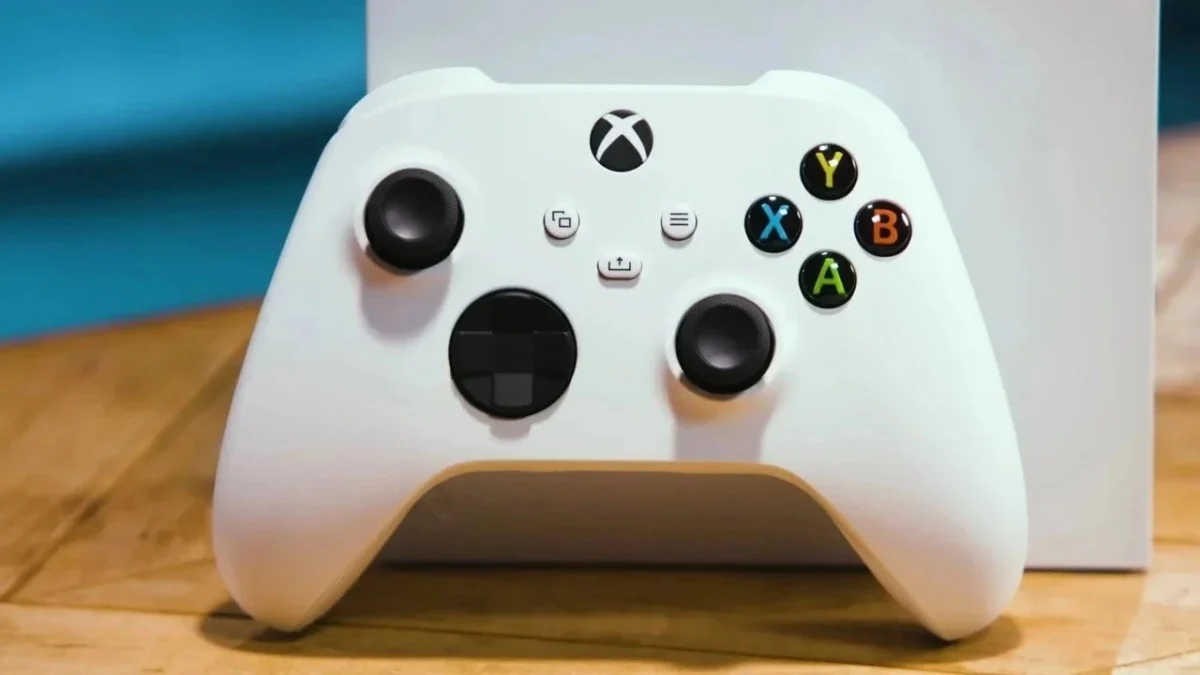
The dawn of September 8, 2020, brought an unexpected and profoundly disruptive turn for Microsoft’s meticulously planned next-generation console reveal, as a torrent of images depicting the then-unannounced Xbox Series S flooded social media platforms. This premature disclosure, stemming from an as-yet-undisclosed source, forced Microsoft’s hand, prompting a hurried official confirmation mere hours later and eclipsing what was intended to be a carefully orchestrated global unveiling. Six years later, the incident remains etched in the memories of industry insiders as a testament to the persistent challenges of maintaining secrecy in an increasingly interconnected world, particularly concerning highly anticipated technological advancements.
The Genesis of the Next Generation: Setting the Stage for 2020
The period leading up to 2020 was one of immense anticipation within the video game industry. Both Microsoft and Sony were preparing to launch their respective next-generation consoles, succeeding the Xbox One and PlayStation 4, which had dominated the market for nearly seven years. Microsoft, in particular, was keen to make a strong comeback after the Xbox One’s somewhat rocky launch and its subsequent struggle to gain significant market share against the PlayStation 4. The company had already revealed its flagship console, the Xbox Series X (codenamed "Project Scarlett"), during The Game Awards in December 2019, showcasing a powerful, high-fidelity machine designed to push the boundaries of gaming performance. This early reveal set a clear expectation for a premium, enthusiast-focused console.
However, industry whispers and various leaks had long hinted at the existence of a second, more affordable Xbox console, internally codenamed "Lockhart." This strategy was not entirely new; Microsoft had experimented with different console tiers in the past, though not simultaneously at a new generation’s launch. The "Lockhart" rumors suggested a digital-only, less powerful machine that would serve as an accessible entry point into the next-generation ecosystem, particularly appealing to budget-conscious consumers or those primarily subscribed to Xbox Game Pass. This dual-console approach was a strategic pivot for Microsoft, aiming to broaden its market reach and offer consumers more choice, thereby mitigating the risks associated with a single, high-priced flagship. The speculation was rife, but concrete details remained elusive, fueling a growing curiosity among gamers and analysts alike.
The Unplanned Reveal: A Timeline of Disruption
The morning of September 8, 2020, marked a significant deviation from Microsoft’s carefully constructed marketing roadmap. What began as isolated posts on Twitter and other social media platforms quickly escalated into a widespread digital phenomenon. High-resolution images of the Xbox Series S, clearly displaying its sleek, all-digital design and compact form factor, began circulating. Crucially, these images were accompanied by key specifications and, most significantly, the console’s highly competitive price point: £249.99 in the UK and $299.99 in the US. The detail and clarity of the leaked assets suggested an internal source or a breakdown in the supply chain, possibly involving a retailer or a manufacturing partner.
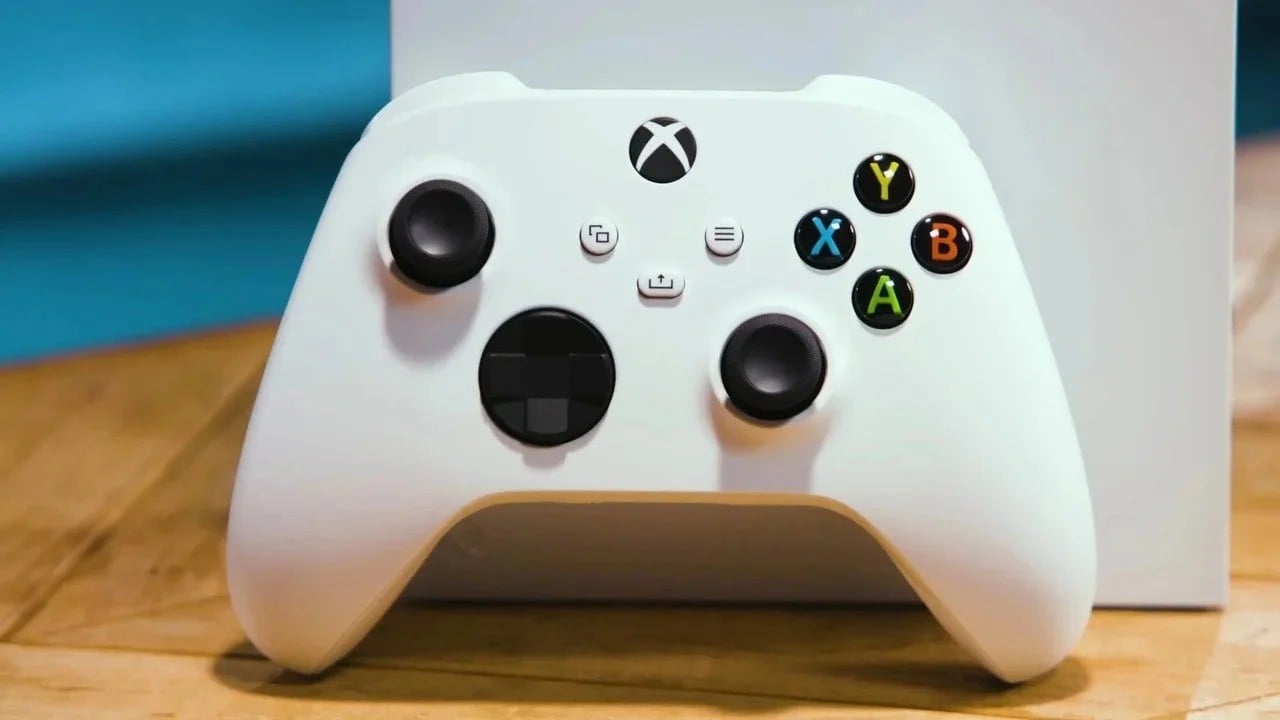
The speed and virality of the leak left Microsoft with little choice but to respond. Within hours of the initial images appearing online, the company officially acknowledged the existence of the Xbox Series S. This swift, albeit reactive, confirmation was a damage-control measure designed to regain control of the narrative. Microsoft’s social media channels and official news outlets rapidly published promotional materials, including a reveal trailer and detailed specifications, confirming virtually every aspect that had been leaked. This impromptu announcement effectively pre-empted a more elaborate press briefing and marketing campaign that had been painstakingly prepared, a significant portion of which was reportedly ready to be deployed. The incident highlighted the immense pressure companies face in the digital age, where information can disseminate globally in mere seconds, forcing immediate, often unplanned, reactions.
The Human Cost: Frustration and Accusations of Theft
The corporate scramble to contain the leak was palpable, but the emotional impact on the individuals involved in the Xbox Series S’s development and marketing was even more profound. Xbox employees, who had dedicated countless hours to the project, expressed deep frustration and disappointment at seeing their hard work exposed prematurely. Brad Rossetti, the Xbox Insider Program Lead, took to social media to articulate his dismay, describing the situation as "so frustrating." He emphasized the immense effort expended by teams "to keep it under wraps for so many reasons," underscoring the strategic and competitive advantages lost when such critical information is leaked.
Perhaps the most poignant and direct reaction came from Xbox executive Cindy Walker, who unequivocally denounced the leaks as "THEFT." In a widely shared statement, she lamented, "OUR work, our time, our hearts – was STOLEN." Her words resonated deeply within the industry, highlighting the personal investment and passion that developers and marketing teams pour into bringing new products to fruition. For these individuals, a leak is not merely a logistical setback but a violation of trust and an undermining of months, if not years, of dedicated effort. The carefully crafted narrative, the strategic timing of announcements designed to maximize impact and build excitement, all unravelled in a single morning, leaving a sense of profound injustice among those who had labored to keep the secret.
Strategic Implications and Market Positioning
Despite the disruptive nature of its reveal, the Xbox Series S quickly emerged as a pivotal component of Microsoft’s next-generation strategy. The $299.99 / £249.99 price point was a game-changer, positioning the console as the most affordable entry into the next generation of gaming. This was particularly significant when compared to its sibling, the Xbox Series X, priced at $499.99, and Sony’s PlayStation 5 Digital Edition, which launched at $399.99. The Series S was deliberately engineered to appeal to a broader demographic, including casual gamers, those on a tighter budget, and individuals who primarily engaged with digital titles and subscription services like Xbox Game Pass.
Microsoft’s decision to launch two distinct consoles simultaneously represented a calculated risk and a clear strategic departure from previous generations. The Xbox Series S, with its lower graphical horsepower and absence of a disc drive, was designed to leverage Microsoft’s burgeoning ecosystem, particularly Game Pass, which offered a vast library of games for a monthly subscription. This affordability factor, while revealed prematurely, likely contributed to the console’s strong initial sales, as it significantly lowered the barrier to entry for next-gen gaming. Industry analysts quickly lauded the pricing strategy as astute, recognizing its potential to capture a substantial segment of the market that might have been priced out of the more powerful, expensive consoles. The Series S became a crucial gateway for expanding the Game Pass subscriber base, solidifying Microsoft’s long-term vision for gaming as a service.

Broader Impact and the Persistent Threat of Leaks
The Xbox Series S leak serves as a powerful case study in the ongoing battle between corporations and the pervasive nature of information leaks in the digital age. For companies investing billions in research, development, and marketing, maintaining secrecy around upcoming products is paramount. Leaks not only disrupt carefully planned marketing campaigns but can also give competitors an early glimpse into strategic decisions, potentially eroding competitive advantages. The financial implications can be substantial, as companies might be forced to reallocate marketing budgets, accelerate production, or even revise pricing strategies in response to premature disclosures.
From a consumer perspective, leaks often generate immediate excitement and discussion, but they also deprive the public of the intended "wow" factor associated with official, polished reveals. While the Series S leak generated significant buzz, it also overshadowed the controlled narrative Microsoft had hoped to present. In the long term, however, the Xbox Series S has proven to be a remarkably successful machine. Its compact design, all-digital focus, and compelling price point have made it a popular choice, particularly as a complementary console or for those with limited space. Its initial affordability was a key selling point, especially before the global component crisis, exacerbated by the COVID-19 pandemic, led to increased manufacturing costs and subsequent price adjustments for many electronics, including consoles.
It is also worth noting that while the 2020 Series S leak was arguably the most significant in terms of an imminent product launch, Microsoft faced an even broader and more comprehensive data breach in 2023. As part of the Federal Trade Commission’s (FTC) investigation into Xbox’s proposed acquisition of Activision Blizzard, a trove of confidential documents, including future console plans, game roadmaps, and strategic discussions dating back several years, became publicly accessible. While immensely impactful due to the sheer volume and depth of information, that 2023 leak differed fundamentally from the Series S incident. The FTC leak comprised "old emails and documents" reflecting past strategies and speculative future plans, rather than the immediate disclosure of a finished product on the cusp of release. The Series S leak, by contrast, involved the unveiling of a tangible, ready-for-market console, instantly altering the competitive landscape and forcing an immediate corporate response.
Conclusion: A Legacy Forged in Disruption
Six years after the tumultuous events of September 2020, the Xbox Series S stands as a testament to strategic innovation and resilience. Despite the "frustrating" and "stolen" moment of its reveal, the console has carved out a significant niche in the gaming market, providing an accessible and compelling entry point into the next generation of Xbox gaming and its flourishing Game Pass ecosystem. The incident underscores the perpetual challenges faced by technology companies in an era where information flows freely and rapidly. While the immediate aftermath was undoubtedly a period of stress and disappointment for Microsoft and its dedicated teams, the Xbox Series S ultimately overcame its chaotic introduction to become a valued and integral part of the Xbox brand’s modern identity, proving that even a compromised launch can lead to lasting success when the underlying product delivers genuine value. The memory of that "truly crazy moment" in 2020 serves as a constant reminder of the delicate balance between secrecy and the inevitable exposure in the fast-paced world of consumer technology.