


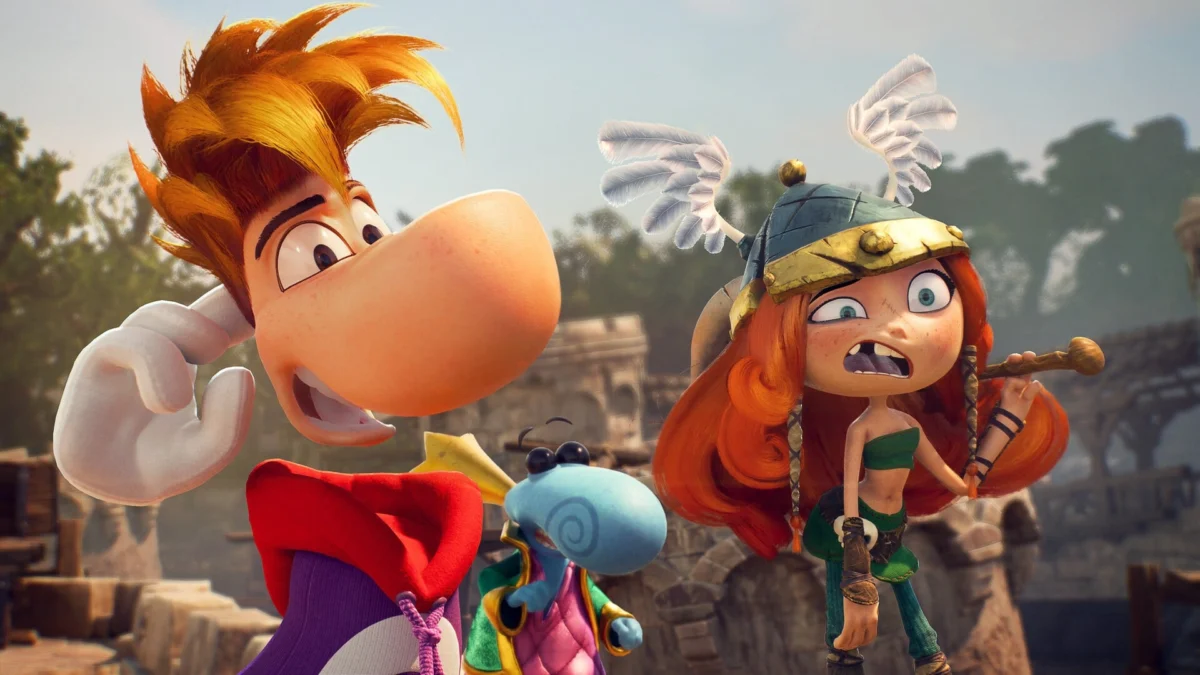
Ubisoft has announced an unexpected delay for Rayman Legends Retold, a highly anticipated remake of the critically acclaimed platformer. Despite the game having officially achieved "gold" status – a significant milestone in game development traditionally signifying that the final master version is complete and ready for manufacturing and distribution – Ubisoft has decided to push its release date from the previously planned October 1st to December 3rd, 2026. This move has sparked considerable discussion within the gaming community and industry, as delays post-"gold" are relatively uncommon and often indicative of a particularly rigorous commitment to quality or the identification of critical issues requiring immediate attention.
The decision was communicated through a concise statement issued by Ubisoft, which read: "While the game has officially gone gold, we have decided to take extra time to make sure every detail gets the care it deserves." This statement underscores a perceived dedication to polish and refinement, aiming to deliver a product that fully meets both internal standards and player expectations. However, the timing also places Rayman Legends Retold in a highly competitive holiday window, notably in close proximity to the anticipated launch of other major titles, including the much-discussed Grand Theft Auto VI.
The Unconventional Delay: A Deeper Look at "Gold" Status in Modern Gaming
The term "going gold" originates from the era of physical media, where it meant the game’s code was finalized and sent for duplication onto cartridges or discs. Historically, once a game went gold, delays were almost unheard of, as any alteration would incur substantial manufacturing and logistical costs. In the modern digital age, the definition has evolved. While it still signifies that the core game is complete and playable from start to finish, "gold" often now implies the version ready for initial release, with the understanding that "day-one patches" might follow to address minor bugs or introduce last-minute optimizations.
A delay after reaching gold status is a rare occurrence, signaling a significant development. It suggests that even the "gold" version, deemed ready for mass production, either did not fully align with the developers’ or publishers’ ultimate vision for quality, or that critical feedback, perhaps from internal testing or early access programs (if applicable), highlighted areas requiring more substantial work than a simple patch could resolve. This could involve anything from pervasive performance issues, fundamental gameplay imbalances, or a desire to integrate additional features that were previously cut due to time constraints but deemed essential for a premium experience. Such a decision, while costly in terms of marketing adjustments and deferred revenue, typically reflects a deep commitment to avoiding the pitfalls of a rushed or unpolished launch, a lesson many developers and publishers have learned from recent industry examples.
Rayman’s Enduring Legacy and Ubisoft’s Remake Strategy
The Rayman franchise holds a significant place in gaming history, particularly within the platforming genre. Created by Michel Ancel, the series debuted in 1995 and quickly established itself with its vibrant aesthetics, imaginative level design, and challenging gameplay. Rayman Legends, originally released in 2013, was a critical darling, praised for its innovative co-op mechanics, stunning art style, and expertly crafted levels. It garnered numerous awards and is widely considered one of the finest 2D platformers of its generation. The decision to develop Rayman Legends Retold as a remake, rather than a mere remaster, indicates Ubisoft’s intention to thoroughly update the experience, potentially leveraging modern hardware capabilities for enhanced visuals, improved performance, and perhaps even new content or quality-of-life features.
Ubisoft, like many major publishers, has increasingly embraced the strategy of remakes and remasters. This approach allows companies to capitalize on established intellectual properties, tap into nostalgia, and introduce beloved titles to new generations of players. Recent examples from Ubisoft include the ongoing development of a Splinter Cell remake and the frequently delayed Prince of Persia: The Sands of Time Remake. The market for remakes is robust, but player expectations are high; modern remakes are often judged not just on fidelity to the original but also on their ability to meaningfully enhance the experience and justify their existence. For a title like Rayman Legends Retold, which is based on an already visually stunning and highly polished game, the "Retold" designation implies a more substantial overhaul, necessitating an even greater attention to detail.
Chronology of Development and Release
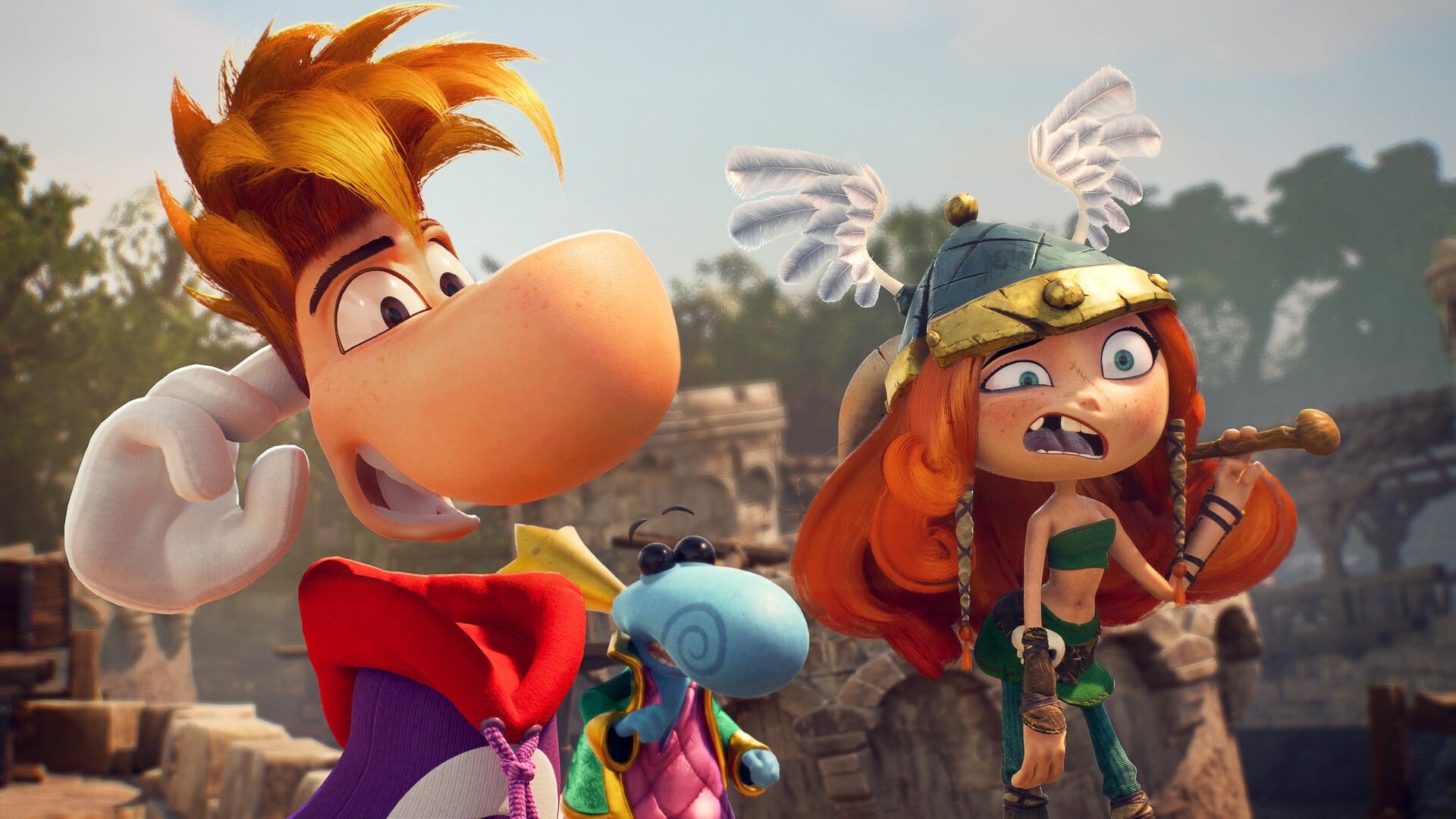
While specific details regarding the initial announcement and development timeline for Rayman Legends Retold are not extensively publicized, the sequence of events leading to this delay provides a snapshot of its journey:
- Initial Conception/Announcement: The project for Rayman Legends Retold would have been greenlit and announced at some point prior to its original release window, indicating Ubisoft’s long-term planning for the franchise.
- Original Target Release: October 1st, 2026. This date likely represented an aggressive yet achievable target based on early development projections.
- "Gold" Status Achieved: The recent confirmation that the game had gone "gold" suggests that, by internal metrics, a complete, shippable version of the game was ready. This milestone typically occurs a few weeks to a couple of months before the intended release date to allow for manufacturing and distribution logistics.
- Delay Announcement: Shortly after achieving "gold" status, Ubisoft declared the new release date of December 3rd, 2026. This swift pivot indicates either a very late-stage discovery of significant issues or a strategic recalculation of the release window.
The year 2026 is shaping up to be a monumental one for the gaming industry, with several high-profile titles vying for consumer attention. The strategic decision to move Rayman Legends Retold into this competitive landscape, particularly the December holiday push, highlights both the publisher’s confidence in the game’s ultimate quality and the potential risks associated with vying for market share during such a crowded period.
Ubisoft’s Official Stance and Internal Drive for Quality
Ubisoft’s brief statement, emphasizing the need for "extra time to make sure every detail gets the care it deserves," aligns with a broader industry trend towards prioritizing quality and developer well-being. In recent years, numerous major game releases have faced criticism for launching in a technically unpolished state, leading to negative player reception, sales impact, and damage to brand reputation. The contentious concept of "crunch" – extensive mandatory overtime – has also come under increasing scrutiny, with many studios now striving for more sustainable development cycles.
By delaying Rayman Legends Retold even after it reached "gold," Ubisoft appears to be signaling a firm commitment to delivering a highly refined product. This could stem from several internal factors:
- Preventative Measure: Proactively addressing potential bugs, performance bottlenecks, or design issues that could lead to a less-than-ideal launch experience.
- Enhanced Features: Utilizing the additional time to integrate features or content that might have been cut or rushed due to the original deadline.
- Developer Morale: Potentially allowing development teams to avoid intense "crunch" periods by providing more realistic timelines for final polish.
- Strategic Repositioning: Re-evaluating the initial release window in light of emerging market conditions or competitor announcements.
This approach, while potentially impacting short-term financial forecasts, could ultimately bolster Ubisoft’s brand image as a publisher committed to quality, a reputation that has seen fluctuations in recent years. It reflects an understanding that a polished, well-received game can have a much longer tail of sales and positive word-of-mouth than a rushed one, especially for a beloved franchise like Rayman.
Fan and Industry Reactions: A Spectrum of Perspectives
The announcement of the delay for Rayman Legends Retold has elicited a varied response from the gaming community and industry observers. Predominantly, reactions from fans have leaned towards the positive, echoing the sentiment of "take as long as you need to make it good." This perspective is largely fueled by a collective fatigue with games launching prematurely, often requiring extensive post-release patching to reach an acceptable state. Players, increasingly discerning, express a preference for a delayed but polished experience over a rushed and buggy one. This trend reflects a maturity in consumer expectations, where quality assurance is valued over adherence to arbitrary release dates. The desire for a pristine Rayman Legends Retold is particularly strong given the original’s reputation for exceptional polish and fluidity.
However, a notable segment of the community has voiced concerns regarding the new December 3rd, 2026 release date, specifically its proximity to the highly anticipated launch of Grand Theft Auto VI. GTA VI, while not yet having a definitive release date, is widely expected to debut in late 2025 or 2026, and its release is poised to be one of the largest events in entertainment history, likely dominating media attention and consumer spending for an extended period. The concern is that Rayman Legends Retold, despite its distinct genre and target audience, might be overshadowed by the immense cultural phenomenon that GTA VI is guaranteed to be. This could potentially divert sales, attention, and critical discourse away from Ubisoft’s platformer, regardless of its inherent quality.
Market Overlap and Audience Segmentation:
Analyzing the competitive landscape, it’s crucial to consider the potential audience overlap between Rayman Legends Retold and Grand Theft Auto VI. These two titles exist at opposite ends of the gaming spectrum: Rayman is a vibrant, family-friendly 2D platformer known for its whimsical art style and precise mechanics, appealing to a broad demographic that includes younger players and platforming enthusiasts. Grand Theft Auto, conversely, is an open-world action-adventure series characterized by its mature themes, satirical social commentary, and expansive criminal underworld, primarily targeting an adult audience.
While a dedicated platformer fan might be interested in both titles, the core audiences are largely distinct. Therefore, the direct competitive impact on sales might be less severe than some fear. The primary challenge for Rayman Legends Retold would likely be in capturing mindshare and media attention during a period when the gaming world’s spotlight is intensely focused elsewhere. Marketing efforts for Rayman Legends Retold will need to be particularly robust and creative to cut through the noise generated by GTA VI and ensure its unique appeal is effectively communicated to its target demographic. This situation presents a delicate balancing act for Ubisoft: leverage the additional development time for unparalleled quality, but concurrently navigate a fiercely competitive market.
Strategic Implications of a December 2026 Launch
The decision to delay Rayman Legends Retold to December 2026 carries several strategic implications for Ubisoft:
- Holiday Window Competition: The December release places the game squarely in the crucial holiday sales period. While this time of year offers immense potential for sales due to gift-buying, it is also notoriously crowded with major releases from various publishers. Standing out in this environment requires significant marketing investment and a truly exceptional product.
- Financial Considerations: The delay means deferred revenue for Ubisoft. However, a well-received, polished game can lead to stronger long-term sales, positive word-of-mouth, and potentially higher pricing justification, offsetting the initial delay’s financial impact. Conversely, a rushed game often results in discounted sales, negative reviews, and reduced longevity in the market.
- Brand Perception: This delay could reinforce Ubisoft’s commitment to quality, potentially rebuilding trust with players who may have been disappointed by previous releases. In an industry where reputation is paramount, such a move can have lasting positive effects on brand loyalty.
- Optimized Marketing Cycle: The extended development window also allows for a more refined and targeted marketing campaign, building anticipation and effectively communicating the enhancements in Retold to both nostalgic fans and new players.
The Broader Trend of Game Delays in Modern Development
The delay of Rayman Legends Retold is not an isolated incident but rather indicative of a broader trend within the modern video game industry. Game development has become exponentially more complex over the past two decades. The sheer scale of graphical fidelity, intricate gameplay systems, expansive open worlds, and online functionalities demands unprecedented levels of coordination, technical expertise, and time. Projects routinely encounter unforeseen technical hurdles, scope creep, and the challenge of integrating cutting-edge technologies.
Furthermore, the public and critical reception of games launching with significant bugs or performance issues has become increasingly harsh. Social media and dedicated gaming forums amplify negative feedback almost instantly, potentially dooming a game’s initial sales and long-term viability. This heightened scrutiny has compelled publishers and developers to adopt a more cautious approach, prioritizing quality over strict adherence to original timelines. The mantra "a delayed game is eventually good, but a rushed game is forever bad" (often attributed to Shigeru Miyamoto) resonates deeply within the industry, guiding decisions such as the one made for Rayman Legends Retold. While frustrating for eager players, these delays are often a necessary evil to ensure the final product meets the high standards players now expect.
In conclusion, the decision to delay Rayman Legends Retold after it had gone "gold" represents a bold and somewhat unconventional move by Ubisoft. It underscores a significant commitment to delivering a highly polished and refined gaming experience, a priority that has gained increasing importance in an industry grappling with the complexities of modern development and the demanding expectations of its audience. While the new December 2026 release date places the title in a highly competitive market environment, particularly in the shadow of Grand Theft Auto VI, the additional development time could prove crucial in ensuring Rayman Legends Retold stands as a testament to quality, deserving of its place within the storied franchise and a worthy successor to its critically acclaimed predecessor. The gaming community will be watching closely to see if this strategic patience ultimately pays off for Ubisoft.