


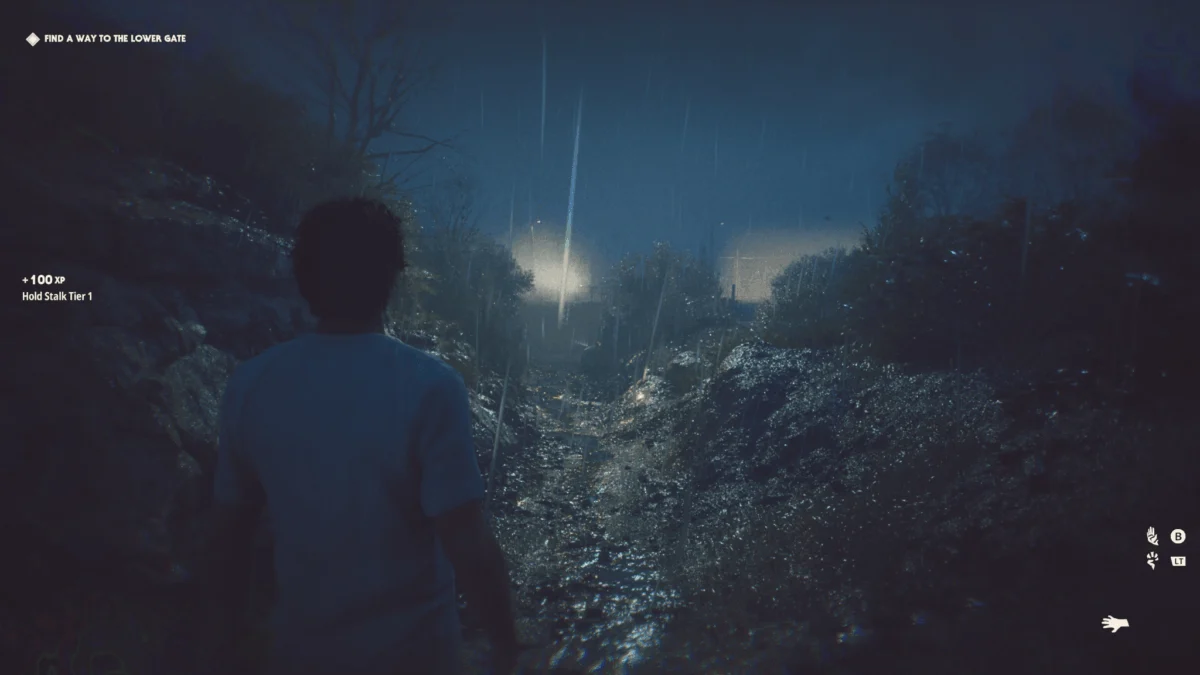
IllFonic, the development studio recognized for its previous work on licensed asymmetrical horror titles such as Friday the 13th: The Game and Killer Klowns from Outer Space: The Game, has officially released its latest project based on John Carpenter’s seminal 1978 film, Halloween. This release marks a significant milestone for the studio as it attempts to modernize one of the most respected intellectual properties in the slasher subgenre. Utilizing the advanced capabilities of Unreal Engine 5, Halloween: The Game seeks to provide a definitive "The Shape" experience, though early technical assessments and player feedback suggest a launch period characterized by both atmospheric fidelity and significant mechanical instability.

Evolution of the Asymmetrical Horror Genre
The release of Halloween: The Game arrives during a period of sustained growth for the asymmetrical multiplayer market. Since the 2016 launch of Dead by Daylight, which currently boasts a player base exceeding 60 million across all platforms, several studios have attempted to replicate its success with varying degrees of longevity. IllFonic has positioned itself as a specialist in this field, moving away from the broader "hide-and-seek" mechanics of its competitors toward more complex, objective-based environments that incorporate both human players and non-playable characters (NPCs).
Industry data suggests that the "slasher" sub-category of horror gaming relies heavily on brand recognition to drive initial sales. By securing the rights to the 1978 Halloween film, IllFonic has tapped into a legacy that spans over four decades. However, the current landscape is competitive, with titles like The Texas Chain Saw Massacre and Evil Dead: The Game having already established high bars for environmental storytelling and character-specific mechanics.

Single-Player Narrative and Tutorial Integration
While primarily designed as a multiplayer experience, Halloween: The Game includes a dedicated single-player component consisting of five distinct chapters. This mode serves a dual purpose: providing fans with a cinematic retelling of the 1978 film and acting as a comprehensive tutorial for the killer’s mechanics.
Spanning approximately two hours of gameplay, the narrative mode follows Michael Myers from his initial escape from the Smith’s Grove Sanitarium to his pursuit of Laurie Strode in Haddonfield. Analysts note that while the mode is relatively short, it provides essential framing for the game’s mechanics. Each chapter introduces specific challenges and varying difficulty levels, allowing players to familiarize themselves with the "stalking" and "environmental kill" systems in a controlled environment. The mode concludes with the iconic confrontation between Michael and the residents of Haddonfield, effectively bridging the gap between the film’s lore and the game’s competitive multiplayer loop.

Multiplayer Architecture and the 1v4 Dynamic
The core of the experience is the 1v4 asymmetrical mode, which functions as a spiritual successor to IllFonic’s 2017 Friday the 13th title. In this configuration, one player assumes the role of Michael Myers, while four others play as survivors. A notable departure from other games in the genre is the inclusion of "NPC neighbors." Survivors are tasked not only with their own escape but also with the protection and evacuation of these AI-controlled characters.
Map Design and Objectives
At launch, the game features four maps modeled after suburban Haddonfield. These maps are characterized by high density, offering numerous hiding spots, multi-story buildings, and interactive environments. The primary objective for survivors involves locating key items to unlock specific escape routes, such as repairing vehicles or contacting the authorities.

The Survivor Experience
Survivors possess unique statistics and abilities that can be augmented through a perk system. During a match, players build a "deck" of perks that can be activated as they complete objectives. A significant mechanic introduced in this title is the "post-death" contribution system. Players who are killed early in a match can still participate by completing skill checks that bestow perks upon surviving teammates. Furthermore, deceased players may eventually respawn as high-tier characters, including armed police officers or Dr. Samuel Loomis, providing a late-game surge against the killer.
Mechanics of "The Shape"
The gameplay for Michael Myers focuses on the "stalk and kill" philosophy. To succeed, the killer player must balance direct aggression with the "Stalk" mechanic—a build-up meter that rewards the player for observing survivors from a distance. This meter, once filled, grants Michael enhanced lethality and access to more brutal execution animations.

Shape Jump and Shadow Manipulation
To address the traditional mobility issues of slasher characters, IllFonic implemented the "Shape Jump" ability. This allows Michael to disappear into the shadows and reappear in different locations across the map with high efficiency. This ability is tethered to the environment’s lighting; Michael can actively sabotage electrical boxes and use the "Blackout" ability to disable streetlamps and indoor lighting, thereby expanding his tactical movement options. Other abilities include "Detection Pulse" for locating hidden survivors and "Shadow Strike," a ranged attack intended to disorient targets.
Technical Evaluation and Performance Metrics
The transition to Unreal Engine 5 has resulted in a visual presentation that outclasses many of its contemporaries. The use of volumetric fog, dynamic lighting, and film grain effects successfully captures the aesthetic of the 1978 film. On high-end consoles like the Xbox Series X, the game offers a "Quality Mode" targeting 30fps and a "Performance Mode" targeting 60fps.

However, technical reviews indicate that the launch state is marred by inconsistency. In "Performance Mode," the resolution hit is substantial enough to impact gameplay, making small interactive items difficult to identify. Furthermore, frame rate drops are common during high-intensity sequences.
Reported Software Instability
Reports from the initial launch window highlight several critical bugs:

- Hard Crashes: Frequent application failures during match transitions.
- Geometry Soft-locks: Police vehicles and NPCs becoming stuck on environmental assets, preventing match completion.
- Animation Glitches: Instances of character models losing textures or clipping through solid objects.
- Latency Issues: High ping and server-side lag were reported across all regions, regardless of individual connection speeds.
The absence of a formal tutorial for the survivor class has also been cited as a significant hurdle for new players. While Michael’s mechanics are explained in the single-player mode, survivor items, scoring systems, and perk interactions are left for the community to document via external guides.
Progression Systems and In-Game Economy
The game employs a gacha-style "pull" system for acquiring perks, which has drawn criticism for introducing "pointless friction" into character building. While the in-game currency is earned at a steady rate, the random nature of perk acquisition makes it difficult for players to create specialized loadouts.

Additionally, key gameplay abilities for Michael Myers are locked behind high-level progression milestones. This creates a perceived imbalance in early-game matches, where new killer players lack the essential tools required to compete against experienced survivor groups. The grind for cosmetic items and weapon skins is similarly extensive, utilizing a linear challenge system that has been described as a "slog" by early adopters.
Licensing and Franchise Fidelity Analysis
A point of contention among the fan base is the game’s narrow focus on the 1978 original film. While the recreation of the 1978 assets is meticulous, the game lacks content from the broader Halloween franchise, which includes twelve additional films. The survivor roster consists largely of newly created characters rather than iconic figures from the sequels, which some analysts view as a missed opportunity for fan service.

The decision to exclude content from the wider "Halloween Cinematic Universe" may be a result of complex licensing agreements, as the rights to different entries in the franchise are often held by different entities. Nevertheless, the lack of "legacy" content may impact the game’s ability to maintain a long-term player base in a genre that thrives on frequent content updates.
Industry Impact and Future Outlook
The launch of Halloween: The Game serves as a case study in the challenges of releasing licensed asymmetrical titles. While the IP carries immense weight, the technical execution at launch is a critical factor in determining whether a game can survive the "first-month slump" common in multiplayer-only titles.

The asymmetrical horror market is currently saturated. To compete with established giants, a new title must offer either flawless technical performance or a unique gameplay loop that cannot be found elsewhere. Halloween: The Game offers the latter through its NPC integration and shadow-based movement, but the former remains an area of concern.
Historically, IllFonic has demonstrated a commitment to post-launch support, often patching game-breaking bugs within the first few weeks of release. If the studio can stabilize the server infrastructure and refine the match pacing—specifically addressing the "stagnant" end-game where Michael must hunt down every last NPC—the title has the potential to become a staple of the genre.

At present, Halloween: The Game is a high-fidelity tribute to a horror masterpiece that is currently hindered by the complexities of its own engine and a lack of mechanical transparency. For the title to secure a permanent place in the competitive landscape, the developer will need to address the "Season of the Glitch" through aggressive patching and more robust community engagement.