


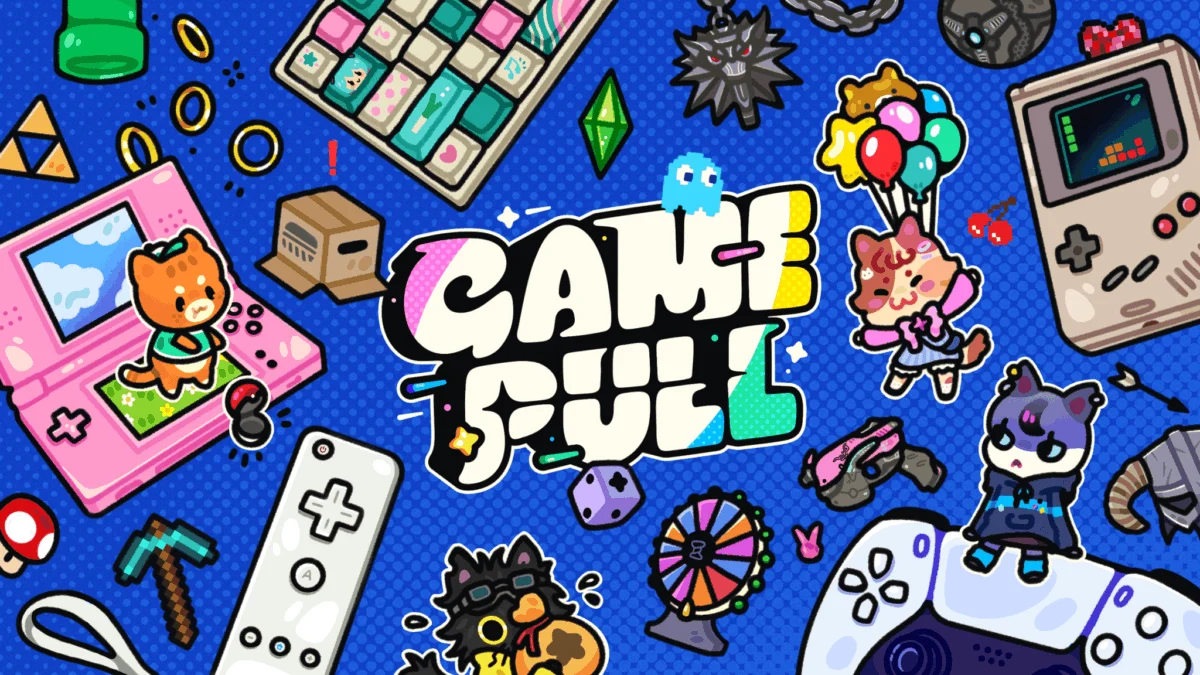
GamePull has emerged as a significant anomaly in the digital gaming landscape, successfully decoupling the addictive "gacha" mechanic from the predatory monetization models that typically define the genre. Launched as a browser-based card collection platform, the title facilitates a complex ecosystem of trading, collecting, and community interaction without the presence of microtransactions. Developed by a solo creator known as Dovah, the game utilizes a minimalist interface to deliver a dopamine-driven progression system centered on the history of the video game industry. By focusing on tens of thousands of existing video game titles and transforming them into digital collectibles, GamePull provides a historical archive that doubles as a competitive social platform.
Architectural Foundation and Development Chronology
The development of GamePull began as a passion project for Dovah, a professional web developer whose primary career involves the construction of government and corporate digital infrastructure. This background in "corpo" design is evident in the game’s aesthetic, which favors functionality and clean lines over the high-fidelity animations seen in commercial gacha titles like Genshin Impact or Honkai: Star Rail.

The project officially transitioned to a public-facing entity in March 2026. Since its inception, the game has operated on a seasonal model, allowing the developer to introduce new mechanics and balance the economy without permanently alienating the player base. Season 1 focused on a shard-based collection system, which, while successful, highlighted potential issues regarding "endgame" toxicity and resource exhaustion for late-joining players. In response, Season 2 was launched with a refined "Blueprint" and "Masterwork" system, designed to foster a more inclusive environment while maintaining the rarity and prestige of top-tier cards.
Core Gameplay Mechanics and Economic Structures
At its most fundamental level, GamePull tasks players with opening virtual packs to acquire cards representing various video games from the 1980s to the modern era. The database is remarkably expansive, featuring tens of thousands of entries categorized by rarity, genre, console manufacturer, and release period.
The Dopamine Loop and Rarity Tiers
The game utilizes traditional gacha mechanics, including visual stimuli such as confetti and high-contrast alerts for rare "pulls." Players can choose to open general packs for a diverse range of cards or specialize in specific categories, such as "1980’s Classics" or "Xbox Ecosystem" titles. This specialization allows for targeted collection strategies, which is essential given the sheer volume of the available card pool.

The "Rope" Currency and Bounty System
Progress is fueled by "Rope," the platform’s exclusive in-game currency. Unlike traditional titles, Rope cannot be purchased with fiat currency. It is earned through:
- Completing Sets: Grouping cards by franchise or IP.
- Account Progression: Earning experience points (XP) through pack openings.
- The Bounty Market: A peer-to-peer system that serves as the game’s primary economic engine.
The Bounty system allows players to post rewards for specific cards they require to complete their collections. This creates a player-driven marketplace where the value of a card is determined by communal demand rather than fixed developer pricing. High-level "Bounty Hunters" can earn significant amounts of Rope by fulfilling these requests, which can then be reinvested into more expensive, high-rarity packs.
Season 2: The Masterwork and Blueprint Innovation
The current phase of GamePull, Season 2, introduces a sophisticated crafting layer to the collection process. Blueprints represent some of the rarest items in the game and serve as the foundation for "Masterworks." To prevent the monopoly of rare items, the system utilizes four distinct "Cores": Fae, Mechanical, Neon, and Arcane.

Each player is restricted to crafting a single Masterwork from a specific Blueprint, and each game in the Blueprint pool can only be crafted four times (once for each Core type). With over 1,000 Blueprints available, this creates a total pool of approximately 4,000 unique Masterworks. This limitation ensures that while cards remain rare, the opportunity to participate in the endgame is distributed across the community. This season is expected to conclude once the total Blueprint pool has been exhausted, a process projected to take several months from the current date.
Technical Specifications and Accessibility
GamePull is optimized for a wide range of hardware, reflecting its origins as a browser-based application. During performance testing, the platform maintained stability across high-end PCs, budget laptops, and various mobile devices. The minimalist design serves a dual purpose: it reduces the barrier to entry for users with limited hardware and allows the game to function as a "side-activity" during multitasking.
One notable feature is the "Unpacking Station." This mechanic allows players to assign their virtual avatars to open packs automatically while they are away from their devices. This passive progression system aligns with the "chill" nature of the game, ensuring that players do not feel compelled to maintain 24/7 engagement to remain competitive.

Community Dynamics and Developer Philosophy
A defining characteristic of GamePull is its community of several hundred active users. The developer, Dovah, has explicitly stated that the game is designed to function like an MMO server with a finite population. "The goal is to have a finite number of players in the same instance, working together towards their individual and global goals alike," Dovah noted during a recent discussion regarding the game’s growth. He further clarified that should the user base expand significantly, the infrastructure would be split into separate "servers" to maintain the intimate, helpful nature of the current community.
Governance and Feedback Loops
The community primarily interacts via an official Discord server, which acts as a hub for trading and technical support. The developer’s responsiveness to bug reports and quality-of-life (QoL) suggestions has been a cornerstone of the game’s retention strategy. Recent updates have focused on refining the marketplace UI and simplifying the process for setting bounties, addressing common criticisms regarding the mobile interface’s usability compared to the desktop version.
Broader Impact and Industry Implications
GamePull serves as a case study in the viability of non-predatory game design. By removing microtransactions, the game shifts the focus from "pay-to-win" to "participation-to-win." This model addresses several growing concerns within the gaming industry:

- Sustainability of Gacha Mechanics: It proves that the psychological appeal of card-opening can exist without financial exploitation.
- Digital Archiving: The game’s massive database serves as a functional encyclopedia of gaming history, introducing younger players to obscure titles from previous decades.
- The "Cozy" Gaming Trend: GamePull aligns with the rising demand for low-stress, social-oriented games that respect the player’s time.
While the game is not monetized in a traditional sense, it is supported via a Patreon model. This allows users to fund development in exchange for cosmetic benefits, such as custom card art, without granting any competitive advantage in the marketplace or collection leaderboards.
Future Outlook: Factions and Achievements
The roadmap for GamePull includes several significant expansions aimed at deepening the social experience. A "Factions" system is currently in development, which will allow players to join groups and compete in collaborative challenges. This move is intended to move beyond individual collection goals and toward a more communal objective-based structure.
Additionally, a comprehensive Achievement system and improved onboarding processes for new players are slated for release. These updates aim to address the steep learning curve associated with the game’s deeper economic mechanics, such as the All-Star system—an endgame tier that allows for the creation of high-value versions of iconic gaming titles.

Conclusion
GamePull represents a unique intersection of nostalgia, economic simulation, and social gaming. By leveraging the addictive qualities of the gacha genre within a strictly non-monetized, community-focused framework, it offers a compelling alternative to mainstream mobile and browser games. Its success suggests that there is a significant market for "slow gaming" experiences where progress is measured in community contribution and collection completion rather than financial investment. As the platform moves toward Season 3 and the introduction of factions, it remains a pivotal example of how solo developers can challenge industry norms through focused, passion-driven design.