


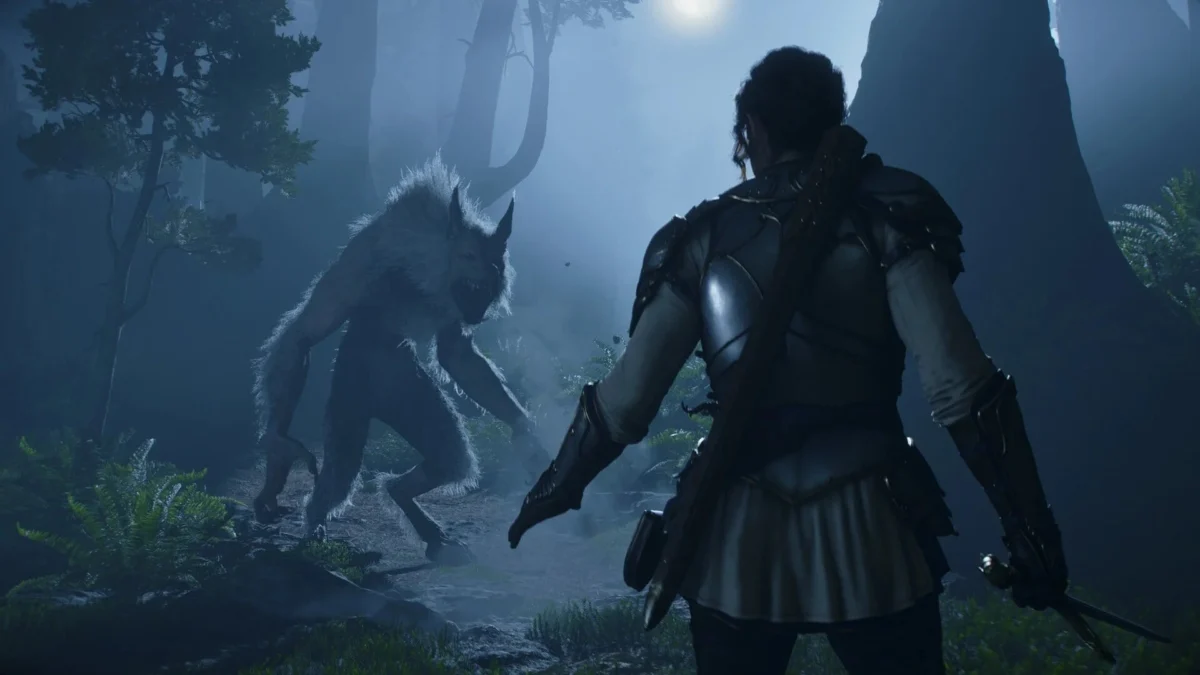
Playground Games has officially confirmed that the upcoming Fable reboot will feature five distinct difficulty settings at launch, offering a level of player agency and accessibility previously unseen in the storied franchise. This revelation, which emerged following extensive gameplay coverage at Gamescom, indicates a significant shift in how the developer intends to balance the game’s combat and exploration for a diverse global audience. The confirmed difficulty tiers are categorized as Story, Hero, Legend, Master, and a comprehensive Custom option, allowing players to fine-tune their experience to suit specific playstyles and skill levels.
The inclusion of these settings addresses a growing demand within the gaming community for granular control over challenge levels, particularly in high-profile Action Role-Playing Games (ARPGs). By providing a spectrum of presets and a modular customization suite, Playground Games aims to accommodate both casual players interested primarily in narrative and seasoned veterans seeking a rigorous combat experience. This move follows initial community feedback from a 30-minute gameplay demonstration in June, which some viewers characterized as appearing overly accessible. The confirmation of the "Master" and "Custom" modes serves as a direct response to those seeking a higher ceiling for tactical complexity and mechanical demand.
Chronology of Development and Public Reveal
The journey toward the 2025 release of Fable has been marked by a deliberate and measured rollout of information by Microsoft and Playground Games. The project was first announced in July 2020 with a cinematic teaser that established the return to the whimsical yet dark world of Albion. For several years, details remained scarce as Playground Games, primarily known for the Forza Horizon series, transitioned into the realm of open-world RPG development.
In June 2024, during the Xbox Games Showcase, a substantial gameplay trailer was unveiled, highlighting the game’s visual fidelity and its signature British humor. While the reception was largely positive, a segment of the "hardcore" gaming community expressed concerns regarding the perceived ease of the combat encounters shown. These concerns prompted internal discussions and subsequent clarifications from the development team regarding the scalability of the game’s systems.
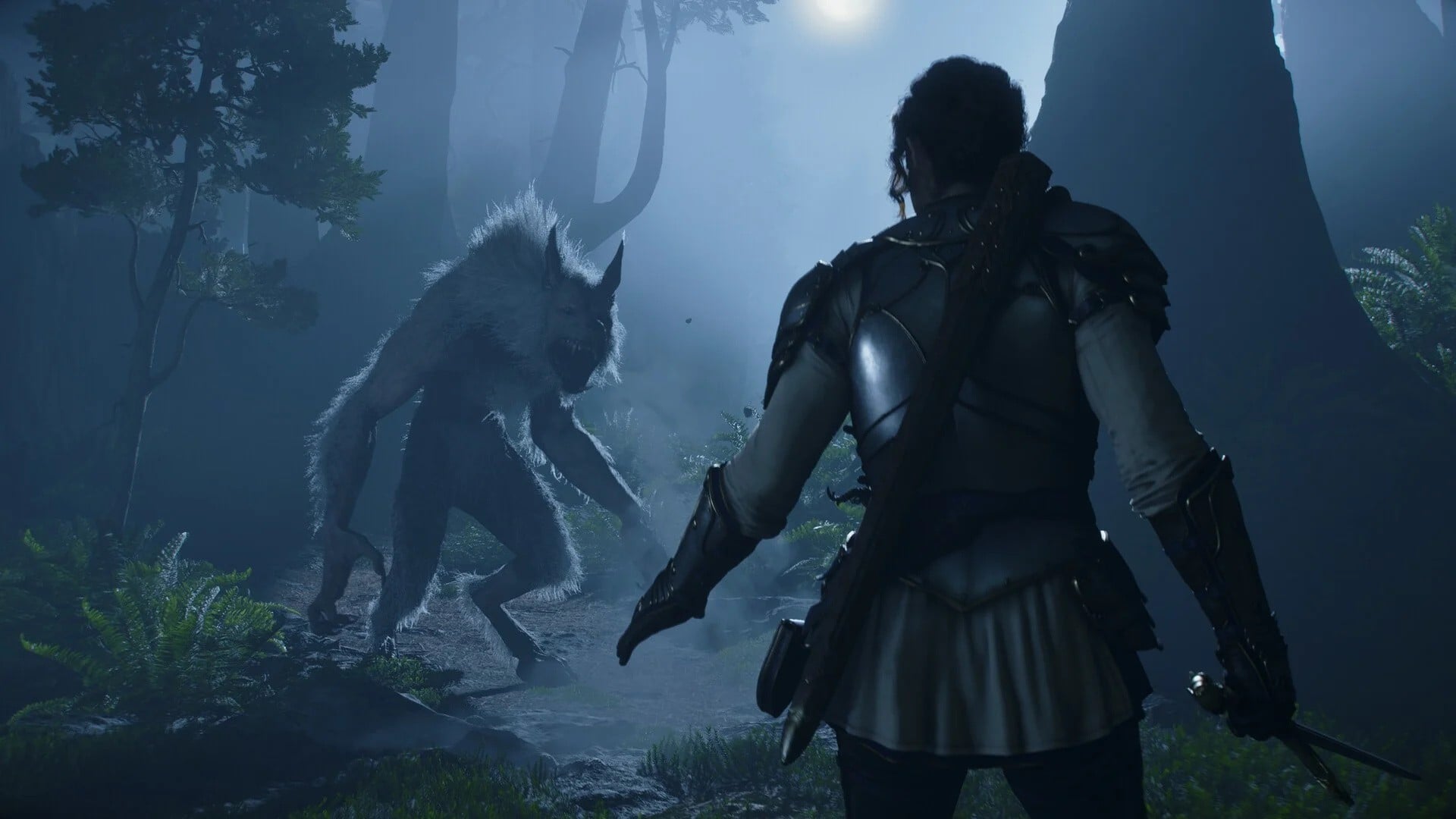
The most recent breakthrough in information occurred during the Gamescom event in August. While the difficulty settings were not the primary focus of the stage presentations, eagle-eyed observers and industry analysts identified the specific menu options within b-roll footage and international media coverage. Specifically, a video published by the Italian outlet Multiplayer.IT showcased the "Hero" and "Legend" settings, which led to the discovery of the full five-tier system. This discovery has since been corroborated by internal sources and community analysis, providing a clearer picture of the game’s structural flexibility.
Detailed Breakdown of Difficulty Tiers and Customization
The five-tier system in Fable is designed to be more than a simple health and damage slider. Each preset serves a specific demographic of the player base, while the Custom mode provides the tools for a bespoke experience.
The Preset Modes
- Story: This mode is tailored for players who wish to focus on the narrative, world-building, and character interactions without being hindered by demanding combat encounters. In this mode, enemy AI is likely to be less aggressive, and the protagonist’s resilience is significantly increased.
- Hero: Functioning as the "Standard" or "Normal" setting, Hero mode is intended to be the baseline experience envisioned by the developers. It balances the challenge of combat with the progression of the story, requiring a basic understanding of the game’s mechanics without punishing minor mistakes.
- Legend: This tier is aimed at experienced ARPG players. It increases the stakes of every encounter, requiring more precise timing for parries and more strategic use of the environment and character abilities.
- Master: The highest fixed difficulty level, Master mode is designed for those who have mastered the game’s systems. It likely features significantly higher enemy damage output, more complex enemy behavior patterns, and reduced windows for player error.
- Custom: The Custom option represents the most significant modernization of the Fable formula. It allows players to bypass the presets and manually adjust individual gameplay variables.
Granular Customization Variables
According to the interface elements observed in recent footage, the Custom difficulty suite includes several toggleable and adjustable parameters. Players can manipulate "Enemy Damage," which dictates how much health is lost per hit, and "Enemy Durability," which affects the time and effort required to defeat foes. Perhaps more importantly, the "Enemy Aggression" slider allows players to control how frequently and relentlessly AI opponents attack, which can fundamentally change the pace of a skirmish.
Furthermore, the game includes several mechanical assists that can be adjusted independently. "Auto-block" and "Easy Parrying" options are available for those who may struggle with the fast-twitch requirements of modern combat systems. "Reaction Windows" can also be widened or narrowed, providing a crucial accessibility feature for players with motor impairments or those who simply prefer a more rhythmic, less frantic combat flow.
Historical Context and Franchise Evolution
To understand the impact of these features, one must look at the history of the Fable franchise. The original trilogy, developed by the now-defunct Lionhead Studios under the direction of Peter Molyneux, was known for its innovative "moral alignment" systems and social simulation elements. However, combat difficulty was rarely a point of granular customization.

The original Fable (2004) and its subsequent Lost Chapters expansion featured a relatively straightforward combat system where difficulty was largely managed through character progression and gear upgrades rather than menu settings. Fable II (2008) famously removed the traditional "Game Over" screen, opting instead for a system where falling in combat resulted in a loss of experience (or "scars") rather than a reload of a save file. This was a polarizing decision that emphasized accessibility over challenge. Fable III (2010) continued this trend, focusing more on the macro-management of the kingdom and streamlined combat.
The Playground Games reboot represents a departure from this philosophy by reintroducing traditional difficulty tiers while simultaneously embracing the modern industry standard of deep accessibility. By offering a "Master" mode alongside "Story" and "Custom" options, Playground Games is attempting to bridge the gap between the "casual-friendly" reputation of the older titles and the high-skill requirements of contemporary hits like Elden Ring or God of War Ragnarök.
Industry Implications and Competitive Landscape
The decision to implement five difficulty levels reflects a broader trend in AAA game development. As development costs for flagship titles continue to rise, publishers like Microsoft need their games to appeal to the widest possible audience to ensure financial viability. However, this "mass appeal" often risks alienating core gamers who equate quality with challenge.
By utilizing a modular difficulty system, Fable positions itself competitively against other major RPGs. For instance, Sony’s God of War series and Naughty Dog’s The Last of Us Part II have set the gold standard for accessibility, allowing players to adjust everything from enemy perception to the frequency of resources. Fable’s adoption of similar systems suggests that Microsoft is prioritizing "inclusive design" as a core pillar of its first-party strategy.
From a technical standpoint, the transition of Playground Games from the racing genre to an RPG is also relevant. The Forza Horizon series is renowned for its highly customizable "Drivatar" difficulty and assist settings, which allow players to tailor the driving physics and opponent skill to an exacting degree. It appears that the studio is transposing this philosophy of "scalable challenge" into the fantasy world of Albion.
Official Responses and Community Reaction
While Microsoft has not issued a formal press release specifically regarding the difficulty menus, representatives from Playground Games have hinted at these features in various interviews during the Gamescom cycle. Developers have emphasized that "player choice" extends beyond the moral decisions (being good or evil) that the series is known for; it also encompasses how the player interacts with the world’s mechanical challenges.
The community reaction has been largely celebratory. On platforms like Reddit and X (formerly Twitter), fans of the original trilogy have expressed relief that a "Master" mode exists to provide a more "grown-up" challenge. Conversely, accessibility advocates have praised the inclusion of reaction window adjustments and auto-blocking, noting that such features make the game playable for a larger demographic of gamers with disabilities.
The "Custom" mode, in particular, has been identified as a highlight. Analysts suggest that this will likely become a popular feature for the "speedrunning" and "challenge run" communities, who can use these settings to create specific, highly difficult scenarios that were impossible in previous iterations of the franchise.
Conclusion and Future Outlook
As Fable moves toward its 2025 launch window on Xbox Series X|S and PC (including a Day One release on Game Pass), the confirmation of these difficulty settings provides a clearer picture of the game’s identity. It is a title that seeks to honor the legacy of its predecessors by maintaining a sense of humor and wonder, while adopting the sophisticated mechanical standards of the modern era.
The five-tier difficulty system, supported by a robust customization engine, ensures that the reboot will not be defined by a single level of challenge. Instead, the difficulty will be as impactful or as invisible as the player chooses. This approach not only modernizes the franchise but also safeguards it against the criticisms of being "too easy" or "too inaccessible," potentially setting a new benchmark for how Xbox first-party titles handle player agency in the years to come. With "Fable February" approaching—a period where many expect more deep-dive gameplay—the focus will likely shift from these structural settings to the actual nuances of the combat and magic systems they govern.