


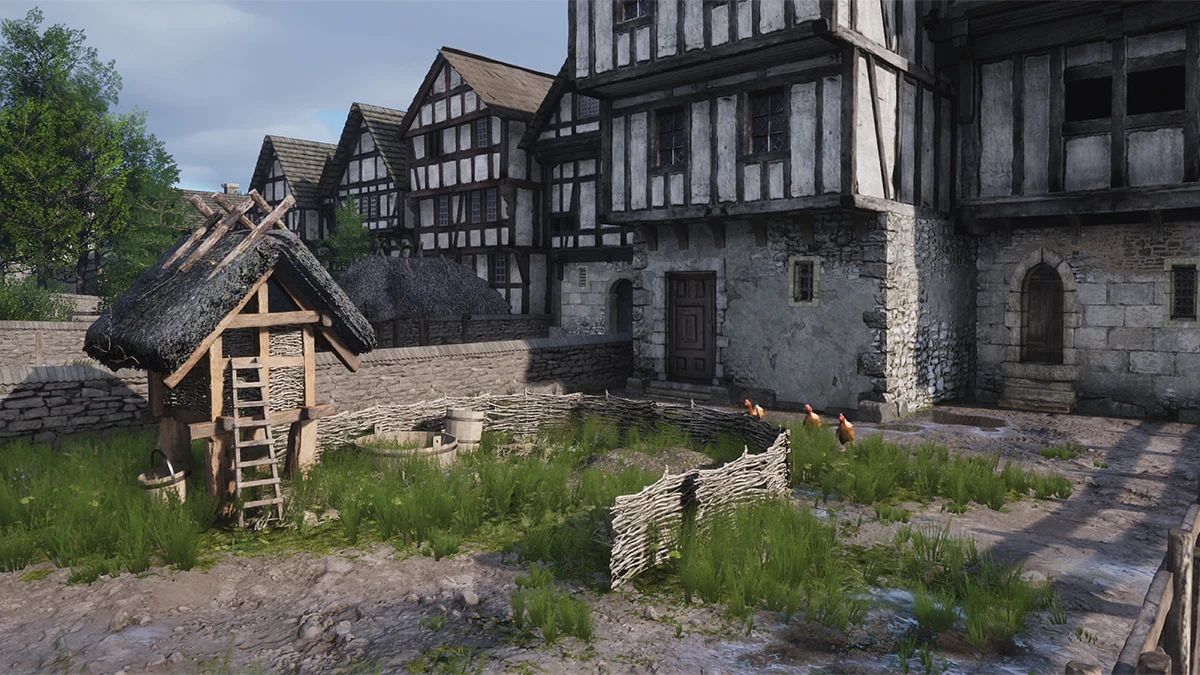
When first embarking on the challenging yet rewarding journey of establishing a medieval settlement in Manor Lords, players are initially granted a modest contingent of five families. This seemingly small number quickly underscores a fundamental truth of early village development: sustained growth and prosperity are intrinsically linked to the ability to attract and retain a larger population. The mechanisms governing this crucial expansion, while intuitive in principle, require a nuanced understanding of intertwined game systems that are not immediately apparent to new regional rulers. Effective population management is not merely about numerical increase; it is the bedrock upon which a robust economy, a resilient defense, and a flourishing community are built.
The Foundational Challenge of Early Settlement and the Imperative for Growth
The initial phase of Manor Lords places players at the helm of a nascent settlement, often in a wilderness teeming with resources but lacking the human capital to fully exploit them. The five starting families are sufficient for rudimentary tasks like logging, foraging, and constructing initial shelters, but they quickly reach their capacity. Critical infrastructure, specialized production, and even basic resource collection beyond the immediate vicinity become bottlenecks without a growing workforce. This early limitation forces players to prioritize population growth as an immediate strategic objective, recognizing that every new family represents additional hands for labor, potential specialized skills, and ultimately, a contribution to the region’s overall productivity and tax base. The game’s design emphasizes organic, sustainable growth, making a deep understanding of its population mechanics paramount for long-term success.
Understanding the Core Pillars of Population Growth: Approval and Living Space
The game designers of Manor Lords have implemented a dual-pillar system for population influx, centered around two primary metrics: Approval and Living Space. Both must be adequately managed for new families to consider settling in your village.
1. The Approval System: A Barometer of Contentment
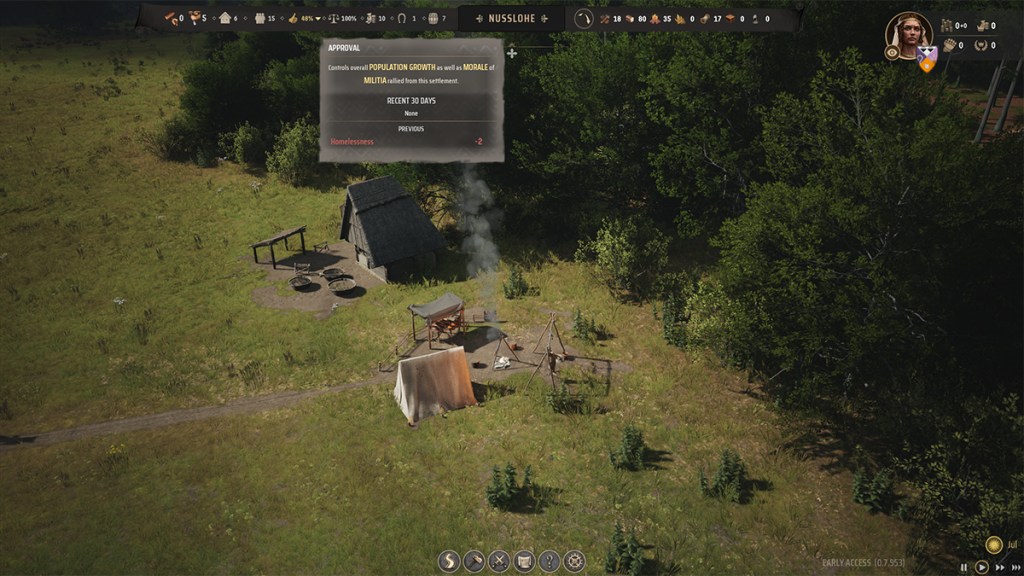
Approval serves as a critical indicator of your villagers’ satisfaction and the overall attractiveness of your settlement. It is visually represented by a bar at the top-left of the user interface, providing real-time feedback on your governance. This metric directly influences the rate at which new families arrive and, crucially, dictates whether existing families choose to remain.
- Thresholds for Growth:
- 50% Approval: Reaching and maintaining at least 50% Approval is the minimum requirement for new families to begin migrating to your village. At this level, you can expect approximately one new family to arrive each month, provided there is available housing.
- 75% Approval and Above: Achieving a higher level of satisfaction, specifically 75% Approval or more, significantly accelerates growth. At this point, two new families will typically arrive each month, assuming adequate living space is provided. This higher rate is essential for rapid expansion and the development of more complex industries.
- The Risk of Decline:
- Below 25% Approval: Conversely, allowing Approval to drop below 25% signals severe dissatisfaction. At this critical threshold, villagers will begin to abandon your settlement, migrating to "greener pastures." This can trigger a detrimental spiral, as a shrinking workforce further exacerbates resource shortages and lowers overall morale, making it even harder to recover. The impact of such an exodus can be devastating, crippling economic output and potentially leading to the collapse of the settlement.
The Approval system is designed to reward proactive and holistic management. It reflects not just the availability of basic necessities but also the perceived quality of life and the general well-being of the populace.
2. Living Space: The Physical Manifestation of Opportunity
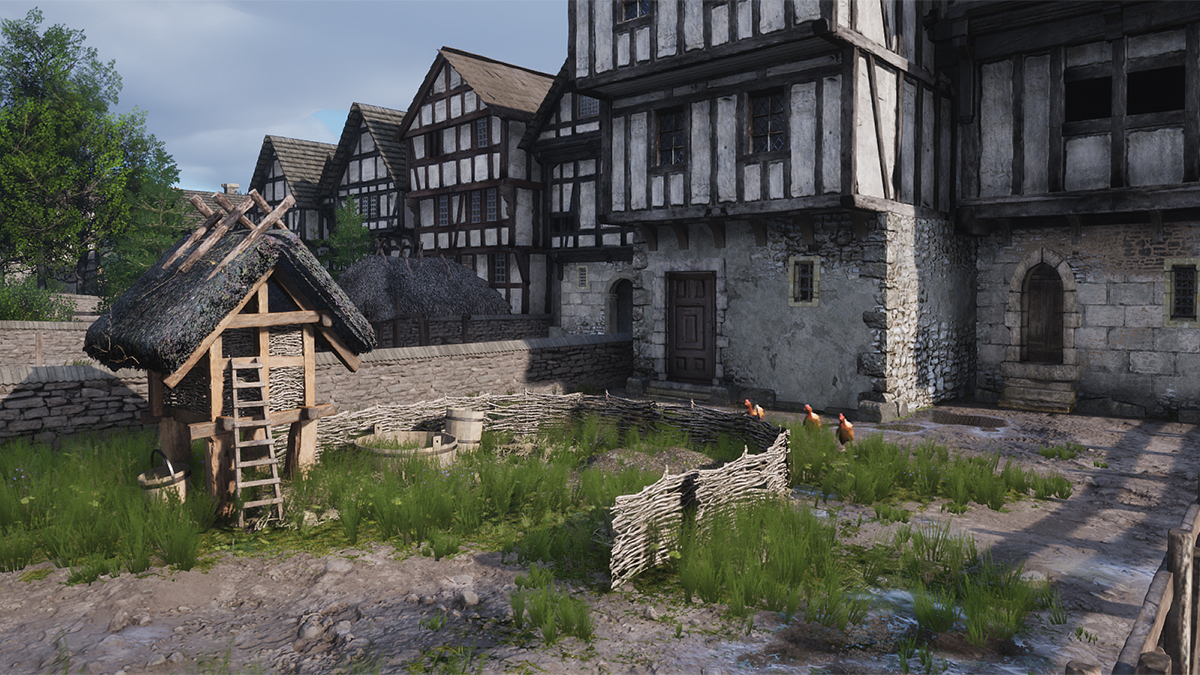
While Approval dictates the desire for new families to arrive, Living Space provides the capacity. In Manor Lords, the primary form of housing for villagers is the Burgage Plot. These plots are more than just dwellings; they are the heart of your residential zones, capable of being upgraded and providing space for extensions that can house workshops or gardens.
- The Role of Burgage Plots: Each Burgage Plot can house one family. To attract new families, there must be empty Burgage Plots available. A common and effective strategy, particularly in the early game, is to construct more Burgage Plots than immediately necessary. This "buffer" housing ensures that when new families decide to settle, they have a ready home upon arrival, preventing immediate homelessness—a condition that severely impacts Approval.
- Upgrade Tiers and Amenity Requirements: Burgage Plots are not static; they can be upgraded through three distinct levels, each requiring progressively more sophisticated amenities and access to market goods. These upgrades are crucial for sustaining higher Approval ratings and unlocking advanced production capabilities within the residential areas themselves.
Strategic Blueprint for Initial Expansion: Early Game Chronology
The initial stages of Manor Lords are a delicate balance of resource gathering, construction, and managing the nascent needs of your small community. A chronological approach to satisfying basic requirements is key to rapidly increasing Approval and attracting more families.
Phase 1: Securing Basic Needs and Shelter
The very first objective is to ensure your starting families are fed and housed.
- Food Variety and Supply: A cornerstone of early Approval is a diverse and consistent food supply.
- Hunting Camp: One of the quickest ways to secure protein is by establishing a Hunting Camp. Deer are a common early-game resource, providing meat that contributes to food variety. Proper placement near a forest with deer populations is crucial.
- Forager Hut: Complementing the Hunting Camp, a Forager Hut allows for the collection of berries, another vital food source. Berries are seasonal but provide an excellent supplement to meat, further enhancing food variety.
- Storage: Crucially, harvested food needs to be stored efficiently. Building a Storehouse and Granary ensures that food doesn’t spoil rapidly and is accessible to villagers.
- Data Point: Having at least two distinct food types available is generally sufficient to satisfy the "food variety" requirement for early Burgage Plots and significantly boosts initial Approval.
- Initial Housing (Burgage Plots): Simultaneously with securing food, construct several Burgage Plots.
- It is advisable to build 2-3 empty plots beyond the needs of your initial 5 families. This foresight prevents the "Homelessness" debuff from immediately impacting Approval when the first new families arrive. Homelessness is a significant negative modifier, capable of quickly plummeting your Approval rating.
- Consider the layout for future expansion. Burgage Plots benefit from being near amenities, so planning space for wells, markets, and churches is wise even at this early stage.
Phase 2: Enhancing Quality of Life and Community Services
Once basic food and shelter are secured, the next step is to introduce amenities that improve living standards and directly contribute to higher Approval. These are often requirements for upgrading Burgage Plots.
- Water Access (Wells): A well is a fundamental amenity, typically required for Burgage Plot Level 1 upgrades.
- Strategic Placement: Wells should be placed centrally within residential areas to ensure multiple Burgage Plots are within their service radius. Easy access to water is not just a comfort but a hygienic necessity, impacting overall health and satisfaction.
- Spiritual Comfort (Churches): A church provides spiritual solace and is another key requirement for Level 1 Burgage Plots.
- Community Hub: The church acts as a community hub, boosting morale and Approval. Its construction should be prioritized soon after securing basic food and housing.
- Marketplace Establishment: A robust marketplace is vital for distributing goods and ensuring villagers have access to necessities and desired items.
- Market Stalls: Constructing a Marketplace provides dedicated space for villagers to set up market stalls, where food, fuel, clothing, and other goods are sold. The availability of diverse goods at market stalls significantly boosts Approval.
- Data Point: A fully functioning market with diverse goods (e.g., meat, berries, firewood, eventually clothing) can provide a substantial Approval bonus, often 5-10% depending on supply and demand.
- Fuel Provision: Villagers need fuel to heat their homes, especially during colder months.
- Woodcutter’s Lodge: Establish a Woodcutter’s Lodge to produce Firewood. This ensures a consistent supply of heating fuel. A lack of fuel can quickly lead to unhappiness and a drop in Approval.
Deep Dive into Approval Multipliers and Deterrents
Beyond the initial requirements, a multitude of factors influence Approval, requiring continuous management and foresight.
Positive Modifiers (Boosting Approval):
- Diverse Food Supply (Advanced): As your village grows, so do expectations. Beyond basic meat and berries, introducing farmed produce (wheat, vegetables), animal products (eggs, milk, cheese from livestock), and processed foods (bread from a bakery) will significantly elevate Approval. Each new food type contributes to the "Food Variety" bonus.
- Access to Water (Improved): While wells suffice for Level 1, higher-tier Burgage Plots might eventually demand more sophisticated water infrastructure or better coverage.
- Religious Satisfaction (Enhanced): A small church is a start, but as your population grows and wealth increases, the option to build larger churches or even cathedrals can provide further boosts to spiritual well-being and Approval.
- Market Supply (Comprehensive): A well-stocked market offering a wide array of goods is paramount. This includes:
- Basic Foodstuffs: Meat, berries, bread, vegetables.
- Fuel: Firewood, eventually charcoal.
- Clothing: Linen, leather, eventually more refined garments. Producing these locally or through trade becomes vital.
- Tools: Essential for various professions, their availability contributes to overall satisfaction.
- Ale/Tavern Access: A significant boost to Approval comes from the establishment of a tavern and the availability of ale.
- Production Chain: This involves growing barley (farm), processing it into malt (Malt House), brewing ale (Brewery), and finally distributing it through a Tavern. This complex chain offers a substantial, continuous Approval bonus.
- Security and Order: While not explicitly an "Approval" stat in the early game, a sense of security contributes to overall well-being. A functioning Militia, formed from your populace, can deter banditry and instill confidence.
- Efficient Workload: Villagers who are not overworked or constantly facing resource shortages tend to be happier. Efficient production chains and logistics contribute indirectly to higher Approval.
Negative Modifiers (Deterrents to Approval):
- Homelessness: As previously mentioned, this is a critical and immediate negative impact. Always ensure vacant Burgage Plots.
- Food Shortages/Lack of Variety: Insufficient food or a monotonous diet will quickly lower Approval.
- Lack of Fuel: Cold villagers are unhappy villagers. Ensure a steady supply of firewood or charcoal.
- Unemployment/Lack of Work: Idleness can lead to discontent. While early unemployment can sometimes be managed, a large, jobless population is a drain on resources and morale.
- High Taxes (Prematurely Imposed): While taxes are essential for regional wealth, imposing them too early or setting rates too high for a struggling populace will severely impact Approval. Balance revenue generation with citizen satisfaction.
- Lack of Amenities for Upgraded Plots: Failing to provide required amenities (e.g., a Tavern for Level 2 Burgage Plots) will prevent upgrades and cause dissatisfaction among residents of those plots.
- Disease/Plague: While less common early on, outbreaks of disease can devastate a population and severely plummet Approval, often requiring specific measures like herbalist huts or plague camps to mitigate.
- Banditry/Lack of Security: Persistent bandit raids or a general sense of insecurity can lead to a drop in Approval as villagers feel unsafe.
The Economic and Social Implications of Population Growth
The successful management of population growth transcends mere numbers; it is the engine that drives all other aspects of your settlement’s development.
- Workforce Expansion and Specialization: Each new family provides additional labor. This allows for the assignment of villagers to specialized tasks: farming, mining, logging, crafting, and eventually, more complex industries like smithing, weaving, and brewing. A larger, specialized workforce unlocks higher-tier production chains and greater economic output.
- Resource Extraction and Production: With more hands, players can establish more mining pits for iron or clay, expand logging operations, cultivate larger farms, and set up more artisan workshops. This leads to an abundance of resources and manufactured goods, which can be consumed locally (boosting Approval) or traded for regional wealth.
- Tax Revenue and Regional Wealth: A growing population, especially one residing in upgraded Burgage Plots, generates more wealth. This translates directly into increased tax revenue, which is crucial for funding public works, military endeavors, and maintaining administrative buildings. The "Treasury" (regional wealth) is vital for hiring mercenaries, purchasing specialized goods, and initiating large-scale projects.
- Militia Formation and Defense: Population is the source of your military strength. Every family can contribute a member to the Militia, which is essential for defending your territory from bandits and rival lords. A larger population allows for the formation of more robust and diverse military units, improving your region’s security and strategic standing.
- Challenges of Rapid Growth: While growth is desirable, rapid, unchecked expansion can present its own set of challenges.
- Resource Strain: A quickly growing population demands proportionally more food, fuel, and housing. If production chains cannot keep pace, shortages can quickly turn a growth spurt into a crisis, leading to a sharp drop in Approval.
- Logistical Bottlenecks: More people mean more goods moving around. Inefficient road networks, insufficient transport carts, or poorly placed storage facilities can lead to delays and dissatisfaction.
- Management Complexity: A larger village requires more intricate planning and oversight. Balancing the needs of various specialized industries, managing trade routes, and maintaining public order become increasingly complex tasks.
Developer Philosophy and Player Experience
The population mechanics in Manor Lords, developed by Slavic Magic, reflect a deliberate design philosophy. The game is not designed for rapid, exponential growth typical of some city-builders. Instead, it encourages a more measured, organic, and sustainable approach. Players are rewarded for careful planning, resource management, and a holistic view of their settlement’s well-being, rather than simply maximizing output at all costs.
The player community has widely embraced this design, recognizing that the challenge lies in balancing immediate needs with long-term strategic goals. Discussions within the Manor Lords community often revolve around optimized build orders, efficient resource chains, and the delicate art of maintaining high Approval while pushing for economic expansion. This strategic depth is a significant part of the game’s appeal, fostering a sense of accomplishment as a small hamlet transforms into a thriving medieval town.
Advanced Strategies for Sustained Growth and Prosperity
Once the initial hurdles are overcome and your village is steadily attracting new families, the focus shifts to sustaining that growth and leveraging it for advanced development.
- Efficient Resource Chains and Specialization: As your population allows for more specialized labor, optimize your production chains. For example, a dedicated farming district can produce wheat, which is then milled into flour, and finally baked into bread, providing a stable and highly-valued food source. Similarly, establishing dedicated industrial zones for logging, mining, and crafting streamlines production.
- Trade Integration: When local resources are insufficient or when you have an surplus, engaging in trade becomes vital. Importing goods that boost Approval (like certain clothing types or rare foods) or exporting excess production can generate significant regional wealth, which can then be reinvested into further development or used to fund the military.
- Infrastructure Development: Roads, especially upgraded ones, are crucial for efficient transport of goods and resources, reducing travel times for villagers and merchants. Marketplaces should be expanded and potentially decentralized if your settlement grows large, ensuring easy access to goods for all residents.
- Continuous Approval Maintenance: Maintaining high Approval is not a one-time task but an ongoing process. As Burgage Plots upgrade, their amenity requirements increase. This means continuously building new wells, churches, taverns, and ensuring a diverse and plentiful supply of market goods. Neglecting these needs, even for a short period, can lead to a slow but steady decline in Approval.
- Regional Planning (if applicable): If the game expands to allow multiple settlements, understanding how population growth in one region can support or draw from another will become a critical strategic layer.
In conclusion, the journey of population growth in Manor Lords is a microcosm of the entire game’s strategic depth. It demands more than simply building houses; it requires a deep understanding of interconnected systems, from basic food and shelter to complex supply chains and community satisfaction. By meticulously managing Approval and ensuring ample Living Space, regional rulers can transform a humble cluster of five families into a bustling, prosperous, and resilient medieval domain, capable of weathering challenges and carving out its place in the medieval landscape. The success of any lord in Manor Lords is ultimately measured by the happiness and growth of their people.