


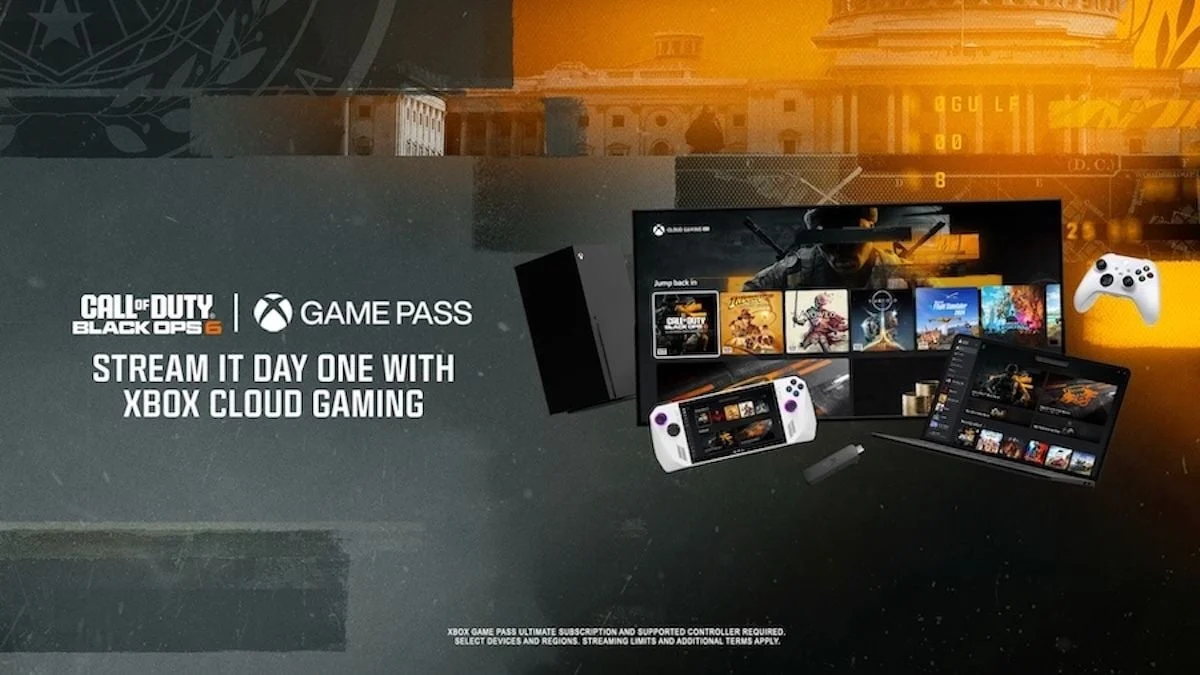
Microsoft has officially announced that Call of Duty: Black Ops 6, the highly anticipated new installment in the venerable first-person shooter franchise, will be available on Xbox Cloud Gaming (Beta) for Game Pass Ultimate members on its launch day, October 25, 2024. This significant move further expands the accessibility of one of the world’s most popular gaming series, allowing players to stream the title directly to a wide array of devices, including phones, tablets, and low-spec PCs. The announcement, detailed in an Xbox Wire blog post, also confirms that Call of Duty: Warzone, the immensely popular free-to-play battle royale experience, and last year’s premium release, Call of Duty: Modern Warfare III, will join the cloud gaming library on the same date. This integration underscores Microsoft’s ongoing strategy to leverage its monumental acquisition of Activision Blizzard King, bringing its most valuable franchises directly into the Game Pass ecosystem and extending their reach through cloud technology.
The availability of Black Ops 6 on Xbox Cloud Gaming marks a pivotal moment, not only for the Game Pass service but also for the broader cloud gaming landscape. Previously, Xbox had confirmed that Black Ops 6 would be a Day One launch title for certain Game Pass membership tiers, a decision that generated considerable industry buzz following the completion of the Activision Blizzard acquisition. Now, by extending this access to the cloud, Microsoft is removing even more barriers to entry, allowing Game Pass Ultimate subscribers to dive into the new Call of Duty experience without the need for a high-end console or PC, and without a substantial download. The Xbox Wire post explicitly stated, "We’re thrilled to reveal that Call of Duty: Black Ops 6 will be playable with Xbox Cloud Gaming (Beta) for Game Pass Ultimate members at launch and will begin rolling out to players on October 25, 2024, at 10:00 a.m. PT." It further elaborated on the simultaneous launch for the other two titles, stating, "In addition, we’re also bringing Xbox Cloud Gaming support to Call of Duty: Modern Warfare III and Call of Duty: Warzone for Game Pass Ultimate members on the same day." This bundled release ensures that a substantial portion of the modern Call of Duty universe will be instantly accessible via the cloud.
A Strategic Timeline: From Acquisition to Cloud Integration
The journey to this announcement is rooted in a strategic vision that began nearly three years ago. In January 2022, Microsoft made headlines with its ambitious proposal to acquire Activision Blizzard for an astounding $69 billion. This move was immediately recognized as a game-changer for the industry, primarily due to the inclusion of the Call of Duty franchise, a perennial bestseller and a cornerstone of the gaming market. The acquisition faced intense scrutiny from regulatory bodies worldwide, including the U.S. Federal Trade Commission (FTC), the UK’s Competition and Markets Authority (CMA), and the European Union Commission, largely due to concerns about potential anti-competitive practices, particularly regarding the future availability of Call of Duty on competing platforms like PlayStation.
Throughout the lengthy regulatory review process, which spanned nearly two years, Microsoft made several public commitments to ensure Call of Duty would remain multiplatform. Crucially, Xbox head Phil Spencer and other Microsoft executives consistently articulated their intention to bring Call of Duty titles to Game Pass, a key component of their subscription service strategy, should the acquisition be approved. These commitments were vital in assuaging regulatory fears and ultimately securing approval. After numerous delays, appeals, and significant concessions, the CMA finally gave its blessing in October 2023, paving the way for the historic acquisition to close.
Following the acquisition’s completion, Microsoft quickly began integrating Activision Blizzard’s vast library into the Game Pass service. While some titles like Diablo IV and Overwatch 2 were added, the gaming community eagerly awaited news on Call of Duty. The first major step came in May 2024, when Microsoft officially confirmed that Black Ops 6 would be a Day One launch on Game Pass, solidifying the value proposition of the subscription for millions of subscribers. This was then followed by the addition of Modern Warfare III to Game Pass a few months later, indicating a rapid acceleration in the integration process. The latest announcement, confirming cloud streaming for all three major Call of Duty titles on October 25, represents the culmination of this strategic timeline, delivering on the promise of broader accessibility through the Game Pass Ultimate tier.
The Power of Game Pass and Cloud Gaming: Supporting Data
Microsoft’s investment in Game Pass and cloud gaming is backed by compelling market data and a clear strategic vision. As of early 2024, Xbox Game Pass boasts over 34 million subscribers globally, representing a significant and growing user base for Microsoft’s gaming ecosystem. The addition of major, high-profile titles like Call of Duty: Black Ops 6 directly to this service is a powerful incentive for existing subscribers to maintain their memberships and for new users to join, further bolstering these figures.
Cloud gaming, while still evolving, is projected to be a major growth area within the industry. Analysts predict the global cloud gaming market size to reach tens of billions of dollars within the next few years, driven by increasing internet penetration, 5G adoption, and consumer demand for flexible gaming options. Xbox Cloud Gaming, launched in beta, is available in numerous countries and supports a wide range of devices, from Android and iOS phones and tablets to Windows PCs and even smart TVs via dedicated apps or web browsers. This extensive reach means that Call of Duty will now be playable by a potentially massive new audience who might not own a current-generation console or a high-end gaming PC.
The Call of Duty franchise itself is a behemoth, having sold over 400 million units across its lifetime and consistently ranking among the best-selling games annually. Each new installment typically generates billions in revenue, making it one of the most lucrative entertainment properties in the world. By bringing this powerhouse franchise to Game Pass and the cloud on Day One, Microsoft is not only enhancing the value of its subscription service but also tapping into the immense and loyal Call of Duty player base, potentially converting traditional purchasers into long-term subscribers who benefit from a broader library of games. The ability to play Warzone, the free-to-play component, via the cloud also streamlines access for its hundreds of millions of players, potentially drawing them further into the Xbox ecosystem.
Furthermore, the mobile gaming market is significantly larger than the console and PC gaming markets combined, both in terms of revenue and player numbers. While dedicated mobile games dominate, the ability to stream console-quality titles like Call of Duty to mobile devices through cloud gaming offers a new avenue for growth and engagement. This move positions Xbox Cloud Gaming as a serious contender in the mobile space, offering a premium gaming experience that transcends traditional mobile gaming limitations.
Official Perspectives and Strategic Rationale
The integration of Call of Duty into Xbox Cloud Gaming aligns perfectly with Microsoft’s long-stated philosophy for the future of gaming. Phil Spencer, CEO of Microsoft Gaming, has consistently emphasized the company’s commitment to "democratizing gaming" and "reaching more players around the world." Game Pass and Xbox Cloud Gaming are central to this vision, aiming to lower the barriers to entry and provide flexible access to a diverse library of games.
The Xbox Wire blog post itself serves as an official confirmation of this strategy in action. While not directly quoting specific executives beyond the general "we’re thrilled to reveal" phrasing, the underlying message is clear: Microsoft views cloud gaming as a critical component for expanding the reach of its most important franchises. The blog post implicitly highlights the convenience and flexibility offered by cloud access, allowing players to seamlessly transition their gaming experience across different devices.
From a strategic standpoint, bringing Call of Duty to the cloud on Day One serves multiple objectives:
- Enhance Game Pass Ultimate Value: It significantly strengthens the appeal of the premium Game Pass Ultimate tier, which bundles Game Pass, Xbox Live Gold, and Xbox Cloud Gaming.
- Drive Cloud Gaming Adoption: It provides a compelling reason for Game Pass subscribers to utilize the cloud gaming feature, potentially leading to increased engagement and broader adoption of the technology.
- Cross-Platform Accessibility: It fulfills the promise of allowing players to engage with Call of Duty across various devices, catering to different lifestyles and preferences.
- Full Activision Blizzard Integration: It demonstrates the successful integration of Activision Blizzard’s marquee intellectual property into the core Xbox services post-acquisition.
The decision to also bring Modern Warfare III and Warzone to the cloud simultaneously is a pragmatic one. While Black Ops 6 will undoubtedly be the primary focus for many, offering the immediate predecessor and the evergreen battle royale ensures that the entire modern Call of Duty experience is available, catering to players who might prefer different sub-franchises or modes. It also prevents the older titles from feeling obsolete on the service once the new one arrives.
Broader Implications and Future Outlook
The launch of Call of Duty: Black Ops 6 on Xbox Cloud Gaming carries significant implications for the gaming industry, Game Pass, and the future of cloud technology.
For Game Pass, this move solidifies its position as a leading subscription service offering unparalleled value. The ability to access a blockbuster title like Call of Duty on launch day, without an additional purchase, significantly enhances its attractiveness. This could drive a new wave of subscriptions, particularly among the franchise’s dedicated fanbase who might be hesitant to purchase a new console or game at full price. It also reinforces the idea that Game Pass is not just for indie titles or older games but is a platform for the biggest releases in gaming.
For cloud gaming, this is a monumental validation. While services like Google Stadia have faltered, Xbox Cloud Gaming has steadily built its infrastructure and library. The inclusion of Call of Duty, known for its fast-paced, high-fidelity gameplay, will be a crucial test and demonstration of the technology’s capabilities. A smooth, responsive cloud experience for Black Ops 6 could accelerate mainstream acceptance of cloud gaming as a viable alternative to traditional hardware-based play. It could also set a new standard for what players expect from cloud services, pushing competitors to offer similar high-profile, Day One releases.
In terms of market competition, this move further differentiates Xbox from PlayStation and other platforms. While Sony offers its own cloud streaming service, PlayStation Plus Premium, it typically features older titles or time-limited trials, not Day One access to its biggest first-party blockbusters. Microsoft’s aggressive strategy with Game Pass and cloud gaming positions it as a leader in the subscription and streaming space, potentially influencing how other publishers and platform holders approach their own content distribution models.
The implications for accessibility are profound. Gamers who previously couldn’t afford a new console or a powerful gaming PC can now access a premium Call of Duty experience through a Game Pass Ultimate subscription and a stable internet connection. This opens up the franchise to demographics and regions where high-end hardware might be less prevalent, truly democratizing access. Playing Black Ops 6 on a phone or tablet, while requiring a controller, offers an unprecedented level of flexibility for players on the go or in environments where a console setup isn’t practical.
Looking ahead, this move signals Microsoft’s continued commitment to integrating Activision Blizzard’s vast portfolio into its ecosystem. It suggests that future Call of Duty titles, and potentially other major Activision Blizzard franchises, will follow a similar path, being available on Game Pass and through cloud streaming on their respective launch days. This strategy could redefine how players consume gaming content, shifting further towards subscription-based access and away from individual game purchases, particularly for titles they want to sample or play casually.
While the technical challenges of cloud gaming, such as latency, internet bandwidth requirements, and visual fidelity compared to native hardware, remain ongoing considerations, the consistent improvements in technology and infrastructure suggest these will become less significant over time. The successful streaming of a graphically intensive and latency-sensitive game like Call of Duty will be a testament to these advancements. The future of gaming is undoubtedly heading towards more flexible, accessible, and subscription-driven models, and Microsoft’s latest announcement for Call of Duty: Black Ops 6 firmly positions it at the forefront of this evolution. This month’s Game Pass additions, including Inscryption, Sifu, and MLB The Show 24, already highlight the service’s diverse offerings, but the inclusion of Call of Duty on the cloud on Day One truly elevates its standing and sets a new benchmark for the industry.