


The pursuit of a truly formidable video game experience is a driving force for a dedicated segment of the gaming community. This drive, honed by decades of challenging titles, from the pixelated trials of Bandicoot’s Cold Hard Crash and Spyro’s Tree Tops to the unforgiving nature of The Lost World: Jurassic Park’s permadeath and the intricate demands of TimeSplitters’ Platinum challenges, has evolved into a modern quest for titles that push players to their absolute limits. Today, this hunger for difficulty is satiated by critically acclaimed games like Elden Ring, Nine Sols, and Fear & Hunger. For many, the satisfaction derived from overcoming such arduous obstacles is not merely about achieving victory, but about the pride, ego boost, and the intangible "aura" that comes with mastering a notoriously difficult game. The triumphant declaration of "PREY SLAUGHTERED" resonates deeply, yet the desire for ever greater challenges persists. This continuous demand for more complex hurdles has led players to explore a wide spectrum of gaming experiences, seeking that elusive title capable of truly satisfying this demanding palate.
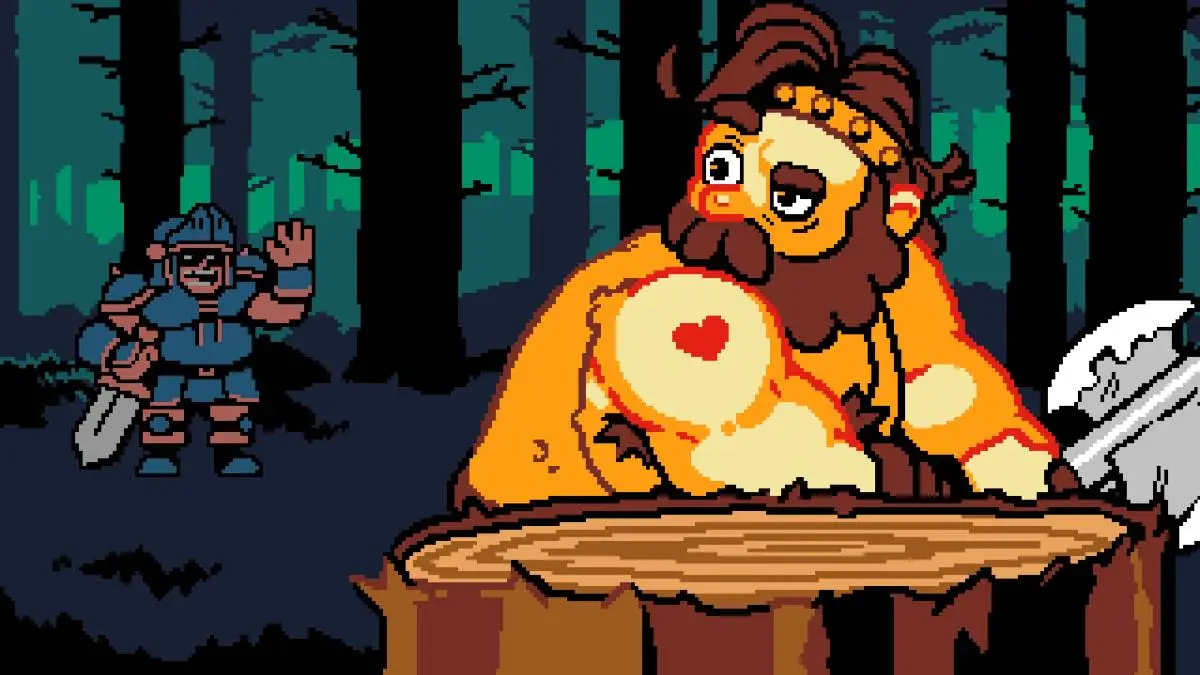
One such exploration has led to the indie title Dark Scrolls by developer doinksoft. Aesthetically, Dark Scrolls presents a visually appealing package with its vibrant 2D animation and a deceptively simple control scheme of only three buttons. The game promises hidden secrets and a core gameplay loop designed to keep players engaged. However, while doinksoft, known for titles like Gato Roboto, Demon Throttle, and Gunbrella, has delivered another charming and retro-inspired 2D adventure, Dark Scrolls presents a mixed bag, particularly concerning its core challenge.
Aesthetic Appeal Meets Gameplay Simplicity
In true retro fashion, Dark Scrolls embraces a minimalist design philosophy. The auto-scrolling nature and the three-button combat loop, while potentially slow and repetitive at its core, aim to evoke the learning curves of classic 2D platformers from the PlayStation 1 era. A notable aspect of its design is the deliberate lack of explicit tutorials or hand-holding, a refreshing departure from the prevalent trend of guided gaming experiences. This approach necessitates a period of player-driven discovery as they decipher the mechanics and the unique ultimate abilities and perk systems of the game’s initial three playable characters. This initial opacity contributes to a perception of significant challenge.
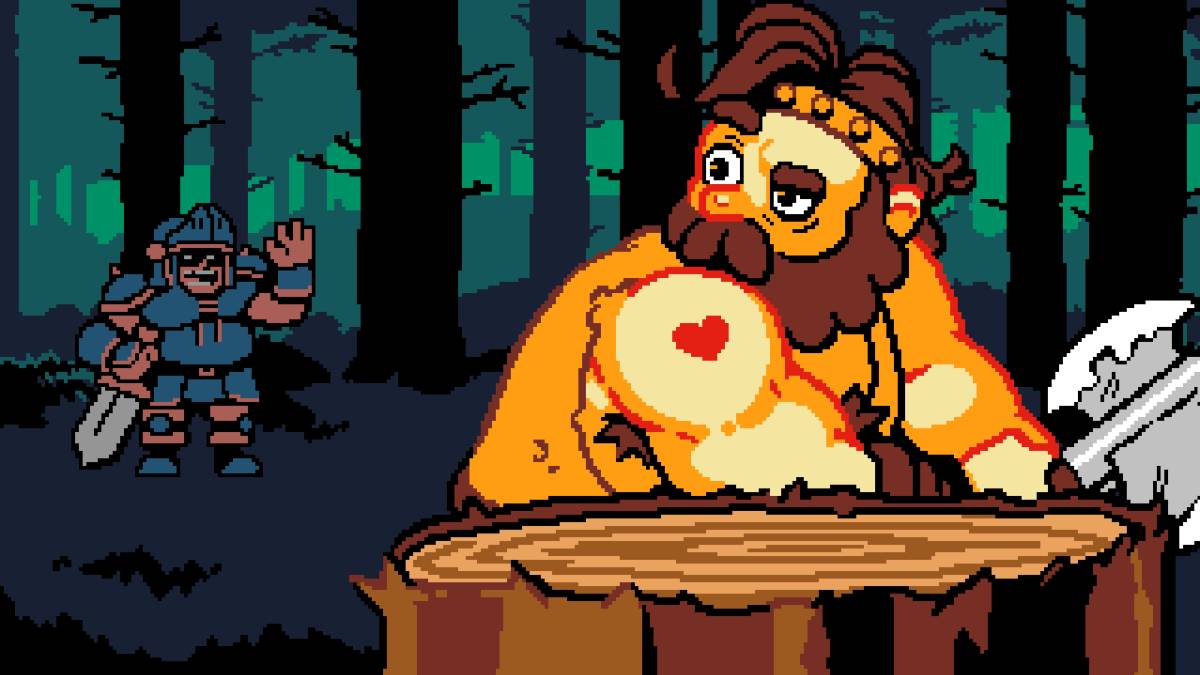
The inclusion of numerous secrets and hidden areas is designed to foster replayability, encouraging players to undertake multiple runs in search of new content, including additional bosses and enigmatic items whose purpose is initially unclear. Despite these engaging elements, Dark Scrolls suffers from certain design choices that detract from its overall appeal. A particularly jarring element is the reliance on honking sounds instead of traditional dialogue, a decision that, while perhaps intended to enhance the retro feel, can be perceived as nonsensical and immersion-breaking.
The Diminishing Returns of Challenge
The most significant criticism leveled against Dark Scrolls is that, once the fundamental mechanics are understood, the game’s difficulty level plummets significantly. This presents a paradox: a game that initially appears challenging due to its cryptic nature quickly becomes too accessible, failing to sustain the engagement of players seeking a truly demanding experience. This issue echoes the sentiment often expressed when encountering games that, while difficult, lack depth or sophisticated design to support prolonged engagement.
When a game’s difficulty feels artificially inflated or easily circumvented, it can lead to player frustration and a sense of anticlimax. This is particularly true for those who actively seek out games that mirror the demanding nature of titles like Sekiro: Shadows Die Twice or Elden Ring. In those games, the difficulty is intrinsically linked to intricate combat systems, punishing enemy AI, and environmental hazards that require deep understanding and precise execution. The player’s struggle is a direct result of the game’s well-crafted mechanics, leading to a profound sense of accomplishment upon victory. The question then arises: when a game’s challenge is easily overcome through simple exploits, does the developer truly intend for this to be the ultimate test?
The Psychology of Difficult Games
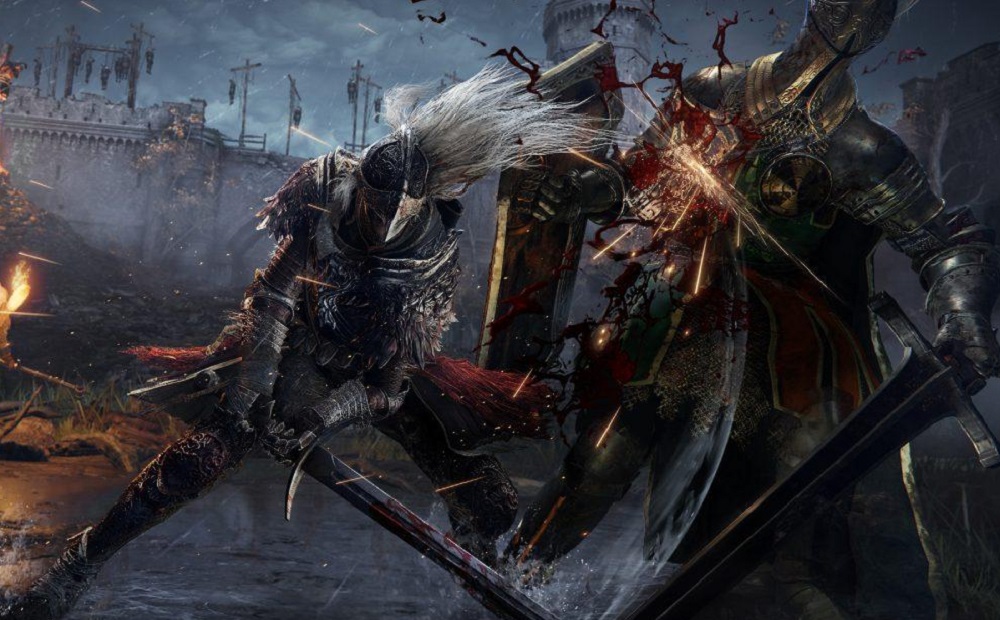
The allure of genuinely difficult games lies in their ability to provoke an existential crisis, compelling players to re-evaluate their skills and persistence. This often leads to a profound personal growth, akin to the dedication required for Olympic athletes or astronauts. Each overcome challenge feels like a significant achievement, a testament to one’s resilience and problem-solving abilities. The expectation was that Dark Scrolls would provide such a cathartic experience, but for many, it falls short of this benchmark.
However, it is crucial to distinguish between a game being "bad" and a game failing to meet specific player expectations for difficulty. Dark Scrolls is not inherently a poor game. Its charm, retro aesthetic, and engaging secret-hunting mechanics make it an enjoyable experience for those who appreciate its more arcade-like approach to platforming and adventure. It offers a more modern, accessible take on retro-inspired design, prioritizing player enjoyment over punishing mechanics.
The Benchmark of Difficulty: A Look at Cuphead
When discussing modern retro-inspired games that successfully deliver on high difficulty, Cuphead stands as a paramount example. Released in 2017, Cuphead quickly garnered acclaim for its stunning hand-drawn animation, inspired by 1930s cartoons, and its brutally challenging boss battles. The game’s difficulty was so pronounced that it became a talking point within the gaming press, with some critics finding even the early stages to be nearly insurmountable.
Cuphead‘s challenge is not arbitrary; it is a meticulously crafted gauntlet demanding absolute precision and unwavering focus. Each frame of animation, each enemy attack pattern, and each boss phase is designed to test the player’s reflexes, pattern recognition, and ability to adapt under pressure. The game demands a complete immersion, requiring players to lock in, avoid distractions, and execute flawlessly. The brief moments of gameplay feel extended by the sheer intensity, forging a stronger, more resilient player by the time each level is conquered.

The contrast between the demanding nature of Cuphead and the discoverable exploits within Dark Scrolls highlights a significant divergence in design philosophy. While Dark Scrolls allows for moments of mental wandering, Cuphead offers no such respite. The constant threat of off-screen spawns and the need for split-second reactions in Cuphead leave no room for complacency. This is in stark contrast to the aforementioned ability to "cheese" Dark Scrolls by repeatedly using a specific attack for invincibility, a tactic that, while effective, undermines the game’s intended challenge and can lead to a sense of shame for the player who resorts to it.
The Search for Unparalleled Challenge
The current landscape of gaming often sees the most profound challenges confined to specific genres. Metroidvanias and Soulslikes, by their very nature, frequently incorporate complex combat systems, intricate level design, and unforgiving boss encounters. While FromSoftware has mastered this domain with titles like Elden Ring, the desire for a Cuphead-level of focused, frame-perfect challenge in other genres remains a persistent aspiration for many players.
The frustration of searching for a truly demanding experience that doesn’t rely on artificial difficulty spikes or easily exploitable mechanics is palpable. For some, the allure of returning to the classic challenges of the PlayStation 1 era, with its own brand of demanding gameplay, becomes a viable alternative. This underscores a fundamental need within the gaming community for titles that can truly test their mettle, pushing them beyond their perceived limits and offering a reward that is genuinely earned through skill and perseverance.
The implications of this ongoing quest for difficulty are significant for game developers. It suggests a sustained market for games that prioritize challenging mechanics and demand player mastery. Developers who can strike the right balance between difficulty and fair play, offering intricate systems that reward dedication without resorting to cheap tactics or overwhelming complexity, are likely to find a loyal and appreciative audience. The success of titles like Cuphead serves as a testament to this, demonstrating that a well-designed, challenging experience can be both critically acclaimed and commercially successful. As the gaming landscape continues to evolve, the pursuit of these demanding digital trials will undoubtedly remain a powerful motivator for both players and developers alike, shaping the future of game design and player engagement. The ongoing dialogue surrounding difficulty in games highlights a mature player base that values depth, skill, and the profound satisfaction that comes from overcoming truly formidable obstacles.