


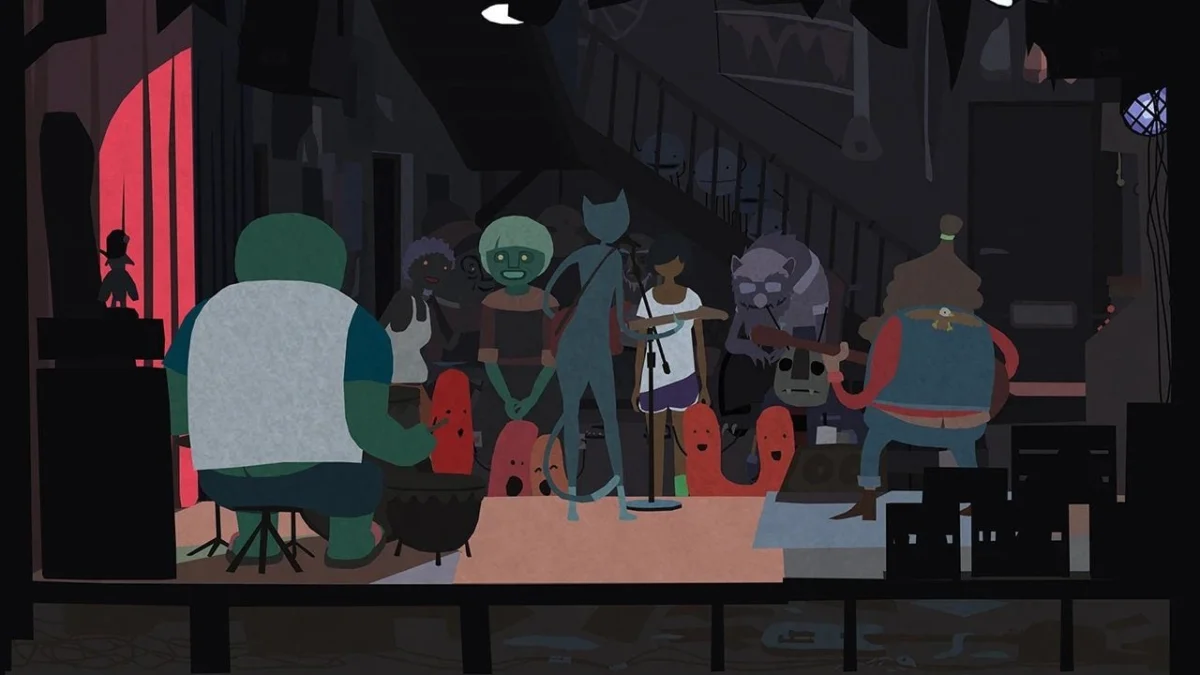
Danish independent game studio Die Gute Fabrik, renowned for its critically acclaimed and uniquely artistic titles such as Mutazione, has announced a significant and somber development: the temporary halt of all current project production. This decision, communicated via official social media channels, stems directly from what the studio describes as a "challenging funding and investment scene" prevalent within the contemporary video game industry. The studio ceased active development on February 19, 2024, a move that has necessitated the support of its dedicated team during this transitional period.
The studio’s statement, disseminated through its official Twitter account, articulated the difficult circumstances leading to this pause. "We’re sad to share that we’re halting production at @gutefabrik due to the challenging funding & investment scene in games right now," the tweet read. "We downed tools earlier this month & have been doing our best to support the team who’ll be looking for work from mid-March." This candid admission underscores the precarious financial realities faced by many independent developers in an increasingly competitive and often volatile market.
Die Gute Fabrik has strategically utilized its remaining financial resources to provide a month of paid time for its affected employees. This measure, while a testament to the studio’s commitment to its staff, also highlights the finite nature of their operational capital. The hope, as explicitly stated by the studio, is to resume production should new funding opportunities materialize. However, the announcement acknowledges the uncertainty surrounding this prospect, emphasizing the current statement’s primary purpose: to offer a "proper signal boost" to the talented individuals now seeking new employment.
To facilitate this, the studio has compiled and shared a comprehensive hiring sheet, detailing the skills and experience of its team members. This proactive step aims to connect departing employees with potential employers within the broader gaming ecosystem. The studio’s announcement included a direct plea to prospective hirers: "Please check out this sheet of the current team members who are now looking for new opportunities. We’ve been honoured to collaborate with them, both on Saltsea Chronicles, and on our unannounced prototype. Jump at the chance to hire them!" The provided link directs interested parties to this valuable resource, a clear indicator of the studio’s dedication to supporting its workforce even in the face of adversity.
The Broader Context of Game Industry Funding
The challenges cited by Die Gute Fabrik are not isolated incidents but rather reflections of a wider trend impacting the independent game development sector. Over the past few years, venture capital funding for gaming startups has seen a notable cooling. Factors contributing to this shift include:
- Market Saturation: The digital storefronts of platforms like Steam, PlayStation Store, Xbox Store, and the Nintendo eShop are flooded with new releases, making it increasingly difficult for independent titles to gain visibility and market share.
- Rising Development Costs: While indie games are often associated with lower budgets, the increasing sophistication of game engines and the demand for higher production values mean that even smaller teams can incur significant expenses.
- Shifting Publisher Strategies: Some larger publishers have become more risk-averse, focusing on established franchises or proven genres, leaving fewer avenues for innovative or experimental indie projects to secure funding and distribution deals.
- Economic Headwinds: Broader economic uncertainties, including inflation and potential recessions, can lead investors to become more cautious, prioritizing sectors perceived as less volatile than the entertainment industry.
- Platform Fees and Revenue Splits: The percentage of revenue retained by platforms can also impact the profitability of indie titles, making it harder to achieve financial sustainability.
Data from industry analysis firms often points to a significant disparity in success rates. While a handful of indie games achieve breakout commercial success, the vast majority struggle to recoup their development costs. This creates a challenging environment where even well-received games may not translate into sustainable revenue streams without substantial external investment. The "funding and investment scene" is thus a critical, and often precarious, lifeline for studios like Die Gute Fabrik, which prioritize artistic vision and unique gameplay experiences.
A Legacy of Artistic Innovation: Die Gute Fabrik’s Notable Works
Die Gute Fabrik, a name that translates to "The Good Factory," has lived up to its moniker by consistently producing games that are not only technically proficient but also rich in narrative, character, and artistic merit. The studio’s most recognized title, Mutazione, released in 2019, garnered widespread critical acclaim for its distinctive art style, heartfelt storytelling, and innovative gameplay mechanics.
Mutazione transports players to a lush, surreal island community populated by anthropomorphic mutants. Players step into the shoes of Kai, a teenage girl who travels to the titular island to care for her ailing grandfather. The game blends elements of adventure, narrative exploration, and even gardening simulation, offering a deeply personal and often poignant experience. Its visual aesthetic, characterized by vibrant hand-drawn characters and lush environments, immediately sets it apart. The game’s success was not merely aesthetic; it was lauded for its sensitive portrayal of themes such as community, family, loss, and acceptance, earning it numerous awards and nominations across various independent game festivals and publications. The availability of Mutazione across a wide array of platforms – including PlayStation 4, Nintendo Switch, PC, iOS, Xbox One, Xbox Series X|S, and macOS – further solidified its reach and impact.
More recently, Die Gute Fabrik released Saltsea Chronicles in 2023, a narrative-driven adventure game that continues the studio’s tradition of unique storytelling and distinct art direction. Set in a waterlogged world where islands are the remnants of a forgotten civilization, the game follows a group of protagonists as they embark on a quest to uncover the fate of their missing captain. Saltsea Chronicles further demonstrated the studio’s commitment to exploring complex themes and crafting engaging, character-focused narratives. Its availability on PlayStation 5, Nintendo Switch, and PC ensures that this latest work also reaches a broad audience.
Chronology of the Announcement and Immediate Aftermath
The announcement of Die Gute Fabrik’s production halt was made on February 26, 2024. This date marks the public disclosure of a decision that was enacted internally earlier in the month.
- February 19, 2024: Die Gute Fabrik officially ceased production on its current projects. This marked the definitive stop to active development on their ongoing work, including the unannounced prototype and Saltsea Chronicles.
- February 19, 2024 – Mid-March 2024: The studio utilized its remaining funds to provide its employees with a month of paid time. This period allowed the team to transition, process the news, and begin their job search with some financial security.
- February 26, 2024: Die Gute Fabrik issued its public statement via Twitter, detailing the reasons for the production halt and, crucially, providing the hiring sheet for its team members. This transparency aimed to garner support for the displaced employees and to signal the studio’s ongoing hope for future funding.
- Mid-March 2024 onwards: Employees of Die Gute Fabrik began actively seeking new employment opportunities within the game development industry.
The studio’s explicit mention of supporting the team "who’ll be looking for work from mid-March" indicates a structured and considerate approach to layoffs, aiming to minimize the immediate financial shock for its staff.
Official Statements and Support for Displaced Talent
The public statements from Die Gute Fabrik are characterized by a blend of professional candor and genuine concern for their employees. The studio’s tweets serve not only as an announcement but also as a plea for industry solidarity.
"We’ve been honored to collaborate with them," the studio reiterated in reference to its team members, underscoring the positive working relationships fostered during their tenure. The emphasis on the hiring sheet is a critical component of this outreach. By providing a direct link to the skills and experience of their former colleagues, Die Gute Fabrik is actively participating in the talent recruitment process. This proactive stance is crucial in an industry where skilled developers are in high demand, but finding the right fit can still be a challenge.
The studio’s concluding remark that "both Mutazione and its more recent game, Saltsea Chronicles, will remain on sale and that buying their games is still the best way to support the team" is a strategic appeal to the player base. This message serves a dual purpose: it encourages continued engagement with their existing catalog, potentially generating some residual income for the studio and its former employees, while also reminding players of the unique artistic contributions Die Gute Fabrik has made to the gaming landscape. This is a direct call to action for players who appreciate their work, framing continued support through purchases as a tangible way to aid the studio’s survival and its team’s future prospects.
Analysis of Implications and Future Outlook
The halt in production at Die Gute Fabrik is a stark reminder of the economic pressures facing independent game studios, particularly those that prioritize artistic integrity and unique narrative experiences over mainstream appeal. The studio’s situation is indicative of a broader industry trend where financial viability often hinges on securing consistent and substantial funding, a process that has become increasingly arduous.
The immediate implication is the displacement of a talented team of developers. However, the studio’s proactive approach in sharing a hiring sheet offers a glimmer of optimism. The skills and creativity honed at Die Gute Fabrik, particularly in areas like narrative design, unique art direction, and character development, are highly sought after. It is plausible that many of these individuals will find new roles within other studios, potentially contributing to future innovative projects.
The long-term outlook for Die Gute Fabrik itself remains uncertain. The studio has explicitly stated its desire to resume production if new funding can be secured. This implies an ongoing search for investment, which could involve seeking out publishers willing to back their vision, exploring crowdfunding opportunities, or even pivoting to different business models. The success of such endeavors will depend on the studio’s ability to demonstrate a clear path to profitability and market appeal, even while maintaining its commitment to artistic distinction.
The broader implication for the independent game development sector is a continued need for robust support systems, innovative funding models, and greater market visibility for unique titles. The gaming community’s role in supporting these studios through direct purchases and engagement with their work remains vital. The story of Die Gute Fabrik, while concerning, also serves as a call to action for players and industry stakeholders to recognize and champion the value of independent game development and the creative talent it nurtoms. The hope is that Die Gute Fabrik, or at least the spirit of its creative endeavors, can continue to thrive, perhaps through a renewed funding effort or by its talented alumni carrying its legacy forward into new projects.