


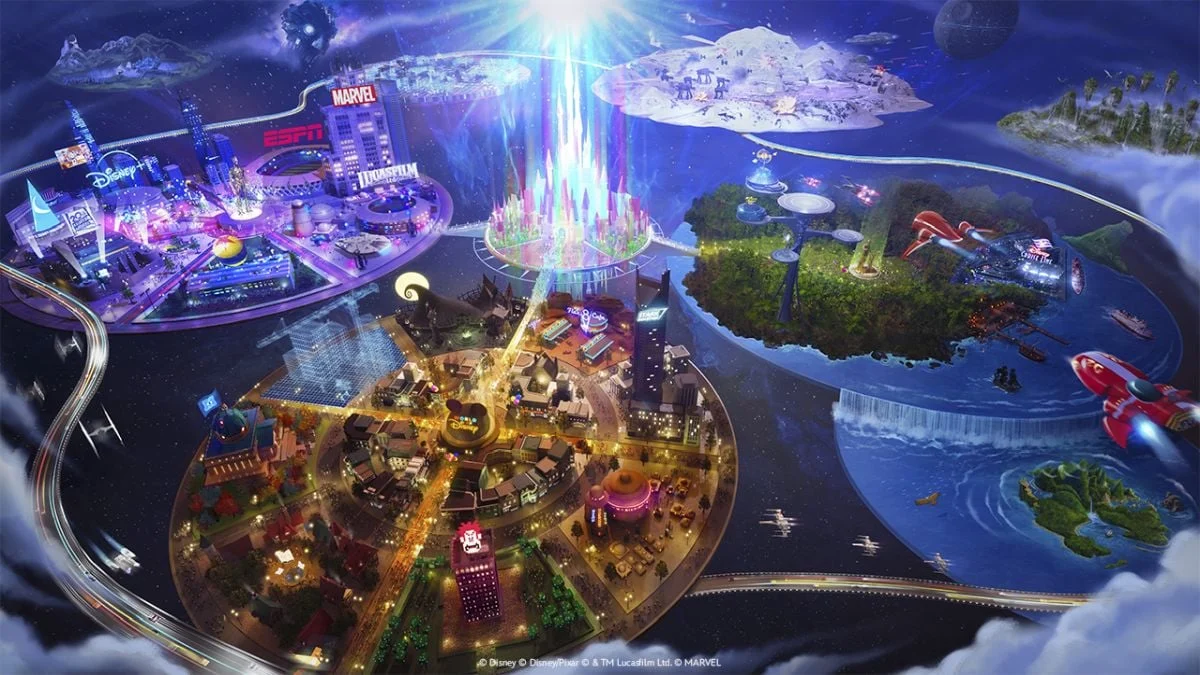
The Walt Disney Corporation has made a monumental strategic investment, injecting $1.5 billion into Epic Games to collaboratively develop a groundbreaking new universe that promises to redefine interactive entertainment. This significant capital infusion, announced today by Disney, signals the entertainment giant’s most substantial entry into the gaming sector to date and aims to leverage Epic’s renowned technological prowess and the immense popularity of its flagship title, Fortnite. The ambitious undertaking is slated to be a multiyear project focused on creating a persistent, world-class gaming and entertainment experience that will intricately weave together Disney’s iconic franchises with the expansive, pop-culture-rich landscape of Fortnite.
The collaboration is poised to offer consumers unprecedented opportunities to "play, watch, shop, and engage" with beloved characters and narratives spanning Disney’s vast intellectual property portfolio. This includes classic Disney animation, Pixar’s imaginative worlds, the expansive Marvel Cinematic Universe, the epic sagas of Star Wars, and even the visually stunning realms of James Cameron’s Avatar franchise. All of this will be built upon the robust and versatile Unreal Engine, Epic Games’ proprietary game development platform. The transaction is, however, contingent upon the customary regulatory approvals before it can be fully finalized.
Disney CEO Bob Iger expressed considerable enthusiasm for the partnership, stating in the official release, "Our exciting new relationship with Epic Games will bring together Disney’s beloved brands and franchises with the hugely popular Fortnite in a transformational new games and entertainment universe. This marks Disney’s biggest entry ever into the world of games and offers significant opportunities for growth and expansion. We can’t wait for fans to experience the Disney stories and worlds they love in groundbreaking new ways." This statement underscores Disney’s long-term vision to deeply integrate its storytelling capabilities with the interactive potential of gaming.
A Deepening Relationship Between Two Industry Titans
This alliance is not an entirely new frontier for either company. Disney and Epic Games, and specifically Fortnite, have had previous points of intersection. Fortnite has consistently featured crossover content, including character skins, cosmetic items, and in-game events, that have drawn heavily from Disney’s Marvel and Star Wars properties. These collaborations have consistently proven to be highly successful, generating significant player engagement and revenue for Epic, while also providing Disney with new avenues to connect with its existing fan base and attract new audiences within the gaming community.
Disney itself has been strategically increasing its presence and investment in the video game industry over the past several years. Recent successes include the critically acclaimed life simulation game Disney Dreamlight Valley, which has garnered a dedicated following. Other notable releases such as Disney Illusion Island, the strategic card game Marvel Snap, and the critically lauded Star Wars Jedi: Survivor demonstrate a growing commitment to diverse gaming genres and platforms. This sustained effort indicates a broader strategy to not only license its properties but to actively develop and publish games that resonate with a wide spectrum of gamers.
Epic Games, while a powerhouse in the gaming industry, has navigated a complex and dynamic landscape. The company has been a relentless innovator, continuously evolving Fortnite beyond a simple battle royale. Recent expansions like Fortnite Festival and Rocket Racing have transformed the game into a multifaceted platform for various entertainment experiences. However, the company has also faced significant challenges. Last year, Epic Games underwent a substantial workforce reduction, cutting approximately 16% of its employees, a move that mirrored a broader trend of layoffs across the global gaming industry. Furthermore, Epic has been engaged in protracted legal battles with technology giants like Google and Apple concerning their app store policies, highlighting its commitment to an open and competitive digital marketplace.
Epic Games CEO Tim Sweeney articulated his perspective on the synergy between the two companies, remarking, "Disney was one of the first companies to believe in the potential of bringing their worlds together with ours in Fortnite, and they use Unreal Engine across their portfolio. Now we’re collaborating on something entirely new to build a persistent, open, and interoperable ecosystem that will bring together the Disney and Fortnite communities." Sweeney’s statement emphasizes the long-standing trust and shared vision that underpins this deeper partnership. The interoperability aspect is particularly significant, suggesting a future where experiences and assets might transcend individual game titles.
The Vision: A Persistent, Interoperable Entertainment Universe
The core of this collaboration lies in the creation of a "new persistent universe." This phrase suggests a digital environment that is not ephemeral like a single game session, but rather a continuously evolving space where players can interact, build, and experience content over extended periods. The ambition is to build an ecosystem that mirrors the interconnectedness of Disney’s own sprawling narrative universes, but within a dynamic, player-driven digital realm.
The integration with Fortnite is a critical component. Fortnite has evolved from a battle royale game into a social hub and a platform for user-generated content and diverse gaming experiences. By leveraging Fortnite‘s existing infrastructure and massive player base, Disney aims to reach a global audience immediately. The concept of interoperability is key; it implies that elements from this new universe could potentially be accessed or utilized across different Epic Games titles or even within Fortnite itself, creating a seamless experience for consumers. This approach could foster a sense of ownership and continuity for players, allowing them to invest time and effort into a digital world that feels alive and responsive.
The Unreal Engine is the technological bedrock of this initiative. Its advanced capabilities in rendering, physics simulation, and cross-platform development make it an ideal choice for building complex and visually rich interactive experiences. Disney’s existing familiarity with the Unreal Engine, as mentioned by Sweeney, further streamlines the development process and suggests a level of technical alignment that can accelerate progress. The engine’s adaptability is crucial for supporting a diverse range of content, from high-fidelity graphics to interactive storytelling and social gameplay.
Supporting Data and Industry Context
The $1.5 billion investment by Disney represents a significant financial commitment and underscores the perceived value and potential of the gaming market. The global video game market has seen consistent growth, with Statista projecting revenue to reach over $200 billion annually in the coming years. Within this vast market, the "metaverse" and persistent online worlds are increasingly seen as the next frontier for digital interaction and entertainment. Companies are investing heavily in creating immersive, interconnected digital spaces that blend gaming, social networking, and commerce.
Disney’s strategic move aligns with a broader trend of traditional media companies seeking to expand their footprint in the digital realm. The lines between linear entertainment, interactive experiences, and social platforms are becoming increasingly blurred. By partnering with Epic Games, a company at the forefront of this evolution, Disney is positioning itself to be a major player in the future of digital entertainment. This investment can be viewed as a proactive measure to secure a significant share in a rapidly evolving market, rather than reactively adapting to changes.
The success of Fortnite as a platform for cultural moments and brand integration cannot be overstated. Its ability to host live virtual concerts, movie premieres, and brand activations demonstrates its potential beyond traditional gaming. The integration of Disney’s vast IP into such a dynamic environment could create unparalleled opportunities for cross-promotion and fan engagement. For instance, a new Star Wars movie release could be accompanied by in-game events and storylines within the Disney-Epic universe, offering fans a multi-faceted way to engage with the franchise.
Potential Implications and Future Outlook
The implications of this partnership are far-reaching. For Disney, it represents a significant step towards solidifying its position in the digital entertainment landscape, moving beyond licensing to active development and ownership of interactive experiences. It also offers a new revenue stream that is less susceptible to the cyclical nature of film and television production. The ability to directly engage with consumers in a persistent digital world can provide invaluable data and insights into audience preferences and behaviors.
For Epic Games, this partnership provides substantial financial backing and a deep well of creative content to integrate into its ecosystem. The $1.5 billion investment will likely accelerate the development of Unreal Engine technology and expand the capabilities of the Fortnite platform. It also validates Epic’s strategy of building a diverse and interoperable gaming environment. The collaboration could help Epic Games further solidify its position as a leading platform provider in the gaming industry, attracting more developers and content creators to its ecosystem.
For consumers, the promise is a rich, interconnected entertainment experience. The ability to explore worlds and interact with characters from beloved franchises in new and innovative ways could redefine how fans engage with their favorite stories. The concept of a persistent universe also suggests a long-term investment for players, fostering a sense of community and belonging within these digital spaces.
However, significant challenges remain. Building and maintaining a persistent, large-scale universe is a complex undertaking. Ensuring technical stability, content quality, and a positive player experience will require continuous innovation and adaptation. Furthermore, the ethical considerations surrounding persistent digital worlds, including issues of data privacy, online safety, and digital ownership, will need careful attention.
The success of this venture will depend on the seamless integration of Disney’s storytelling prowess with Epic’s technological expertise and Fortnite‘s established platform. The ability to consistently deliver engaging content and foster a vibrant community will be paramount. As this partnership unfolds, it will undoubtedly be closely watched as a bellwether for the future direction of interactive entertainment, potentially setting new standards for how media franchises are translated into immersive digital experiences. The collaboration between Disney and Epic Games is not merely an investment in a new game; it is an investment in the future of digital storytelling and social interaction.