


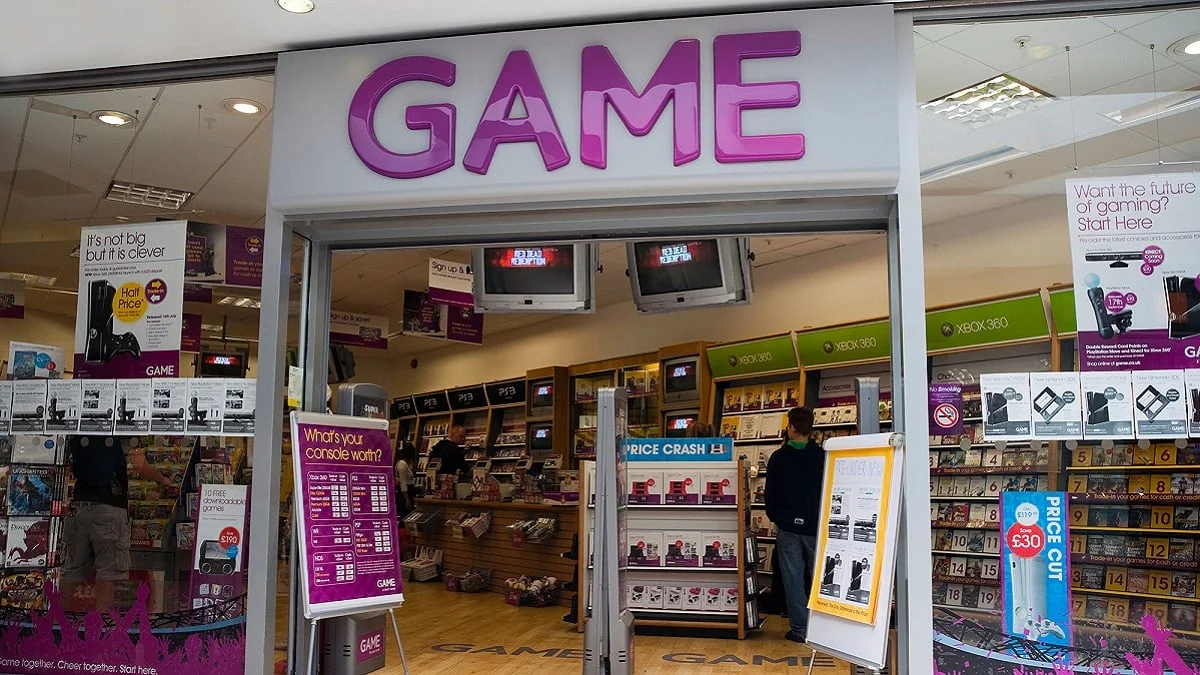
The video game industry, already grappling with a wave of redundancies and studio closures, is facing another significant development as UK retail giant GAME appears to be preparing its staff for potential layoffs. Anonymous sources within the company have informed Eurogamer that employees have been notified of upcoming redundancies, a move that, if confirmed, would further underscore the challenging economic climate impacting physical retail and the broader gaming sector. While official confirmation from GAME remains pending, the reports suggest a significant shift in employment terms for a substantial portion of its workforce, with most non-managerial staff being transitioned to zero-hours contracts. This contractual change, which offers no guaranteed hours of work per week or month, raises considerable uncertainty for employees and signals a precarious future for many within the company.
The news emerges against a backdrop of a tumultuous year for the video game industry. Major publishers and developers, including Sony, Microsoft, and Riot Games, have all announced significant workforce reductions in recent months, citing a variety of factors such as overhiring during the pandemic, economic headwinds, and the challenging development cycles of AAA titles. These industry-wide layoffs have created a palpable sense of unease, and the reported situation at GAME, a long-standing fixture of the UK’s high street, amplifies these concerns for retail employees.
A Shift in Employment Terms: The Move to Zero-Hours Contracts
According to the reports detailed by Eurogamer, the notification process for affected staff is expected to occur via direct communication, either through phone calls or emails. This method of informing employees about their job security, or lack thereof, is a sensitive aspect of any workforce reduction. The transition to zero-hours contracts for the majority of non-managerial staff represents a fundamental alteration to their employment relationship with GAME. Historically, many retail roles have offered a degree of predictability in working hours, even if part-time. Zero-hours contracts, by their nature, eliminate this predictability, placing the onus on the employer to allocate hours based on business needs. For employees, this can lead to significant financial instability and difficulty in planning personal lives, from managing household budgets to securing loans or mortgages.
The implications of such a widespread shift to zero-hours contracts are multifaceted. From the employer’s perspective, it offers increased flexibility in managing labor costs and staffing levels, particularly in a retail environment that can experience significant fluctuations in demand. However, it also carries the risk of reduced employee morale, potential difficulties in retaining experienced staff, and a negative impact on the company’s public image. For employees, the move signifies a loss of job security and a potential decrease in overall earnings, even if their hourly wage remains the same. The absence of guaranteed income can create a stressful and uncertain living situation.
Background: GAME’s Legacy and the Evolving Retail Landscape
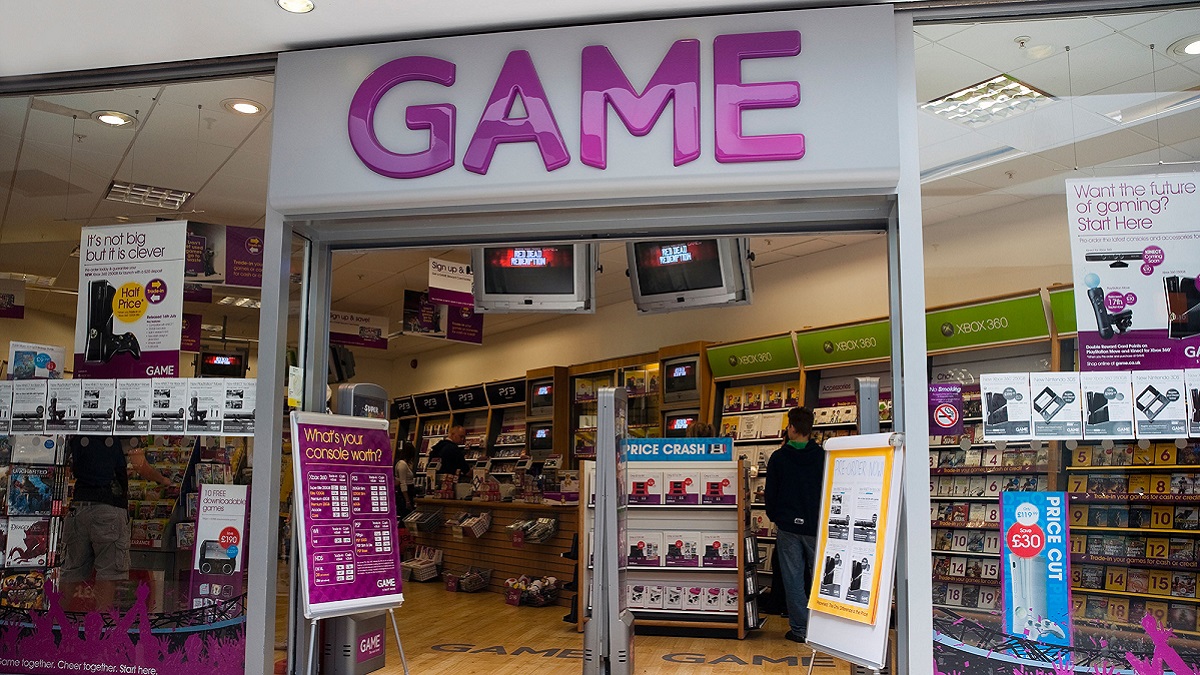
GAME, formerly known as GameStation, has been a prominent presence in the UK’s retail landscape since its inception in 1992. For decades, it served as a primary destination for gamers seeking new releases, pre-orders, and a tangible connection to the gaming community. With a network that once spanned over 250 outlets across the country, GAME was more than just a store; it was a cultural hub for many enthusiasts. The image of browsing shelves packed with PlayStation and Xbox titles, discussing upcoming games with knowledgeable staff, and engaging in the social ritual of collecting physical media, is a nostalgic memory for a generation of gamers.
However, the retail sector, particularly for physical media, has faced unprecedented challenges in recent years. The inexorable rise of digital distribution has fundamentally altered how consumers purchase and consume video games. Platforms like Steam, PlayStation Store, Xbox Games Store, and Nintendo eShop offer immediate access to vast libraries of titles, often at competitive prices, without the need for a physical disc or cartridge. This digital shift has eroded the market share of brick-and-mortar retailers, forcing many to adapt or face closure.
GAME has not been immune to these seismic shifts. In 2019, the company was acquired by the Frasers Group, a British retail conglomerate owned by Mike Ashley, known for its portfolio of sports and leisure brands including Sports Direct. This acquisition was seen by some as an attempt to revitalize the struggling retailer, but the challenges persisted. Earlier this year, further evidence of GAME’s strategic reorientation came with the announcement that the company would be discontinuing its popular trade-in service. This service, which allowed customers to exchange used games for credit towards new purchases, was a significant revenue stream and a key differentiator for GAME. Its cessation signaled a further move away from traditional retail models and a potential recalibration of its value proposition to consumers.
The current situation, with reports of impending redundancies and a move to zero-hours contracts, can be viewed as a continuation of these broader strategic adjustments. It suggests that the company is looking to streamline its operations and reduce its fixed labor costs in response to ongoing market pressures. The legacy of GAME as a physical retail giant is undeniable, but its future appears to be in a constant state of evolution, driven by the dynamic forces shaping the gaming industry and the broader retail environment.
Timeline of Developments (Inferred and Reported)
While a precise chronological breakdown of the recent events at GAME is not publicly available, the situation can be contextualized within a broader timeline of industry trends and company actions:
- Late 2010s onwards: Increasing dominance of digital game distribution, leading to declining footfall and sales for physical game retailers.
- 2019: GAME acquired by Frasers Group, signaling a period of potential restructuring and strategic reassessment.
- Early 2024: Announcement of the discontinuation of GAME’s trade-in service, indicating a significant operational shift and potential revenue stream adjustment.
- Recent Weeks/Months (Implied): Internal discussions and planning regarding workforce reduction and contractual changes.
- Present: Anonymous reports emerge from GAME staff detailing notifications of expected redundancies and a widespread transition to zero-hours contracts for non-managerial employees. Eurogamer contacts GAME for comment.
Supporting Data and Industry Context
The challenges faced by GAME are emblematic of a wider trend affecting physical retail. According to the British Retail Consortium (BRC), retail footfall in the UK has seen a consistent decline in recent years, with non-food stores, including electronics and entertainment retailers, experiencing particular pressure. While specific data for GAME’s sales performance is not publicly disclosed, the general market conditions suggest a difficult operating environment.
Furthermore, the video game industry itself is undergoing a period of recalibration. After a surge in sales and engagement during the COVID-19 pandemic, when many consumers turned to gaming for entertainment and social connection, the market has seen a slowdown. Factors contributing to this include a decrease in discretionary spending due to inflation and the rising cost of living, as well as a normalization of entertainment habits as economies reopened. This economic climate has put pressure on both game developers and the retailers that sell their products.
Analysis of Implications
The potential redundancies and shift to zero-hours contracts at GAME have several significant implications:
- For Employees: The most immediate impact is on the livelihoods of GAME staff. Uncertainty surrounding job security and the shift to unpredictable working hours can lead to financial hardship and increased stress. For long-serving employees, this could represent a substantial disruption to their careers and financial stability.
- For the Gaming Community: While the move towards digital is undeniable, physical game stores like GAME still hold a certain appeal for a segment of the gaming community. They offer a tangible experience, a place for community interaction, and for some, a preferred method of acquiring games. A significant reduction in GAME’s physical presence could diminish these opportunities.
- For the Retail Sector: The situation at GAME serves as a stark reminder of the ongoing transformation of the retail landscape. Companies that fail to adapt to evolving consumer behaviors and technological advancements face significant challenges. The struggle of physical retailers highlights the need for innovation in customer experience, supply chain efficiency, and digital integration.
- For GAME’s Future: The reported actions suggest a strategic pivot by GAME, likely aimed at cost reduction and operational flexibility. The long-term viability of the brand will depend on its ability to navigate these challenges and find a sustainable business model in an increasingly digital world. The effectiveness of the zero-hours contract model in retaining motivated staff and maintaining service quality will also be a critical factor.
Official Responses and Further Developments
At the time of reporting, official statements from GAME regarding the alleged redundancies and contract changes have not been made public. Eurogamer has reached out to GAME for comment, and any response or clarification from the company will be crucial in understanding the full scope of the situation. The lack of an official statement, while understandable in the early stages of such news, leaves employees and the public in a state of uncertainty.
The future of GAME as a physical retail entity remains a pertinent question. While the company has undergone ownership changes and strategic shifts, the core business of selling physical games on high streets has become increasingly difficult. The current developments suggest that the company is taking decisive, albeit potentially unpopular, measures to address these ongoing challenges. The coming weeks and months will likely reveal the full extent of these changes and their impact on the thousands of individuals employed by GAME across the UK. The broader industry will be watching closely, as the fate of GAME could serve as a bellwether for other physical retailers grappling with the digital revolution.