


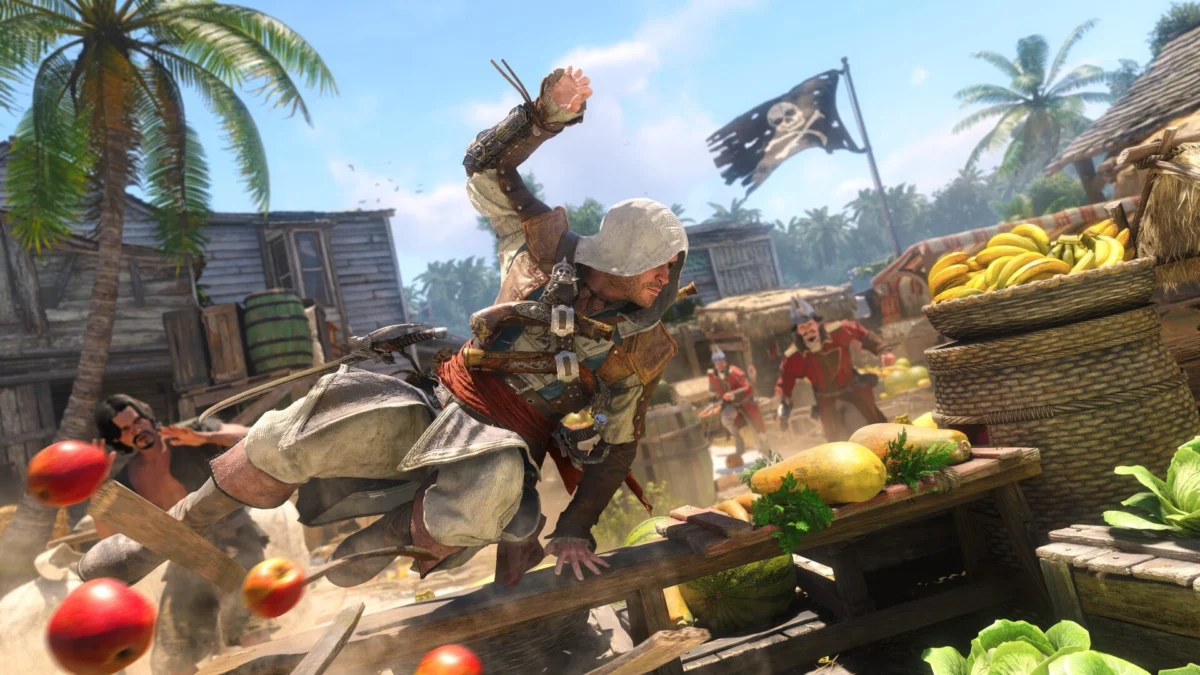
Ubisoft, a global leader in the video game industry, has announced a significant commercial and critical triumph with the launch of Assassin’s Creed Black Flag Resynced. The meticulously enhanced re-release of the 2013 fan-favorite has not only soared to the top of the Xbox charts but has also dramatically surpassed the company’s internal sales forecasts, achieving its annual expectations for 2026 within a mere two weeks of its early July launch. This performance marks a pivotal moment for Ubisoft, which has faced a challenging period in recent years, demonstrating the potent appeal of revisiting cherished classics with modern polish.
Unprecedented Sales Performance and Critical Acclaim
Since its debut in early July, Assassin’s Creed Black Flag Resynced has sold an impressive 3.5 million copies across all available platforms. This figure is particularly noteworthy as it represents the entirety of Ubisoft’s sales projections for the title through the end of fiscal year 2026. A recent press release from the publisher hailed the launch as "strong," underscoring the immediate and overwhelming market reception. The game’s critical reception has mirrored its commercial success, securing an aggregated score of 84 on both OpenCritic and Metacritic. This level of critical praise positions Black Flag Resynced as the highest-rated Assassin’s Creed title since the original Assassin’s Creed IV: Black Flag, a testament to the quality of the "Resynced" effort by Vantage Studios.
Further illustrating its market dominance, Assassin’s Creed Black Flag Resynced currently holds the coveted first position on the "Top Paid" Xbox charts within the Microsoft Store. Adding to this impressive feat, the Deluxe Edition of the game also commands a high ranking, sitting comfortably in sixth place. This dual presence on the sales charts highlights strong consumer confidence and a willingness to invest in premium versions of the title, indicating robust engagement from the Assassin’s Creed faithful and new players alike. The immediate and widespread success underscores a significant demand for high-quality remasters that breathe new life into beloved gaming experiences.
A Resurgence for Ubisoft: Navigating Recent Challenges
The exceptional performance of Black Flag Resynced arrives at a critical juncture for Ubisoft. The company has publicly acknowledged a "rough period" over the past few years, characterized by a series of high-profile game delays, including titles like Skull and Bones and the much-anticipated Prince of Persia: The Sands of Time Remake. Mixed critical and commercial receptions for some recent releases, coupled with internal restructuring and increasing competition in the open-world genre, had led to investor skepticism and fluctuating stock performance. This context makes the success of Black Flag Resynced not merely a win, but a vital validation of strategic adjustments and a potential turning point for the French publisher.
Ubisoft CEO Yves Guillemot articulated this sentiment in a follow-up statement, expressing profound satisfaction with the game’s performance. "The strong launch of Assassin’s Creed Black Flag Resynced in early July by Vantage Studios is an encouraging proof point," Guillemot remarked. He further elaborated, "The game is the highest-rated Assassin’s Creed title since the original Black Flag, and we are very pleased with the praise it received from players. Two weeks in, the title has already exceeded the annual expectations we had. I would like to warmly thank the teams whose talent and dedication brought it to life. This launch illustrates the enduring appeal of the Assassin’s Creed brand, as well as the early benefits of our ongoing transformation and commitment to delivering very high-quality experiences." Guillemot’s statement reveals a dual significance: the commercial success itself, and its role as tangible evidence that Ubisoft’s renewed focus on quality and leveraging its established intellectual properties can yield substantial returns. The "ongoing transformation" likely refers to strategic shifts in development pipelines, a renewed emphasis on core gameplay experiences, and a commitment to refining existing franchises rather than solely pursuing novel, untested concepts.
The Enduring Appeal of Assassin’s Creed IV: Black Flag
The original Assassin’s Creed IV: Black Flag, released in 2013, quickly established itself as a standout entry in the long-running franchise. Set during the Golden Age of Piracy in the West Indies, it captivated players with its sprawling open world, innovative naval combat, and the charismatic anti-hero protagonist, Edward Kenway. Unlike previous Assassin’s Creed protagonists, Kenway was a morally ambiguous pirate captain who stumbled into the Assassin-Templar conflict, offering a fresh perspective on the series’ lore. Its critical acclaim stemmed from its robust gameplay mechanics, immersive world-building, and compelling narrative, earning it a lasting place in the hearts of many fans.
The decision to "Resync" Black Flag was therefore a strategically sound one. The term "Resynced" typically implies more than a simple port; it suggests a comprehensive overhaul that leverages modern hardware capabilities. This includes significant graphical enhancements, such as higher resolution textures, improved lighting, enhanced draw distances, and potentially ray tracing support. Beyond visuals, a "Resynced" version often incorporates quality-of-life improvements based on a decade of player feedback, refined controls, updated UI elements, and optimizations for current-generation consoles and high-end PCs. The success of Black Flag Resynced is a direct result of combining the original game’s inherent strengths with a thoughtful and thorough modernization effort, appealing to both nostalgic veterans and a new generation of players.
The Broader Market Trend: The Rise of Remasters and Remakes
The spectacular success of Assassin’s Creed Black Flag Resynced is not an isolated incident but rather a prominent example within a broader and increasingly lucrative trend in the video game industry: the development and release of high-quality remasters and full-fledged remakes. Publishers are increasingly recognizing the immense value in revisiting their cherished intellectual properties, a strategy that offers multiple advantages in a highly competitive market.
Examples of this trend are abundant and diverse. Capcom has achieved phenomenal success with its series of Resident Evil remakes, transforming classic survival horror titles into modern masterpieces. Square Enix embarked on an ambitious multi-part remake of Final Fantasy VII, reimagining a beloved RPG for contemporary audiences. Sony’s PlayStation Studios has seen critical and commercial success with titles like Demon’s Souls Remake and The Last of Us Part I, showcasing the power of visual fidelity and subtle gameplay refinements on next-generation hardware. Electronic Arts’ Dead Space Remake also demonstrated the appetite for horror classics brought up to modern standards.
Several factors contribute to the robust demand for these revitalized titles:
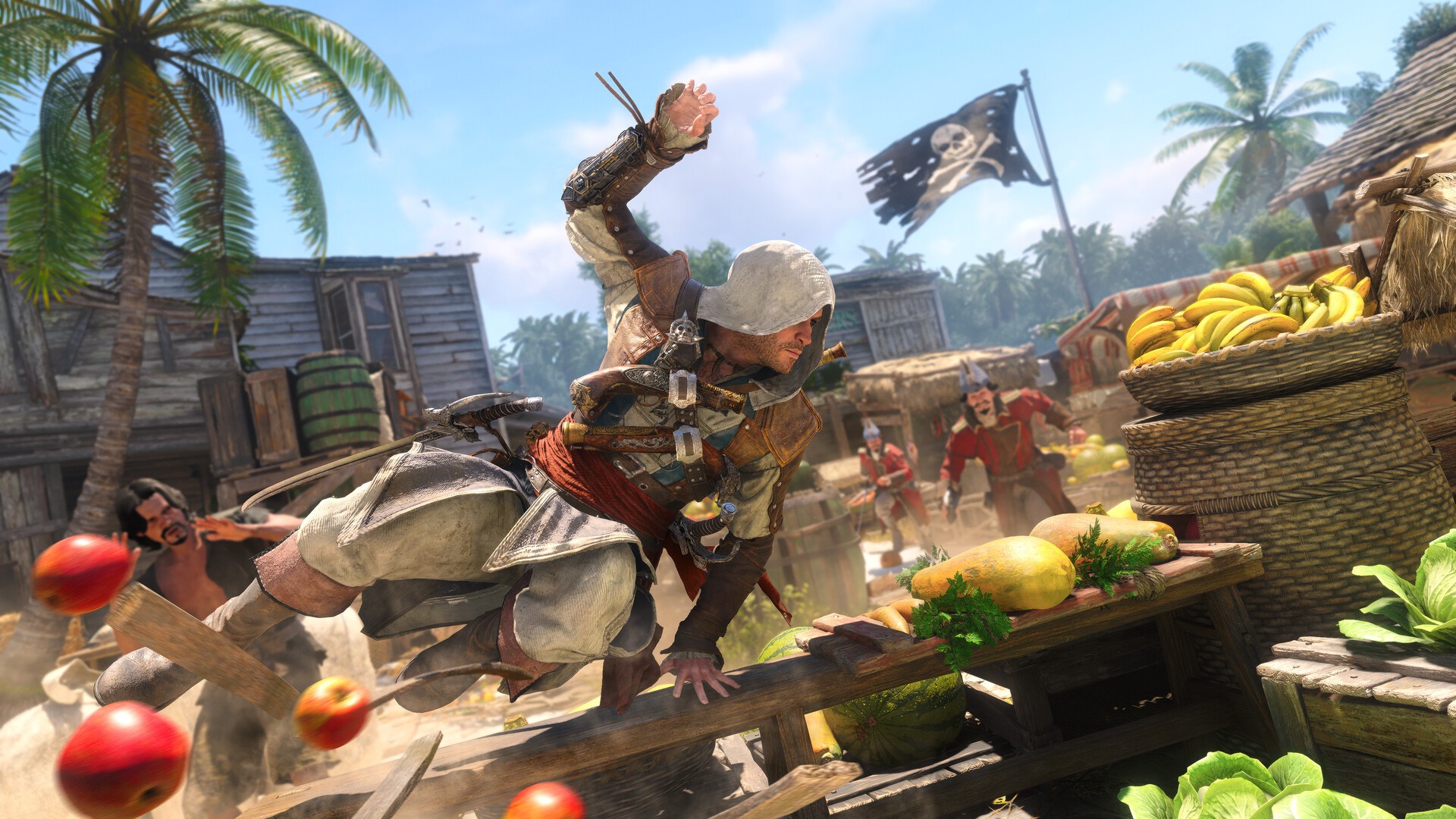
- Nostalgia Factor: For older players, remasters offer a powerful dose of nostalgia, allowing them to re-experience beloved games with improved visuals and gameplay, often sparking new discussions and appreciation within gaming communities.
- Lower Development Risk: Developing a remake or remaster, while still requiring significant resources, often carries less creative risk than launching an entirely new intellectual property. The core game design, narrative, and character arcs are already established and proven successful, reducing the uncertainty associated with market acceptance.
- Guaranteed Audience: Iconic games come with an existing, passionate fanbase. This built-in audience provides a strong foundation for sales and marketing efforts, making it easier to predict commercial viability.
- Introducing Classics to New Generations: Remasters serve as an excellent gateway for younger players who may have missed out on the original releases. By updating graphics and controls, these games become more accessible and appealing to modern sensibilities, effectively expanding the franchise’s reach.
- Leveraging Modern Hardware: Contemporary consoles and PCs possess capabilities unimaginable a decade ago. Remasters allow developers to fully exploit these advancements, delivering breathtaking visuals, faster load times, and more immersive experiences that were simply not possible with original hardware.
- Extending Franchise Longevity: For long-running franchises like Assassin’s Creed, remasters can bridge gaps between new mainline entries, keeping the brand relevant and engaging while new games are in extensive development.
This market dynamic aligns perfectly with observations that platforms like Xbox have been increasingly looking to embrace remasters and remakes. Publishers, driven by market demand and proven success, are naturally gravitating towards strategies that offer both financial stability and positive critical reception. The success of Black Flag Resynced serves as a powerful affirmation that there is a substantial and hungry audience eager to revisit these cherished classics when they are given the proper attention and modernization.
Chronology of Black Flag Resynced’s Journey
The journey of Assassin’s Creed Black Flag Resynced from concept to market triumph illustrates a well-executed development and release strategy:
- Early 2023 – Internal Discussions & Greenlight: Following Ubisoft’s strategic review of its IP catalog amidst challenging financial results, internal discussions likely intensified regarding leveraging fan-favorite titles for remasters. Given Black Flag‘s consistent popularity in community polls and sales of older titles, it was a prime candidate. Vantage Studios, a subsidiary known for its technical prowess, was likely tasked with the project.
- Late 2023 – Development Commences: With a greenlight and initial budget allocation, Vantage Studios would have begun core development, focusing on engine upgrades, asset re-creation, and modernizing gameplay elements while preserving the original’s essence.
- March 2024 – Rumors and Leaks: As is common in the industry, subtle leaks or insider reports might have begun to circulate within the gaming community, hinting at a "Black Flag" revival project. These often serve to build early anticipation.
- April 2024 – Official Announcement: Ubisoft officially unveiled Assassin’s Creed Black Flag Resynced during a major industry showcase or a dedicated Ubisoft Forward event. The announcement would have included a cinematic trailer, a gameplay demo showcasing the graphical overhaul, and confirmation of its "early July" release window for current-generation consoles and PC. Marketing emphasized "rebuilt from the ground up" or "faithfully re-imagined."
- May-June 2024 – Pre-Launch Marketing Blitz: A comprehensive marketing campaign ensued, featuring developer diaries detailing the modernization process, comparisons between the original and "Resynced" versions, and interviews with the creative teams. Pre-orders were opened, with incentives for Deluxe and Ultimate Editions, generating early revenue and gauging consumer interest.
- Early July 2024 – Global Launch: Assassin’s Creed Black Flag Resynced was released worldwide across all target platforms.
- First Week of July 2024 – Initial Sales & Critical Reception: Early sales figures indicated strong performance. Review embargoes lifted, revealing widespread critical acclaim, with an aggregate score of 84 on OpenCritic and Metacritic. Reviewers lauded the visual fidelity, updated gameplay, and the successful preservation of the original’s charm.
- Mid-July 2024 – Exceeding Annual Expectations: Within 14 days of launch, Ubisoft announced that the title had sold 3.5 million copies, officially surpassing its annual sales expectations for 2026. This announcement solidified the game’s status as a major success and a significant contributor to Ubisoft’s financial outlook.
- Late July 2024 – Chart Dominance: The game continued to hold top positions on digital storefronts, including its sustained first-place ranking on the Xbox "Top Paid" charts, confirming its ongoing market strength.
Financial and Strategic Implications for Ubisoft
The triumph of Assassin’s Creed Black Flag Resynced carries profound financial and strategic implications for Ubisoft. Financially, the immediate and significant revenue injection from 3.5 million units sold, especially in such a short timeframe, will undoubtedly bolster Ubisoft’s balance sheet. This success can positively influence investor confidence, potentially leading to an upward trend in the company’s stock value and a more favorable outlook from market analysts. It provides a much-needed positive narrative following a period of underperformance and delayed releases.
Strategically, this success validates a key direction for Ubisoft: the intelligent leveraging of its extensive and beloved back catalog. Industry analysts, who had previously questioned Ubisoft’s development pipeline and reliance on open-world formulas, are likely to view this as a clear path forward. "This success validates the strategy of revisiting proven IPs with modern enhancements," commented industry analyst Sarah Jenkins of Gaming Market Insights. "Ubisoft has found a clear path to leverage its rich back catalog, reducing development risk while tapping into a guaranteed audience." This indicates that Ubisoft will likely prioritize similar "Resynced" or remake projects for other highly-regarded titles within its portfolio. The Assassin’s Creed franchise alone boasts numerous fan-favorite entries, such as Assassin’s Creed II, Brotherhood, and Revelations, which could be candidates for similar treatment.
This strategic pivot suggests a balancing act for Ubisoft. While new, innovative titles and entries in existing sagas (like the upcoming Assassin’s Creed Codename Red and Codename Hexe) will continue to be crucial, remasters and remakes offer a more predictable revenue stream and a way to maintain brand relevance between major new releases. It also reinforces the idea that "quality experiences," as emphasized by Guillemot, can come in various forms, not solely from brand-new IPs.
Player Reception and Community Engagement
The overwhelming praise Black Flag Resynced has received from players is a critical component of its success. Social media platforms, gaming forums, and community channels have been abuzz with positive feedback, with many players expressing delight at the opportunity to re-experience the game with updated visuals and improved performance. Discussions often highlight specific graphical improvements, smoother gameplay, and the enduring quality of the original’s narrative and world.
The original article’s reference to community polls regarding Black Flag earlier in the month underscores the high level of player engagement and pre-existing demand for such a project. These community-driven insights often serve as informal market research for publishers, signaling which titles hold the most nostalgic value and potential for a successful revival. The positive reception confirms that Ubisoft listened to its community, delivering a product that genuinely resonated with their desires. This sustained engagement fosters a loyal player base and can generate organic word-of-mouth marketing, further propelling sales.
The Future of the Assassin’s Creed Franchise
The success of Assassin’s Creed Black Flag Resynced provides a multi-faceted outlook for the future of the Assassin’s Creed franchise. It demonstrates that the brand’s appeal is robust and diverse, capable of supporting multiple strategic pillars simultaneously. Alongside the back-to-basics approach seen in Assassin’s Creed Mirage, and the ambitious new settings and gameplay directions promised by Codename Red (set in feudal Japan) and Codename Hexe (exploring a darker, witch-hunt era narrative), the "Resynced" strategy adds a vital third dimension.
This approach allows Ubisoft to cater to different segments of its audience: those who crave innovation and new settings, those who appreciate a return to the series’ roots, and those who wish to relive or discover the classics in a modern format. The "enduring appeal of the Assassin’s Creed brand" cited by Guillemot is not just about historical settings and parkour; it’s about compelling narratives, memorable characters, and engaging gameplay loops, all of which Black Flag Resynced has successfully re-delivered. This diversified strategy can ensure the longevity and continued relevance of one of gaming’s most iconic franchises for years to come.
In conclusion, Assassin’s Creed Black Flag Resynced represents a monumental victory for Ubisoft. Its rapid sales, critical acclaim, and chart-topping performance signify not only a powerful financial uplift but also a strategic validation for the company’s renewed focus on quality and the intelligent revitalization of its legendary intellectual properties. This success firmly establishes the remaster/remake market as a critical growth area for the industry and positions Ubisoft for a more stable and prosperous future, driven by both innovation and a profound respect for its storied past.