


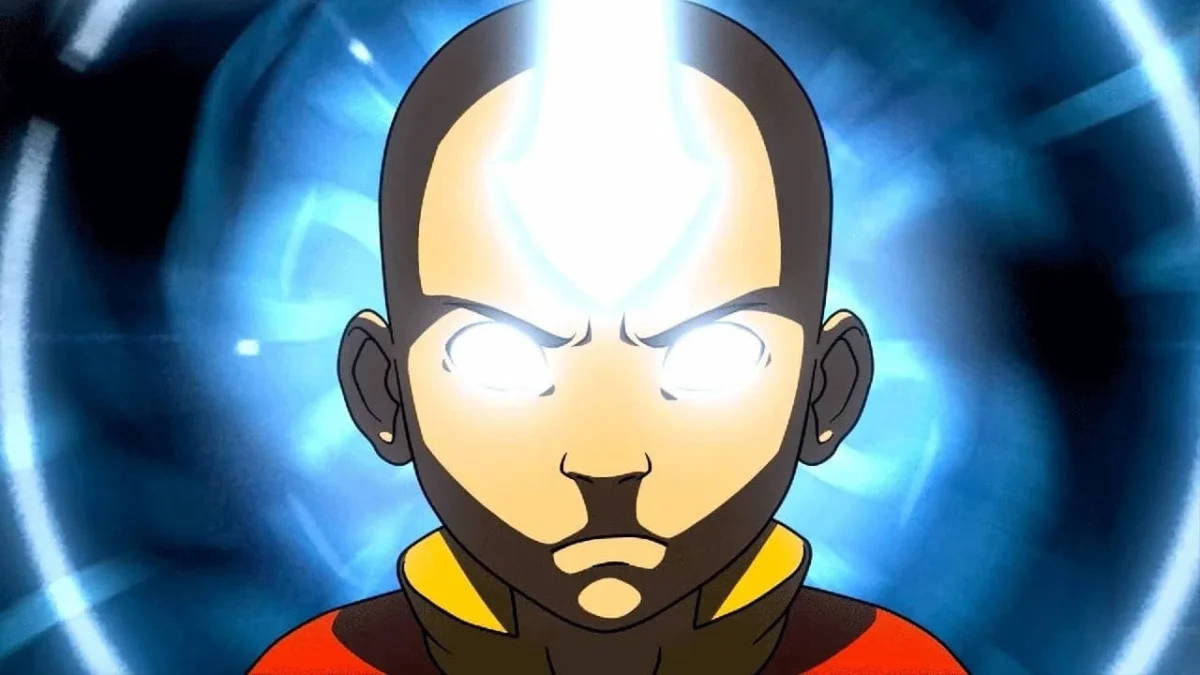
In a dramatic turn of events that unfolded just hours before its anticipated global launch, "Avatar Legends: The Fighting Game" has seen its Xbox version unexpectedly postponed. The developers announced on July 23 that the highly anticipated title, based on the beloved "Avatar: The Last Airbender" and "The Legend of Korra" universes, would not meet its scheduled release for Xbox consoles, citing "unforeseen circumstances on a backend feature." This eleventh-hour delay has left a segment of its eager player base in limbo, while the game simultaneously launched on PlayStation 5, PC, and Nintendo Switch, albeit with a noted limitation in cross-play functionality for the latter. The new target window for the Xbox release is now set for sometime "before September 3," a commitment that offers a finite, albeit frustrating, waiting period for dedicated fans.
Chronology of an Unexpected Setback
The announcement of the delay emerged in the early hours of July 23, disseminated via the game’s official Twitter/X account. For many Xbox players, this came as a stark surprise, landing mere moments before they expected to dive into the elemental combat and rich lore of the Avatar universe. Pre-load options were already available, and many had meticulously planned their gaming sessions around the original launch time. The developer’s statement specifically addressed the Xbox community, expressing regret and explaining the technical hurdle: "For the Xbox Community, we are forced to delay the release. Due to unforeseen circumstances on a backend feature, we will now launch by September 3. Existing pre-orders will remain active and will not be cancelled." This terse explanation immediately raised questions among players and industry observers regarding the precise nature of the "backend feature" that necessitated such a last-minute intervention.
While Xbox users were left to contend with the news, the game proceeded with its launch across other major platforms. PlayStation 5 and PC versions became available as planned, allowing a significant portion of the global gaming community to access the title. The Nintendo Switch version also launched, but with an accompanying caveat regarding "limited crossplay functionality" – an issue that, while distinct from the Xbox delay, underscored the complexities inherent in multi-platform game development and integration. This staggered release creates a significant disparity in player access and early community building, potentially impacting the Xbox version’s initial engagement when it eventually arrives.
Unpacking "Unforeseen Circumstances on a Backend Feature"
The phrase "unforeseen circumstances on a backend feature" is a broad term commonly used in software development to describe a range of technical issues. In the context of a modern fighting game like "Avatar Legends," which likely relies heavily on online multiplayer, cross-platform capabilities, and robust account management, "backend features" could encompass critical components such as:
- Server Infrastructure: Issues with dedicated servers, matchmaking algorithms, or global server stability that are crucial for a smooth online multiplayer experience. A fighting game, by its very nature, demands low latency and stable connections, making server-side performance paramount.
- Networking Code: Problems related to netcode optimization, which ensures that online matches feel responsive and fair, even across different geographical locations. Poor netcode can severely degrade the player experience in a competitive fighting game.
- Platform-Specific Integrations: Difficulties in integrating with Xbox Live services, including achievements, friend lists, voice chat, and the core authentication systems. Each platform has unique APIs and certification requirements that must be met.
- Anti-Cheat Systems: Ensuring the integrity of online play through robust anti-cheat measures. Last-minute issues could arise if these systems are not functioning correctly or are found to have vulnerabilities specific to the Xbox environment.
- Data Management and Player Progression: Problems with saving player data, progression, or in-game purchases securely and consistently across the Xbox ecosystem.
- Security Vulnerabilities: Discovery of critical security flaws that could expose player data or compromise the integrity of the game’s online services, necessitating an immediate halt to launch until patched.
Given the proximity to launch, it is highly probable that the issue was either critical enough to compromise core functionality or security, or it was discovered too late in the quality assurance and platform certification process to be rectified without a delay. Platform holders like Microsoft have stringent certification processes to ensure games meet technical standards, stability requirements, and user experience guidelines. A last-minute discovery during this final stage could easily trigger a postponement.
The Broader Context of Game Delays in the Industry
Game delays are a pervasive, albeit often frustrating, reality in the modern video game industry. A study by Statista in 2022 indicated that over 60% of AAA game titles experience at least one delay during their development cycle. While often met with disappointment from eager fans, developers frequently argue that delays are ultimately made in the service of quality, preventing the release of an unfinished or buggy product – a phenomenon famously dubbed "crunch culture" or the release of "broken games" that damage developer reputation and consumer trust.
Common reasons for delays include:
- Scope Creep: The expansion of game features beyond initial plans.
- Technical Hurdles: Unforeseen programming challenges, engine issues, or optimization problems.
- Quality Assurance (QA) Findings: Discovery of critical bugs, performance issues, or design flaws during testing.
- Platform Certification: Failure to meet the specific technical and performance requirements set by console manufacturers.
- Resource Constraints: Staffing shortages, budget limitations, or unexpected challenges in remote work environments.
- External Factors: Global events, supply chain issues (less relevant for digital-only titles but can affect development hardware), or regulatory changes.
The decision to delay "Avatar Legends: The Fighting Game" on Xbox, particularly just hours before launch, underscores the immense pressure and the complex web of technical dependencies involved in contemporary game development. Such a late-stage delay suggests that the identified backend issue was significant and could not be resolved through a day-one patch, or that the patch itself required further certification, which would inherently push back the release.
Pre-Orders, Refunds, and Consumer Satisfaction
One of the most contentious aspects of the delay announcement revolves around the management of existing pre-orders. The developer’s statement explicitly confirmed that "Existing pre-orders will remain active and will not be cancelled." This decision has been met with mixed reactions, with many Xbox players expressing frustration over the lack of immediate refund options.
For consumers, pre-ordering a digital game typically implies a commitment based on an expected release date. When that date shifts, particularly for a platform-specific version, players might wish to reconsider their purchase. Some might opt to buy the game on a different platform where it is already available, thereby rendering their Xbox pre-order redundant. The developer’s stance means these players would effectively own two copies or be forced to wait, potentially missing out on early community engagement and competitive play.
Microsoft’s Xbox refund policy generally allows for refunds within 14 days of purchase if the game has not been played for more than two hours. However, for a pre-ordered game that has not yet been released, the policy often states that "you can cancel digital game pre-orders at any time up to 10 days before the game launches. If you pre-ordered a game within 10 days of the launch date, you may still cancel up to the launch date." Since this delay occurred on the launch date, the standard automatic cancellation window might have closed, placing the onus on the publisher/developer to facilitate refunds or for players to navigate Xbox support channels, which can be a more involved process.
The absence of an explicit, easy refund path for the delayed Xbox version is a point of contention for customer satisfaction. In an industry where consumer trust is paramount, providing autonomy over pre-order decisions, especially in cases of significant delays, is often seen as a best practice. While the commitment to release before September 3 suggests a relatively short delay, the principle of customer choice remains a critical factor in fostering goodwill.
The "Avatar" IP and its Gaming Legacy
The "Avatar: The Last Airbender" and "The Legend of Korra" franchises boast a massive global following, celebrated for their rich narratives, compelling characters, and unique elemental bending combat. This cultural impact translates into high expectations for any video game adaptation. The IP has a varied history in gaming, with titles spanning multiple genres, from action-adventure to role-playing games, across various console generations. Some adaptations have been met with critical acclaim, while others have struggled to capture the magic of the source material.

"Avatar Legends: The Fighting Game" enters a competitive landscape dominated by established franchises like Street Fighter, Mortal Kombat, and Tekken. Leveraging a beloved IP in a fighting game context presents both an opportunity to attract a new audience and a challenge to satisfy the high expectations of both fighting game enthusiasts and Avatar fans. The core appeal lies in translating the dynamic, visually stunning bending arts into a playable, competitive format. Any technical hitches, especially at launch, risk dampening initial enthusiasm and potentially alienating a segment of the fanbase that has long awaited a definitive fighting game experience within the Avatar universe.
Market Implications and Competitive Landscape
The delay of "Avatar Legends: The Fighting Game" on Xbox could have several market implications:
- Player Migration: Xbox players who are eager to play the game immediately might purchase it on other platforms (PC, PS5, Switch), potentially reducing the initial sales volume for the Xbox version. This "platform switching" can be detrimental to a specific console’s sales figures for the title.
- Lost Momentum: Early launch periods are crucial for building community, generating buzz, and attracting new players through word-of-mouth and streaming. The Xbox version will miss out on this initial wave, potentially impacting its long-term player base compared to other platforms.
- Competitive Disadvantage: In the fighting game genre, early adopter communities often drive the competitive scene. A delayed launch means the Xbox version will be behind in terms of established player skill, online meta-game development, and potential esports interest.
- Brand Perception: While the delay is framed as a technical necessity, it can still affect the perception of the developer and publisher, especially among the Xbox community. Consistent and transparent communication will be key to mitigating negative sentiment.
- Resource Reallocation: The delay will require the development team to reallocate resources to address the backend issue, potentially impacting post-launch support plans or future content updates across all platforms.
The fighting game market is niche but highly dedicated. A smooth launch is critical for building and retaining a player base. Delays, especially those that create platform disparities, can fragment communities and dilute the overall impact of a new title.
Looking Ahead: The Road to September 3
The developer’s commitment to releasing the Xbox version "before September 3" provides a clear, albeit short, window for resolution. This suggests that the "unforeseen circumstances" are likely resolvable within a few weeks, rather than months. During this period, the development team will be working intensively to:
- Identify and Isolate the Core Issue: Pinpoint the exact nature of the backend feature problem.
- Develop a Solution: Create and test patches or fixes for the identified issue.
- Rigorous Testing: Subject the patched version to extensive quality assurance to ensure stability, performance, and functionality.
- Platform Certification: Resubmit the updated build to Microsoft for re-certification, a process that itself can take several days to a week.
- Communication: Maintain transparent communication with the Xbox community, providing updates on progress and the revised release timeline.
For Xbox players, the waiting game continues. While the delay is undoubtedly disappointing, the developer’s commitment to a relatively swift resolution offers a glimmer of hope. The critical factor now will be the quality of the game upon its eventual release and the developer’s ability to mend any bruised feelings within the community through clear communication and a polished final product. The success of "Avatar Legends: The Fighting Game" on Xbox will ultimately hinge on how effectively the team navigates this unexpected challenge and delivers on the high expectations set by the beloved Avatar universe.