


The recent announcement of Xbox backwards compatibility for PC, initially introducing a curated selection of original Xbox titles, has quickly evolved into a far more expansive prospect for the gaming community. Technical analysis of the initial rollout suggests a foundational framework that could soon extend this legacy support to a vast library of Xbox 360 games, opening unprecedented access to a generation of console-exclusive titles for PC players. This development marks a significant strategic maneuver by Microsoft, further cementing its commitment to game preservation and cross-platform accessibility within the broader Xbox ecosystem.
The Initial Rollout and a Pivotal Discovery
Microsoft officially unveiled its initiative to bring classic Xbox games to PC platforms just days ago, a move long anticipated by fans. The initial wave of titles included four iconic games from the original Xbox era: Conker: Live & Reloaded, Crimson Skies: High Road to Revenge, Fuzion Frenzy, and Blinx: The Time Sweeper. These titles were presented as the vanguard of a new era of PC gaming, allowing players to revisit cherished memories or experience these classics for the first time without the need for original hardware.
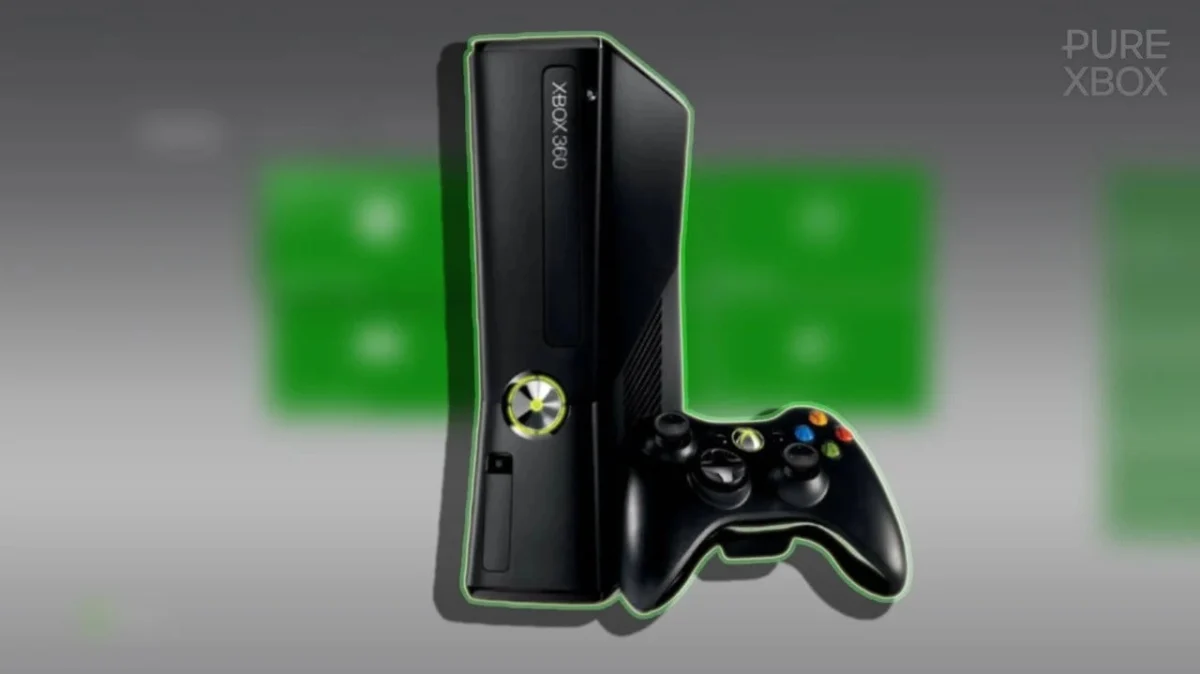
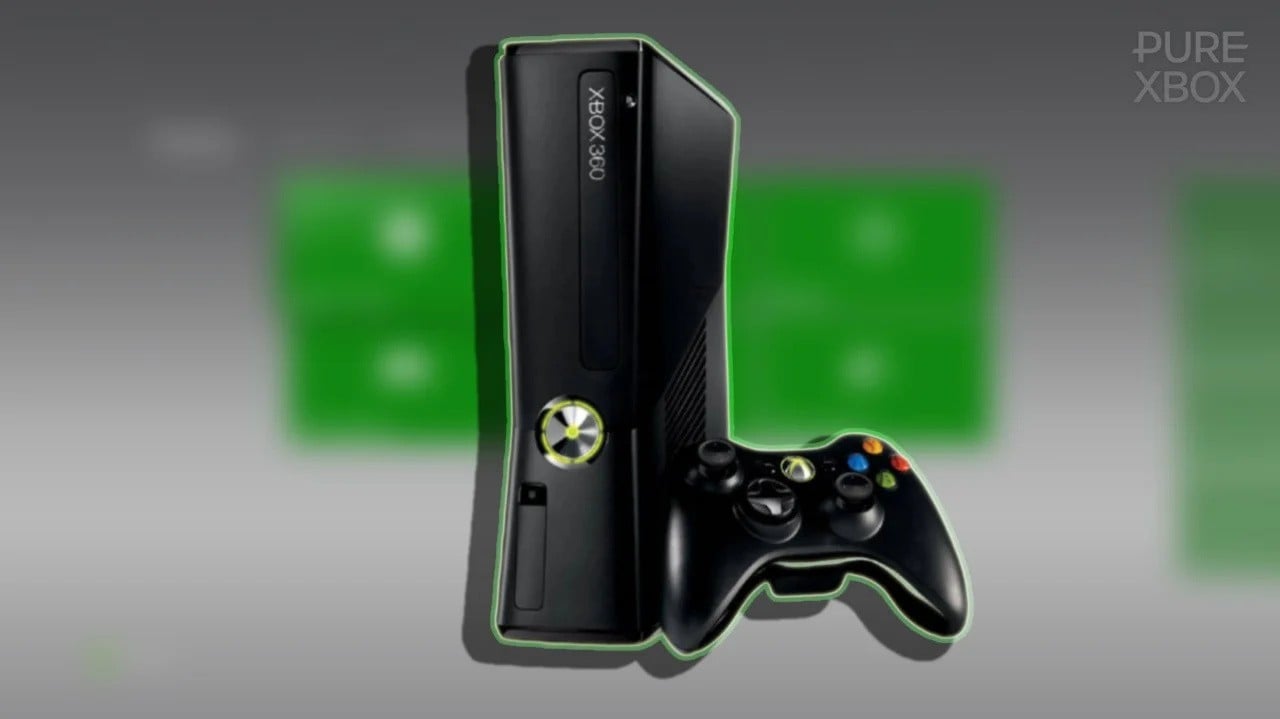
However, almost immediately following the announcement, a critical discovery by technical enthusiasts and dataminers began circulating through online communities. Investigations into the underlying architecture of these newly available PC versions revealed that the original Xbox games were not running natively or through a simple porting process. Instead, they were reportedly executing via an Xbox 360 emulation layer. This technical detail, if confirmed, carries profound implications: it suggests that Microsoft has built a robust Xbox 360 emulator for PC, capable of running not only its native library but also older original Xbox titles through a compatibility layer, much like how the Xbox One and Xbox Series X|S consoles handle their backward compatibility.
A History of Backward Compatibility: From Niche to Core Strategy
To fully appreciate the significance of this potential expansion, it is crucial to understand Microsoft’s long-standing commitment to backward compatibility. The concept first emerged with the Xbox 360, which offered limited backward compatibility for select original Xbox games through software emulation. This initial effort, while appreciated, was often plagued by performance issues and a restricted game list, making it a supplementary feature rather than a core selling point.
The true paradigm shift occurred with the Xbox One generation. In 2015, Microsoft announced a comprehensive backward compatibility program for Xbox 360 games on the Xbox One, a bold move that differentiated it from competitors and resonated deeply with consumers. This initiative was spearheaded by a dedicated team focused on creating a sophisticated software emulator that could run Xbox 360 games with impressive fidelity and often with performance enhancements. The program grew steadily, eventually encompassing hundreds of Xbox 360 titles, along with a renewed focus on original Xbox games.
With the launch of the Xbox Series X|S, this commitment was further solidified. The new consoles were designed from the ground up to support all previous generations of Xbox games that were part of the backward compatibility program, offering further enhancements such as higher resolutions, improved frame rates, Auto HDR, and faster loading times. This continuous evolution underscored a core philosophy at Microsoft: game preservation and player investment protection are paramount. The journey from limited emulation to a near-universal, enhanced backward compatibility solution on consoles laid the groundwork for what is now unfolding on PC.
Microsoft’s Strategic Language: A Broader Hint
Adding further weight to the speculation is the precise wording used by Xbox in its initial announcement. The official communication regarding PC backward compatibility did not restrict the service to original Xbox titles. Instead, it broadly hinted that the service would "make it easier to play classic XBOX games from the past across PC and handhelds." The phrase "classic XBOX games" is notably generic and could encompass titles from the original Xbox, Xbox 360, and even early Xbox One generations.
This deliberate ambiguity, coupled with the technical discovery of the Xbox 360 emulator, suggests a meticulously planned rollout. It is highly plausible that Microsoft opted to launch with original Xbox titles first for several reasons: perhaps to test the emulation framework, to gauge community interest, or to build anticipation for a larger, more impactful announcement regarding Xbox 360 games. The inclusion of "handhelds" in the statement also broadens the scope considerably, implying compatibility with devices like the Steam Deck, ASUS ROG Ally, and other Windows-based portable gaming systems, transforming them into veritable portable Xbox archives.
Technical Deep Dive: The Power of Emulation
Emulation, in the context of video games, involves recreating the hardware and software environment of one system on another. For Xbox 360 emulation on PC, this means developing software that mimics the intricate architecture of the Xbox 360’s PowerPC-based Xenon processor, its Xenos GPU, and other proprietary components. This is a formidable technical challenge, as the Xbox 360’s architecture was quite distinct from the x86 architecture prevalent in modern PCs.
The fact that an Xbox 360 emulator is reportedly running original Xbox games on PC is particularly telling. On Xbox consoles, original Xbox games are run through an Xbox 360 compatibility layer, which then translates them for the modern console hardware. If a similar architecture is being deployed on PC, it means Microsoft has successfully developed a robust Xbox 360 emulator that can effectively handle not only its native library but also act as a bridge for older titles. This unified emulation layer would streamline future additions, making the integration of Xbox 360 games a natural progression rather than requiring an entirely separate development effort.
The advantages of such an approach are numerous. Modern PC hardware offers significantly more processing power than a 15-year-old Xbox 360. This overhead allows for advanced emulation techniques, potentially leading to performance improvements over the original console versions, such as higher resolutions, uncapped frame rates, and potentially even graphical enhancements through techniques like texture filtering and anti-aliasing. Furthermore, PC-specific features like broader controller support, customizable graphics settings, and potentially even modding capabilities could breathe new life into these classic titles.
Broader Implications: A Win for Players, Xbox, and Preservation
The potential arrival of Xbox 360 games on PC via backward compatibility represents a multifaceted victory across several fronts.

For Players:
The most immediate beneficiaries are PC gamers. A vast catalog of beloved Xbox 360 exclusives, many of which have never been available on PC, could suddenly become accessible. Titles like Fable II, Fable III, Gears of War 2, Gears of War 3, Lost Odyssey, Blue Dragon, Banjo-Kazooie: Nuts & Bolts, and many others hold significant historical and cultural value. Their PC debut would allow a new generation of players to experience them and give veterans a chance to revisit them on modern hardware, potentially with enhanced visuals and performance. This also means players would no longer need to maintain aging console hardware to access these games, simplifying their gaming setup.
For Microsoft and the Xbox Ecosystem:
This move strategically strengthens Microsoft’s position in the fiercely competitive gaming market. By extending its backward compatibility prowess to PC, Xbox further differentiates its ecosystem. While PlayStation has been gradually porting some of its exclusives to PC, it has not yet offered a broad, system-level backward compatibility solution for its older console generations on PC. This gives Xbox a unique selling proposition, reinforcing its "play anywhere" philosophy.
Furthermore, integrating these games into the PC ecosystem could drive subscriptions to Xbox Game Pass. If these backward-compatible titles are included as part of the Game Pass library, it adds immense value to the service, encouraging more PC users to subscribe. This aligns with Microsoft’s overarching strategy of expanding Game Pass across all viable platforms, from consoles to PC and cloud streaming. It also reinforces the brand’s image as a player-centric company dedicated to value and accessibility.
For Game Preservation:
The digital age presents unique challenges for game preservation. Older physical media can degrade, and console hardware eventually becomes obsolete. By making these titles accessible on a modern, continuously evolving platform like the PC, Microsoft is making a significant contribution to game preservation. It ensures that a crucial part of gaming history remains playable and discoverable for decades to come, independent of the original hardware.
For the Handheld Gaming Market:
The explicit mention of "handhelds" is particularly significant. Devices like the Steam Deck, Lenovo Legion Go, and ASUS ROG Ally, which run Windows or Linux and are designed for portable PC gaming, stand to gain tremendously. The ability to play a massive library of Xbox 360 games on these portable devices transforms them into versatile retro gaming machines, capable of accessing content previously confined to a living room console. This expands the reach of Xbox content beyond traditional home setups and into a burgeoning segment of the gaming market.
Anticipation and the Road Ahead
The gaming community’s reaction to this potential development has been overwhelmingly positive, marked by a surge of excitement and speculation about which Xbox 360 games will eventually make their way to PC. Forums and social media platforms are abuzz with wishlists, highlighting titles that were either critically acclaimed, cult classics, or simply never received a proper PC port. The prospect of experiencing games like Fable II, which has long been a console exclusive despite its PC predecessors, is particularly tantalizing for many.
While official confirmation regarding the full scope of Xbox 360 backward compatibility on PC remains pending, the technical evidence and Microsoft’s strategic messaging paint a compelling picture. The initial release of original Xbox games, running on an Xbox 360 emulator, serves as a strong indicator of a much larger plan. This measured approach allows Microsoft to refine its emulation technology and prepare for a broader release, potentially in successive waves.
The timeline for such an expansion remains speculative. Microsoft typically unveils major updates and new content during key industry events or dedicated showcases. Gamers will undoubtedly be watching closely for any further announcements, particularly during upcoming gaming conferences or Xbox-specific presentations. The successful implementation of Xbox 360 backward compatibility on PC would not only be a technological achievement but also a landmark moment for game accessibility and preservation, solidifying Xbox’s position as a leader in cross-generational gaming.