


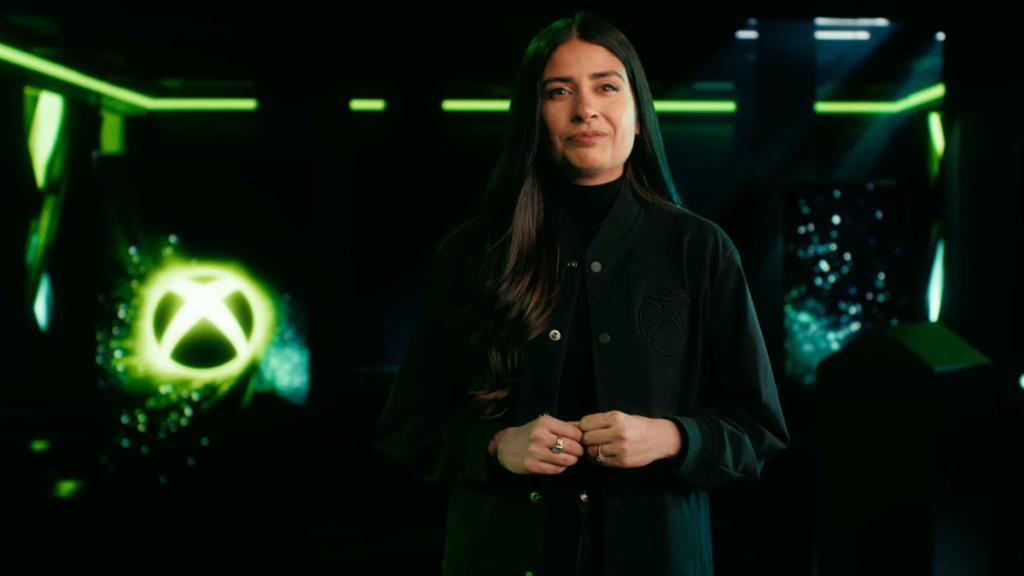
The gaming world was rocked on the morning of July 6, 2026, as Xbox CEO Asha Sharma unveiled a sweeping organizational "reset" that resulted in the immediate termination of employment for approximately 1,600 individuals within the Xbox division. This significant workforce reduction is reportedly the first phase of a larger plan, with an additional 1,600 employees slated for departure before the close of the 2027 fiscal year. The repercussions of this strategic overhaul extend beyond Xbox, with reports indicating layoffs impacting other departments within the broader Microsoft ecosystem, marking a somber day for the technology and entertainment industries.
Sharma characterized the move as "the most significant restructure in XBOX history," signaling a fundamental shift in the company’s operational strategy. While the exact motivations behind this drastic measure are still unfolding, industry analysts suggest it is a response to evolving market dynamics, increased competition, and a potential re-evaluation of strategic priorities within Microsoft’s gaming portfolio. The announcement came as a shock to many, given Xbox’s recent successes and the generally robust state of the gaming market in recent years.
Crucially, Sharma reassured the public and remaining staff that no publicly announced first-party games or ongoing projects are being canceled as a direct result of these reductions. This statement aims to mitigate concerns about the future of anticipated titles and ongoing development cycles, though the full impact on the pace and scope of future game development remains to be seen. The layoffs have affected a diverse range of studios and teams under the Xbox umbrella, with some studios reportedly being sold or consolidated. However, the company has emphasized that no studios are being fully shuttered.
Chronology of the Xbox "Reset"
The events of July 6, 2026, represent a culmination of strategic decisions made behind closed doors. While the public announcement was sudden, the groundwork for such a significant restructuring likely began months, if not years, prior.
- Early 2025 – Mid-2026: Internal reviews and strategic planning sessions are believed to have taken place within Microsoft’s gaming division. This period likely involved in-depth analysis of studio performance, project pipelines, market trends, and potential cost-saving measures. Discussions about optimizing the gaming portfolio and streamlining operations would have been paramount.
- Late June 2026: Rumors and industry whispers may have begun to circulate regarding impending organizational changes, though concrete details remained scarce. Companies of Microsoft’s scale often operate with a high degree of confidentiality during such sensitive periods.
- July 6, 2026 (Morning): Xbox CEO Asha Sharma delivers the official announcement to employees and the public. The initial wave of 1,600 layoffs is enacted. Internal communications would have been critical during this period, with affected employees receiving notification and support services.
- July 6, 2026 (Following Days/Weeks): Further details emerge regarding which studios and teams have been impacted. The selling or reassignment of certain studio assets may begin. The broader implications for Microsoft’s overall workforce are also clarified.
- By End of Fiscal Year 2027: The second phase of the planned layoffs, totaling an additional 1,600 employees, is expected to be completed.
Impact Across Studios and Divisions
The "reset" has reverberated through numerous development studios and teams that fall under the Xbox and Microsoft Gaming umbrella. While the full list of affected entities is still being compiled and confirmed, initial reports highlight significant changes at several key locations:
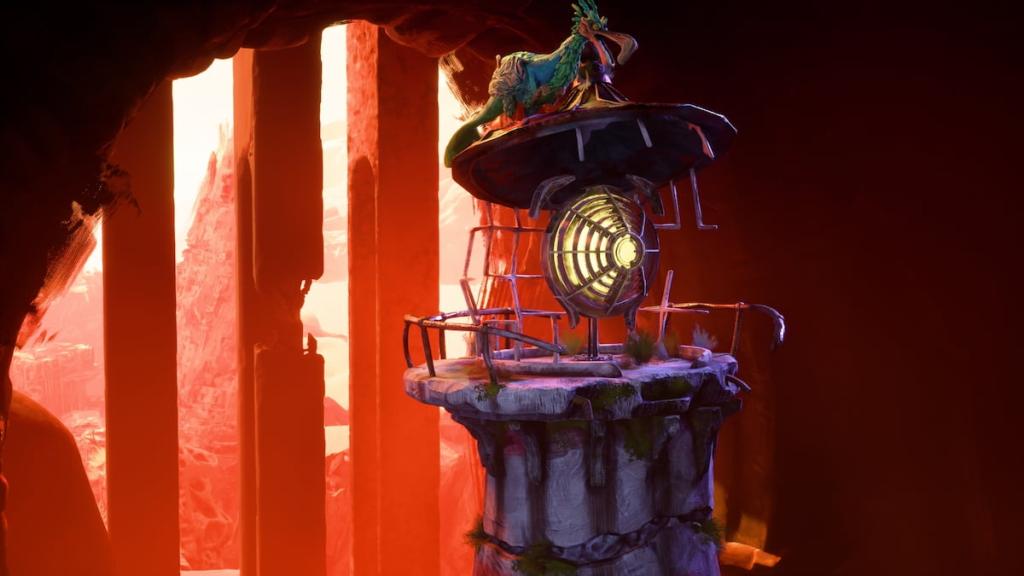
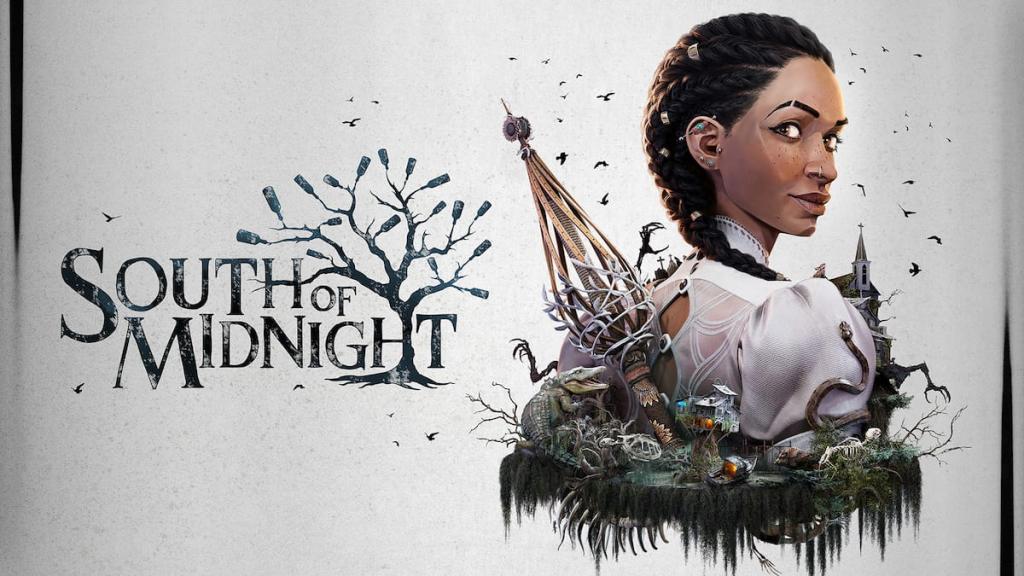
- Compulsion Games: Known for titles like "We Happy Few," Compulsion Games has reportedly seen a substantial reduction in its workforce. The studio’s future projects, including the anticipated "South of Midnight," are reportedly safe, but the operational capacity and development pace may be impacted.
- Double Fine Productions: The acquisition of Double Fine by Xbox in 2019 brought a highly creative and distinct studio into the fold. Reports suggest that this studio has also experienced layoffs, raising questions about the future of its unique development culture and pipeline.
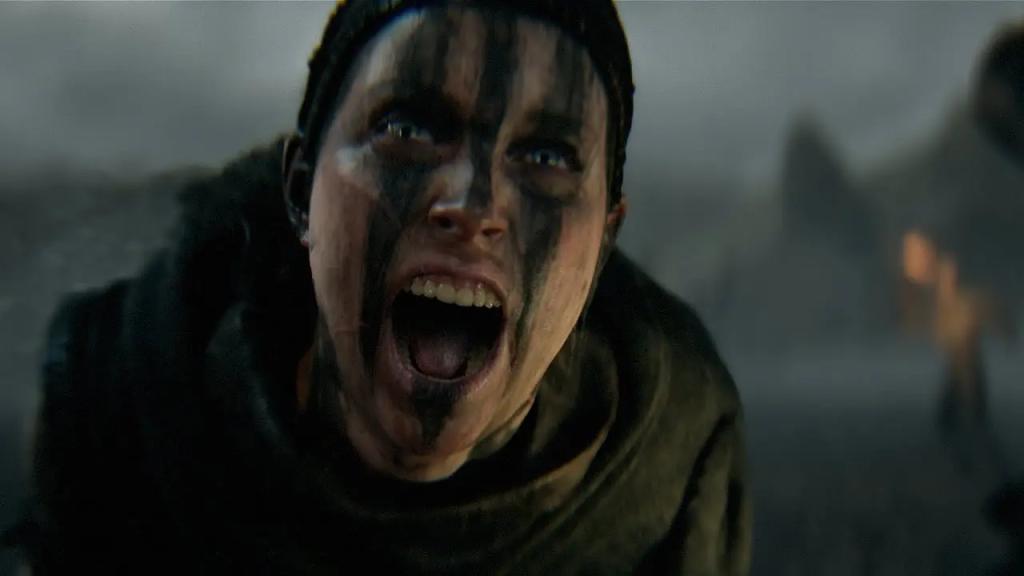
- Ninja Theory: Following the critical and commercial success of "Hellblade II: Senua’s Saga," Ninja Theory has reportedly undergone significant restructuring. While the company remains committed to its existing projects, the scale of the layoffs is a cause for concern for the studio’s long-term trajectory.
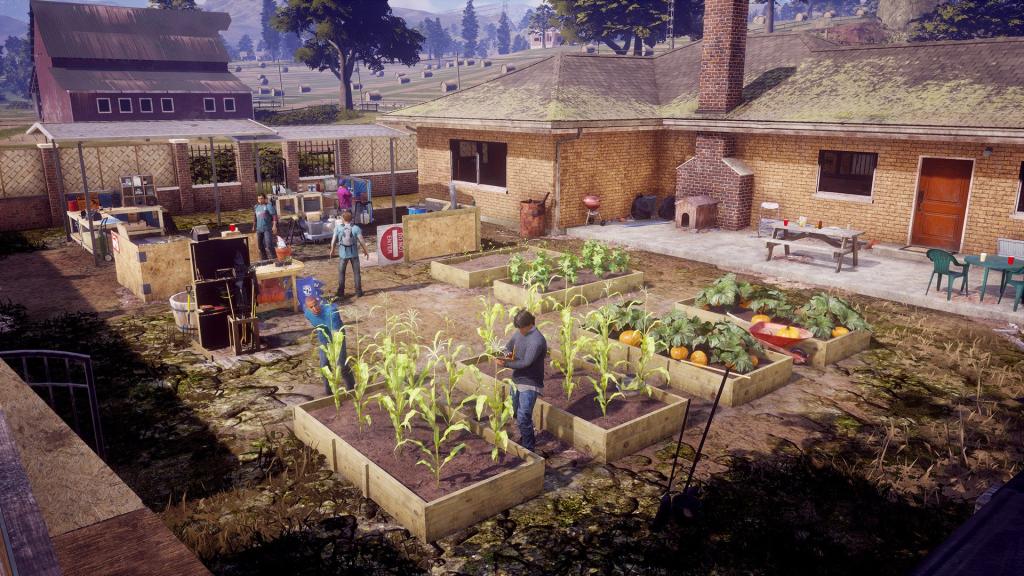
- Undead Labs: The creators of the "State of Decay" franchise have also been affected. The survival-genre specialists are a significant part of Xbox’s first-party lineup, and any changes here could have long-term implications for their popular series.
- Arkane Lyon: While Arkane Lyon is known for its critically acclaimed titles such as "Dishonored" and "Deathloop," reports indicate that some positions within the studio have been eliminated. This raises questions about the development of future projects within the studio’s distinctive immersive sim genre.
- Activision and Blizzard Entertainment: The integration of Activision Blizzard into Microsoft has been a monumental undertaking. The current restructuring at Xbox also appears to have touched these newly acquired entities, though the extent of the impact on specific teams and franchises like "Call of Duty" and "Diablo" is still being assessed. The sheer scale of these organizations means that even targeted reductions can affect a significant number of individuals.
- Bethesda/ZeniMax Media: Home to iconic franchises such as "The Elder Scrolls" and "Fallout," Bethesda and its subsidiaries have also reportedly been part of the broader restructuring. This could impact the development of upcoming titles like "The Elder Scrolls VI" and potential new IPs.
- King: The mobile gaming giant, acquired as part of the Activision Blizzard deal, is known for its immensely popular titles like "Candy Crush Saga." While mobile gaming often operates with different economic models, it is not immune to large-scale strategic shifts.
- Mojang Studios: The creators of the global phenomenon "Minecraft" are also reportedly subject to workforce adjustments. Given the immense popularity and ongoing development of "Minecraft," any changes here will be closely watched by its massive player base.
- Obsidian Entertainment: Known for its work on titles like "The Outer Worlds" and "Fallout: New Vegas," Obsidian Entertainment is another studio that has reportedly been affected by the "reset." This could have implications for their upcoming projects and their unique approach to RPG development.
Supporting Data and Industry Context
The gaming industry, while experiencing significant growth, has also seen periods of consolidation and workforce adjustments. Major tech companies, including those heavily invested in gaming, are under constant pressure to demonstrate profitability and strategic alignment in a rapidly evolving landscape.
- Market Growth: The global games market has consistently shown robust growth, projected to reach hundreds of billions of dollars annually. However, this growth is accompanied by increasing development costs, longer development cycles, and intense competition for player attention.
- Acquisitions and Consolidation: Microsoft’s acquisition of Activision Blizzard for nearly $69 billion in 2023 was a landmark event, reshaping the industry. Such large-scale acquisitions often lead to operational synergies and, consequently, workforce rationalization.
- Economic Pressures: Rising inflation, global economic uncertainty, and shifting consumer spending habits can put pressure on companies to streamline operations and focus on core revenue-generating activities.
- Technological Shifts: The rapid advancements in areas like AI-assisted development, cloud gaming, and new hardware capabilities necessitate strategic adaptation, which can sometimes involve reallocating resources and personnel.
Official Statements and Reactions
While Asha Sharma’s initial statement provided a high-level overview, broader reactions from industry observers and stakeholders are anticipated.
- Asha Sharma (Xbox CEO): "We are making these difficult decisions to focus our efforts on delivering the best possible gaming experiences for our players and to ensure the long-term health of our business. We are committed to supporting our departing employees through this transition." Sharma’s public statements have consistently emphasized a commitment to future game development and player satisfaction.
- Microsoft Leadership (Inferred): While specific statements from higher-ups at Microsoft may be limited, it is understood that such significant organizational changes are approved at the highest levels. The overarching strategy likely aligns with broader Microsoft objectives regarding cloud services, subscription models (like Xbox Game Pass), and continued dominance in the gaming sector.
- Employee Reactions (Inferred): The immediate aftermath of such layoffs is invariably met with shock, disappointment, and uncertainty among the remaining workforce. Discussions within internal forums and on professional networking sites are likely to focus on job security, future projects, and the impact on company culture.
- Industry Analysts: Analysts are expected to dissect the implications of these layoffs for Xbox’s market position, its ability to innovate, and its relationships with third-party developers. Questions will likely arise about the long-term impact on studio morale and the creative output of affected teams.
Broader Impact and Implications
The "reset" initiated by Asha Sharma at Xbox is more than just a series of layoffs; it represents a significant strategic pivot that will have far-reaching implications for the company and the broader gaming industry.

- Strategic Reorientation: The scale of the restructuring suggests a fundamental re-evaluation of Xbox’s business strategy. This could involve a greater emphasis on specific genres, platforms, or revenue streams, potentially including a more aggressive push for Xbox Game Pass subscriptions and cloud gaming services.
- Talent Displacement: The departure of thousands of experienced game developers will undoubtedly create ripples in the talent market. While some may find new roles within Microsoft or other companies, the loss of institutional knowledge and specialized skills from Xbox could be a significant setback.
- Future of Game Development: The assurance that no announced games are being canceled is a positive sign, but the reduction in personnel could still affect the scope, ambition, and timely delivery of future titles. Studios may need to re-evaluate their pipelines and development methodologies.
- Competitive Landscape: The changes at Xbox could alter the competitive dynamics within the console wars and the broader gaming ecosystem. Competitors may see opportunities to attract talent or capitalize on any perceived weaknesses.
- Player Trust and Morale: While developers strive to assure players that their favorite games are safe, such large-scale workforce reductions can sometimes lead to a decline in overall company morale, which can indirectly affect the passion and creativity poured into game development. Maintaining player trust will be crucial.
The July 2026 Xbox "reset" is a stark reminder of the volatile nature of the technology and entertainment industries. As Microsoft navigates this period of significant change, the industry will be closely watching to see how Asha Sharma’s strategic vision unfolds and what the long-term consequences will be for Xbox and the games that millions of players around the world eagerly await. This article will continue to be updated as more information becomes available regarding the specific impacts and future direction of Microsoft’s gaming division.