


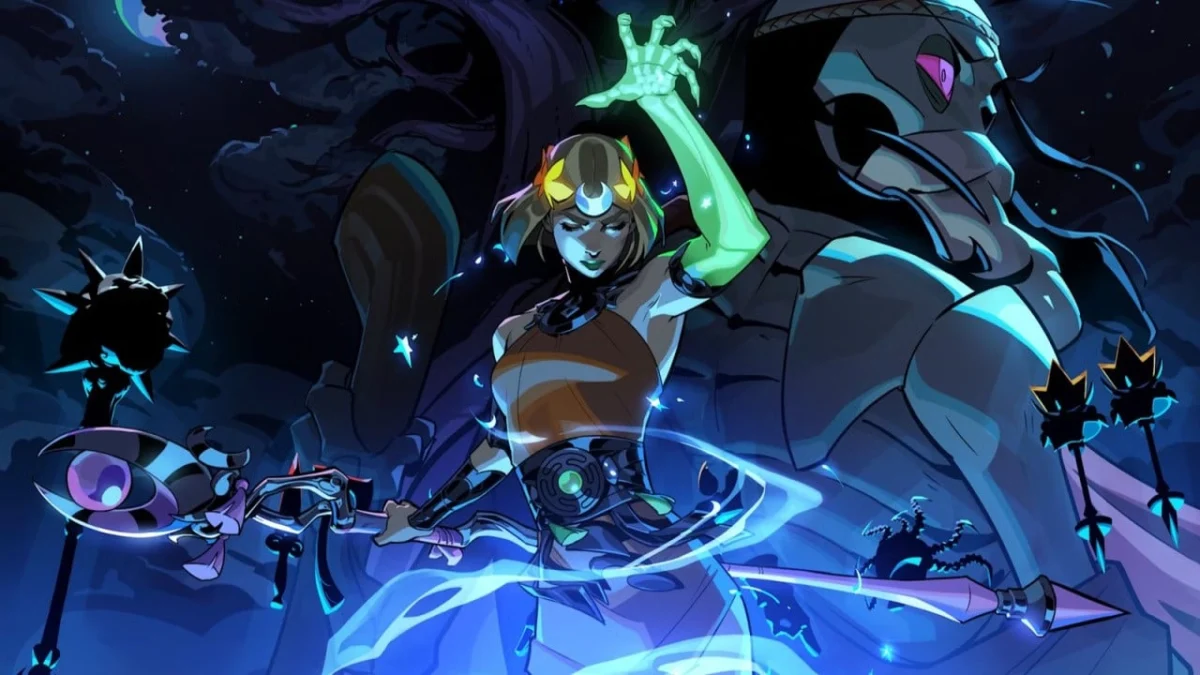
The global gaming community witnessed a significant milestone on April 14, 2026, as Supergiant Games officially launched Hades 2 on the Xbox Series X|S and PC platforms. In a move that underscored the ongoing competitive strategy of Microsoft’s gaming division, the title was integrated into the Xbox Game Pass Ultimate, Premium, and PC Game Pass catalogs as a day-one release. This launch marks the arrival of one of the most anticipated sequels in the rogue-like genre, following the massive commercial and critical success of the original Hades, which debuted in 2020. The inclusion of such a high-profile title in a subscription service immediately upon its console debut represents a significant value proposition for subscribers and a strategic win for the Xbox ecosystem during the mid-cycle of the current console generation.
Immediate Critical Reception and Statistical Performance
Upon its release, Hades 2 garnered immediate and overwhelming praise from the international gaming press. Early reviews have positioned the title as a frontrunner for various end-of-year accolades. On the aggregate review site Metacritic, the Xbox Series X version of the game debuted with a staggering average score of 98, based on initial critical assessments. While this average is expected to fluctuate as more outlets finalize their reviews, the current standing places it among the highest-rated games of the Xbox Series X|S era.
Comparatively, the original Hades maintained a consistent 93 average across multiple platforms, a score that was previously considered the gold standard for the genre. Other platforms for the sequel are currently reporting scores ranging between 93 and 98, suggesting a level of consistency in quality that few developers achieve with direct sequels. Industry analysts note that maintaining such high marks is particularly challenging for a sequel that must balance the preservation of the original’s beloved mechanics with the introduction of enough innovation to justify its existence.
Chronology of Development and the Path to 1.0 Launch
The journey to the April 14, 2026, console launch began several years prior. Supergiant Games first announced Hades 2 during The Game Awards in December 2022, surprising the industry as it marked the first time the studio had ever developed a direct sequel to one of its properties. Following a period of "Early Access" on PC platforms—a developmental phase that allowed the studio to refine gameplay loops, balance difficulty, and iterate on narrative elements based on player feedback—the game transitioned to its 1.0 version for its debut on Xbox and PlayStation consoles.
The development timeline highlights Supergiant’s commitment to a community-driven design philosophy. Between the initial Early Access launch and the 2026 console release, the studio deployed numerous "Major Updates," each adding new biomes, characters, and "Boons" (divine upgrades). This iterative process ensured that the version arriving on Xbox Game Pass was a polished, feature-complete experience that addressed the technical and balancing concerns raised by the early adopter community.
Narrative Shift: From Zagreus to Melinoë
Hades 2 diverges from its predecessor by introducing a new protagonist, Melinoë, the Princess of the Underworld and sister to the original protagonist, Zagreus. This narrative shift allows the developers to explore different facets of Greek mythology, specifically focusing on witchcraft, sorcery, and the darker, more chthonic elements of the pantheon. The central conflict involves Melinoë’s quest to defeat Chronos, the Titan of Time, who has escaped his imprisonment to wage war on the Olympian gods.
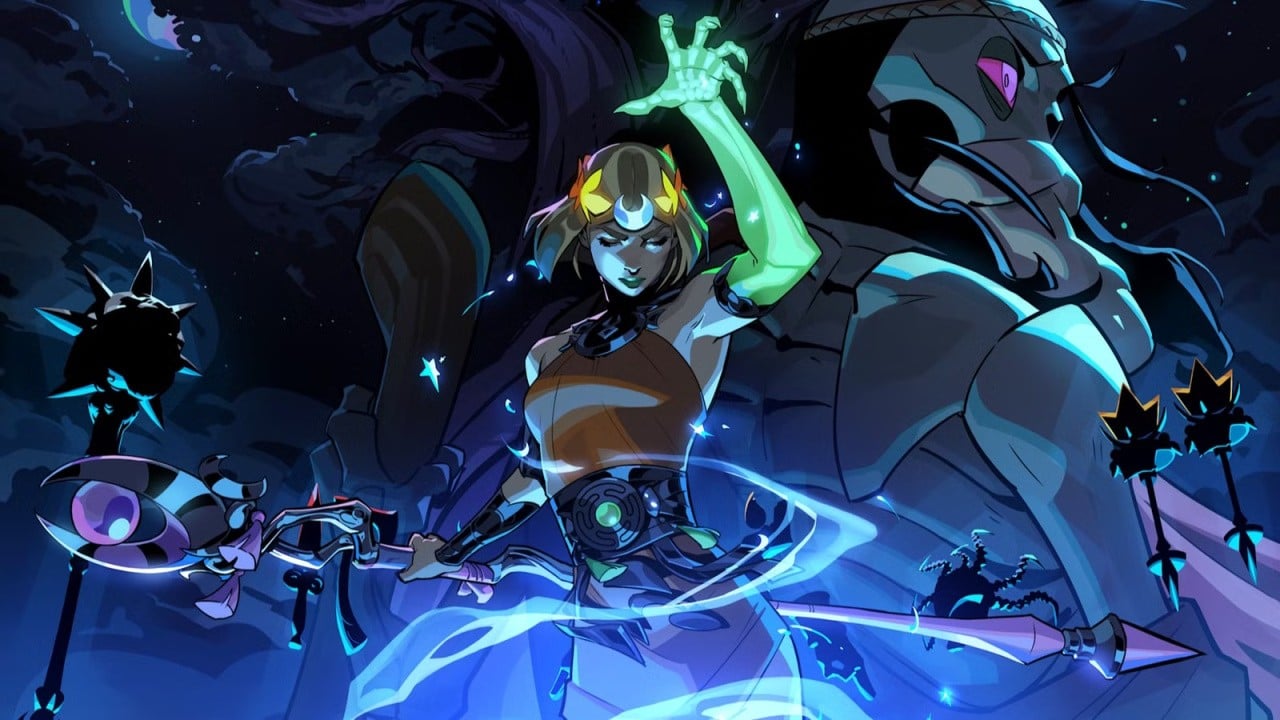
The sequel’s narrative structure maintains the "emergent storytelling" style that defined the first game, where plot points and character development are delivered in fragments across multiple "runs" through the game’s ever-shifting dungeons. This approach encourages replayability, as players must repeatedly die and restart to uncover the full breadth of the script, which reportedly contains tens of thousands of unique lines of dialogue.
Evolution of Gameplay Mechanics
While the core loop of isometric combat and rogue-like progression remains, Hades 2 introduces several mechanical innovations that distinguish it from the first entry. The most prominent addition is the "Magick" system, a resource that Melinoë uses to cast "Omega" versions of her attacks. This adds a layer of resource management that was less prevalent in the first game’s more straightforward hack-and-slash combat.
Furthermore, the game introduces a revamped gathering and crafting system. Players now collect various reagents, such as silver, nightshade, and lotus, to perform incantations at a central hub known as the Crossroads. These incantations provide permanent upgrades to the environment, unlock new gameplay features, and progress the story. The introduction of these systems reflects a broader trend in the genre toward "meta-progression," ensuring that even unsuccessful attempts to finish the game result in tangible progress for the player.
Technical Optimization for Xbox Series X|S
From a technical perspective, the Xbox Series X|S version of Hades 2 has been optimized to leverage the hardware’s capabilities. On the Xbox Series X, the game targets a native 4K resolution at a stable 60 frames per second (FPS), with options for higher refresh rates on compatible displays. The Series S version maintains the 60 FPS target while adjusting the internal resolution to 1440p.
The game also utilizes the Xbox "Quick Resume" feature, allowing players to jump back into a run almost instantaneously after switching to other applications or powering down the console. Given the pick-up-and-play nature of the rogue-like genre, this technical integration has been cited by critics as a significant quality-of-life improvement. Load times have also been virtually eliminated due to the utilization of the consoles’ internal NVMe SSDs, ensuring a seamless transition between the various chambers of the Underworld.
Strategic Implications for Xbox Game Pass
The acquisition of Hades 2 for the Xbox Game Pass service is a strategic maneuver by Microsoft to bolster its third-party offerings. As the gaming industry moves further into a subscription-based model, the presence of "must-play" titles becomes the primary driver for subscriber retention and acquisition. By securing a day-one launch for a title with a 98 Metacritic rating, Microsoft reinforces the value of the Ultimate and PC Game Pass tiers.
Market analysts suggest that this partnership benefits both parties. For Supergiant Games, the Game Pass launch provides an immediate player base of millions, ensuring the game enters the cultural zeitgeist instantly. For Microsoft, it mitigates the impact of any delays in its first-party release schedule. The "Game Pass Effect"—where a game sees a surge in popularity and subsequent sales on other platforms due to word-of-mouth generated by the service—is expected to be particularly potent for a title with the pedigree of Hades 2.

Industry and Community Reactions
The response from the broader gaming community has been characterized by high engagement levels. Social media platforms and gaming forums have seen a surge in discussions regarding "build" strategies, secret boss encounters, and the game’s intricate art style. Representatives from other independent development studios have publicly lauded Supergiant Games for their ability to deliver a sequel that exceeds the high expectations set by its predecessor.
While Supergiant Games has not released official sales figures for the Xbox launch, the "most played" charts on the Xbox dashboard indicate that Hades 2 is currently among the top-performing titles on the platform. The community’s reaction to Melinoë as a protagonist has been largely positive, with players praising the voice acting and the character’s distinct combat feel compared to Zagreus.
Future Outlook and 2026 Awards Cycle
As the industry looks toward the latter half of 2026, Hades 2 is already being discussed as a primary contender for Game of the Year. Its high critical standing, combined with its commercial reach via Game Pass, gives it a level of visibility that few other titles can match. The success of the game also raises questions about the future of the Hades franchise and whether Supergiant Games will continue to expand this universe or return to its tradition of creating entirely new IPs.
For now, the focus remains on the post-launch support. Supergiant has a history of providing stability patches and minor content additions following a 1.0 release. Given the complexity of the "incantation" and "boon" systems in Hades 2, ongoing balancing will likely be a priority to ensure that the competitive "speedrunning" community and casual players alike find the experience rewarding.
In conclusion, the launch of Hades 2 on Xbox Game Pass represents a high-water mark for the year 2026 in gaming. It demonstrates the continued viability of the rogue-like genre when paired with high production values and deep narrative integration. As players continue to delve into the depths of the Underworld and master the craft of Melinoë, the impact of this release is expected to resonate across the industry for years to come, further cementing Supergiant Games’ reputation as a premier developer in the modern era.