


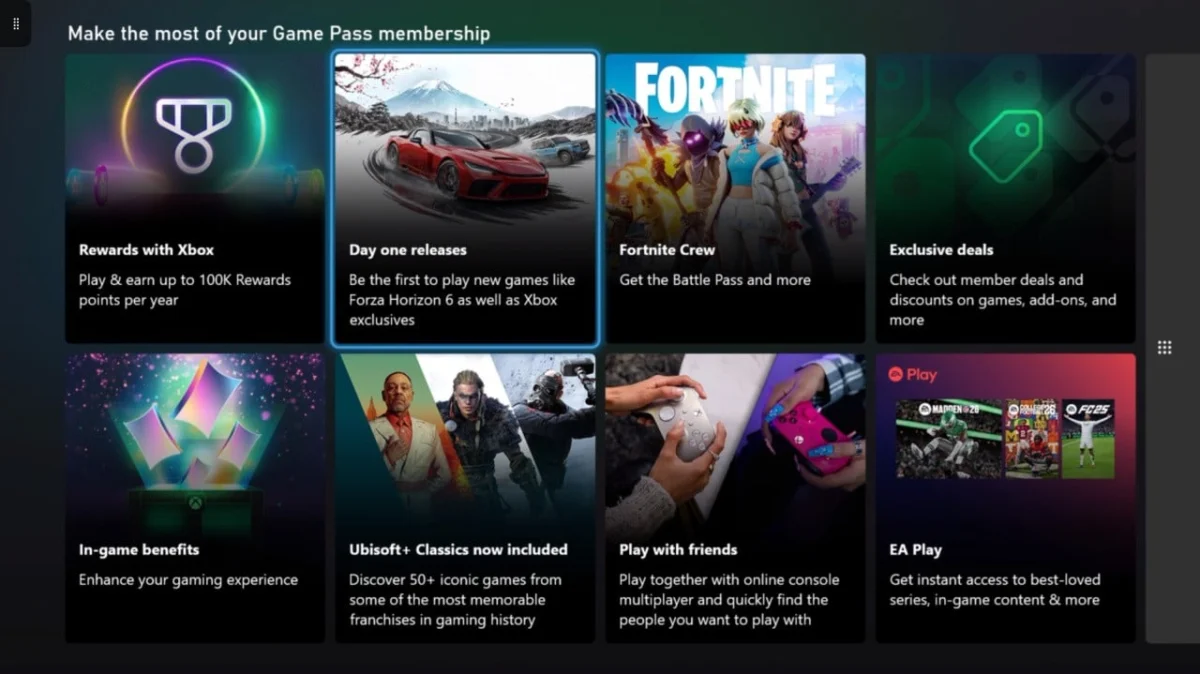
Microsoft’s gaming division has sparked significant discourse within the interactive entertainment industry following the appearance of specific marketing language on the Xbox Series X|S dashboard. The dashboard update, which highlights the value of the Xbox Game Pass subscription service, explicitly utilizes the term "exclusives" to categorize its library. This branding choice has drawn intense scrutiny from industry analysts and the consumer base alike, as it coincides with ongoing reports suggesting that Microsoft is engaged in high-level internal deliberations regarding the future of software exclusivity. The appearance of this terminology on the primary user interface of the Series X and Series S consoles serves as a notable data point in the evolving narrative of Xbox’s platform identity and its long-term distribution strategy.
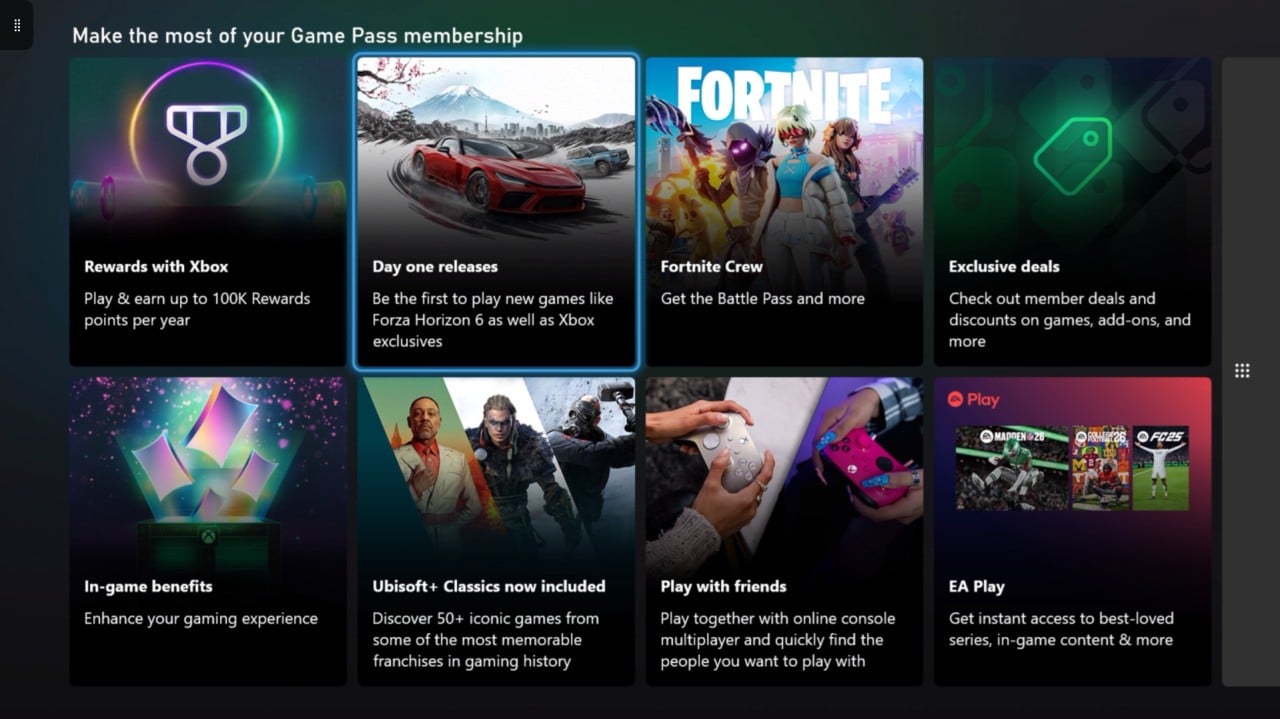
The specific marketing tile was observed within the Xbox Game Pass tab, situated under a promotional section titled "Make the most of your Game Pass membership." The advertisement encourages users to explore "day one releases," specifically citing the recently released Forza Horizon 6 alongside a broader category labeled "Xbox exclusives." This nomenclature is significant because it represents a firm reassertion of the "exclusive" brand at a time when the company’s public-facing strategy has increasingly prioritized cross-platform accessibility and the "Xbox everywhere" ecosystem.
Technical Observation and Global Implementation
The discovery was first highlighted by users on social media platforms, specifically X (formerly Twitter), where screenshots demonstrated the "Xbox exclusives" phrasing in the English-language dashboard. To determine if this was a localized marketing experiment or a broader corporate directive, investigators tracked the appearance of the advertisement across different regions. It was subsequently confirmed by official regional accounts, including Xbox News for Koreans, that the same terminology is being utilized internationally.
The consistency of this messaging across disparate markets suggests an intentional effort by Microsoft’s marketing department to emphasize the unique value proposition of the Xbox hardware and its primary subscription service. While some social media users initially misinterpreted the ad as suggesting that Forza Horizon 6 itself was a permanent platform exclusive, the syntax of the promotional material clarifies that the game is part of a larger catalog that includes "Xbox exclusives." This distinction is critical as Microsoft navigates the complexities of publishing titles on competing platforms like the PlayStation 5 and Nintendo Switch.
A Chronology of Shifting Exclusivity Norms
To understand the weight of this dashboard update, one must examine the timeline of Microsoft’s shifting stance on platform boundaries. For much of the eighth and early ninth console generations, the industry operated under a binary model: games were either third-party multiplatform releases or first-party exclusives tied to a specific ecosystem.
In early 2024, Microsoft began a pilot program to test the viability of bringing first-party titles to rival platforms. This initiative saw the release of Sea of Thieves, Grounded, Pentiment, and Hi-Fi Rush on PlayStation and Nintendo hardware. The success of these ports, particularly Sea of Thieves, which topped digital sales charts on the PlayStation Store, provided Microsoft with significant data regarding the revenue potential of a platform-agnostic publishing model.
Following this pilot program, rumors began to circulate regarding "Project Latitude," an internal codename for a strategy that would see even more high-profile Xbox titles ported to other consoles. By mid-2025, reports suggested that internal debates at Microsoft Gaming, led by CEO Phil Spencer, were centering on the balance between maintaining hardware relevance and maximizing software ROI. The appearance of the "exclusives" branding in April 2026 suggests that despite the push for multiplatform revenue, the company still views exclusivity as a vital marketing tool for driving Game Pass subscriptions and hardware sales.
Supporting Data and Market Dynamics
The strategic tension at Microsoft is driven by clear financial metrics. According to Microsoft’s FY2025 earnings reports, the gaming division saw a substantial increase in content and services revenue, largely bolstered by the acquisition of Activision Blizzard King. However, hardware sales for the Xbox Series X|S have historically trailed behind the PlayStation 5.
Industry data from late 2025 indicated that while Xbox hardware remains a steady entry point into the ecosystem, the vast majority of Microsoft’s gaming growth is derived from the PC market and Game Pass subscriptions. In this environment, the term "exclusive" takes on a new meaning. It no longer necessarily refers to a game that will never appear on another console; rather, it refers to a game that is "exclusive" to the Game Pass service on day one, or exclusive to the Microsoft ecosystem for a predetermined window of time.
The inclusion of Forza Horizon 6 in this dashboard ad is a prime example of this strategy. As a flagship racing franchise, Forza serves as a technical showcase for Xbox hardware. By labeling the broader catalog as "exclusives," Microsoft is attempting to maintain a "prestige" aura around its first-party output, even if those titles eventually migrate to other platforms to capture a wider audience.
Internal Deliberations and Official Responses
While Microsoft has not issued a formal statement regarding the specific dashboard text, the company’s leadership has been vocal about the "evolving nature" of the gaming business. In previous town hall meetings and public interviews, Phil Spencer has noted that the traditional console war metrics are becoming obsolete. "Our goal is to be where the players are," Spencer remarked in a 2025 interview, "but we also recognize that our core fans on Xbox hardware want to feel that they are part of a premium, specialized ecosystem."
The "very big discussions" referenced by industry insiders likely involve the "Day One" promise of Game Pass. Some factions within Microsoft reportedly argue that keeping blockbuster titles like Gears of War or Halo exclusive to the Xbox ecosystem is the only way to ensure the long-term viability of the hardware. Others contend that the high development costs of modern AAA titles—often exceeding $200 million—require the largest possible install base to achieve profitability, necessitating a multiplatform approach.
The dashboard’s use of the word "exclusives" may be a compromise between these two schools of thought. It serves as a tactical reminder to current console owners that their hardware remains the "home" of these franchises, regardless of where they might appear eighteen months post-launch.

Broader Impact and Industry Implications
The ripple effects of Microsoft’s branding decisions are felt across the entire gaming industry. If the "Xbox exclusive" brand is perceived as diluted, it could impact the sales of future hardware iterations, including the rumored next-generation Xbox handheld and the successor to the Series X. Conversely, if Microsoft successfully redefines "exclusivity" to mean "Best on Xbox" or "Included with Game Pass," they could create a sustainable model that rewards loyal hardware owners while still reaping the benefits of third-party publishing.
Competitors like Sony Interactive Entertainment have taken a different approach, maintaining strict console exclusivity for several years before porting titles to PC, and rarely, if ever, bringing first-party franchises to competing consoles. Microsoft’s path is significantly more experimental and carries higher risks.
For the consumer, the appearance of "exclusives" on the dashboard provides a sense of continuity. It suggests that despite the rumors of a total shift in strategy, the concept of an "Xbox game" still holds weight within the hallowed halls of Redmond. However, the true test of this branding will come during the next major showcase, where the company will have to define the platform availability for its upcoming slate of titles.
Conclusion: The Path Forward for Xbox
As of April 2026, the Xbox Series X|S dashboard remains a primary battlefield for Microsoft’s identity. The decision to highlight "exclusives" amid a period of strategic transition reflects a company trying to speak to two audiences at once: the dedicated console enthusiast who values ecosystem boundaries, and the corporate stakeholder who demands growth through platform expansion.
Whether this dashboard update is a sign of a renewed commitment to traditional exclusivity or merely a legacy marketing term used to bolster Game Pass remains to be seen. What is certain is that the "very big discussions" regarding the future of Xbox are far from over. The industry will continue to watch the Xbox dashboard—not just for new games, but for the subtle shifts in language that signal the future of how we play, purchase, and perceive digital entertainment. The tension between the "walled garden" and the "open ecosystem" has never been more apparent than in a simple advertisement for a racing game on a console home screen.