


The North American video game retail landscape is witnessing a significant shift as GameStop, a company long associated with the latest console releases and a ubiquitous presence in malls, embarks on a strategic pivot towards a retro gaming model. This move, announced with limited prior notice to its staff and the public, aims to leverage the enduring appeal of older consoles and games, drawing inspiration from the successful model of UK-based retailer CeX. The effectiveness of this ambitious undertaking hinges on GameStop’s ability to cultivate a dedicated community and replicate the unique retail experience that has made CeX a consistent draw for gamers and tech enthusiasts alike.
A Tale of Two Retailers: Contrasting Fortunes
Observations from the ground paint a starkly different picture between GameStop’s North American operations and the bustling CeX stores across the United Kingdom. While a typical weekend visit to a CeX in a busy UK city, such as Milton Keynes, reveals packed aisles and queues extending towards the street, customers eagerly sifting through offerings from PlayStation 2 to PlayStation 5, Xbox 360, and Wii, the situation at GameStop stores in North America often presents a contrasting scenario. Anecdotal evidence suggests that many GameStop locations are characterized by a less vibrant atmosphere, with shelves more heavily stocked with merchandise like Funko Pop! figures and a comparatively smaller customer presence for gaming-related purchases during peak hours.
This divergence in foot traffic and customer engagement is not merely anecdotal. The UK market has long benefited from a robust second-hand market for electronics and media, a niche that CeX has masterfully exploited for decades. Founded in 1992, CeX (short for "Complete Entertainment eXchange") has established a sprawling network of stores across the UK and internationally, operating on a buy-and-sell model for games, movies, mobile phones, laptops, and other electronics. Its success can be attributed to several key factors: a consistently competitive trade-in value for used items, a wide selection of both new and pre-owned products, and a transparent pricing system readily available online. This approach has fostered a loyal customer base that views CeX not just as a place to buy games, but as a destination for discovery and value.
In stark contrast, GameStop’s primary market in North America has seen a significant decline in physical game sales, accelerated by the widespread adoption of digital downloads and the increasing reliance on online marketplaces for both new and used games. The company has faced considerable financial challenges in recent years, leading to store closures and a general perception of decline. The recent decision to transition some stores to a "retro" format represents a significant gamble, a departure from its traditional focus on new releases.
The Genesis of GameStop Retro
The announcement of GameStop’s shift to a retro model was made on August 28th. Reports suggest that the implementation of this new strategy was swift, with employees reportedly having limited time to prepare for the changes. This rapid transition has led to some skepticism within the gaming community, with certain online commentators expressing doubt about the viability of the initiative. However, the potential for success cannot be entirely dismissed, particularly if GameStop can successfully emulate the community-building aspects that have propelled CeX’s enduring popularity.
The underlying logic of a retro-focused strategy is rooted in the enduring nostalgia and collector’s market for older gaming consoles and titles. The PlayStation 2, PlayStation 3, Xbox 360, and Nintendo Wii eras, in particular, represent a significant period of gaming history with a dedicated following. Many of these games are no longer readily available through mainstream retail channels, creating a demand that is often met by online marketplaces like eBay and Amazon, where prices can be inflated due to scarcity and reseller markups.
CeX: A Blueprint for Retro Success?
The success of CeX in the UK offers a compelling case study for GameStop’s new direction. For over three decades, CeX has cultivated a retail environment where the exchange of used goods is not only accepted but celebrated. The consistent presence of queues outside its stores, particularly in bustling urban centers like London and Milton Keynes, underscores its appeal. This popularity is fueled by a business model that offers customers fair trade-in values for their unwanted games, movies, and electronics, which are then resold at competitive prices. This creates a virtuous cycle: customers are incentivized to trade in their old items, providing a steady stream of inventory for the store, while other customers benefit from affordable access to a wide array of pre-owned media and technology.
Furthermore, CeX has inadvertently fostered a vibrant online community. Dedicated YouTube channels, such as Retro Ghetto and TVM, regularly feature "CeX hunts," where creators document their excursions into stores, showcasing rare finds and the thrill of discovery. This content generates significant engagement and reinforces the idea that visiting a CeX is an experience, akin to a treasure hunt, even if the store’s name itself occasionally elicits amusement. The convenience of CeX’s online platform, which allows customers to check store inventory and trade-in values in real-time, further enhances the customer experience, a stark contrast to the often opaque pricing and availability at many North American GameStop locations.
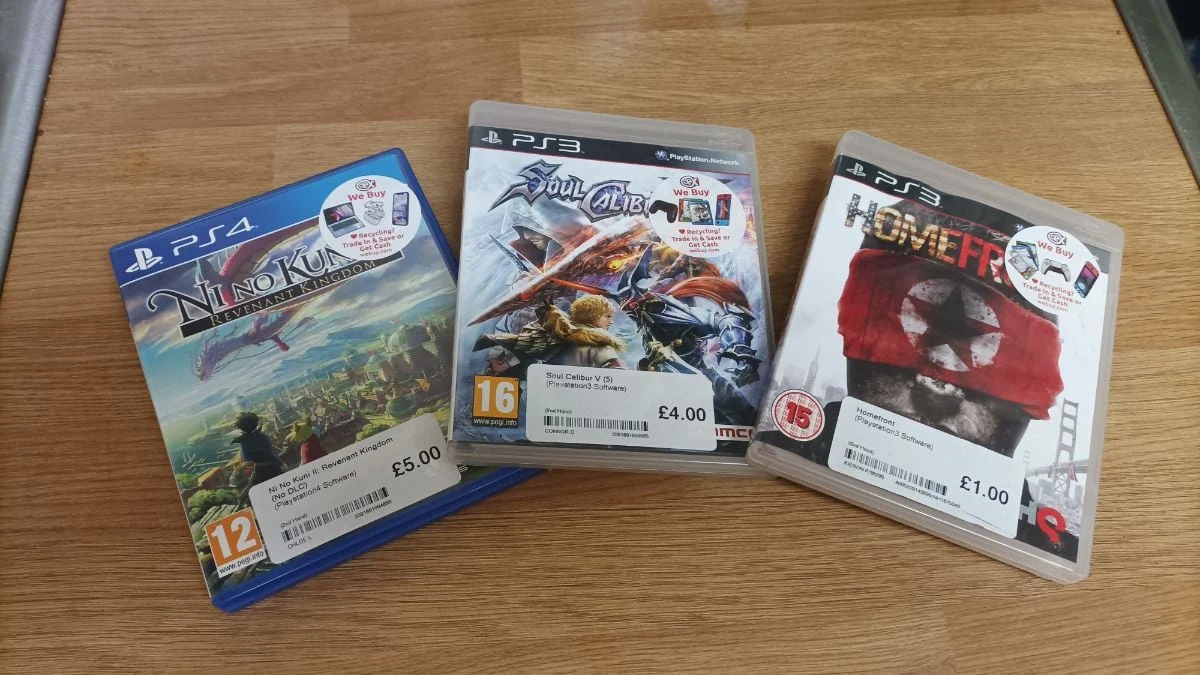
The appeal of this model extends to the affordability of acquiring a diverse game library. In the UK, it is not uncommon for gamers to build extensive collections of titles for consoles like the PlayStation 3 and PlayStation 4 for just a few pounds. Games that offer unique gameplay experiences and are no longer easily accessible on modern platforms can be found at CeX, providing a cost-effective way to explore gaming history. This "value for money" proposition is a critical element that GameStop Retro will need to replicate to attract and retain a dedicated audience.
The North American Challenge: Bridging the Retro Gap
In the United States and Canada, the landscape for acquiring retro games is significantly different and, for many, far more challenging. While independent game stores do exist in some cities, their prevalence is limited, leaving many consumers reliant on the often-inflated prices found on platforms like eBay and Amazon. The added burden of steep shipping costs further exacerbates the issue, making the pursuit of a retro gaming collection an expensive endeavor.
This economic barrier has, in the past, deterred many from seriously engaging with retro gaming. The author’s personal experience living in Canada illustrates this point, where prohibitive reseller prices made building a retro game collection impractical. The hope is that GameStop Retro can alleviate these frustrations by offering a more accessible and affordable pathway to acquiring older titles.
Analyzing the Implications of GameStop Retro
The success of GameStop’s retro initiative hinges on its ability to establish competitive pricing that can genuinely challenge the dominance of online marketplaces. Early indications, based on observations from content creators like Spawn Wave, suggest that GameStop Retro locations may be offering prices that are "not terrible," and potentially better than those found on eBay or at conventions. This competitive pricing is a crucial first step, but it is not sufficient on its own.
To truly thrive, GameStop Retro must cultivate a community around its stores, much like CeX has. This involves more than just stocking shelves with vintage games; it requires fostering an environment where customers feel valued, where knowledgeable staff can engage with enthusiasts, and where there is a sense of discovery and shared passion. The transparency of CeX’s online platform, which clearly displays stock levels and trade-in values for each store, is a significant advantage that GameStop would be wise to emulate. Such transparency builds trust and empowers customers, reducing the uncertainty often associated with visiting a GameStop.
The broader implications of GameStop’s strategic shift are significant for the retail industry. It signals a potential acknowledgment of the limitations of a business model solely reliant on new releases in an increasingly digital world. By embracing the pre-owned market and the enduring appeal of retro gaming, GameStop is attempting to tap into a resilient segment of the consumer base. However, the company’s recent history, including the controversial shutdown of Game Informer and the subsequent layoffs, casts a shadow over its current endeavors. Rebuilding consumer trust and demonstrating a genuine commitment to the retro gaming community will be paramount to the long-term success of GameStop Retro. If the company can successfully replicate CeX’s formula of value, community, and convenience, it may indeed find a sustainable path forward, even amidst lingering skepticism. The coming months will reveal whether this bold pivot can truly revitalize a retail giant.