


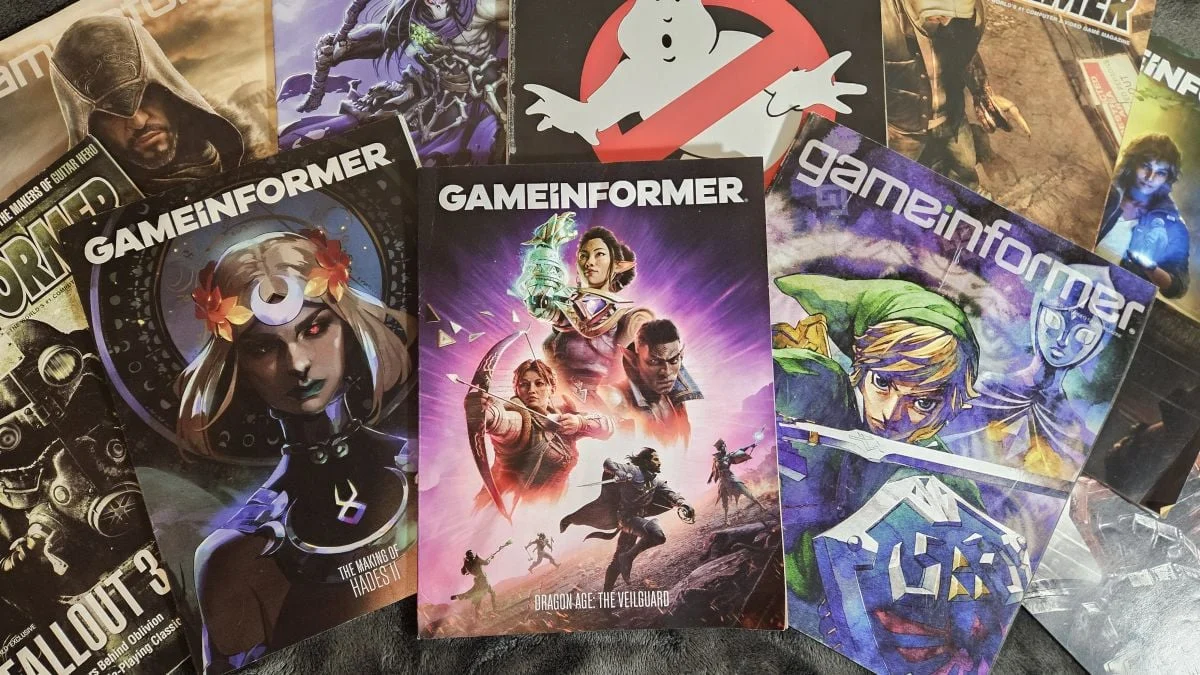
The landscape of video game journalism has been irrevocably altered today with the sudden closure of Game Informer, a publication that has served as a cornerstone of the industry for over thirty years. Parent company GameStop confirmed the decision this morning, bringing an end to both its print magazine and extensive online presence. This abrupt shutdown affects the entire editorial staff, who were informed of the decision by GameStop corporate and have been laid off.
Sources close to the publication indicate that the next issue of the magazine was reportedly nearing completion, with content director Kyle Hilliard noting that it was approximately 70% finished and was slated to feature a notable cover. The news was formally announced via Game Informer’s official social media channels, where the company stated, "While our presses may stop, the passion for gaming that we’ve cultivated together will continue to live on." This sentiment has been echoed by numerous former staff members who have shared their experiences and the news of the closure on their personal social media platforms, underscoring the profound impact Game Informer has had on their careers and the wider gaming community.
The origins of Game Informer trace back to 1991, when it began as a modest in-house newsletter published by FuncoLand, a now-defunct video game retailer. The publication’s trajectory shifted significantly in 2000 when GameStop acquired FuncoLand, thereby inheriting Game Informer. Under GameStop’s ownership, the magazine rapidly evolved into a key component of the company’s customer loyalty program, providing subscribers with exclusive content and early access to information, which in turn fueled its growth and influence.
A Legacy of Three Decades of Gaming Coverage
Game Informer’s impact on the gaming industry is undeniable, establishing itself as a leading voice and a trusted source of information for millions of players worldwide. The publication’s reach was so substantial that by 2010, it had achieved the remarkable feat of ranking as the fifth-largest magazine in the United States, surpassing esteemed publications like Time and Sports Illustrated. This impressive circulation figure highlights Game Informer’s immense popularity and its ability to capture the attention of a broad readership in an increasingly competitive media environment.
Over its extensive history, Game Informer navigated numerous challenges inherent to the media industry. It successfully adapted to the seismic shifts in print journalism, transitioned to a robust online presence, and weathered periodic restructuring and cutbacks from its parent company, GameStop. These internal adjustments at GameStop have often coincided with the retailer’s broader corporate strategies, including significant pushes into the burgeoning markets of NFTs and blockchain technology. These initiatives were part of GameStop’s broader effort to adapt and survive amid its well-documented volatility as a "meme stock" and the ongoing restructuring of its physical retail operations.
Despite these corporate pressures and industry-wide transitions, Game Informer consistently produced high-quality content, often distinguished by its iconic and memorable cover art. In a recent effort to bolster its print presence and reconnect with its readership, the magazine had embarked on a subscription service relaunch, signaling a commitment to its physical publication.
An Enduring Institution in Gaming Media
To characterize Game Informer as merely an institution might appear to be an overstatement, yet for a significant portion of the gaming community, it truly represented just that. For many individuals, including numerous seasoned games journalists, Game Informer served as their initial gateway into understanding and appreciating the craft of games writing. The magazine provided an immersive experience, offering a comprehensive deep dive into previews, reviews, in-depth features, and insightful analysis of the evolving gaming landscape. At its zenith, Game Informer was renowned for its visually striking covers, often featuring breathtaking and iconic artwork that perfectly encapsulated the anticipation and excitement surrounding major game releases.
Beyond its captivating visuals, Game Informer’s editorial content consistently delved into the heart of the industry, featuring the perspectives of the individuals who shape it. The publication regularly showcased thought-provoking opinion pieces, engaging interviews with developers and industry leaders, extensive feature articles, and a beloved "Letters from the Readers" section that fostered a sense of community and direct engagement with its audience. A personal reflection from one of the publication’s former contributors notes how revisiting old issues of Game Informer for a recent visual element brought back a flood of memories, underscoring the profound and lasting influence these early magazines had on their development as a writer.
The closure of Game Informer comes at a time when the video game industry is experiencing significant workforce reductions. Reports indicate that around 9,000 jobs were lost in the video game sector in 2023 alone, a trend that has continued into the current year. In this environment of persistent layoffs and the steady erosion of established media outlets, the disappearance of a long-standing bastion of games coverage like Game Informer leaves a void that is difficult to comprehend. The future of games journalism, in the face of such ongoing consolidation and disruption, remains a subject of considerable concern for industry observers and participants alike.
Historical Context and Chronology of Game Informer’s Journey
- 1991: Game Informer is founded as a short magazine and in-house newsletter by FuncoLand, a video game retailer.
- 2000: GameStop acquires FuncoLand, gaining ownership of Game Informer. The magazine becomes an integral part of GameStop’s customer loyalty program.
- Early 2000s – 2010s: Game Informer experiences significant growth, becoming a leading voice in video game journalism. Its print circulation reaches its peak.
- 2010: Game Informer is ranked as the 5th largest magazine in the United States, demonstrating its widespread appeal and influence.
- Throughout the 2010s and early 2020s: The publication navigates the declining print media market, adapts to the digital shift, and undergoes several rounds of staff reductions and restructuring initiated by GameStop. These changes occur amidst GameStop’s strategic pivots, including investments in NFTs and blockchain technology.
- Recent Past: Game Informer attempts to revitalize its print offerings by re-launching a subscription service.
- August 2024: GameStop announces the immediate closure of Game Informer, including its print magazine and online operations, resulting in the layoff of its entire editorial staff.
Supporting Data and Industry Trends
The closure of Game Informer reflects broader trends impacting the traditional media landscape, particularly within specialized journalism sectors. The print magazine industry has faced a sustained decline in advertising revenue and readership over the past two decades, exacerbated by the rapid rise of digital media and the increasing cost of physical production and distribution. While many publications have pivoted to digital-first models, the economics of online content creation, including the reliance on advertising, subscription models, and affiliate marketing, presents its own set of challenges.
Furthermore, the video game industry itself has seen significant consolidation in recent years, with major acquisitions and mergers impacting the media outlets that cover it. This consolidation, coupled with economic pressures, has led to a wave of layoffs and closures within games media. The numbers released for 2023, indicating approximately 9,000 job losses in the video game sector, underscore the precariousness of employment for many within the industry, extending beyond developers to journalists and support staff.
Game Informer’s status as a long-standing and well-respected publication made its closure particularly noteworthy. Its ability to achieve such high print circulation figures in the 2010s demonstrated a unique ability to connect with its audience. However, even established entities are not immune to the seismic shifts occurring in both the retail and media sectors. GameStop’s own volatile financial history and its attempts to reinvent itself have likely played a significant role in strategic decisions affecting its subsidiaries, including Game Informer. The company’s focus on new ventures, such as NFTs and digital asset marketplaces, may have led to a re-evaluation of its legacy media assets.
Official Responses and Industry Reactions
GameStop’s official statement, disseminated through Game Informer’s social media channels, provided a brief acknowledgment of the closure: "While our presses may stop, the passion for gaming that we’ve cultivated together will continue to live on." This statement, while attempting to frame the closure in a positive light, offers little in the way of detailed explanation for the abrupt termination of such a long-standing publication.
The reaction from the gaming community and former staff has been one of widespread shock, sadness, and nostalgia. Numerous former writers and editors have taken to platforms like X (formerly Twitter) to share personal anecdotes, express gratitude for their time at the publication, and commiserate with their colleagues. Many have highlighted Game Informer’s role in shaping their careers and their passion for video games. Industry figures, including developers and other media professionals, have also shared tributes to Game Informer’s legacy, acknowledging its significant contributions to game coverage and its impact on the industry as a whole. This outpouring of support underscores the deep connection many felt with the publication and the void its absence will create.
Broader Impact and Implications for Gaming Journalism
The closure of Game Informer represents a significant loss for the ecosystem of video game journalism. As a publication that offered extensive print and digital coverage, it provided a platform for in-depth features, critical analysis, and a consistent voice that resonated with a broad audience. Its demise, alongside other recent closures and staff reductions in the sector, raises concerns about the future diversity and depth of games media coverage.
The reliance on large corporate entities for funding and operations has always presented a potential vulnerability for specialized media outlets. When parent companies face financial pressures or undergo strategic shifts, their media subsidiaries can become casualties. This situation highlights the ongoing challenge for niche publications to maintain financial stability while adhering to journalistic integrity.
The loss of Game Informer’s experienced editorial team also means a dispersal of talent. These journalists, with their years of experience and established networks, will now be seeking new opportunities. While some may find roles within other media organizations or transition to other areas of the gaming industry, the collective expertise that was housed within Game Informer will be difficult to replicate. This event serves as a stark reminder of the precariousness of careers in media and the importance of supporting diverse and independent voices within the industry. The future of dedicated, long-form games journalism may increasingly depend on innovative funding models and a sustained commitment from both the industry and its audience to ensure its continued existence.