


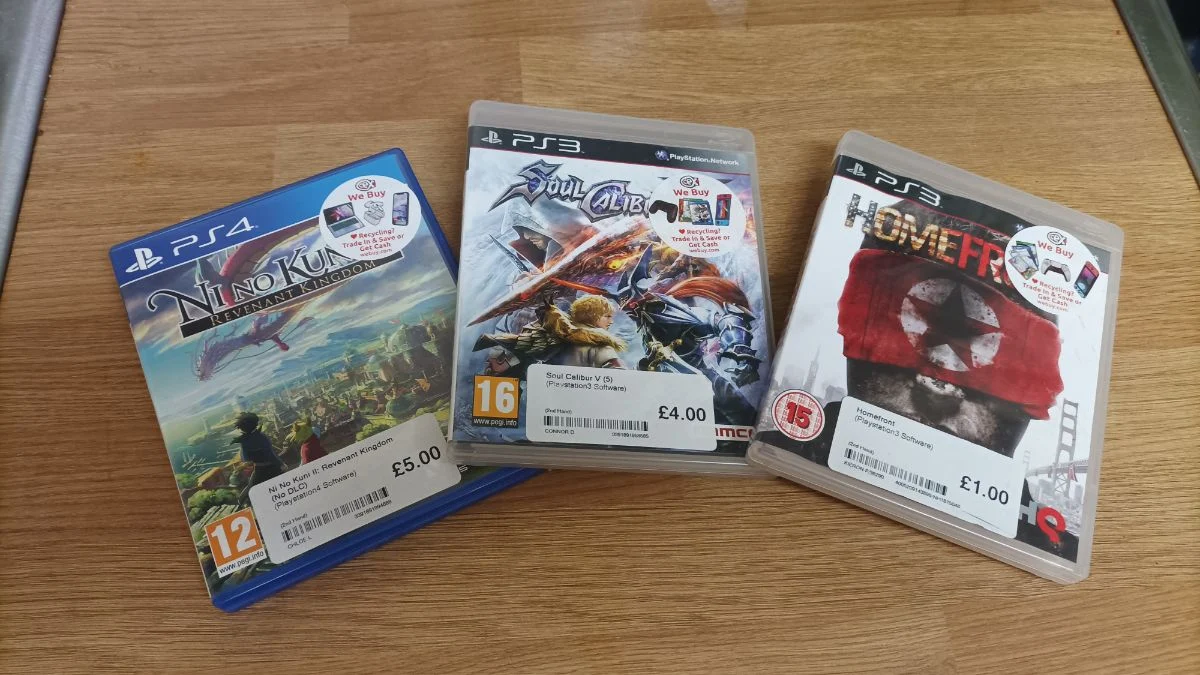
The weekend rush at a Milton Keynes CeX store offers a stark contrast to the quiet aisles of many North American GameStop locations, signaling a potential paradigm shift as GameStop announces its foray into a retro-focused retail model. This strategic pivot, reminiscent of the established success of the UK’s CeX chain, aims to recapture market share and customer engagement by tapping into the enduring appeal of older gaming hardware and software. While the initiative has been met with some skepticism, the precedent set by CeX suggests a viable path forward for the beleaguered gaming retailer, provided it can effectively cultivate a similar community and value proposition.
CeX, a ubiquitous presence across the United Kingdom, has cultivated a robust culture around the buying, selling, and trading of pre-owned games, movies, and technology for over three decades. Its stores, often found in bustling urban centers, are consistently vibrant hubs of activity. Customers can be observed queuing, eagerly sifting through shelves packed with a wide array of titles spanning generations, from the PlayStation 2 and original Xbox to the more recent PlayStation 4 and PlayStation 5. This widespread popularity is not confined to physical locations; a dedicated online community thrives around CeX, with YouTube channels like Retro Ghetto and TVM regularly producing content documenting their "hauls" and discoveries from the chain’s stores. This organic digital engagement underscores the deep-rooted appeal of CeX’s model, transforming the act of finding retro games into an engaging treasure hunt for enthusiasts. The chain’s transparent online platform, which details store inventory and trade-in values, further enhances customer convenience and trust, a stark contrast to the often opaque purchasing experience at traditional GameStop outlets.
In North America, the retail landscape for gaming has evolved differently. GameStop, historically a dominant force, has faced significant challenges in recent years, including declining foot traffic, the rise of digital game distribution, and a perceived lack of adaptation to changing consumer preferences. Anecdotal evidence from various regions suggests that many GameStop stores are characterized by an overabundance of merchandise like Funko Pop! figures, a dwindling selection of new game releases, and a general lack of customer presence for much of the day. This situation is exacerbated by the difficulty for North American consumers to acquire retro games at reasonable prices. Unlike the UK’s CeX, where pre-owned consoles and games are readily available and affordably priced, North Americans often resort to online marketplaces like eBay and Amazon, where prices can be inflated by resellers, and shipping costs add further expense. This barrier to entry has historically discouraged many from building retro game collections.
The announcement on August 28th that GameStop would be experimenting with a retro-focused retail strategy marks a significant departure from its established business model. According to reports, including a video analysis by the YouTube channel Spawn Wave, the implementation of this shift may have been rapid, with employees reportedly having limited preparation time. This swift transition suggests a sense of urgency within GameStop’s corporate leadership to address declining sales and market relevance. The company’s move into the retro market is a direct response to the growing demand for older gaming systems and titles, a niche that has seen a resurgence in popularity, driven by nostalgia and the desire for unique gaming experiences not readily available on modern platforms.
A Timeline of GameStop’s Evolving Strategy
GameStop’s journey towards a retro-focused model can be seen as a response to a series of market shifts and internal challenges.
- Early 2000s – Dominance in New and Used Games: GameStop solidified its position as the primary destination for new and used video game sales in North America, benefiting from the console generations of the PlayStation 2, Xbox, and GameCube.
- Mid-2010s – The Rise of Digital Distribution: The increasing prevalence of digital game downloads began to erode GameStop’s traditional revenue streams, particularly from new game sales and trade-ins.
- Late 2010s – Growing Interest in Retro Gaming: A discernible surge in interest for retro consoles and games emerged, fueled by nostalgia, collector communities, and the accessibility of online marketplaces. Independent retro game stores began to see increased traffic.
- Early 2020s – Financial Struggles and Market Scrutiny: GameStop faced significant financial headwinds, culminating in the widely publicized "meme stock" phenomenon in early 2021, which temporarily boosted its stock price but highlighted underlying business model vulnerabilities.
- August 2023 – Announcement of Retro Store Initiative: GameStop publicly revealed its plan to convert a select number of stores into retro-focused outlets, signaling a strategic pivot to capitalize on the retro gaming market. This initiative aims to differentiate GameStop from competitors and potentially attract a dedicated customer base.
The CeX Advantage: A Blueprint for Success?
CeX’s sustained success offers a compelling case study for GameStop’s retro ambitions. For over thirty years, CeX has meticulously built a business model that thrives on the circular economy of pre-owned goods. The company’s strategy hinges on several key pillars:
- Competitive Trade-In Values: CeX offers customers a straightforward and generally fair trade-in value for their used games, movies, and electronics. This encourages a constant influx of inventory and provides customers with immediate credit towards new purchases.
- Diverse Product Offering: Beyond video games, CeX also deals in used DVDs, Blu-rays, CDs, mobile phones, laptops, and other electronics. This broad appeal attracts a wider demographic and diversifies revenue streams.
- Physical Store Network and Community: The presence of numerous physical stores, particularly in high-traffic urban areas, provides accessibility and a tangible shopping experience. This network fosters a sense of community among shoppers and collectors.
- Transparent Pricing and Inventory: The CeX website provides real-time stock information for individual stores and clearly displays trade-in and selling prices. This transparency builds trust and allows customers to plan their visits effectively.
- Nostalgia and Collectibility: By stocking a wide range of retro consoles and games, CeX taps into the powerful force of nostalgia and the burgeoning market for collectible items. This appeal extends beyond casual gamers to dedicated collectors.
The economic implications of CeX’s model are significant. For consumers, it represents an affordable entry point into gaming and entertainment, allowing them to acquire a vast library of titles without the prohibitive costs associated with new releases. For the company, it ensures a consistent supply of marketable inventory, purchased at a lower cost than new goods, and sold at a profit margin that supports its operations. Furthermore, the culture fostered around CeX, with its active online communities and dedicated content creators, demonstrates the potential for a retailer to become more than just a transactional space; it can become a cultural touchstone.
GameStop’s Retro Gamble: Potential and Pitfalls
The success of GameStop’s retro initiative hinges on its ability to replicate the key elements that have made CeX a retail powerhouse. The company’s announcement indicates a recognition of the demand for pre-owned gaming. Early observations from Spawn Wave suggest that GameStop Retro locations may offer competitive pricing, with some finding the prices "not terrible" when compared to online resellers like eBay, especially considering the often-inflated prices at conventions. This suggests a potential for GameStop to undercut some of the market’s less transparent pricing structures.
However, significant challenges lie ahead. The rapid implementation of the retro model, with employees reportedly having limited preparation time, could lead to inconsistencies in store operations and customer service. Furthermore, GameStop’s corporate reputation, particularly in light of actions such as the shutdown of Game Informer and subsequent layoffs, may present an obstacle to building the kind of genuine customer loyalty that CeX has cultivated. Rebuilding trust and fostering a positive community will be paramount.
Analysis of Implications
The shift towards a retro-focused model by GameStop could have several far-reaching implications for the gaming industry:
- Increased Accessibility for Retro Gaming: If successful, GameStop Retro could significantly improve the accessibility and affordability of retro games for North American consumers. This could lead to a broader appreciation for gaming history and a wider audience for classic titles.
- Competition for Online Marketplaces: By offering competitive pricing and a physical retail presence, GameStop Retro could pose a challenge to online marketplaces like eBay and Amazon, which currently dominate the retro game market.
- Potential for a Gaming Retail Revival: The success of this initiative could signal a broader trend in gaming retail, demonstrating that brick-and-mortar stores can thrive by catering to specific, passionate niches rather than solely focusing on new releases.
- Impact on Independent Retro Stores: While GameStop’s move could benefit the retro market overall, it might also create increased competition for smaller, independent retro game stores that have long served this community.
- Brand Perception and Loyalty: GameStop’s ability to execute this strategy effectively will be closely watched. A successful retro revival could help to rehabilitate the company’s brand image and re-establish customer loyalty. Conversely, a failure could further solidify its position as a struggling retailer.
The comparison between the bustling CeX stores in the UK and the often-empty GameStop outlets in North America is not merely anecdotal; it highlights a fundamental difference in retail strategy and customer engagement. CeX has successfully transformed the act of buying and selling pre-owned goods into a cultural experience, leveraging nostalgia, affordability, and community. GameStop’s foray into the retro market is a high-stakes gamble, a calculated attempt to leverage these same principles. Whether this retro revival can truly revitalize the company remains to be seen, but the blueprint for success, as demonstrated by CeX, is undeniably present. The coming months will reveal if GameStop can successfully navigate the complexities of this nostalgic market and forge a new path for its retail future.