


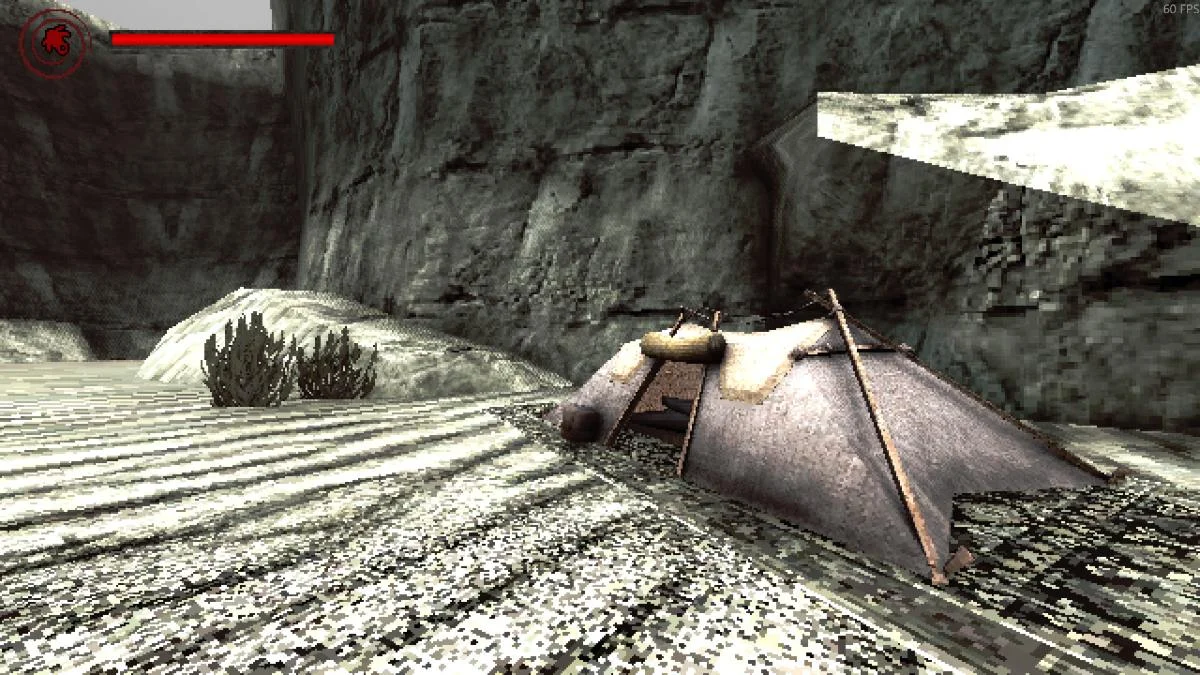
The shadowy depths of the ruins in the indie title Idols of Ash present a chilling gauntlet where players confront not only the physical dangers of precarious ledges and dwindling oxygen but also the harrowing internal struggles of their protagonist. The game, developed by Leafy Games and available on Steam, crafts an experience that transcends typical survival mechanics, delving into psychological themes of grief, guilt, and the arduous journey towards self-acceptance. This analysis aims to explore the intricate lore, the enigmatic antagonist, and the poignant narrative conclusions presented within this unique digital exploration.
The Perilous Descent: Navigating Physical and Psychological Terrain
At its core, Idols of Ash presents a seemingly straightforward premise: a relentless descent into a mysterious ruin with an ever-present pursuer. However, the game’s title itself hints at a deeper, more symbolic narrative. The protagonist is on a quest for "idols," artifacts that promise solace amidst the perilous plunge. This descent is not merely physical; it is a profound mental excavation, a descent into madness as the protagonist grapples with inner turmoil. Rappelling through the remnants of a lost civilization, a place inhabited by a grotesque creature and the macabre remnants of previous travelers entombed in mummified cocoons, Idols of Ash can be interpreted as a deeply personal journey through the stages of grief, a confrontation with depression, or an existential exploration of the self.
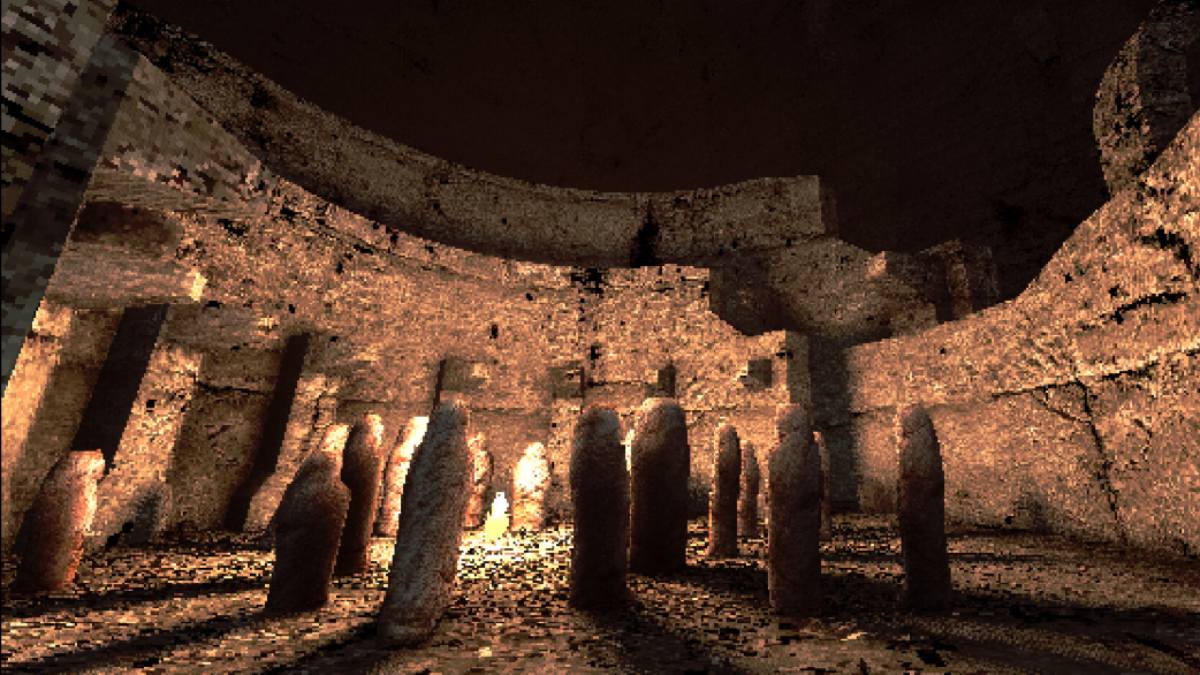
The narrative appears to be propelled by profound grief. The protagonist, haunted by loss, has sought out this fabled location, rumored to offer a path to peace. Yet, the journey comes with a grave warning: the ruins are rife with illusions designed to ensnare the mind in false realities. Driven by the hope of finding a lost loved one, perhaps for closure or to reunite with them in some ethereal plane, she navigates a landscape that mirrors her internal state. Visions of the home she left behind flicker and distort, a testament to her desperate search for meaning, understanding, and perhaps, a fragment of herself. Her singular focus is on reconnecting with "her," a figure whose memory has become twisted and corrupted by guilt. With each step deeper into the ruins, she inches closer to mending this fractured memory and achieving self-forgiveness, a journey that underscores the impossibility of apologizing to a spectral presence.
The Enigmatic Centipede: Manifestation of Loss or Internalized Guilt?
A central element of the game’s dread is the relentless pursuit by a creature referred to as the "centipede." This entity, however, is not presented as a conventional living being. One prevailing interpretation suggests it is a manifestation of all life that has attempted and failed to conquer the ruins, a spectral accumulation of lost souls. This interpretation draws parallels to the unsettling body horror often explored in the works of Junji Ito, particularly his short story "My Dear Ancestors." The centipede, in this context, is an apparition that grows in stature and malevolence with each soul it claims, becoming faster, more cunning, and insatiably hungry. The ruins are littered with the mummified cocoons of past explorers, their forms eerily resembling piles of ash molded into grotesque figures. These husks are believed to retain a semblance of life essence, serving as a grim resource for the protagonist to regain vitality, a macabre reminder of the fates that have befallen others.
An alternative, and perhaps more psychologically resonant, interpretation posits the centipede as the literal embodiment of the protagonist’s guilt. Its immediate appearance upon her entry into the ruins suggests it is a construct born from the overwhelming weight of depression, loss, and remorse that has shadowed her journey. The creature’s disappearance only upon reaching the depths of the ruins implies that finding peace is intrinsically linked to confronting and overcoming this internalized torment. It is also plausible that the centipede represents a confluence of both interpretations: the hallucinatory effects of the "idols of ash" intermingling with the tangible manifestation of her psychological distress. The immediate appearance of the monster after inhaling the first wisps of ash further supports this symbiotic relationship. It is highly probable that any individual entering these ruins, burdened by darkness, is pursued by a spectral shadow. While its form may vary, the centipede in Idols of Ash serves as a potent catalyst, driving its victim towards an inevitable confrontation at the ruin’s deepest point.
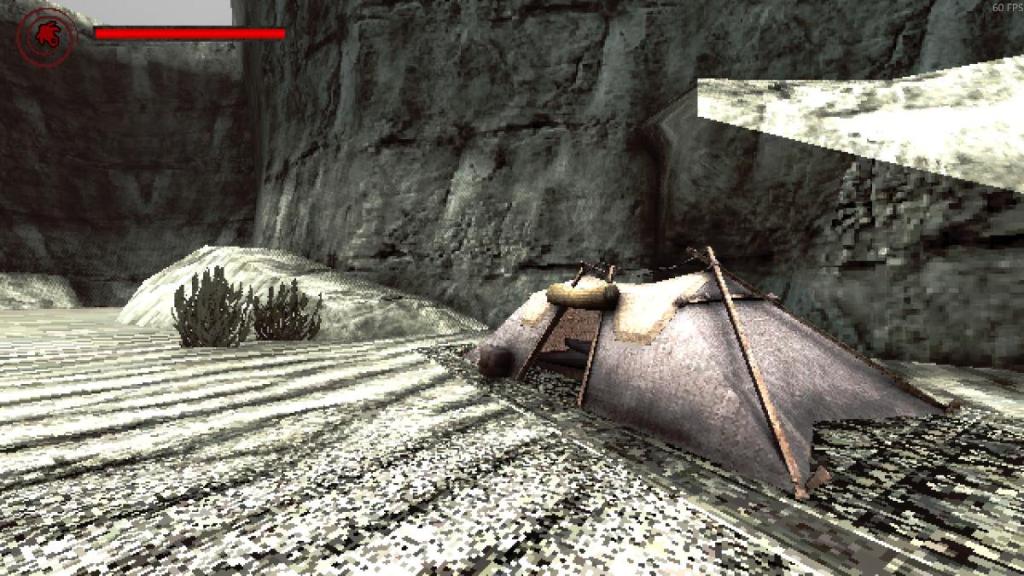
The physical description of the centipede adds another layer of unsettling detail. While its general shape and insectoid face evoke a sense of the familiar, closer inspection reveals disturbing anomalies. Human-like arms emerge from its facial region and underbelly, juxtaposed with spider-like legs that grant it unnerving speed and agility. Its vocalizations are equally disturbing: intense, rhythmic slurping and hissing sounds, punctuated by erratic breathing that intensifies as it closes in, a visceral depiction of its predatory desperation. Most peculiar, however, is the faint, mechanical ticking emanating from its legs, reminiscent of a winding clock. This auditory cue subtly underscores the protagonist’s dwindling time, adding a ticking clock element to her already desperate flight.
The Bittersweet Conclusion: Solace Found in the Embrace of Loss
The ending of Idols of Ash, irrespective of the player’s philosophical outlook, is undeniably imbued with a sense of both bittersweetness and melancholy. Through prolonged exposure to the "idols of ash," the protagonist succumbs to what appears to be a form of asphyxiation. The continuous inhalation of the enchanted ash triggers potent memories directly tied to the pain that led her to these desolate ruins. These vivid hallucinations serve to further propel her into the depths, where the air grows increasingly thin. This combination of toxic fumes and diminishing oxygen ultimately leads to the cocoon-like state observed in the numerous other explorers who met a similar fate.
The final moments depict the protagonist’s body, now mummified by the pervasive ash, being gently held by an apparition of the very woman she had been desperately searching for. In this spectral embrace, she finds a measure of solace and peace. However, this tranquility is achieved through a cruel deception of her own mind, a desperate hope to reclaim someone irrevocably lost. Whether the protagonist surrendered to her fate, understanding the inherent risks, or consciously accepted her end, remains a profound question left to the player’s interpretation, a testament to the game’s sophisticated narrative design.

The development of Idols of Ash can be traced back to the growing interest in indie games that explore complex psychological themes. The game’s release on Steam in [Insert Approximate Release Year if known, otherwise omit or state "recent times"] marked its entry into a market increasingly receptive to narrative-driven experiences that challenge traditional gameplay loops. The studio, Leafy Games, has been noted for its commitment to creating atmospheric and emotionally resonant titles, and Idols of Ash appears to be a significant culmination of this artistic vision. The visual style, characterized by its dark and oppressive aesthetic, coupled with the haunting sound design, further amplifies the game’s unsettling atmosphere, contributing to its critical reception among players seeking a more introspective gaming experience. The deliberate use of limited visual cues and environmental storytelling encourages players to piece together the narrative, fostering a deeper engagement with the protagonist’s plight.
The implications of Idols of Ash‘s narrative extend beyond the confines of the game itself. It serves as a powerful allegory for the human struggle with grief and the often-painful process of healing. The game highlights how unresolved trauma can manifest in destructive ways, leading individuals down paths of self-imposed isolation and psychological torment. The metaphor of the ruins and the pursuing entity can be seen as a representation of the cyclical nature of despair, where confronting one’s inner demons is a prerequisite for any hope of liberation. The game’s exploration of guilt, particularly in the context of perceived responsibility for a loved one’s death, offers a nuanced perspective on the complexities of human emotion and the arduous journey towards self-forgiveness. By presenting a narrative where external forces are inextricably linked to internal states, Idols of Ash prompts players to reflect on their own experiences with loss and the strategies they employ to navigate emotional hardship. The game’s success suggests a growing audience for interactive media that tackles such profound and often difficult subjects, signaling a potential shift in the landscape of video game storytelling towards more mature and psychologically resonant themes.