


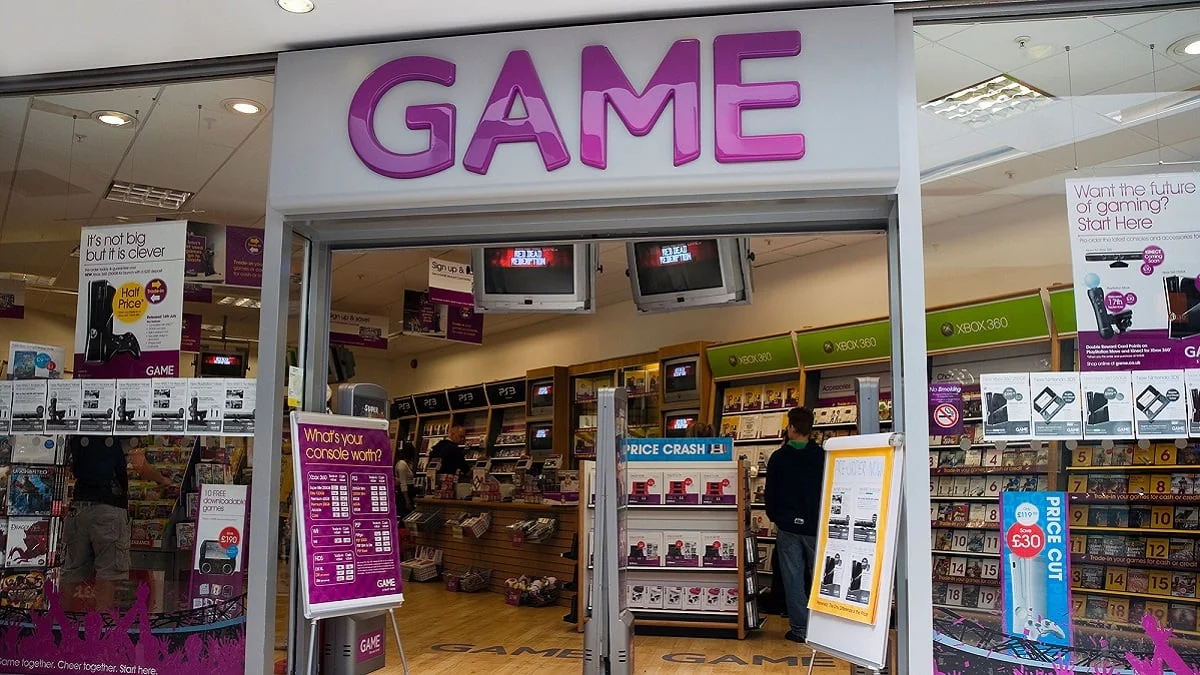
The United Kingdom’s video game retail landscape is once again facing significant upheaval, with reports indicating that staff at the prominent retailer GAME are being alerted to potential redundancies. This development underscores a challenging period for the industry, marked by widespread layoffs and studio closures over the past year. While an official statement from GAME is still pending, anonymous sources speaking to Eurogamer have revealed that employees are being prepared for potential job losses. Adding to the uncertainty, it is understood that a substantial portion of the remaining workforce is being transitioned to zero-hours contracts, a move that offers no guaranteed weekly or monthly hours and significantly alters employment security.
Background: A Shifting Retail Environment
For decades, GAME served as a cornerstone of physical video game retail in the UK. Established in 1992, the company grew to operate over 250 outlets nationwide, becoming the go-to destination for many gamers seeking the latest releases, accessories, and a tangible connection to their hobby. The image of browsing shelves stocked with PlayStation and Xbox titles was a familiar and comforting sight for a generation of players. However, the inexorable rise of digital distribution has fundamentally reshaped the gaming market, presenting significant challenges to businesses reliant on physical media sales.
The shift towards digital downloads, facilitated by online storefronts like Steam, PlayStation Store, and Xbox Games Store, has diminished the need for consumers to visit brick-and-mortar stores. This trend has been further amplified by the increasing prevalence of digital-only consoles and the convenience of instant game access. Consequently, many traditional video game retailers have struggled to adapt, facing declining footfall and reduced sales volumes.
Chronology of Challenges and Ownership Changes
The current situation at GAME is not an isolated incident but rather a culmination of sustained pressures on the physical retail sector. By 2019, the financial strain had become acute, leading to the company being acquired by the Frasers Group, a major British retail conglomerate perhaps best known for its ownership of Sports Direct. This acquisition signaled a period of restructuring and attempts to stabilize the business.
More recently, earlier this year, GAME announced the cessation of its popular trade-in service. This service, which allowed customers to exchange old games and consoles for credit towards new purchases, was a significant driver of customer engagement and provided a steady stream of pre-owned stock. Its discontinuation further signaled a strategic shift and a likely reevaluation of the company’s core offerings and operational model. The current reports of potential redundancies and the move to zero-hours contracts suggest that these earlier measures may not have been sufficient to avert further significant operational changes.
The Impact of Zero-Hours Contracts
The reported transition of most non-managerial staff to zero-hours contracts represents a substantial alteration to their working conditions. Unlike traditional employment contracts that guarantee a minimum number of hours and associated pay, zero-hours contracts offer flexibility for employers but leave employees with precarious income and limited ability to plan their finances. This lack of guaranteed work can have profound implications for individuals, affecting their ability to secure loans, rent accommodation, and maintain financial stability.
For employees, this move can translate into significant uncertainty. While some may welcome the flexibility if they have other commitments, for many, it means a constant need to be available for work without the assurance of regular shifts. This can create a stressful environment where income fluctuates unpredictably, making long-term planning difficult. The transition also raises questions about employee benefits, such as sick pay and holiday entitlement, which are often less comprehensive or absent for those on zero-hours contracts.
Anonymous Accounts and Internal Communication
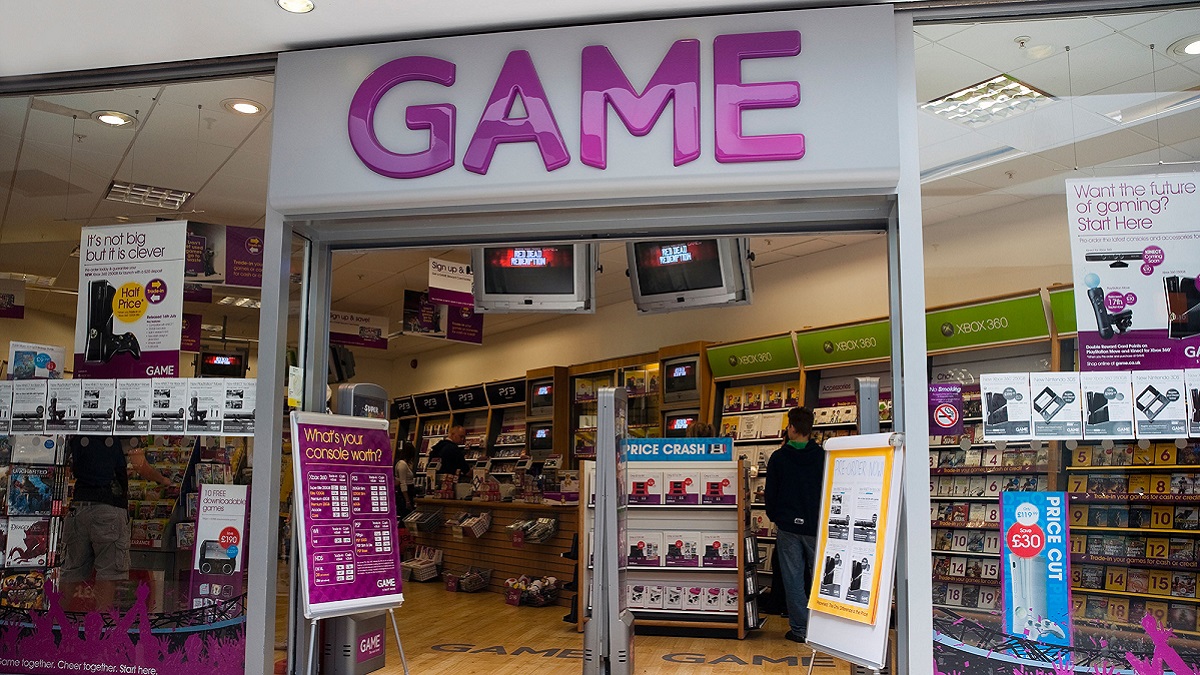
The information regarding these potential layoffs and contract changes has primarily emerged through anonymous communications from GAME staff to news outlets like Eurogamer. These individuals have expressed concerns about their job security and the implications of their employment status being redefined. According to these reports, staff members are being informed about their individual job statuses through direct contact, typically via phone or email, indicating a personalized approach to communicating these potentially significant changes.
The fact that the news is being disseminated through anonymous sources, rather than an official company announcement, suggests a cautious or perhaps strategic approach by GAME’s management. While Eurogamer has reportedly reached out to GAME for an official comment, the absence of a public statement at the time of reporting leaves room for speculation and amplifies the anxiety among affected employees.
Analysis: The Broader Implications for Physical Retail
The situation at GAME is emblematic of a wider trend affecting physical retail across various sectors, not just in the UK but globally. The digital revolution has irrevocably altered consumer behavior, and businesses that fail to adapt to these evolving preferences face an existential threat. For video game retailers, the challenge is particularly acute due to the industry’s rapid embrace of digital delivery.
The implications of these potential layoffs extend beyond the immediate impact on the affected employees. It signals a further contraction of the physical retail footprint for video games in the UK. This could lead to reduced consumer choice in terms of where to purchase games and potentially a less vibrant high street presence for the gaming community. Furthermore, it raises questions about the long-term viability of physical game stores and the services they provide, such as expert advice, community events, and the tactile experience of browsing and purchasing games.
The move to zero-hours contracts, while potentially offering cost savings for the company, also risks impacting staff morale and loyalty. A workforce operating under constant uncertainty may be less engaged and motivated, which could, in turn, affect customer service. The long-term consequences of such employment practices are a subject of ongoing debate, with concerns often raised about worker exploitation and the erosion of employment rights.
Industry Context: A Troubled Year for Gaming
It is crucial to contextualize the news from GAME within the broader struggles currently facing the video game industry. The past year has been characterized by a significant wave of layoffs across major game development studios, publishers, and associated tech companies. Companies like Microsoft, Sony, Activision Blizzard, Electronic Arts, and numerous independent studios have all announced substantial workforce reductions. These cuts have often been attributed to factors such as over-hiring during the pandemic-driven boom, economic uncertainties, and the increasing cost of game development.
This industry-wide retrenchment creates a challenging environment for all players, including retailers. When development budgets are under pressure and new game releases may be fewer or less impactful, consumer spending can be affected, trickling down to the retail sector. The consolidation of ownership within the industry, with major acquisitions like Microsoft’s purchase of Activision Blizzard, also contributes to shifts in market dynamics that can have ripple effects.
Looking Ahead: Uncertainty and Potential Futures
The future of GAME as a physical retail entity remains uncertain. The acquisition by Frasers Group provided a lifeline, but the ongoing challenges suggest that fundamental restructuring is still underway. The cessation of the trade-in service and the potential for widespread redundancies indicate a strategic reassessment of the company’s business model.
Whether GAME can successfully navigate the transition to a more digitally focused or streamlined operational model remains to be seen. The success of such a transition will likely depend on its ability to innovate, adapt to changing consumer habits, and maintain a motivated and skilled workforce, even in the face of challenging employment conditions. For the employees facing potential layoffs and the shift to zero-hours contracts, the immediate future is one of significant personal and professional uncertainty, reflecting the turbulent times currently experienced by many in the video game industry. The lack of a definitive statement from GAME leaves stakeholders, employees, and industry observers awaiting further clarity on the company’s strategic direction and its commitment to its workforce.