



The global economy has experienced significant volatility in recent years, with widespread inflation impacting consumer purchasing power across various sectors. According to recent economic reports, inflation rates in many developed nations have reached multi-decade highs, driven by factors such as supply chain disruptions, geopolitical conflicts, and increased energy costs. This economic pressure directly translates into higher prices at the grocery store, for utilities, and for housing, leaving less disposable income for leisure activities. Consequently, consumers are actively seeking ways to economize on non-essential expenditures, and the video game market, despite its continued growth, is not immune to this trend. With AAA game titles frequently launching at prices ranging from $60 to $70 USD, and often more for special editions, the cumulative cost of maintaining an active gaming habit can quickly become substantial. This economic backdrop underscores the critical importance of informed consumer choices and strategic acquisition methods within the gaming community.
The Unconventional Goldmine: Public Libraries and Peer-to-Peer Lending
One of the most overlooked yet highly effective methods for accessing video games without cost is through local public libraries. Historically bastions of literary resources, modern libraries have evolved into dynamic community hubs, often expanding their collections to include a vast array of digital and physical media, including video games. This adaptation reflects a broader understanding of libraries’ role in providing accessible entertainment and educational resources to diverse populations. Many public library systems, such as the Edmonton Public Library cited in the original report, offer extensive game catalogs for various platforms, including PlayStation, Xbox, and Nintendo Switch.
The process typically involves a free library membership, granting access to a lending system similar to that for books or movies. While popular new releases might entail a waiting period, often a few weeks to a month after their initial launch, this minor delay is a small trade-off for completely free access. For gamers interested in exploring back catalogs, catching up on acclaimed franchises like Resident Evil or Fire Emblem, or simply trying out a title before committing to a purchase, libraries present an invaluable resource. This model not only saves money but also fosters community engagement and supports public institutions. According to a 2022 survey by the American Library Association, over 60% of public libraries now offer video games for loan, a testament to their growing relevance in the digital entertainment landscape. This trend demonstrates a significant shift in how libraries perceive their mandate, moving beyond traditional media to embrace contemporary forms of cultural consumption.
Beyond institutional lending, informal peer-to-peer networks represent another powerful, cost-free avenue: borrowing from friends. This age-old practice remains highly relevant in the gaming world. If a friend has recently completed a game like Call of Duty: Modern Warfare 3 and moved on to another title such as Diablo 4, a simple request to borrow their copy can provide immediate, free access. This method thrives on trust and mutual respect within social circles, emphasizing the communal aspect of gaming. It’s essential to establish clear terms for borrowing, including expected return dates, to maintain good relationships. This approach not only saves money but also encourages social interaction and sharing among gamers, reinforcing the idea that gaming can be a shared experience rather than a solitary, consumption-driven hobby.
Strategic Acquisition: Navigating Digital and Physical Marketplaces
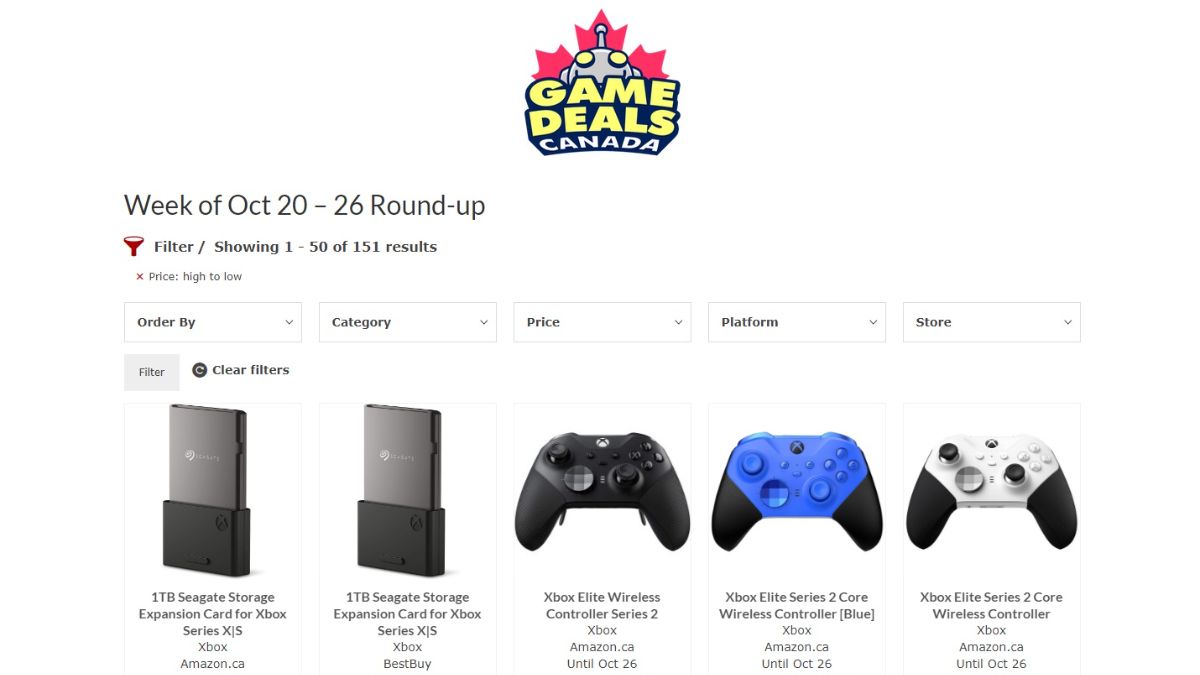
The digital age has ushered in an unprecedented level of transparency and competition in game pricing, empowering consumers with tools to find the best deals. Dedicated deal-searching websites and online communities have become indispensable resources for budget-conscious gamers. Platforms like Cheap Ass Gamer and Game Deals Canada meticulously compile sales information from various retailers, often providing real-time updates on price drops, bundle offers, and special promotions. These sites are particularly valuable during major retail events such as Black Friday, Cyber Monday, and seasonal sales (e.g., Steam Summer Sale, PlayStation Store Holiday Sale), where discounts can often reach 50-75% off original prices.

Reddit, a hub for countless niche communities, hosts highly active subreddits like r/GameDeals and r/NintendoSwitchDeals. These communities leverage the collective power of thousands of users to discover, share, and verify game sales. Members often provide immediate feedback on the quality of deals, regional availability, and historical price data, offering a level of scrutiny and detail unmatched by automated systems. This crowdsourced approach ensures that gamers have access to the most up-to-date and reliable information, enabling them to make informed purchasing decisions and capitalize on fleeting offers. Industry analysts note that these community-driven platforms play a significant role in shaping consumer expectations around pricing, pushing retailers to offer competitive discounts.
The rise of online marketplaces for used goods has also created a vibrant secondary market for video games. Facebook Marketplace, in particular, has become a popular platform for individual sellers to offload their pre-owned titles. Unlike traditional game retailers, which often offer modest trade-in values and resell at higher markups, individual sellers on platforms like Facebook Marketplace frequently list games at significantly lower prices, especially for recently released titles. For instance, finding games like Final Fantasy XVI or Armored Core VI: Fires of Rubicon for $60 CAD ($45 USD) just months after their release, as observed in the original report, highlights the substantial savings possible. This dynamic market rewards swift action, as popular titles at good prices tend to sell quickly. While offering considerable savings, buyers must exercise caution to verify the condition of games and the legitimacy of sellers, often through local pickup and inspection.
The Bundle Economy: Maximizing Value Through Curated Collections
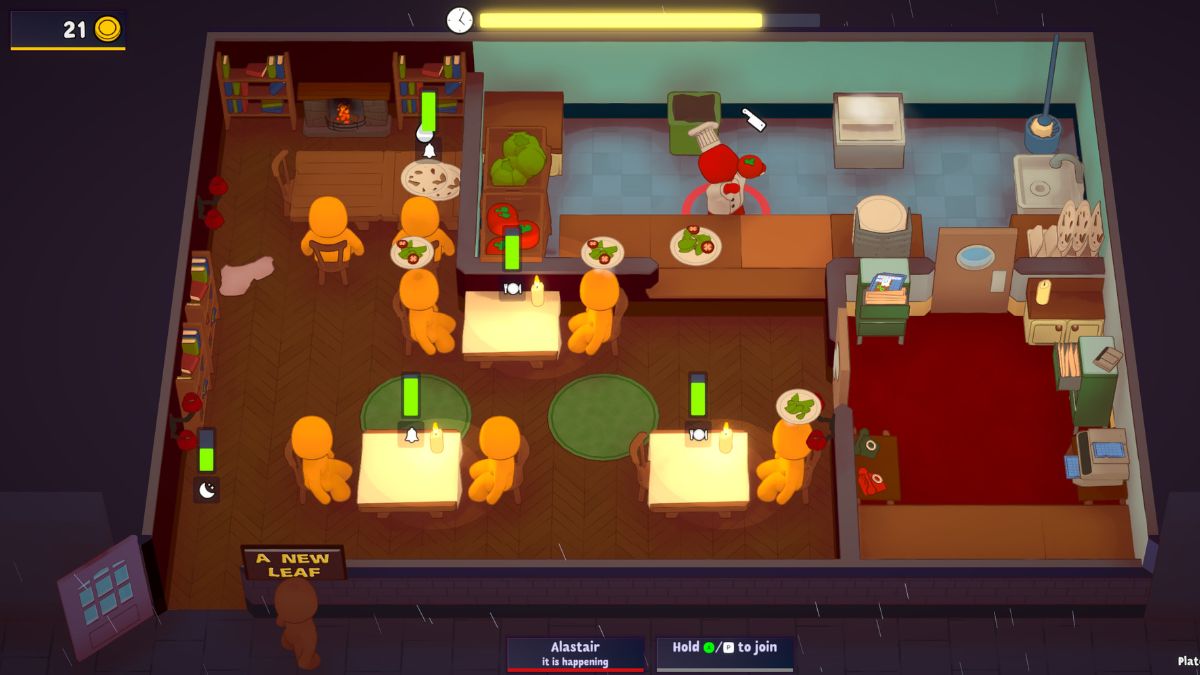
For PC gamers, game bundles represent an exceptionally cost-effective method of acquiring multiple titles for a fraction of their individual retail prices. Retailers like Humble Bundle and Fanatical have pioneered this model, offering curated collections of games, often centered around a theme, genre, or publisher, at deeply discounted rates. Humble Bundle, known for its strong philanthropic component, allows customers to decide how much of their purchase goes to charity, providing a compelling incentive for socially conscious gamers. For example, a "Laugh Till You Die: Multiplayer Mayhem" charity bundle in October 2023 offered seven popular games, including PlateUp! and Ultimate Chicken Horse, for approximately $10 USD. Given that PlateUp! alone typically retails for $19.99 USD, the value proposition is undeniable. Over the years, Humble Bundle has raised hundreds of millions of dollars for various charities, demonstrating the power of this model to benefit both consumers and philanthropic causes.
Fanatical operates on a similar principle but often provides more customization, allowing users to "build their own bundle" by selecting a certain number of games from a predefined list for a set price. For instance, a "Build Your Own Play As You Go Premium Edition" bundle might offer critically acclaimed titles such as Wolfenstein II: The New Colossus, Doom, The Walking Dead: The Telltale Series – The Final Season, and The Ascent. A selection of three games might cost around $10, while seven games could be secured for approximately $20. This flexibility allows gamers to tailor their bundles to their specific interests, avoiding unwanted titles and maximizing perceived value. The game bundle market has fundamentally altered consumer expectations for digital game pricing, particularly for indie and older AAA titles, by demonstrating the immense value achievable through bulk purchasing. Data from these platforms indicates that gamers can often acquire games worth hundreds of dollars for under $30, making bundles a cornerstone of budget gaming strategies.
The Subscription Revolution: Gaming as a Service
Perhaps the most transformative shift in video game consumption, offering unparalleled value, comes from subscription services. Models like Xbox Game Pass and PlayStation Plus Extra have fundamentally reshaped how gamers access and play titles, often referred to as the "Netflix of gaming." For a monthly fee typically under $20, subscribers gain access to extensive libraries of games, effectively transforming gaming from a product-ownership model to a service-access one.
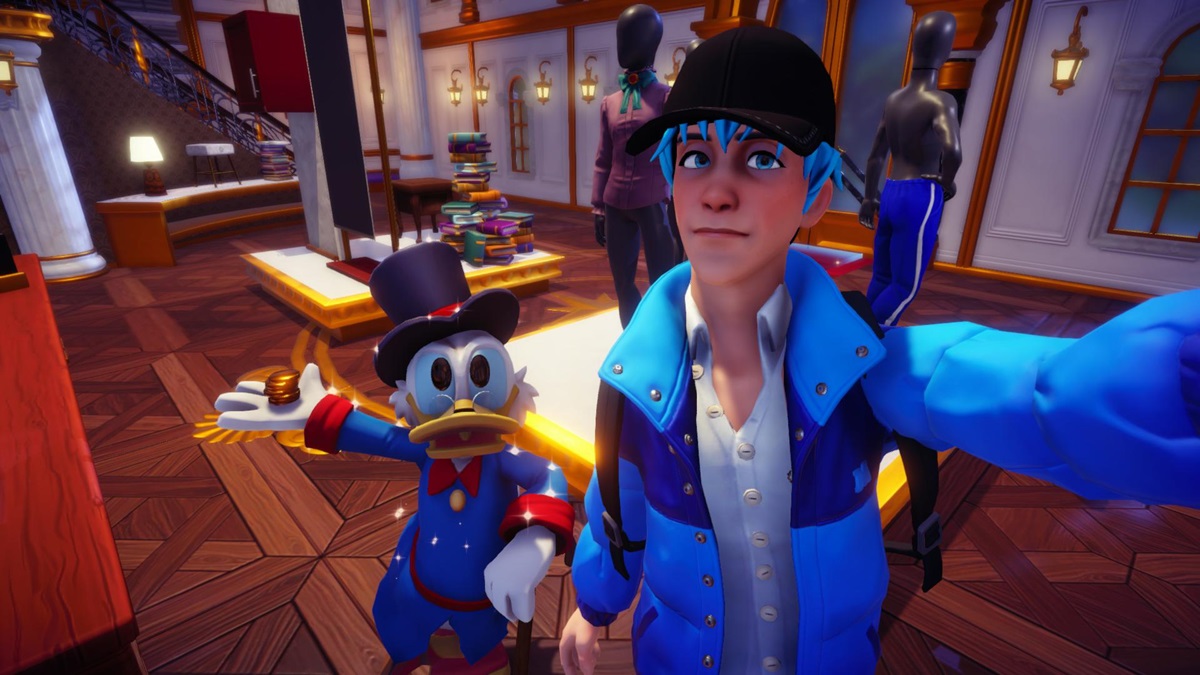
Xbox Game Pass, often cited as the industry leader in this space, boasts a vast and continually updated library, including major first-party titles launching day-one on the service. High-profile examples include Starfield and Lies of P, which debuted directly on Game Pass, saving subscribers the full retail price. The service also provides access to entire flagship franchises like Halo and Gears of War, alongside a rich selection of acclaimed indie titles such as Celeste and Inside, and family-friendly options like Disney Dreamlight Valley. Microsoft’s aggressive strategy with Game Pass is widely seen by industry analysts as a long-term play to expand its ecosystem, drive hardware sales, and foster deep customer loyalty. The service has accumulated tens of millions of subscribers globally, indicating its significant impact on consumer behavior and the broader gaming market. Its integration with cloud gaming further enhances accessibility, allowing play across various devices without dedicated hardware.
PlayStation Plus Extra, Sony’s answer to Game Pass, offers a similarly compelling value proposition. While its first-party new releases typically do not launch day-one on the service, its catalog is rich with critically acclaimed titles. Subscribers can delve into games like Ratchet & Clank: Rift Apart, Demon’s Souls (PS5), and Marvel’s Spider-Man: Miles Morales. The service also provides an excellent opportunity to catch up on games that may have been missed, such as NieR Replicant, which joined the PlayStation Plus Extra lineup. This service allows PlayStation owners to significantly expand their playable library for a fixed monthly cost, providing an economical alternative to individual game purchases. The competition between Xbox Game Pass and PlayStation Plus Extra has created a robust market for subscription services, pushing both companies to continuously enhance their offerings, ultimately benefiting the consumer with more games for less money. Other notable subscription services include EA Play (offering access to Electronic Arts’ catalog), Ubisoft+ (for Ubisoft titles), and Nintendo Switch Online (primarily for online play and a selection of classic retro games).
Unearthing Value: Thrift Stores, Retailer Promotions, and Loyalty Programs
Beyond the digital realm, traditional physical retail channels and loyalty programs continue to offer tangible savings. Thrift stores and pawn shops, often overlooked by mainstream gamers, can be surprising treasure troves for both modern and retro titles. While requiring patience and frequent visits, these establishments occasionally yield significant finds. For example, a game like Mario Tennis Aces, known for retaining its value on the Nintendo Switch, might be found at a pawn shop for $35 CAD ($25 USD), a substantial discount from its typical retail price. For collectors, thrift stores can unearth rare retro gems, such as valuable PlayStation 2 ports like Harry Potter and the Sorcerer’s Stone, demonstrating the potential for both savings and discovery. This method supports a circular economy for physical media, giving games a second life and offering consumers unique opportunities.
Retailer flyers and online deals pages remain a fundamental component of strategic game purchasing. Despite the digital shift, many retailers, particularly in regions like Canada, continue to publish weekly flyers advertising sales. Even in markets where physical flyers are less prevalent, major retailers like Walmart and Amazon maintain dedicated "deals" or "sales" sections on their websites. These sections frequently feature significant discounts on popular titles. For example, a casual check on a random October night revealed Yoshi’s Crafted World for $10 off and The Legend of Zelda: Link’s Awakening for $20 off on Walmart’s website. These consistent, if less dramatic, price reductions allow savvy shoppers to plan purchases around known sales cycles, especially for evergreen titles that rarely see deep discounts.

Finally, platform-specific loyalty and reward programs offer a subtle yet effective way to accumulate savings. Microsoft Rewards, accessible through Bing searches and various activities, allows users to earn points redeemable for Xbox gift cards, in-game currency for titles like Overwatch or League of Legends, or other rewards. By simply shifting daily search habits to Bing, users can accumulate enough points to redeem $5 gift card codes monthly, translating into significant annual savings. The original report highlights an individual saving $50 or more through this method, underscoring its quiet efficacy.
PlayStation Stars operates similarly, rewarding users with points for purchases on the PlayStation Store and for completing specific tasks within the PlayStation App, such as playing games from the monthly PlayStation Plus lineup or exploring new titles. These points can then be redeemed for digital gift cards or even full digital games like Cuphead. This program incentivizes engagement with the PlayStation ecosystem, turning routine activities into tangible financial benefits. Nintendo also offers its own loyalty program, My Nintendo, which provides Gold Coins back on eShop purchases. While the typical return is modest (e.g., $4 back on an $80 game), these coins can be applied as discounts on future eShop purchases, offering a consistent, albeit smaller, form of saving for dedicated Nintendo users. These loyalty programs represent a clever integration of consumer engagement with cost-saving benefits, encouraging platform allegiance while subtly reducing the overall cost of gaming over time.
In conclusion, the contemporary landscape of video game acquisition is remarkably diverse, offering numerous strategies for budget-conscious gamers. From leveraging public institutions like libraries and engaging in informal peer-to-peer lending, to meticulously tracking digital deals and capitalizing on game bundles, the avenues for saving money are extensive. The advent of subscription services like Xbox Game Pass and PlayStation Plus Extra has revolutionized access to vast game libraries, presenting an undeniable value proposition. Furthermore, traditional methods such as exploring thrift stores and pawn shops, alongside participating in platform-specific loyalty programs, contribute to a holistic approach to affordable gaming. As global economic pressures persist, the emphasis on strategic consumption within the gaming community is likely to intensify, driving further innovation in value-driven models. Gamers today possess an unprecedented array of tools and resources to manage their entertainment budgets effectively, ensuring that their passion remains accessible, even amidst rising costs.