


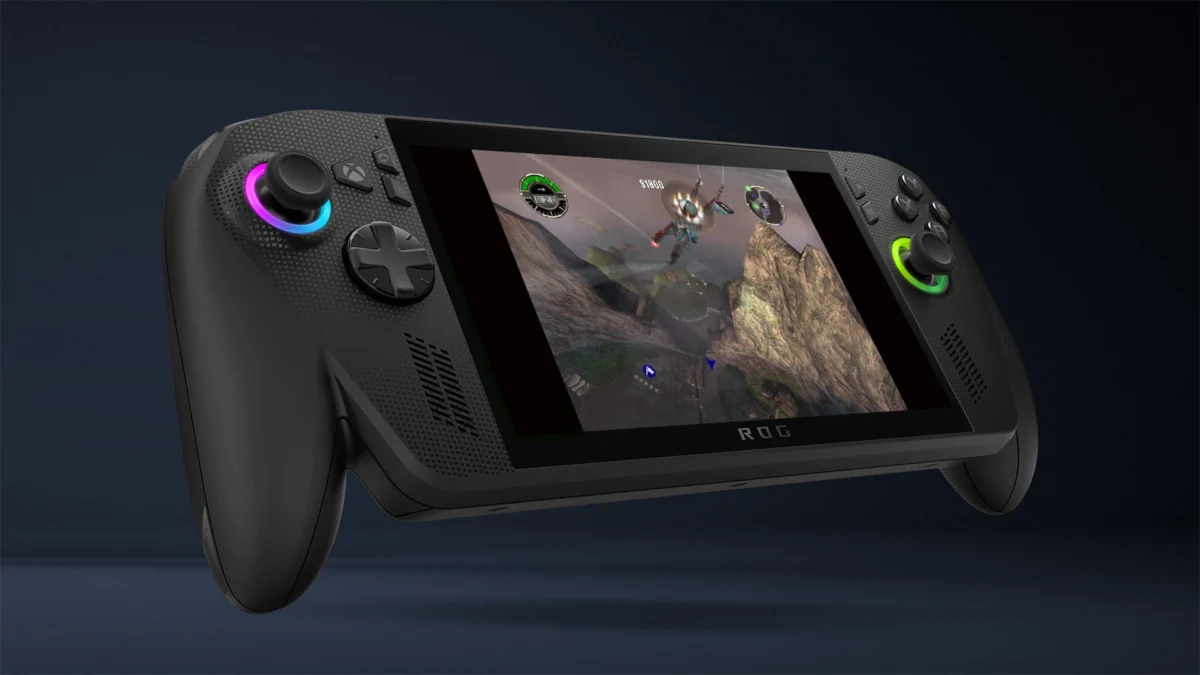
Redmond, WA – In a move set to redefine cross-platform gaming and delight millions of PC enthusiasts, Xbox officially announced today, July 22, 2026, the immediate launch of backward compatibility for original Xbox games on PC. This long-rumored feature, confirmed by Xbox leadership, marks a significant expansion of the company’s ecosystem and its ongoing commitment to game preservation and player choice. Starting today, a curated selection of four iconic titles from the original Xbox era will be available to play on Windows PCs, with a promise of more classics to follow in the coming months.
The initial wave of games launching with this new capability includes highly anticipated fan favorites that defined a generation. While Xbox has not yet released the full list of these inaugural titles, industry insiders suggest that games like Halo: Combat Evolved, Fable, Star Wars: Knights of the Old Republic, and Project Gotham Racing are strong candidates, given their historical significance and widespread appeal. This launch is not merely a porting effort; Xbox has integrated a suite of advanced technical enhancements designed to modernize these vintage experiences for contemporary PC hardware. Players can expect up to 4x resolution upscaling, ensuring crisp visuals on high-definition monitors, along with VSync support to eliminate screen tearing, anisotropic filtering for improved texture clarity at various viewing angles, and enhanced anti-aliasing to smooth out jagged edges. Furthermore, Xbox has confirmed that achievements, a staple of the Xbox ecosystem, will be retroactively integrated into select original Xbox titles later this year, adding a new layer of engagement and replayability to these cherished games.
A Commitment to Gaming’s Heritage: The Vision Behind the Initiative
This monumental announcement builds upon Xbox’s established legacy of backward compatibility on its console platforms. Since the Xbox One introduced the ability to play select Xbox 360 games, and later original Xbox titles, Microsoft has consistently championed the idea that players should not be forced to abandon their game libraries with each new hardware generation. This philosophy was further cemented with the Xbox Series X|S, which launched with unprecedented backward compatibility for thousands of titles across four generations of Xbox consoles. Bringing this capability to PC represents a logical yet ambitious extension of that commitment, effectively bridging the historical divide between console and PC gaming in a way few publishers have attempted on this scale.
Phil Spencer, Head of Xbox, reportedly emphasized the importance of this initiative in a private briefing, stating, "Our mission has always been to put players first, offering them more ways to play the games they love, on the devices they prefer. Expanding backward compatibility to PC is a natural evolution of that vision. It’s about preserving the rich history of Xbox gaming and making those experiences accessible to a new generation of players, and to existing fans who’ve migrated to PC, without compromise." This statement underscores a strategic move to solidify Xbox’s position as a player-centric ecosystem, where hardware boundaries are increasingly permeable.
Technical Prowess: Enhancements for a Modern Experience
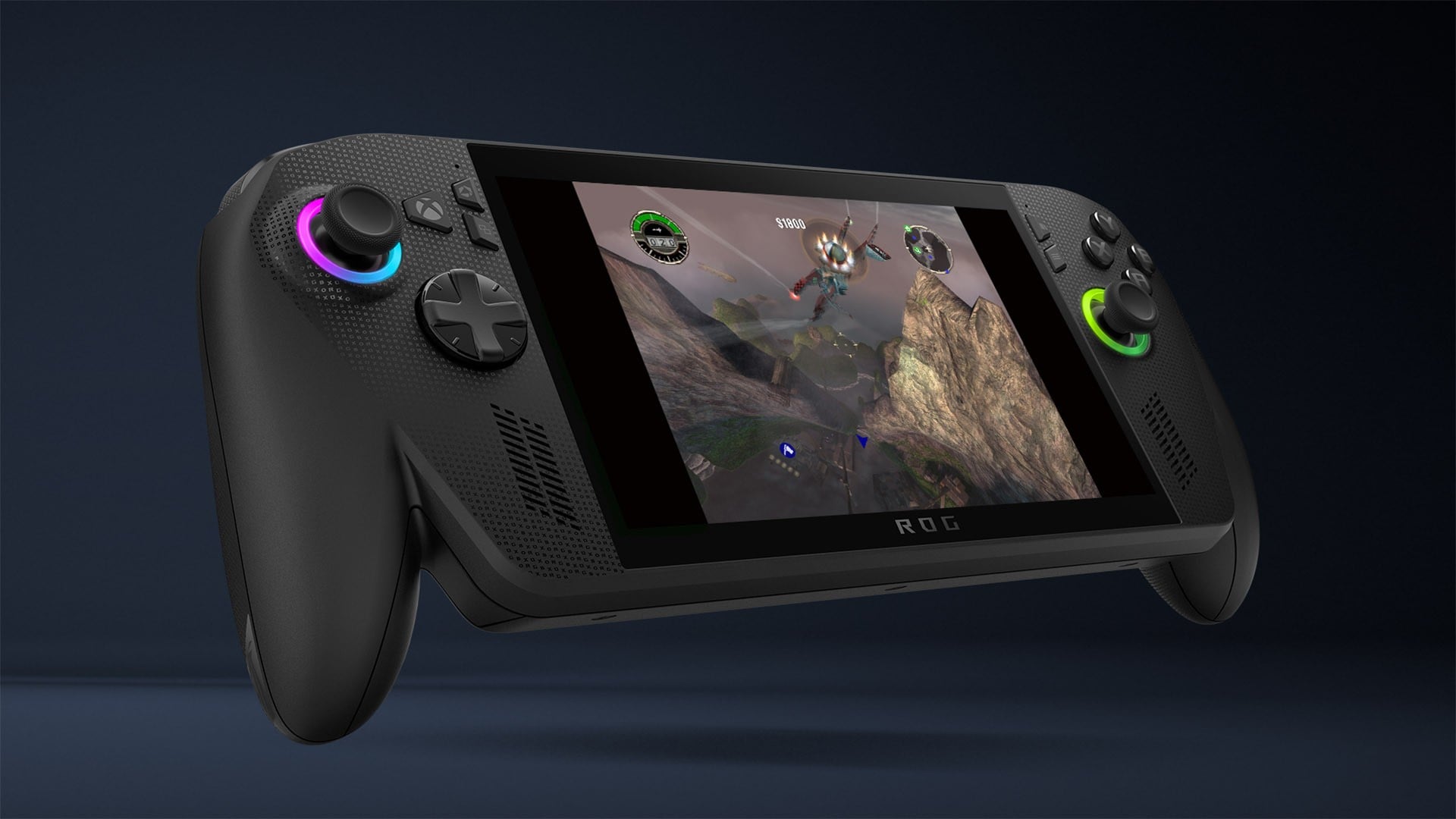
The engineering feat behind bringing original Xbox games to PC with enhanced capabilities is considerable. The original Xbox, released in 2001, operated on custom hardware vastly different from modern PC architectures. The team at Xbox has developed a sophisticated emulation layer that not only translates the original game code to run on Windows but also intelligently leverages PC graphics capabilities to deliver visual upgrades.
The 4x resolution upscaling, for instance, means that games originally designed for standard definition televisions (typically 480p) can now be rendered internally at resolutions up to 4K (2160p) before being displayed on a user’s monitor. This process dramatically sharpens textures and details that might have appeared blurry or pixelated on their native hardware. VSync (Vertical Synchronization) ensures that the game’s frame rate is synchronized with the display’s refresh rate, effectively preventing "screen tearing," an artifact where multiple frames are displayed simultaneously, creating a visible horizontal split. Anisotropic filtering significantly improves the clarity of textures that are viewed at steep angles, such as roads stretching into the distance, making the game world appear more detailed and less blurry. Enhanced anti-aliasing techniques further refine the image, reducing the "jaggies" or stair-step effect on diagonal lines and object edges, resulting in a smoother, more cinematic presentation. The future integration of Xbox achievements adds a modern gaming incentive, allowing players to earn Gamerscore and track their progress in games that predated the achievement system, providing a fresh challenge for veterans and newcomers alike.
Seamless Integration: Digital Libraries, Game Pass, and Cloud Play
Accessibility is a cornerstone of this new initiative. Players who already own any of the backward compatible original Xbox games digitally will find them immediately available in their PC game library. This seamless integration extends to Xbox Game Pass subscribers, who will also gain access to these titles as they are added to the service, further enhancing the value proposition of Microsoft’s popular subscription offering.
Crucially, the new PC backward compatibility also supports Xbox Play Anywhere and Xbox Cloud Gaming. Xbox Play Anywhere means that a single digital purchase allows players to own and play the game on both Xbox consoles and PC, preserving their save progress and achievements across platforms. This feature has been a significant differentiator for Xbox, fostering a truly unified gaming experience. The inclusion of Xbox Cloud Gaming support is particularly noteworthy, allowing players to stream these classic titles to a wide range of devices, from smartphones and tablets to low-spec PCs, without the need for powerful local hardware. This extends the reach of these games beyond traditional gaming setups, making them accessible to a broader audience than ever before. This multi-pronged approach ensures that players can engage with their favorite classics in the most convenient way possible, regardless of their preferred device or location.

System Requirements: Bridging Generations with PC Hardware
To ensure a smooth and enjoyable experience, Xbox has outlined specific system requirements for running these backward compatible titles on PC. The technical nature of emulation, combined with the desire to offer significant visual enhancements, necessitates a certain level of hardware capability.
Minimum System Requirements:
- Operating System: Windows 10 (64-bit) or Windows 11
- Processor: Intel Core i5-7400 or AMD Ryzen 3 1300X
- RAM: 8 GB DDR4
- Graphics Card: NVIDIA GeForce GTX 1050 Ti (4GB VRAM) or AMD Radeon RX 560 (4GB VRAM)
- Storage: 50 GB available SSD space (HDD may result in slower loading times)
- DirectX: Version 12
Recommended Specifications:
- Operating System: Windows 10 (64-bit) or Windows 11
- Processor: Intel Core i7-10700K or AMD Ryzen 5 3600X
- RAM: 16 GB DDR4
- Graphics Card: NVIDIA GeForce RTX 3060 (12GB VRAM) or AMD Radeon RX 6600 XT (8GB VRAM)
- Storage: 100 GB available NVMe SSD space
- DirectX: Version 12
These specifications reflect a balance between broad accessibility and the technical demands of advanced emulation and upscaling, indicating that even moderately powerful gaming PCs from the last few years should be able to run these titles effectively, while more modern rigs will unlock the full suite of graphical enhancements.
Industry Reactions and Strategic Implications
The announcement has sent ripples through the gaming industry. Analysts are largely hailing it as a strategic masterstroke by Xbox, further solidifying its "ecosystem-first" approach. Dr. Emily Chen, a leading industry analyst at GlobalTech Insights, commented, "This move positions Xbox as the undeniable leader in cross-platform game preservation and accessibility. While competitors like PlayStation have focused on porting specific first-party titles to PC, Xbox is delivering a systemic solution for an entire generation of games, complete with modern enhancements and deep integration into Game Pass. This significantly enhances the value proposition of the Xbox brand for PC gamers and could drive substantial Game Pass subscriptions."
The appeal to nostalgia is also a powerful factor. Millions of gamers grew up with the original Xbox, and the ability to revisit those formative experiences on their preferred PC setup, often with superior visuals, is a potent draw. This could also introduce a new generation of PC-native players to classic titles they might never have experienced, fostering a deeper appreciation for gaming history.
Looking Ahead: The Future of Xbox’s PC Legacy
While the initial focus is on original Xbox titles, the language used in the official announcement hints at broader ambitions. The reference to "classic XBOX games from the past" rather than specifically "original Xbox games" strongly suggests that Xbox 360 titles could be next in line for PC backward compatibility. The Xbox 360 boasts an even larger and more diverse library of critically acclaimed games, and bringing those to PC would represent another significant milestone. Beyond that, the long-term vision could even encompass select Xbox One titles, further blurring the lines between console generations and PC gaming.
This initiative is not just about making old games playable; it’s about making them relevant again. By integrating them into the modern Xbox ecosystem with features like achievements, Game Pass, Play Anywhere, and Cloud Gaming, Xbox is breathing new life into its historical catalog. This move underscores Microsoft’s commitment to building a unified gaming experience where the boundaries between platforms are minimized, and player choice is maximized. The success of this first wave of original Xbox titles on PC will undoubtedly shape the pace and scope of future expansions, but the message is clear: the past, present, and future of Xbox gaming are increasingly converging on the PC platform. This is a win not just for Xbox, but for the entire gaming community, fostering preservation, accessibility, and an enriched player experience.