


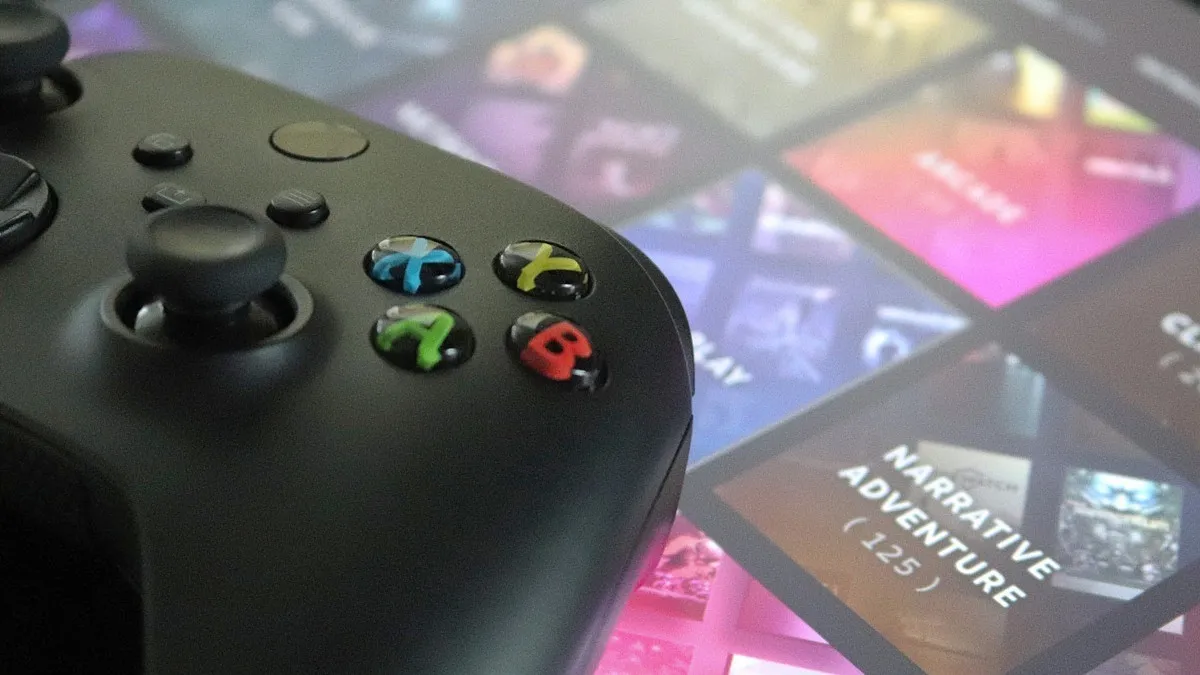
The European and United Kingdom markets are experiencing a significant price escalation for Microsoft’s Xbox Series X and Series S consoles, a move directly attributable to the escalating costs within the global technology supply chain. This price adjustment, which sees some models increase by as much as €200 or £170, underscores the pervasive impact of rising component costs, particularly those related to memory and AI-driven demand, on consumer-grade electronics.
Escalating Costs Hit European Gamers
Microsoft has implemented a notable price increase for its Xbox Series X and Series S consoles across Europe and the United Kingdom. The Xbox Series X, previously retailing at €599.99 for the 1TB disc version, will now be priced at €799.99. Similarly, the digital-only variant of the Series X sees a jump from €549.99 to €749.99. The more budget-friendly Xbox Series S has also not been spared. The 512GB model now costs €499.99, an increase of €150 from its previous €349.99 price point. The higher-capacity 1TB version of the Series S is also subject to a €200 increase, bringing its new price to €599.99. These adjustments translate to approximately a 33% to 40% increase for the Series X and a substantial 43% increase for the 512GB Series S.
The initial reports of these price hikes emerged from user discussions on online forums, notably ResetEra, where consumers shared updated pricing information from various retailers. This proactive observation by the gaming community highlights the rapid dissemination of such significant market changes.
The Underlying Drivers: AI, Memory, and Supply Chain Bottlenecks
The price surges are not an isolated incident for the gaming industry but rather a symptom of broader, systemic issues impacting the entire technology sector. A primary driver identified is the insatiable demand for memory components, fueled significantly by the burgeoning field of Artificial Intelligence (AI). AI models, particularly large language models and advanced machine learning systems, require vast amounts of high-speed memory, including DRAM and NAND flash. This demand has led to unprecedented procurement by AI development companies, effectively cornering a substantial portion of the available memory supply.
Memory, in its various forms—from RAM (Random Access Memory) to storage solutions like SSDs (Solid State Drives) and even older technologies like HDDs (Hard Disk Drives)—is a fundamental building block of virtually all modern electronic devices. For complex systems like gaming consoles, which integrate multiple high-performance memory modules for their operating systems, game data, and processing capabilities, the increased cost of these components directly translates to higher manufacturing expenses.
The intricate production process for semiconductor components, particularly memory chips, involves highly specialized and expensive manufacturing facilities (fabs). These fabs operate on thin, circular silicon wafers, which are then "diced" into individual chips. The AI industry’s aggressive acquisition of these wafers means that fewer are available for other sectors, including consumer electronics. This scarcity inevitably drives up the price of the finished memory chips.
A Chronology of Rising Costs
While the recent Xbox price increases are a stark manifestation, the trend of escalating tech component costs has been developing over an extended period.
- Late 2020 – Early 2021: The COVID-19 pandemic began to disrupt global supply chains significantly. Lockdowns, factory closures, and a surge in demand for consumer electronics (as people worked and entertained themselves at home) created initial shortages and price pressures.
- 2021 – 2022: The semiconductor shortage intensified. Demand for chips for automobiles, consumer electronics, and data centers outstripped supply. This period saw a general increase in the cost of electronic components.
- Mid-2022 onwards: The rapid advancement and widespread adoption of AI technologies began to exert significant pressure on memory supply. Companies investing heavily in AI infrastructure started to procure memory at an accelerated rate, further tightening the market.
- Late 2022 – Early 2023: The cumulative effect of these factors began to translate into noticeable price hikes for consumer electronics, including gaming consoles. While some regions may have seen adjustments earlier, the current European and UK adjustments represent a more substantial and localized impact.
Broader Market Implications
The price adjustments for Xbox consoles are indicative of a wider economic trend affecting a vast array of consumer electronics. It is reasonable to infer that other manufacturers and product categories will follow suit or have already begun to implement similar price increases.
- Other Gaming Consoles: While not yet confirmed, it is plausible that Sony’s PlayStation 5 and Nintendo’s Switch could also see price adjustments if the underlying component cost pressures persist. Manufacturers often absorb some initial cost increases, but sustained inflation typically leads to retail price revisions.
- PCs and Laptops: The cost of RAM and SSDs, crucial components for personal computers, has been on an upward trajectory. This is likely to result in higher prices for pre-built PCs, laptops, and potentially even the components for DIY builders.
- Smartphones and Tablets: These devices rely heavily on memory and processors, making them susceptible to similar cost pressures. Consumers may see a slowdown in aggressive pricing strategies or outright price increases for new models.
- Smart Home Devices and Appliances: The article correctly points out that even seemingly simple modern appliances like refrigerators, air conditioners, and televisions often contain microcontrollers and memory chips. As these components become more expensive, the cost of these everyday items could also rise.
Analysis of the Xbox Price Hike
The specific nature of the Xbox price increase – being more pronounced on higher-storage, premium models like the Series X and the 1TB Series S – directly correlates with the identified supply chain issues. The larger storage capacities require more NAND flash memory, a component particularly affected by the AI demand surge.
The decision by Microsoft to implement these price increases in Europe and the UK, rather than globally, could be influenced by several factors:
- Market Dynamics: Regional pricing strategies are common and often dictated by local market conditions, competitive landscapes, and consumer purchasing power.
- Currency Fluctuations: Exchange rates between the US Dollar and currencies like the Euro and British Pound can impact import costs and profit margins.
- Competitive Response: Microsoft may be observing the pricing strategies of competitors in these specific markets and adjusting accordingly.
- Existing Stock: Retailers may have existing inventory purchased at older, lower prices, allowing for a staggered implementation of the new pricing.
Expert and Industry Reactions (Inferred)
While direct statements from Microsoft regarding this specific price adjustment were not immediately available at the time of reporting, the company’s official stance on pricing typically centers on the need to reflect market conditions and ensure sustainable product development. In previous instances of price increases for their products, companies like Microsoft have often cited rising manufacturing costs and investments in research and development.
Industry analysts have consistently highlighted the fragility of the global semiconductor supply chain and its susceptibility to geopolitical events, technological advancements, and surges in demand from specific sectors. The current situation with AI’s impact on memory is a prime example of how a rapidly evolving technological frontier can create unforeseen ripple effects across the entire economy.
The Consumer Impact
For consumers, these price increases represent a significant financial burden. The Xbox Series X and S were launched with the aim of making next-generation gaming more accessible. However, these price hikes risk alienating a segment of the gaming audience, potentially leading to:
- Delayed Purchases: Consumers may postpone buying new consoles, opting to wait for prices to stabilize or for more affordable alternatives to emerge.
- Shift to Older Generations: Some gamers might opt for older, more affordable consoles or continue playing on their current-generation hardware.
- Reduced Disposable Income for Games and Accessories: A higher initial investment in the console leaves less budget for games, subscriptions, and accessories, potentially impacting the broader gaming ecosystem.
- Increased Interest in Cloud Gaming: Services like Xbox Cloud Gaming could see increased adoption as a more cost-effective way to access high-end gaming experiences without the upfront hardware cost.
The current economic climate, characterized by inflation and cost-of-living pressures in many regions, further exacerbates the impact of these price increases. Gamers, like all consumers, are facing tighter budgets, making discretionary purchases like new gaming hardware a more difficult decision.
In conclusion, the price hikes for Xbox consoles in Europe and the UK are a clear indicator of the significant challenges facing the global technology supply chain. The insatiable demand for memory, driven by the explosive growth of AI, coupled with ongoing supply chain fragilities, is forcing manufacturers to pass on increased costs to consumers. This trend is likely to persist, affecting a wide range of electronic devices and reshaping consumer purchasing habits in the technology market for the foreseeable future.