


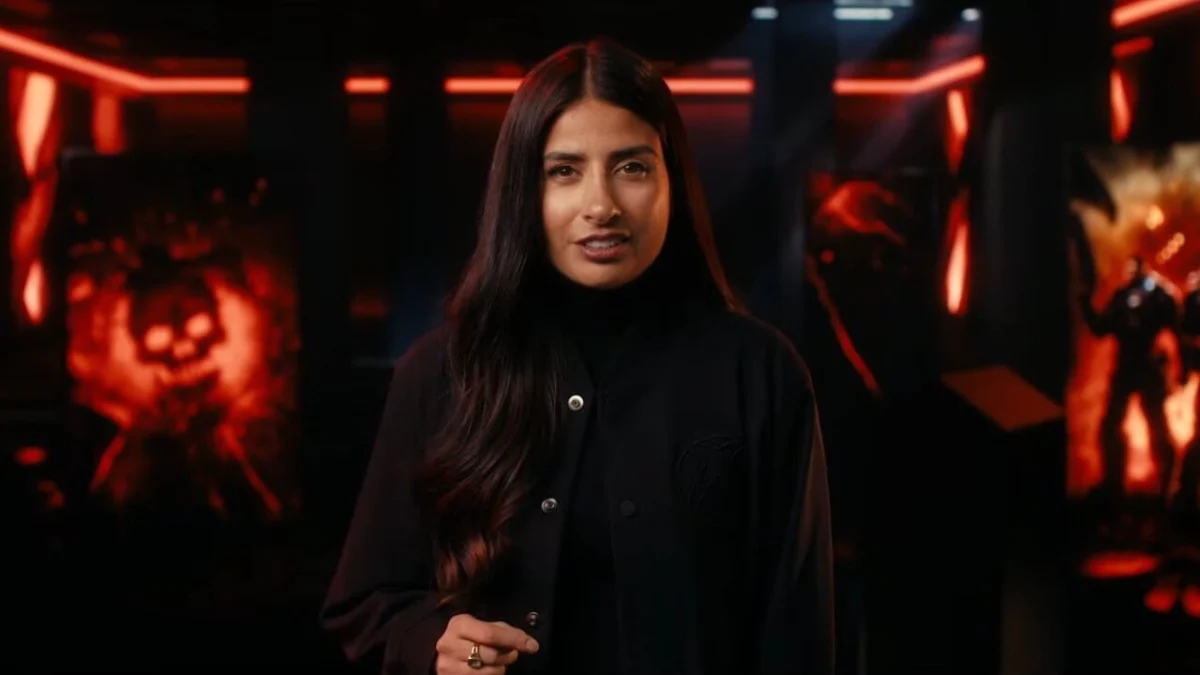
Microsoft’s Xbox division, a cornerstone of its consumer entertainment strategy, is unequivocally not for sale, according to a definitive statement from Asha Sharma, a prominent executive leading crucial aspects of the gaming brand. This declaration, made during an interview with The New York Times, aims to quell persistent rumors and speculative chatter that have periodically plagued the gaming giant, particularly during periods of perceived challenge or strategic recalibration within the industry. Sharma’s assertion that "Xbox is not for sale" is accompanied by a forceful commitment: "We will do whatever it takes to set the company up for success, and we will look at the right partnerships, the right operating model and everything needed to achieve that." This resolute stance underscores Microsoft’s long-term vision for its gaming enterprise, signaling a renewed focus on growth and strategic evolution rather than divestment.
Decades of Innovation and Market Fluctuations: The Xbox Journey
The notion of Microsoft selling its Xbox division has been a recurring theme in industry discourse, often resurfacing when the brand faces competitive headwinds or shifts in corporate strategy. To understand the significance of Sharma’s statement, it is crucial to revisit the rich and often turbulent history of Xbox within the Microsoft ecosystem.
Microsoft’s foray into the console market began in the late 1990s, driven by a strategic imperative to prevent Sony from monopolizing the living room entertainment space with its PlayStation console. Bill Gates, then CEO of Microsoft, famously recognized the threat posed by console gaming to the dominance of Windows and PC gaming. The original Xbox, launched in November 2001, was a bold and expensive gamble. Despite initial losses and a steep learning curve in hardware manufacturing and game development, Microsoft demonstrated its deep pockets and long-term commitment. The console introduced innovative features like Xbox Live, which revolutionized online console gaming and set a new standard for multiplayer experiences.
The Xbox 360 era, spanning from 2005 to 2013, represented a golden age for the brand. It was a period of intense competition with Sony’s PlayStation 3, marked by significant technological advancements, a robust library of exclusive titles such as ‘Halo 3’ and ‘Gears of War,’ and the widespread adoption of Xbox Live. Microsoft effectively captured a substantial market share, establishing Xbox as a formidable player in the global gaming arena. This success cemented gaming as a legitimate and valuable segment within Microsoft’s diverse portfolio.
However, the transition to the eighth generation of consoles proved challenging. The Xbox One, launched in 2013, faced a difficult reception due to controversial policies regarding always-online requirements, used games, and a strong emphasis on the Kinect motion sensor, which drove up the console’s price. These missteps allowed Sony’s PlayStation 4 to gain a significant lead, leading to a period where Xbox’s market position appeared less secure. It was during these challenging times that rumors of a potential sale or strategic shift away from hardware often gained traction.
Under the leadership of Phil Spencer, who became head of Xbox in 2014 and later CEO of Microsoft Gaming, the brand underwent a significant transformation. Spencer spearheaded a strategy focused on services, notably the highly successful Xbox Game Pass subscription, and an aggressive campaign of studio acquisitions, including Bethesda Softworks and, most significantly, Activision Blizzard King. These moves signaled Microsoft’s intent not just to compete, but to redefine its role in the gaming industry, moving towards an ecosystem-centric model that spans consoles, PC, and cloud gaming.
The Context of Current Speculation and Nadella’s Mandate
The latest wave of divestment speculation, which Sharma’s statement directly addresses, has coincided with a period of intense scrutiny and strategic adjustments for Xbox. Despite massive investments in content and services, the gaming division has faced pressure to demonstrate consistent growth and profitability, particularly in its console segment. Recent financial reports and industry analysis have highlighted a slowdown in the overall console market post-pandemic, and the challenge of continually expanding the Game Pass subscriber base at the rapid pace seen in its early years.
Adding to the recent "nervousness amongst Xbox fans" were comments made by Microsoft CEO Satya Nadella. Nadella recently articulated a clear expectation for Xbox, emphasizing the need for "the right sustainable business model" and a return to growth within the current fiscal year. While these comments were interpreted by some as a potential sign of wavering commitment or a precursor to significant structural changes, Sharma’s unequivocal denial of a sale provides crucial context. It suggests that Nadella’s mandate is not an invitation to exit the gaming hardware business, but rather a challenge to optimize and innovate within the existing framework to ensure long-term viability and increased profitability.
Microsoft executives, according to The New York Times report, have noted that speculation about an Xbox sale is a perennial feature of the tech and gaming landscape, yet it has consistently failed to materialize. This historical perspective reinforces the idea that Microsoft, a company known for its long-term strategic investments and patience with nascent businesses, is unlikely to abandon a segment that holds such significant strategic value.

Asha Sharma’s Vision and "Whatever It Takes"
Asha Sharma, as Corporate Vice President of Gaming Experiences and Platforms at Xbox, holds a pivotal role in shaping the future direction of the brand. Her appointment to this critical leadership position underscores Microsoft’s commitment to evolving the Xbox ecosystem. Her statement, "We will do whatever it takes to set the company up for success," is not merely a rejection of a sale, but an affirmation of an aggressive, multi-pronged strategy.
This "whatever it takes" approach can be interpreted in several key ways:
- Continued Investment in Content: Despite the Activision Blizzard King acquisition, which brought an unparalleled portfolio of intellectual property under Microsoft’s roof, the company is expected to continue fostering its first-party studios and potentially pursuing further strategic acquisitions to bolster its content pipeline. This includes nurturing beloved franchises like ‘Halo,’ ‘Gears of War,’ and ‘Forza,’ as well as developing new, innovative IPs.
- Innovation in Platform Features: Xbox has consistently pushed boundaries with console features like Quick Resume, Smart Delivery, and robust accessibility options. Sharma’s commitment suggests continued investment in hardware and software innovation to enhance the user experience and differentiate Xbox from its competitors.
- Refined Business Models: In response to Nadella’s call for a "sustainable business model," Xbox is likely exploring new avenues for monetization beyond traditional game sales and Game Pass subscriptions. This could involve deeper integration with AI, exploring new advertising models within the gaming ecosystem, or developing novel engagement strategies that leverage Microsoft’s broader cloud and AI capabilities.
- Strategic Partnerships: The mention of "right partnerships" indicates a willingness to collaborate across the industry, potentially with other tech companies, game developers, or even non-gaming entities, to expand Xbox’s reach and offerings. This could involve cloud gaming alliances, cross-platform initiatives, or collaborations that integrate gaming with other forms of digital entertainment.
- Global Expansion and Accessibility: Ensuring Xbox’s success also means expanding its global footprint, making its content and services accessible to a wider audience through various devices and price points, including continued development in cloud gaming infrastructure.
Sharma’s emphasis on a "long way to go with Microsoft" and taking a "long-term view" further solidifies the idea that the company views Xbox not as a short-term venture, but as a critical, enduring component of its future strategy. This long-term perspective is typical of Microsoft, which has historically shown immense patience with divisions that require significant investment before yielding substantial returns.
The Future: Project Helix and Ecosystem Expansion
Contrary to the divestment rumors, evidence points to Microsoft doubling down on its commitment to the Xbox platform. The company is actively "going big on the platform side of things and trying to embrace exclusives and console features all over again." This renewed vigor is exemplified by the highly anticipated "Project Helix" console. While details remain under wraps, Project Helix is widely understood to be the next significant iteration of Xbox hardware, a clear signal that Microsoft intends to remain a formidable player in the console manufacturing space for the foreseeable future. The development and investment in new hardware directly contradict any notion of a platform exit.
Furthermore, Xbox’s strategy is increasingly centered on building a robust and interconnected ecosystem. This involves not only powerful consoles but also a strong presence on PC, a thriving cloud gaming service (Xbox Cloud Gaming), and the foundational Game Pass subscription that ties it all together. The goal is to make Xbox content and experiences available wherever and however players choose to engage, breaking down traditional platform barriers. This ecosystem approach leverages Microsoft’s strengths in cloud computing (Azure) and software development, positioning Xbox as a leader in the evolving landscape of digital entertainment.
The vast intellectual property acquired through the Bethesda and Activision Blizzard King deals—including franchises like ‘Call of Duty,’ ‘Warcraft,’ ‘Elder Scrolls,’ and ‘Fallout’—is integral to this strategy. These IPs provide a rich library of content to fuel Game Pass, attract new subscribers, and drive engagement across the entire Xbox ecosystem. Selling the Xbox brand would mean divesting from these incredibly valuable assets, a move that would be strategically illogical given the billions invested.
Broader Implications and Industry Perspective
From an industry analyst’s perspective, a sale of Xbox would be an extraordinary and highly unlikely event. Microsoft’s investment in gaming far exceeds the value of just console sales; it is a strategic pillar for its cloud services, its AI initiatives, and its overall consumer relevance. Gaming provides a massive platform for showcasing Microsoft technologies, fostering developer ecosystems, and engaging a global audience. The sheer scale of its recent acquisitions also ties gaming inextricably to Microsoft’s future. Divesting Xbox would represent a significant retreat from a strategic battleground where Microsoft has invested tens of billions of dollars and years of effort.
Moreover, the brand recognition of Xbox, its established global infrastructure, and its loyal user base represent intangible assets that are difficult to quantify but immensely valuable. In a rapidly converging tech landscape where entertainment, cloud, and AI are increasingly intertwined, having a strong presence in gaming is not merely a luxury for Microsoft; it is a strategic imperative.
In conclusion, Asha Sharma’s categorical statement that Xbox is "not for sale whatsoever" serves as a powerful reassurance to fans, developers, and the broader industry. It solidifies Microsoft’s unwavering commitment to its gaming division, framing recent leadership directives not as a threat of divestment but as a clarion call for intensified innovation and sustainable growth. With ambitious hardware projects like Project Helix on the horizon, a continually expanding content library, and a clear vision for an interconnected gaming ecosystem, Xbox is firmly positioned to remain a vital and evolving force in the global entertainment landscape for decades to come. The message is clear: the journey continues, and Microsoft is prepared to do "whatever it takes" to ensure Xbox’s enduring success.