


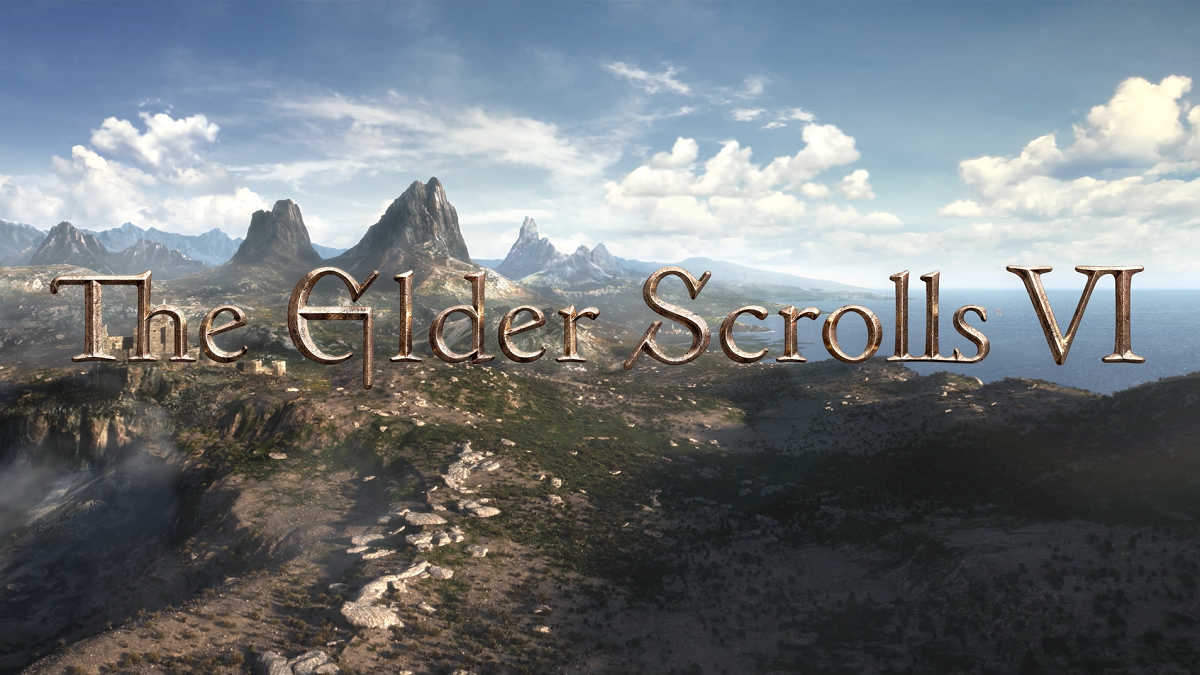
In a development that has once again ignited fervent discussion within the gaming community, Xbox CEO Asha Sharma has offered a tantalizing, albeit cryptic, glimpse into the progress of the highly anticipated The Elder Scrolls VI. This latest communication, surfacing less than a month after Bethesda Game Studios itself provided a development status update, has reignited speculation and debate surrounding one of the most eagerly awaited titles in the RPG landscape. While Sharma’s remarks suggest a tangible advancement in the game’s playability and scope, they arrive against a backdrop of significant organizational shifts and reported challenges within Bethesda and its parent company, Xbox Game Studios.
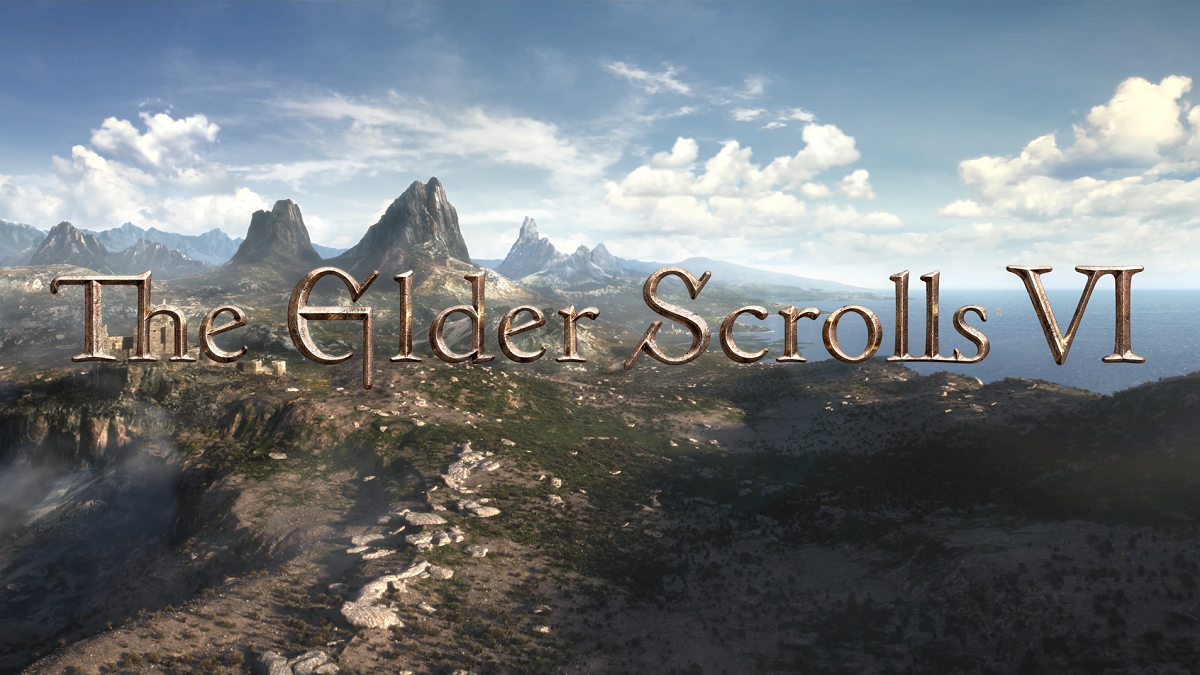
The genesis of this prolonged anticipation can be traced back to June 2016, when Bethesda formally announced The Elder Scrolls VI at E3. This announcement, made a full eight years prior to the most recent official statements, has led to a considerable period of public waiting, marked by a scarcity of concrete details and visual representations of the game. The game’s development has been a subject of intense speculation, with fans meticulously dissecting every available morsel of information.
Sharma’s recent engagement on Twitter/X, a platform increasingly utilized by industry leaders for direct communication, consisted of a post that read, "Live playthrough of *The Elder Scrolls VI: ***** this morning. The scale and grandeur are incredible. The story is even greater." The deliberate use of eight asterisks to obscure the game’s subtitle has fueled a fresh wave of theories, ranging from potential regional titles to codenames or even a deliberate tactic to maintain an air of mystery.
This statement, while seemingly positive, follows closely on the heels of a previous update from Bethesda’s vice president of marketing, Pete Hines, in April of this year. Hines stated that The Elder Scrolls VI was "where we planned to be" in its development cycle. This phrasing, while intended to reassure fans, also underscored the lengthy timeframe since the initial announcement, prompting questions about the definition of "planned" progress in the context of a project of such magnitude. The juxtaposition of these updates—one emphasizing playability and grandiosity, the other confirming adherence to a long-term development roadmap—presents a complex picture of the game’s current status.
Fan Reactions and Industry Expectations
The immediate aftermath of Sharma’s tweet saw a predictable surge of engagement from the Xbox and Elder Scrolls fan bases. A significant portion of the discourse revolved around the platform exclusivity of the title. Many Xbox enthusiasts expressed strong desires for The Elder Scrolls VI to remain an exclusive offering for Xbox consoles and PC, a sentiment amplified by Microsoft’s recent acquisitions of major gaming studios, including Bethesda Softworks itself. This push for exclusivity is often linked to the strategic objectives of bolstering the Xbox ecosystem against competitors.
Beyond platform debates, other fan concerns echoed perennial themes in game development. The desire for a physical release, ensuring the availability of the game on disc, was a recurring point. Furthermore, a significant segment of the community voiced hopes for a launch free from the prevalent bugs and technical issues that have unfortunately characterized the releases of several high-profile games in recent years. The history of complex, open-world RPGs, including some from Bethesda’s own portfolio, has conditioned players to anticipate potential launch day imperfections, making this a persistent concern.
A History of Early Announcements and Extended Development Cycles
The protracted development and announcement timeline for The Elder Scrolls VI is not an isolated phenomenon in the gaming industry, but it has become a particularly prominent case study. Game studios often face the delicate balancing act of managing player expectations while navigating the intricate and often lengthy process of creating ambitious titles. In the case of The Elder Scrolls VI, the announcement was made at a time when Skyrim, the predecessor, was still enjoying immense popularity and receiving numerous re-releases and expansions. This early reveal, while generating excitement, also set a high bar for what players would eventually experience, and the intervening years have done little to temper that anticipation.
The industry trend towards announcing games significantly in advance of their release has been a subject of debate. Proponents argue that early announcements can build anticipation, attract talent, and secure funding. Critics, however, contend that it can lead to unrealistic expectations, prolonged periods of silence that breed fan frustration, and potential developmental shifts that render the initial announcement obsolete. The Elder Scrolls VI stands as a prime example of the latter, with its eight-year gestation period leading to a situation where the game’s initial reveal feels increasingly distant from its eventual launch.
Broader Context: Studio Challenges and Layoffs
Sharma’s optimistic pronouncements about The Elder Scrolls VI must also be considered within the wider context of recent organizational changes and reported difficulties at Bethesda and other Xbox Game Studios. In January of this year, reports emerged detailing significant layoffs across various Xbox divisions, including Bethesda. These layoffs were framed by Xbox leadership as a strategic "reset" aimed at streamlining operations and focusing resources. However, the impact on studio morale and development pipelines has been a significant point of concern for many within the industry and the gaming public.
Furthermore, reports from earlier in the year indicated issues within Bethesda Game Studios itself, including allegations of delays, crunch culture, and "shattered morale" during the development of Starfield, the company’s most recent major release. While Starfield garnered a significant player base and received a generally positive reception, it also faced criticism regarding its technical performance and certain design choices, particularly for a title developed over such an extensive period. The subsequent development of Fallout 5, which is reportedly in pre-production with potential remasters of earlier Fallout titles also in the works, further highlights the ambitious slate Bethesda is undertaking.
The implications of these internal challenges are multifaceted. A strained development environment can impact the quality and timely delivery of games. Layoffs can lead to a loss of institutional knowledge and experienced personnel, potentially affecting future projects. For a title as monumental as The Elder Scrolls VI, ensuring a stable and well-resourced development team is paramount to achieving the quality and scope that fans expect.
Analysis of Implications
Sharma’s "live playthrough" statement, while seemingly a positive indicator, should be interpreted with a degree of caution. The description of the game as "playable" suggests that core mechanics and narrative elements are functional, which is a crucial milestone in any game’s development. The emphasis on "scale and grandeur" and an "even greater" story aligns with the established reputation and fan expectations for the Elder Scrolls series, known for its vast open worlds and epic narratives.
However, the fact that such a playthrough is being described and not shown to the public leaves room for interpretation. It is possible that this was an internal demonstration, a milestone achieved within the development team, rather than a preview intended for wider consumption. The ambiguity of the eight asterisks further complicates any definitive conclusions.
The broader implications of this update are significant for both Bethesda and Xbox. For Bethesda, continued positive communication about The Elder Scrolls VI is crucial for maintaining goodwill and managing fan expectations after years of silence. For Xbox, a successful launch of The Elder Scrolls VI represents a potential flagship title that could significantly boost Game Pass subscriptions and solidify its position in the console market, especially in the wake of its major studio acquisitions.
A Look Ahead: The Long Road to Release
Given the information available, a realistic assessment of The Elder Scrolls VI‘s release window remains challenging. While Sharma’s comments suggest progress, the historical precedent of early announcements and the reported studio challenges mean that a launch in the immediate future is unlikely. Projections of release dates often hover around the late 2020s, with some analysts suggesting 2029 or 2030 as more plausible targets.
The gaming industry is a dynamic landscape, and development timelines can shift due to unforeseen technical hurdles, creative decisions, and market conditions. While it is encouraging to know that The Elder Scrolls VI is progressing and that the team is aiming for a title of immense quality, the prolonged wait necessitates patience from the fanbase. The ultimate success of the game will likely hinge on its ability to deliver on the immense expectations built over more than a decade, while also demonstrating the benefits of Microsoft’s investment in Bethesda and its commitment to fostering a healthy and productive development environment.
Update: Protests Shadow Xbox Leadership Visit
Further complicating the narrative surrounding Xbox’s leadership and its development studios, an update on August 12th at 9:20 am CT, as reported by Tom Warren of The Verge, highlighted a protest that occurred during Asha Sharma’s visit to Bethesda Game Studios offices. CWA union members reportedly inflated a giant inflatable rat, colloquially known as "Scabby," a common symbol used in labor disputes to represent exploitative employers. This protest, alongside the planting of red flags to symbolize each individual laid off by Xbox recently, underscores the ongoing tensions and concerns regarding workforce reductions within the company.
This visual demonstration of dissent serves as a stark counterpoint to the optimistic pronouncements about game development. It brings into sharp focus the human element behind the corporate strategies and the potential impact of these organizational changes on the individuals who are instrumental in bringing these highly anticipated games to life. The juxtaposition of a "live playthrough" of a flagship title with a protest against layoffs highlights the complex and often challenging environment in which modern AAA games are developed. While the progress on The Elder Scrolls VI may be tangible, the broader organizational context remains a significant factor for industry observers and fans alike.